When you discover that your partner has been unfaithful, the pain is unlike anything you’ve experienced before. It’s not just heartbreak, it’s a complete shattering of your reality, your sense of safety, and your understanding of the person you thought you knew. In those first devastating moments, days, and weeks, you might feel pressure from yourself or others to “move forward,” “get over it,” or “decide what to do.” But before you can move forward, before you can make clear decisions, before healing can truly begin, you must first do something that might seem counterintuitive: you must fully recognize and acknowledge your pain.
This isn’t wallowing. This isn’t weakness. This isn’t giving up. Recognizing your pain is actually the essential first step toward overcoming infidelity and reclaiming your life. It’s the foundation upon which all genuine healing is built.

Why Recognizing Pain Matters?
Our culture has a complicated relationship with pain, particularly emotional pain. We’re taught to be strong, to stay positive, to look on the bright side. We’re told that dwelling on negative emotions is unhealthy, that we should focus on solutions rather than problems. While there’s value in resilience and forward-thinking, these messages can become toxic when they prevent us from honestly acknowledging what we’re experiencing.
When you skip over the recognition of pain and jump straight to “fixing” the situation, several problems arise. First, unacknowledged pain doesn’t disappear,it goes underground, where it festers and emerges in unexpected ways. You might find yourself experiencing unexplained anger, physical symptoms with no medical cause, numbness and disconnection from your emotions, difficulty trusting in all relationships (not just with your partner), or sudden emotional outbursts that seem disproportionate to the situation.
Second, when you don’t recognize your pain, you can’t properly assess what you need for healing. It’s like trying to treat an illness without first diagnosing it. You need to understand the depth and nature of your pain to know what kind of support, what kind of boundaries, and what kind of healing work is necessary.
Third, unrecognized pain prevents genuine connection with others. When you’re pretending to be fine or minimizing your experience, you can’t receive the support and compassion you need. People can’t help you if they don’t understand what you’re going through, and you can’t tell them what you’re going through if you haven’t acknowledged it yourself.
Finally, recognizing your pain is an act of self-respect. Your pain is valid. What happened to you is genuinely devastating. When you acknowledge that truth, you’re honoring yourself and your experience rather than dismissing or minimizing it to make others comfortable or to meet some imagined standard of how you “should” be handling this.
What Does It Mean to Recognize Your Pain?
Recognizing your pain is more than just saying “I’m hurt.” It’s a deeper process of acknowledging the full scope and impact of what you’re experiencing. It involves several key elements that together create a foundation for healing.
Naming what you’re feeling is the first element. Instead of vague statements like “I feel bad,” get specific. Are you feeling rage, grief, betrayal, humiliation, fear, confusion, numbness, or all of these at once? Putting precise language to your emotions helps you understand and process them. You might say to yourself or a trusted person, “I’m feeling profound grief for the relationship I thought I had,” or “I’m experiencing rage at being lied to for months,” or “I’m terrified that I’ll never be able to trust anyone again.”
Acknowledging the physical impact is equally important. Betrayal trauma affects your body, not just your mind and heart. Recognizing that you’re experiencing insomnia, appetite changes, physical pain, exhaustion, or other somatic symptoms validates that this is trauma, not just a relationship problem. Your body is responding to a genuine threat to your safety and wellbeing.
Accepting that your pain is proportional to the betrayal means resisting the urge to minimize or judge yourself. You’re not overreacting. You’re not being dramatic. You’re not weak. The pain you’re experiencing is appropriate to the magnitude of what happened. Infidelity is a profound betrayal that shatters trust, safety, and reality. Intense pain is the normal response.
Allowing yourself to feel without immediately trying to fix or escape is perhaps the most challenging aspect. Our instinct when we’re in pain is to make it stop as quickly as possible. We might try to distract ourselves, numb ourselves with substances or behaviors, or rush into decisions just to feel like we’re doing something. Recognizing pain means sitting with it long enough to understand it, even though that’s uncomfortable.
Understanding that pain is information helps reframe it from something to be avoided to something to be learned from. Your pain is telling you something important-about what you value, what you need, what boundaries were crossed, and what matters most to you. When you recognize and listen to your pain, it becomes a guide rather than just an enemy.
The Paradox of Pain Recognition
Here’s the paradox that many people discover in infidelity recovery: the more fully you acknowledge and feel your pain, the faster and more completely you heal. This seems backwards. Shouldn’t avoiding pain and focusing on the positive speed up healing? But the reality is that pain that’s acknowledged and processed moves through you and eventually transforms. Pain that’s denied and suppressed stays stuck, creating chronic suffering that can last for years or even decades.
Think of it like a physical wound. If you have a deep cut, you don’t heal it by pretending it doesn’t exist or by immediately covering it with a bandage and going about your day. You first acknowledge that you’re injured, you assess the damage, you clean the wound, and only then do you bandage it and allow the healing process to begin. Emotional wounds work the same way.
When you recognize your pain fully, several things become possible. You can seek appropriate support because you understand what you’re dealing with. You can set necessary boundaries because you know what you need to feel safe. You can make informed decisions because you’re working from clarity rather than denial. You can be patient with yourself because you understand that healing from this magnitude of trauma takes time. You can ask for what you need from your partner, your support system, and yourself.
Common Barriers to Recognizing Pain
Despite the importance of recognizing pain, many people encounter barriers that make this difficult. Understanding these barriers can help you overcome them.
The pressure to forgive quickly is one of the most common barriers. Well-meaning friends, family members, or even religious leaders might encourage you to forgive immediately and move on. While forgiveness may be part of your eventual healing journey, premature forgiveness that skips over pain recognition is hollow and ineffective. True forgiveness comes after you’ve fully acknowledged what was done to you and what you lost. Rushing to forgive often means minimizing the betrayal to make it easier to forgive, which prevents genuine healing.
Fear of being seen as weak or pathetic keeps many people from acknowledging their pain, particularly men who have been socialized to suppress emotions and people who pride themselves on being strong and independent. There’s often a fear that if you admit how much you’re hurting, others will judge you for staying in the relationship or think less of you for not “handling it better.” In reality, acknowledging pain requires tremendous courage and is a sign of strength, not weakness.
The belief that acknowledging pain means you’re giving up on the relationship is another barrier. Some people worry that if they fully feel and express how devastated they are, it means they’ve decided to leave or that they’re not committed to reconciliation. This isn’t true. You can acknowledge profound pain while still being open to the possibility of rebuilding. In fact, honest acknowledgment of pain is essential for genuine reconciliation because it allows both partners to understand the full impact of the betrayal.
Concern about overwhelming your partner with your pain is particularly common for people who are trying to reconcile. You might worry that if you express the full depth of your hurt, your partner will become defensive, shut down, or leave. While it’s true that your partner needs to be able to handle your pain without making it about them, you cannot heal by protecting them from the consequences of their actions. A partner who is genuinely committed to reconciliation must be willing to witness and hold space for your pain.
Cultural or family messages about emotional expression can create barriers. If you grew up in an environment where emotions were dismissed, punished, or ignored, you might have learned that expressing pain is dangerous or pointless. Unlearning these messages and giving yourself permission to feel is part of the healing process.
The sheer overwhelm of the pain itself can paradoxically prevent recognition. Sometimes the pain is so intense that acknowledging it fully feels like it will destroy you. You might fear that if you really let yourself feel it, you’ll fall apart and never recover. This is where support becomes crucial—a therapist, support group, or trusted friend can help you acknowledge pain in manageable doses rather than being overwhelmed by it all at once.
How to Practice Recognizing Your Pain
Recognizing pain is both a moment and a practice. There may be a moment when you first truly acknowledge the depth of what you’re experiencing, but recognition is also an ongoing practice throughout your healing journey. Here are concrete ways to practice pain recognition.
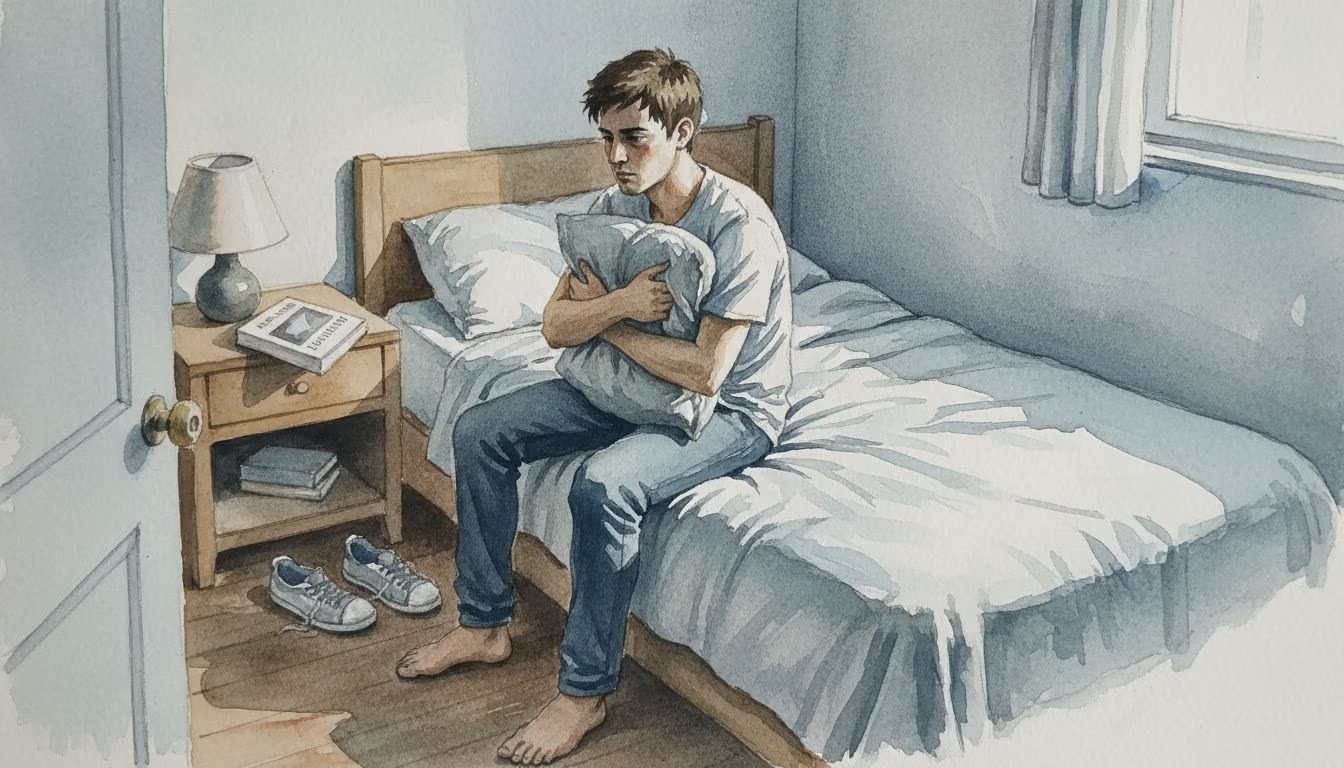
Create space for feeling by setting aside time when you’re not required to function or perform. This might mean taking a day off work, asking your partner to handle childcare for a few hours, or simply closing your bedroom door and allowing yourself to feel without interruption. During this time, let whatever emotions arise come up without judgment or attempts to control them. Cry if you need to cry. Rage if you need to rage. Curl up in bed if that’s what your body needs.
Journal about your pain in specific, honest terms. Write about what you’re feeling, what you’ve lost, what you’re afraid of, and what this betrayal has cost you. Don’t censor yourself or write for an audience. This is for you, to help you understand and acknowledge your own experience. You might write letters you never send-to your partner, to the affair partner, to yourself before the betrayal, or even to the pain itself.
Speak your pain aloud to someone who can hold space for it without trying to fix it or minimize it. This might be a therapist, a trusted friend, a support group, or even speaking aloud to yourself. There’s something powerful about hearing yourself name your pain out loud that makes it more real and more acknowledged than keeping it internal.
Allow your body to express pain through physical release. This might mean intense exercise, screaming into a pillow, breaking dishes in a safe way, or engaging in activities that allow your body to discharge the trauma energy it’s holding. Physical expression of pain is valid and important, particularly for people who have difficulty accessing emotions verbally.
Validate your own pain by talking to yourself the way you would talk to a dear friend going through the same thing. Instead of “I should be over this by now” or “I’m being too sensitive,” try “Of course you’re devastated,this is one of the worst things that can happen in a relationship” or “Your pain makes complete sense given what you’ve been through.”
Track your pain without judgment. Notice when it’s most intense, what triggers it, how it manifests in your body, and how it changes over time. This isn’t about analyzing it away, but about understanding it as information. You might notice that your pain is worst in the mornings, or that certain locations trigger it, or that it comes in waves rather than being constant. This awareness helps you prepare for and navigate difficult moments.
Resist the urge to compare your pain to others’ experiences. Your pain is valid whether your partner had a one-night stand or a years-long affair, whether they confessed or you discovered it, whether you’re married or dating. Don’t minimize your experience because you think others have it worse. Pain is not a competition, and your suffering deserves recognition regardless of the specific circumstances.
What Happens After You Recognize Your Pain?
Recognizing your pain is not the end of the healing journe-it’s the beginning. But it’s an essential beginning that makes everything else possible. Once you’ve truly acknowledged the depth and reality of your pain, several things can begin to happen.
- Clarity emerges. When you’re no longer using energy to deny or suppress your pain, you can think more clearly about what you need and want. You can assess your relationship more honestly. You can make decisions from a place of truth rather than avoidance.
- Genuine healing becomes possible. You can’t heal a wound you won’t acknowledge. Once you’ve recognized your pain, you can begin the real work of processing trauma, rebuilding trust (if that’s your choice), and creating a new sense of safety and self.
- Authentic connection with others deepens. When you’re honest about your pain, people who truly care about you can show up for you in meaningful ways. You also discover who in your life is capable of holding space for your pain and who isn’t, which is valuable information.
- Self-compassion grows. Recognizing your pain often leads to greater kindness toward yourself. When you acknowledge how much you’re hurting, you naturally become more patient with your healing timeline and more gentle with yourself on difficult days.
- Your pain begins to transform. This doesn’t mean it disappears, but it changes. Acknowledged pain that’s been processed becomes wisdom, strength, and deeper capacity for empathy and authenticity. Unacknowledged pain stays stuck and unchanged.
- You reclaim your power. There’s tremendous power in looking directly at your pain and saying “This is real. This happened. This hurts.” You’re no longer at the mercy of pain you’re trying to avoid. You’re facing it, which is the first step toward moving through it.
Moving Forward While Honoring Your Pain
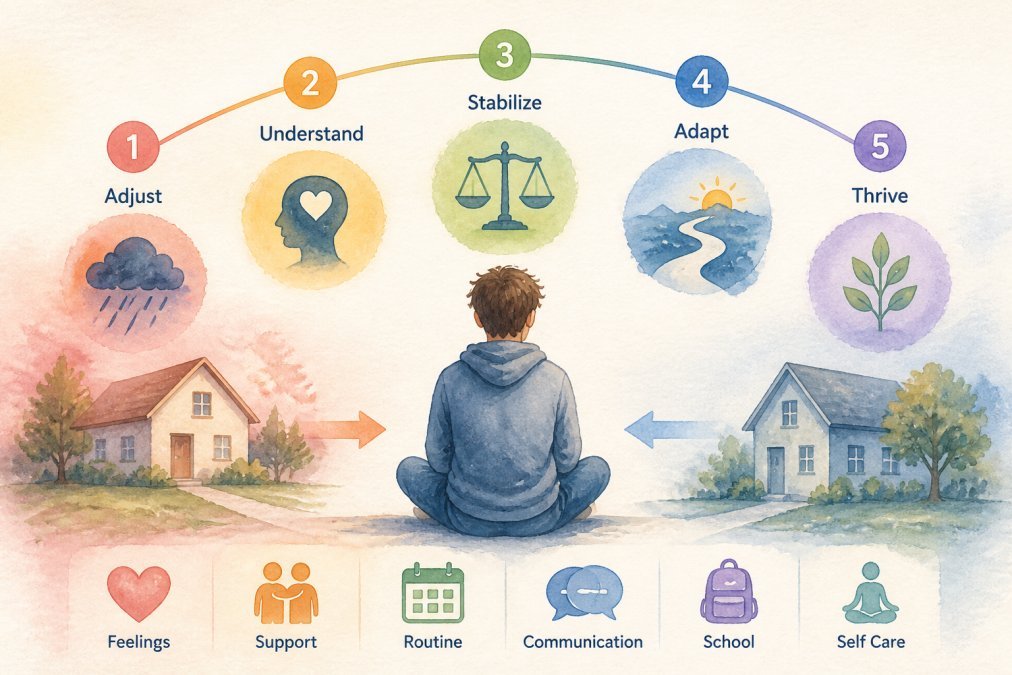
Recognizing your pain doesn’t mean you stay stuck in it forever. There’s a difference between acknowledging pain and dwelling in it, between honoring your hurt and defining yourself by it. As you move forward in your healing journey, you’ll find a balance between recognizing pain when it arises and also engaging with life, hope, and the possibility of healing.
Some days, recognizing your pain will be the most important work you do. Other days, you’ll notice the pain is there, acknowledge it, and then choose to focus on other aspects of your life and healing. Both are valid. The key is that you’re no longer pretending the pain doesn’t exist or judging yourself for experiencing it.
Your pain is a teacher, a guide, and a testament to the depth of your capacity to love and trust. Recognizing it doesn’t make you weak,it makes you honest, brave, and ready to truly heal. It’s the first step on a difficult journey, but it’s a step that makes all the others possible.
You don’t have to be “over it” to start healing. You just have to be willing to look at your pain, acknowledge it, and say “This is real, and I’m going to honor it as I move forward.” That recognition, that honesty, that courage,that’s where healing begins.
FAQ: Recognizing the Pain of an Affair
a Step Toward Overcoming Infidelity
In our work with thousands of people recovering from infidelity, we’ve found that those who take the time to fully acknowledge their pain in the early stages actually heal more completely and more quickly than those who try to rush past it. They’re less likely to experience delayed reactions, more able to trust again, and better equipped to build genuinely healthy relationships—whether with their current partner or someone new.
Your Only Job Right Now
If you’re in the early days or weeks after discovering an affair, your only job is to survive. And surviving begins with acknowledging the truth of your experience.
You don’t have to decide whether to stay or go. You don’t have to forgive. You don’t have to understand why it happened or what it means for your future. You don’t even have to “heal.”
Right now, you just have to acknowledge: This happened. It hurts. And that’s okay.
That acknowledgment to recognizing the pain of an affair, simple as it sounds, is the first step on a journey to overcoming infidelity that will eventually lead you to a place of greater strength, wisdom, and wholeness than you can imagine right now.
But it starts here. With the truth. With your pain. With the courage to look at what is, rather than what you wish it could be.