It’s Not Just in Your Head: The Physical Reality of Betrayal Trauma
If you are a betrayed partner, you are experiencing more than just emotional pain—you are experiencing physical trauma. The tight knot in your stomach, the sudden sweats, the chest pressure, the chronic exhaustion, or the feeling of panic when your phone buzzes.
This is your nervous system, flooded with stress hormones, cycling through the fight, flight, or freeze response. Your body is reacting as if you are in physical danger because, on a deep level, your safety, security, and reality have been threatened.
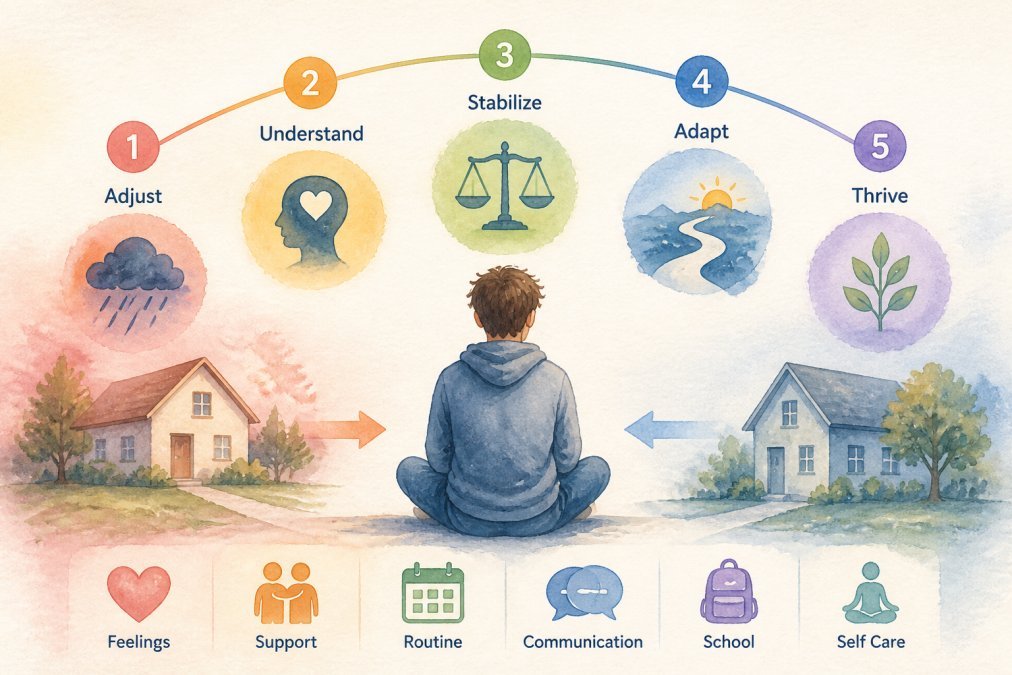
In the first six months after discovery, your absolute priority must be stabilization. You cannot effectively process the emotional pain, make big decisions, or communicate clearly until you quiet the chaos in your body. Below is a 3-step guide, based on trauma-informed stabilization, to help you take immediate control.
Step 1: Use Sensory Anchoring to Ground Your Nervous System
The physical symptoms of trauma arise when your mind is disconnected from the present, fixated on the past pain or future anxieties. To stop this cycle, you must anchor your awareness firmly in the “here and now.”
Action: The Sensory 5-4-3-2-1 Technique
When you feel a physical symptom: a racing heart, shortness of breath, or a tremor, stop everything and engage your senses:
- 5 Things You Can See: Name five objects around you (e.g., “The blue cup,” “The crack in the wall,” “My worn slipper”)
- 4 Things You Can Feel: Touch four things and focus on their texture (e.g., “The cool glass,” “The rough weave of the blanket,” “The weight of my feet”).
- 3 Things You Can Hear: Identify three distinct sounds (e.g., “A distant car,” “The fan humming,” “My own breathing”).
- 2 Things You Can Smell: Identify two smells (e.g., “The coffee in my mug,” “The fresh air”).
- 1 Thing You Can Taste: Focus on a flavor in your mouth (e.g., mint, water, lingering coffee).
This exercise is a scientifically proven way to interrupt the trauma cycle, forcing your parasympathetic nervous system (the “rest and digest” system) to regain control.
Step 2: Micro-Movement Interventions to Release Trapped Energy
The adrenaline and cortisol pumping through your body are designed to help you run from a predator. Since you can’t run from the pain, those chemicals get trapped, fueling anxiety and restless exhaustion.
Action: Just Five Minutes of Physical Release
You don’t need a heavy workout; you need to physically signal to your body that the danger is over. When a panic wave or physical symptom hits:
- The Adrenaline Shake: Stand up, shake your hands vigorously for one minute, and let your legs and shoulders tremble slightly. This is an organic way to discharge excess tension.
- Focused Walking: Walk briskly for five minutes, focusing intensely on the sensation of your feet hitting the ground. The rhythmic, bilateral movement helps calm the brain.
- Safe Pressure: Apply gentle, deep pressure to your palms or forearms. Deep touch can be incredibly soothing for a panicked nervous system.
Don’t Let Trauma Hijack Your Recovery.
You must stabilize before you can start to rebuild. The techniques above are essential, but they are just the first page of the recovery map. To stop the physical and emotional cycling that is derailing your life, you need a full, stage-based plan.
The After the Affair Series: Book 1 is the compassionate survival guide designed specifically for this crisis phase (0–6 months). It is packed with comprehensive, trauma-informed tools to help you manage triggers, reclaim your sleep, and, crucially, understand which of the 7 Types of Affairs you are facing so your recovery is tailored to your unique wound. Take control of your healing today!
Step 3: Establish a Non-Negotiable
Self-Sanctuary
In the early months, you feel constantly vulnerable. This vulnerability is the core reason for hypervigilance and the inability to relax. You must create pockets of absolute, predictable safety.
Action: Schedule and Protect Your Boundaries
Recovery from betrayal trauma requires protected time, just like a physical injury
- The Media Firewall: Limit exposure to news, social media, and especially relationship content that may trigger you (unless it is from a supportive, professional source like this series). Your brain needs fewer inputs, not more.
- The Evening Ritual: Create a strict, non-negotiable hour before bed dedicated to calming activities: reading (not relationship books), quiet music, or a bath. The goal is to signal safety and lower cortisol levels before sleeping.
- Communicate Needs: If your partner is in the home, clearly communicate your need for space and quiet. For example: “I need 30 minutes of uninterrupted time in the living room for calming. Please respect this boundary.”
From Stabilization to Resolution: Your Next Step
By consistently applying these steps, you are doing the critical work of healing the body first. Once your nervous system is calmer and your mind is clearer, you can move out of crisis mode and begin the complex work of making long-term decisions.
The single most confusing and overwhelming question remains: Should I stay or should I leave? To answer that, you need a road map that guides you through the entire process- from stabilization to final clarity.
When you are ready for the bigger picture, read our comprehensive guide that defines the full, stage-based decision process: Should I Stay or Should I Leave After Cheating? The Definitive, Stage-Based Clarity Checklist