Why Your Recovery Plan Must Be Tailored
In the agonizing first months after discovery, the single biggest obstacle to recovery is the belief that “all cheating is the same.” This generalization is false, and it leads to generic, ineffective recovery efforts. Many books offer generic advice on “forgiveness” or “communication” that is tragically inadequate for deep, systemic betrayal.
An affair is a symptom, and the treatment must match the underlying disease. This is the core principle of the 7 Types of Affairs framework: an affair caused by a fleeting opportunity requires a fundamentally different strategy than one caused by a deep-seated behavioral pattern. If you are applying the wrong recovery plan, you are setting yourself up for failure and potential re-traumatization.
Not All Affairs Are Created Equal: The Power of Diagnosis
To illustrate this necessity of tailored recovery, we will conduct a deep comparative analysis of two dramatically different affair types: Serial Cheating and the Opportunistic Affair. Understanding this distinction is not about excusing the behavior; it is the first step toward creating a recovery plan that actually works, and it is the necessary diagnosis before you can even begin the Phase 1 stabilization or Phase 2 rebuilding process.
Type 1: The Opportunistic Affair (Situational Vulnerability)
The Opportunistic Affair (also sometimes called a “one-time” or “situational” affair) is typically a single, brief encounter that occurs when a specific set of circumstances and vulnerabilities align. The desire for the affair was not premeditated; it was an instance of poor coping, poor boundaries, or an impulsive decision during a moment of weakness or crisis.
Core Characteristics and Implications:
- Low Premeditation & Planning: There is usually no long-term emotional depth, no secret parallel life, and no complex deception. The actions were impulsive and quickly regretted (though regret does not negate the trauma).
- The Wound: A Breach of Situational Trust: The betrayal is focused on the breach of fidelity in that specific moment. The betrayed partner mourns the fact that their partner chose temptation over their values and commitments at a crucial juncture.
- Betrayal Trauma Focus: The trauma is acute and focused on the physical act, the breach of bodily trust, and the painful knowledge of the event. However, it is often less complex than emotional or serial betrayal because the relationship’s shared reality was not systematically undermined over a long period.
- Assessing Viability: Reconciliation viability is often higher, provided the wayward partner takes immediate, total accountability. The primary focus of recovery is on reinforcing boundaries, identifying the exact situational and internal vulnerabilities that led to the lapse, and preventing those conditions from recurring. The couple needs to focus on forgiveness for a single lapse once safety is re-established.
Recovery Plan Necessity:
- Transparency: Focused on the single event and ensuring the affair partner is permanently eliminated from their environment.
- Partner Work: Focus is on boundary reinforcement and addressing the momentary emotional deficit or poor coping mechanism that led to the impulse.
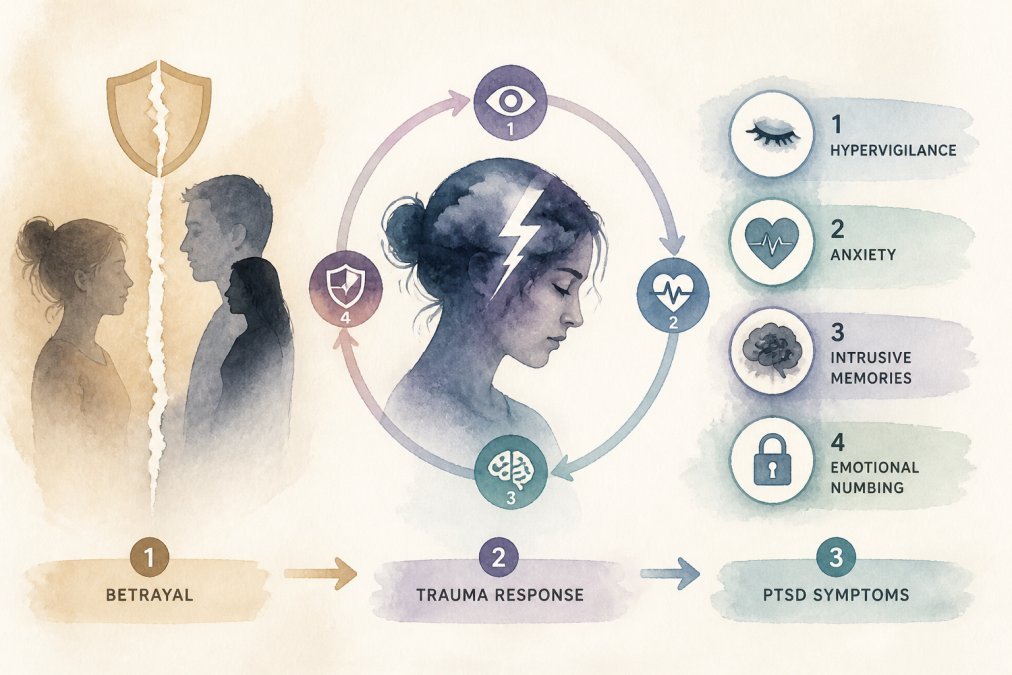
- Betrayed Partner Focus: Primarily on trauma stabilization (managing the intrusive images and shame) and the difficult, complex work of restoring physical intimacy after the sexual violation.

Type 2: Serial Cheating (Systemic/Behavioral)
Serial Cheating (also called Compulsive or Chronic Infidelity) is a pattern of repeated infidelity over time, often involving multiple partners or relationships. This is not a situational lapse; it is a systemic behavioral issue, often rooted in deep emotional deficits, attachment issues, or potentially a form of sexual or relational addiction.
Core Characteristics and Implications:
- High Premeditation & Deep Deception: The deception is chronic, requiring complex lies, manipulation, and systematic hiding of a parallel life. The wayward partner has developed an identity built on secrecy.
- The Wound: A Crisis of Core Character and Safety: The trauma is immense. The betrayed partner realizes their reality has been a systematic lie. It triggers profound questioning of the partner’s core character and their own judgment, leading to feelings of being “crazy” or gaslighted.
- Betrayal Trauma Focus: The trauma is focused on the long duration of the lie, the profound emotional gaslighting, and the knowledge that the partner has a chronic, unresolved behavioral issue.
- Assessing Viability: Reconciliation viability is extremely low unless the wayward partner commits to intensive, long-term therapeutic intervention (often specializing in addiction or compulsive behavior). The recovery plan must prioritize the wayward partner’s individual health and demonstrate years of sustainable change before reconciliation can even be considered.
Recovery Plan Necessity:
- Transparency: Must be total and permanent, often involving professional monitoring or accountability partners to manage the chronic nature of the deception.
- Partner Work: Focus is on intensive individual therapy to address the underlying behavioral issue, often separate from couples counseling initially. The wayward partner must demonstrate sustained behavioral modification.
- Betrayed Partner Focus: Primarily on boundary setting (often requiring temporary separation) and prioritizing self-reclamation before attempting to re-engage with the relationship. Their safety and mental health must be the top priority.
Moving from Diagnosis to Decision
Recognizing the distinction between these affair types is not about assigning blame; it’s about gaining the clarity needed for a sound decision. A lapse in judgment is fixable; a fundamental issue of character or addiction requires far greater, and often different, commitment.
Your work in the early stages is to stabilize your trauma and get this diagnosis right. Only then can you move on to the complex middle stage of rebuilding.
When you’re ready to structure your long-term assessment and make a grounded, confident decision, use our complete, stage-based roadmap
Understanding the true nature of the betrayal is the single most important step in creating a recovery plan that actually works. Use these questions to clarify your diagnosis and determine the right path forward.