The moment the truth of infidelity shatters your world, time stops. You are thrown into an immediate, profound crisis, and one question screams louder than all others: “How long will I feel this way?”
If you are the betrayed spouse, you are dealing with betrayal trauma, a real psychological wound that manifests as shock, physical sickness, intrusive thoughts, and a terrifying loss of self-trust1. You are not “going crazy”; you are having a normal response to an abnormal situation.
The painful truth is there is no single answer or magic timeline to instantly erase the pain. Healing after betrayal is not a race back to your “old self”; it is a transformative journey forward to a stronger, wiser, and more authentic self.
Based on years of guiding individuals through the aftermath of betrayal, we know that genuine, integrated healing requires intentional effort and typically takes 1 to 5 years for integrated, resilient growth.
Understanding this journey, its stages, its unique challenges, and the specific tools required for your particular type of betrayal is the first step toward reclaiming your life.
Part 1: Moving Beyond Survival:
The Three Phases of Your Healing
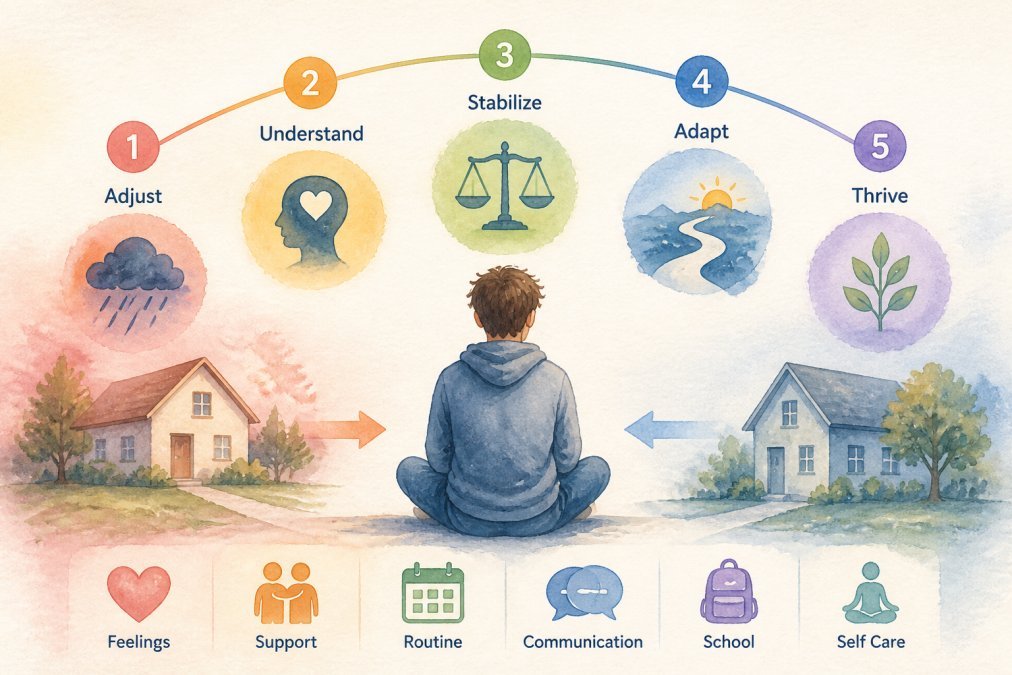
Your healing process must be approached in phases, ensuring you have the right tools for the right work at the right time.
Phase 1: Crisis and Stabilization (The First Six Months)
This is the phase of survival. Your sole job is triage: ensuring your physical and emotional safety. During this time, it is vital not to make permanent decisions about your relationship.
- Your Focus: Stabilizing your physical and mental health. This means basic self-care, such as drinking water, eating a small snack, and prioritizing sleep.
- The Critical Tool: Employ grounding techniques (such as the 5-4-3-2-1 method) to calm your nervous system, and use thought-stopping to manage emotional chaos and intrusive memories.
- The Crucial First Step: Identifying Your Unique Trauma. The trauma from an affair is fundamentally shaped by the type of infidelity you experienced.
Phase 2: Processing, Understanding, and Decision-Making (Months 6–18)
Once the initial shock subsides, your focus shifts to understanding what happened and deciding the future.
- The Quest for Truth: You move from asking about the “what” to understanding the “why” behind the affair. You must learn to stop the destructive questioning about unnecessary details and pivot to questions about commitment and change.
- The Core Work: Rebuilding Trust. Trust is rebuilt through your partner’s consistent, verifiable, daily actions. For the betrayed partner, this involves managing triggers and learning to communicate needs effectively and assertively.
- The Milestone: Making an Informed Decision. This is the time to make an informed, values-based decision about the future of your relationship (Stay and Rebuild, or Go and Start Fresh). This decision should be made from a place of strength and clarity, not fear or guilt.
Phase 3: Integration, Growth, and Thriving (Year 2 and Beyond)
This is the work of advanced recovery. You are no longer primarily defined by the betrayal. The focus moves from what was lost to who you are becoming.
- The Deepest Work: Integration, Not Suppression. This involves intentionally aligning your outer life with your inner truth and developing emotional resilience.
- The Ultimate Milestone: Cultivating Post-Traumatic Growth (PTG). This is where your life becomes more prosperous, more meaningful, and more resilient than it was before the betrayal. This growth often manifests as stronger boundaries, deeper empathy, and a profound appreciation for life.
- The “New Normal”: Establishing “Relationship 2.0” (if you stayed), built on conscious communication and intentional intimacy. If you left, this means trusting your own judgment and courageously opening your heart anew to find authentic love.
Part 2: The Core Challenge:
Why Tailored Healing Is Essential
The single biggest roadblock to healing is treating all affairs as the same. The trauma from an affair is fundamentally shaped by the type of infidelity you experienced.
| Affair Type | Core Trauma for the Betrayed Spouse | Essential Healing Focus |
| Emotional Affair | Feeling emotionally replaced. Trauma focuses on the theft of emotional intimacy and the special bond. | Rebuilding vulnerability and emotional intimacy. Establishing clear emotional boundaries. |
| Physical Affair | Physical violation Trauma centers on intrusive sexual images and the fear contamination. | Processing sexual trauma and rebuilding physical and sexual safety and intimacy gradually. |
| Online Affair | Reality distortion and fear of digital spaces. Feeling replaced by digital fantasies. | Establishing complete digital transparency. Creating real-world connections. |
| Serial Affair | Shattered reality and fundamental crisis of self-trust. Extensive gaslighting trauma. | Addressing the underlying psychological pattern and assessing the viability of change. |
| Revenge Affair | Double betrayal and intentional cruelty. Trauma centers on the loss of safety due to deliberate harm. | Breaking the cycle of retaliation. Developing healthy conflict resolution skills. |
| Opportunistic Affair | Shock and disillusionment. Trauma stems from a breach in judgment and the sense of random betrayal. | Building safeguards against future opportunities. Addressing character issues and poor impulse control. |
| Exit Affair | Double blow of betrayal and abandonment. Trauma centers on grieving the relationship’s end. | Accepting the relationship’s end. Focusing energy on individual healing and rebuilding the personal support system. |

Part 3: FAQ: How Long Does It Really Take
to Get Over Being Cheated On?
Healing is deeply personal, but setting realistic expectations grounded in the science of recovery is vital.
Part 4: Reclaiming Your Worth and Future
For the betrayed spouse, the deepest challenge is battling the Echoes of Unworthiness. You may ask: “Am I not enough?” or “What did I do wrong?” You must silence these echoes. Their betrayal reflects their choices, not a judgment on your value. Your worth is intrinsic, immutable, and absolutely untouched by someone else’s actions.
The road to recovery is long, but every intentional step is an act of courageous self-reclamation.
- Own Your Resilience: You survived something that felt unsurvivable and discovered reserves of strength you didn’t know you possessed. This is a real strength.
- Define Your Value: Your worth is not determined by your relationship status or your partner’s fidelity, but by your unique spirit and capacity for love.
- Find Hope in the Growth: The betrayal forces you to confront flaws, leading to a deeper, more resilient life. Remember, acceptance (acknowledging that the betrayal happened) is a form of liberation, even if forgiveness (letting go of resentment toward the partner) feels impossible.
Case Study: Sarah and Alex’s
Journey to “Relationship 2.0”
Sarah (42, Marketing Manager) and Alex (43, Software Engineer) had been married for 15 years with two children. In January, Sarah discovered Alex was having an Emotional Affair with a colleague, Maya. The affair had lasted eight months, involving daily, hours-long text exchanges, late-night phone calls, and Alex confiding all his professional and marital frustrations in Maya.
The Betrayal and Core Trauma
Sarah’s Core Trauma: She did not find physical evidence, but her trauma was rooted in feeling emotionally replaced. She was devastated that Alex shared their most intimate struggles and emotional energy with someone else, leading to a consuming fear that she was “not enough” and intense, intrusive thoughts about the depth of their emotional connection.
Phase 1: Crisis and Stabilization (The First 6 Weeks)
Upon discovery, Sarah immediately entered crisis mode, experiencing severe anxiety, sleeplessness, and difficulty focusing at work.
Initial Action: Alex immediately ended all contact with Maya. Sarah, advised by her therapist, avoided making any permanent decisions in the first 48 hours.
Stabilization: Sarah focused on basic self-care—forcing herself to eat small, nutritious meals and practicing grounding techniques (5-4-3-2-1 method) to manage panic attacks. She leaned on her sister as her primary support, keeping communication with Alex minimal and focused only on logistics.
Alex’s Response: Alex, though initially defensive (minimizing it as “just friendship”), recognized the depth of Sarah’s pain and agreed to complete digital transparency.
Phase 2: Processing, Rebuilding Trust, and Decision (Months 3–15)
Sarah and Alex committed to an 18-month trial separation, focusing on intensive recovery.
The Work of Truth: Sarah needed to understand the “why.” Alex, through individual therapy, identified that the affair was driven by an unmet need for appreciation and validation that he felt was missing from their relationship during a high-stress period. Sarah realized the marriage had grown distant, but Alex’s choice to betray her trust remained his responsibility.
Rebuilding Trust (The Slow Grind): Trust was rebuilt not through grand gestures, but through Alex’s consistent, verifiable, daily actions:
- He enrolled in individual therapy to address his conflict avoidance.
- He maintained complete transparency (shared passwords, kept the calendar open) for over a year.
- He began daily emotional check-ins, proactively turning to Sarah first to share his feelings
The Decision: By month 15, Sarah decided to stay. Her decision was based on the evidence: Alex had demonstrated sustained character change, genuine remorse, and a commitment to address the foundational issues that made the old relationship vulnerable. She accepted that the naive trust was gone, replaced by a conscious, earned trust.
Phase 3: Integration, Growth, and Thriving (Year 2–4)
In this advanced phase, the couple worked to ensure the affair became a scar of the past, not the headline of their present.
From Safety to Intimacy: They transitioned their focus from strict safety protocols (daily check-ins as obligations) to intentionally cultivating genuine intimacy (vulnerability and playfulness). They sought to reintroduce passion by cultivating separate interests and then coming back together, energized and seeing each other in a new light.
Managing Triggers: Sarah learned to meet occasional triggers (e.g., Alex being late, new work friends) not with panic, but with curiosity and a “Five-Minute Rule”—allowing the feeling to pass before choosing a calm, non-reactive response.
Post-Traumatic Growth (PTG): Both individuals experienced profound growth. Sarah emerged with stronger boundaries, a deeper sense of self-worth independent of the relationship, and a greater appreciation for life. They created a “Relationship 2.0” that was more honest, intentional, and resilient than the marriage they had before.
Conclusion: Sarah and Alex’s healing journey took over three years, transforming the crisis of an emotional affair into a catalyst for a stronger, more authentic partnership built on earned trust and conscious connection.