- Why You Need a Clear Parallel Parenting Plan After Infidelity
- 1. Begin With Firm, Predictable Schedules
- 2. Limit Communication to Written Channels
- 3. Define Decision-Making Responsibilities Clearly
- 4. Use Structured, Low-Contact Exchanges
- 5. Establish Household Boundaries
- 6. Include Rules for Conflict Resolution
- 7. Plan How to Communicate About the Child’s Needs
- 8. Revisit the Plan Every 3–6 Months
- 9. Protect Your Child From Adult Conflict Above All
- FAQ: Creating a Parallel Parenting Plan
Why You Need a Clear Parallel Parenting Plan
After Infidelity
When trust is broken, emotions are high, and communication is volatile, parents often attempt “co-parenting” too soon, and it backfires.
Arguments increase.
Communication becomes toxic.
Children sense stress instantly.
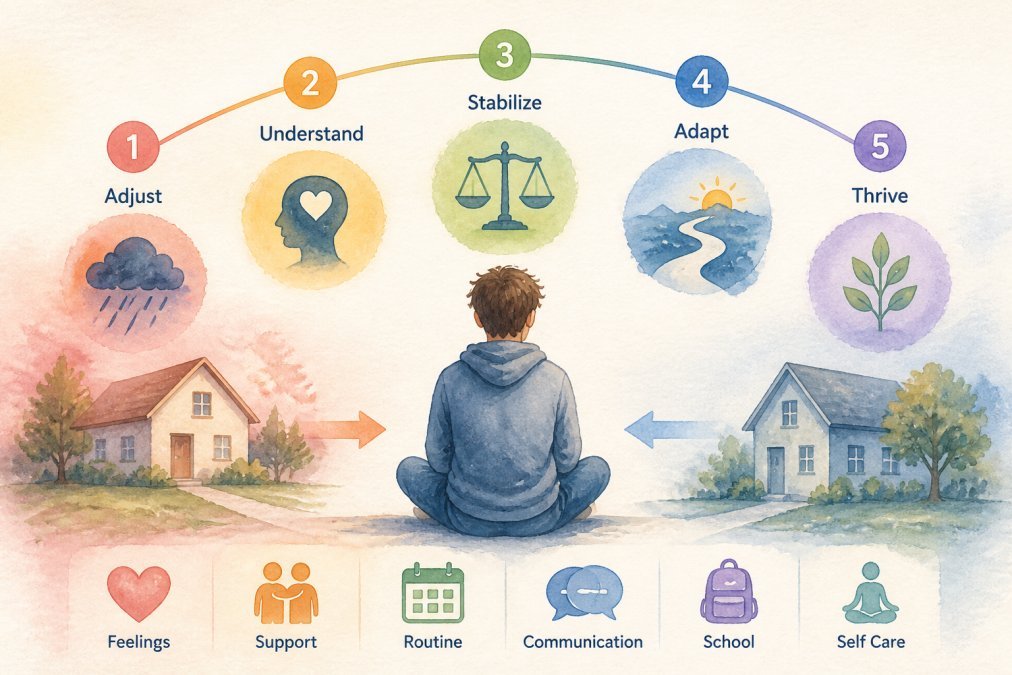
This is why your article is so important: parallel parenting isn’t a failure. It’s a protective system designed to:
- reduce conflict
- protect your child’s emotional wellbeing
- create clear expectations
- prevent miscommunication
- stabilize both homes
A good Parallel Parenting Plan is a roadmap that helps both parents operate with structure, clarity, and safety — even when emotions are raw.
Here is exactly how to build one.
1. Begin With Firm, Predictable Schedules
The foundation of parallel parenting is predictability.
Your schedule should clearly define:
- parenting days and times
- holiday and vacation rotation
- exchange procedures
- school drop-off and pickup responsibilities
- what happens if someone is late
Children feel safer when the routine is consistent, even if the homes are different.
Why it matters:
Unpredictable schedules increase child anxiety and tension between parents. Predictability = emotional stability.
2. Limit Communication to Written Channels
To reduce conflict, the plan should specify:
- no phone calls
- no emotional conversations
- no unexpected discussions at exchanges
Instead, use:
- text
- co-parenting apps like OurFamilyWizard or TalkingParents
Tone must be:
- neutral
- factual
- brief
- strictly about logistics
Example:
“Soccer practice ends at 5. I will pick him up at 5:15.”
No commentary.
No emotions.
No accusations.
3. Define Decision-Making Responsibilities Clearly
Parallel parenting works best when each parent handles decisions independently during their parenting time.
Your plan should clarify:
Day-to-Day Decisions:
Each parent decides:
- meals
- activities
- bedtime routines
- discipline in their home
- screen time
Major Decisions (shared):
These require written agreement:
- education
- major medical treatment
- therapy
- religious practices
- safety concerns
This prevents power struggles and micromanagement.
4. Use Structured, Low-Contact Exchanges
To prevent conflict, exchanges should be:
- curbside
- quick
- quiet
- without child witnessing tension
Or done through:
- school drop-offs
- neutral locations (if needed)
What to avoid:
- long conversations
- arguing in front of kids
- emotional reactions
- involving new partners during transitions (too early)
Smooth exchanges = safer emotional environment for children.
5. Establish Household Boundaries
Both homes need stability.
Decide on:
- how new partners are introduced
- photo or communication boundaries
- privacy around personal life
- technology rules
- safety expectations
These boundaries protect:
- your child
- your emotional health
- the parenting relationship’s stability
6. Include Rules for Conflict Resolution
Parallel parenting only works when conflict does NOT escalate.
Add rules like:
- no responding to emotional messages
- no rehashing the past
- 24-hour cool-down period for non-urgent issues
- use of “BIFF” communication (Brief, Informative, Friendly, Firm)
- using app time-stamps to prevent disputes
When in doubt: keep it short, factual, and calm.
7. Plan How to Communicate About the Child’s Needs
Even in parallel parenting, you still share responsibility for your child’s wellbeing.
Agree on updates for:
- medical appointments
- school concerns
- behavioral changes
- mental health issues
- emergencies
Communication should look like:
- bullet points
- short updates
- no emotional commentary
Example:“Therapist recommended checking in weekly about homework stress.”
Clear. Simple. Neutral.

8. Revisit the Plan Every 3–6 Months
Children grow. Situations change.
Communication may improve — or worsen.
Your plan should evolve with:
- improved emotional regulation
- decreasing conflict
- new routines
- therapy progress
- changes in school or schedule
- readiness for more collaboration
Parallel parenting is not meant to be frozen forever.
9. Protect Your Child From Adult Conflict Above All
The plan’s purpose is not to force cooperation.
It is to ensure your child:
- feels consistently safe
- does not witness fighting
- is not used as a messenger
- maintains secure attachment with both parents
- experiences emotional calm during transitions
Conflict hurts children more than living in separate homes ever will.
Parallel parenting protects them from emotional fallout.
FAQ: Creating a Parallel Parenting Plan