4 parenting styles for infidelity recovery success
Discover how authoritative, authoritarian, permissive, and uninvolved parenting styles impact your family’s infidelity recovery and children’s emotional resilience.

Discover how authoritative, authoritarian, permissive, and uninvolved parenting styles impact your family’s infidelity recovery and children’s emotional resilience.

Learn how to tell children about an affair with age-appropriate language, clear boundaries, and trauma-informed steps that protect their security.

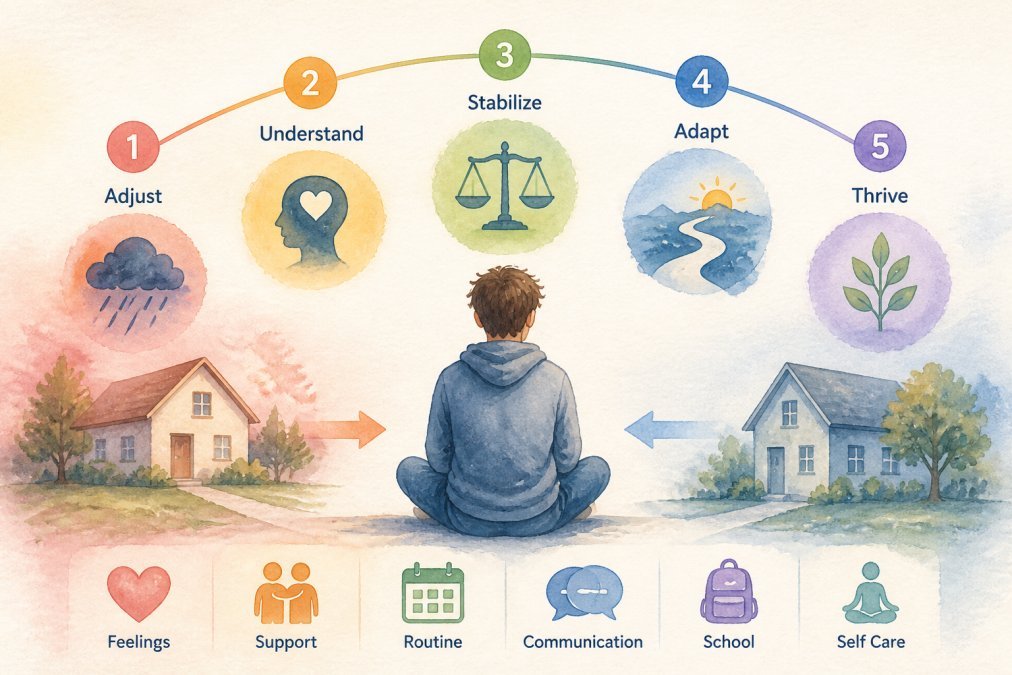
The Transition Doesn’t Start With a Schedule, It Starts With Emotional Safety Too many parents assume that when a parenting plan changes, they simply need to: But the truth is:

Infidelity Doesn’t Determine a Child’s Future,But Parental Response Does Infidelity is a rupture in the family system.But it is not automatically a childhood trauma. What matters is what happens after

Infidelity Doesn’t Just Hurt Emotionally, It Affects Development Children don’t simply “feel upset” when infidelity fractures the family system.They experience developmental turbulence in: Developmental delays and regressions are some of

Communication Is the Biggest Risk, and the Biggest Opportunity Parents often assume they are ready to co-parent because: But co-parenting breaks down not because parents disagree, but because communication becomes

Children sense emotional earthquakes even without knowing the details.They feel: Infidelity doesn’t only hurt partners — it restructures the emotional and developmental landscape a child grows up in. 1. Infidelity

Why Behavioral Red Flags Matter More Than Words Kids don’t sit down and say:“Mom, I’m stressed because the emotional foundation of our family broke.” They show it. Children communicate distress

Why Scripts Matter More Than Ever After Infidelity or a Major Parenting Shift Parents are often terrified of saying “the wrong thing.” And for good reason: Using the wrong explanation

Why Age Matters When a Family Is Rocked by Infidelity But how they absorb this shift—and how they express their distress, varies enormously depending on their developmental stage. From your
We use cookies to improve your experience on our site. By using our site, you consent to cookies.
Manage your cookie preferences below:
Essential cookies enable basic functions and are necessary for the proper function of the website.
You can find more information in our Cookie Policy and PRIVACY POLICY.