- 1. Infidelity Disrupts a Child’s Sense of Emotional Safety
- 2. Infidelity Impacts a Child’s Developing Brain
- 3. Infidelity Creates Development-Specific Emotional Reactions
- 4. Infidelity Can Trigger Attachment Wounds
- 5. It Affects Their Relationship With Each Parent Differently
- 6. Kids Internalize What Isn’t Explained
- 7. Children May Develop “Split Worlds”
- 8. Infidelity Can Influence Long-Term Relationship Beliefs
- 9. How Parents Can Reduce the Harm Immediately
- FAQ: How Infidelity Impacts Children
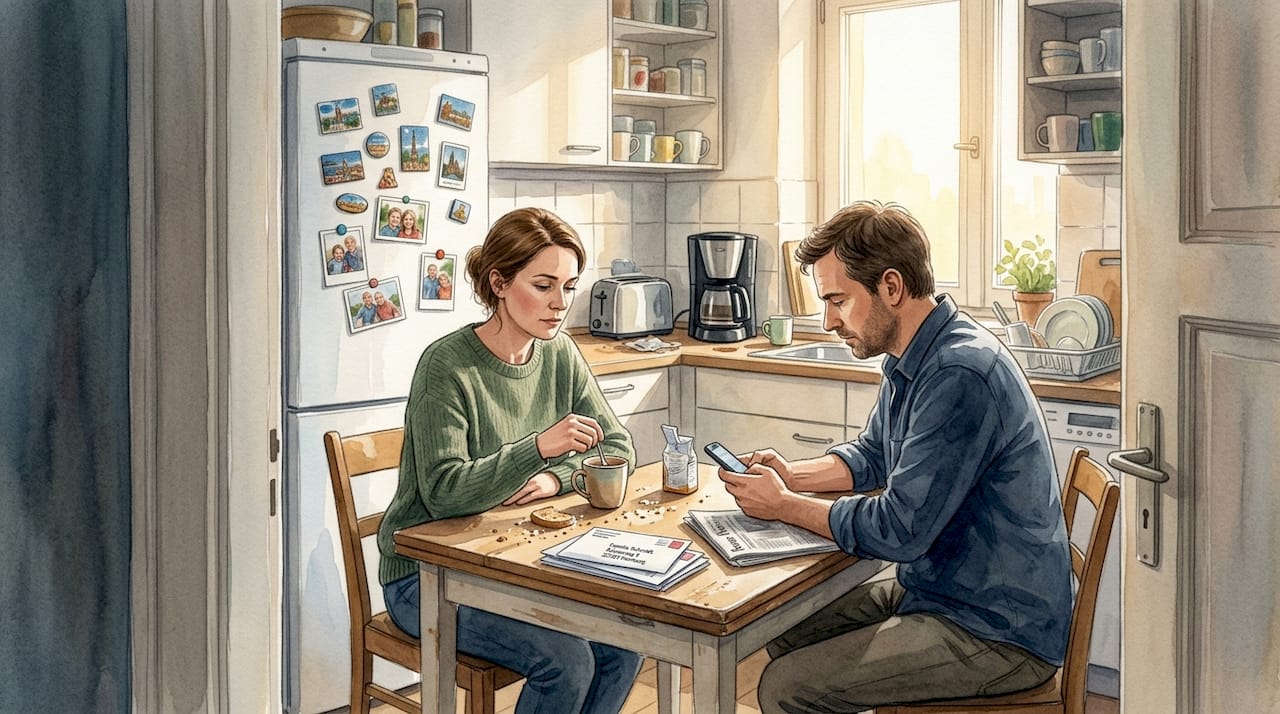
Children sense emotional earthquakes even without knowing the details.
They feel:
- the tension
- the emotional withdrawal
- the change in tone
- the disrupted routines
- the instability
- the shift in the family’s center of gravity
Infidelity doesn’t only hurt partners — it restructures the emotional and developmental landscape a child grows up in.
1. Infidelity Disrupts a Child’s Sense
of Emotional Safety
Children rely on the parental relationship as their internal model of safety.
When betrayal occurs, even if hidden from them, kids often sense:
- emotional tension
- changes in routines
- avoidance
- distancing
- arguments
- secrecy
- sudden variability
The American Psychological Association (APA) notes that children exposed to relationship instability often develop increased anxiety and fear of separation (apa.org).
How kids interpret instability:
- “Something bad is happening.”
- “Is this my fault?”
- “What will happen to me?”
- “Why does Mom feel so different?”
- “Why is Dad angry all the time?”
Their nervous system perceives threat — even without the story.
2. Infidelity Impacts a Child’s Developing Brain
Stress from family instability activates the child’s fight-or-flight system.
Long-term activation can affect:
- emotional self-regulation
- sleep
- concentration
- academic performance
- impulse control
- mood stability
The Child Mind Institute explains that ongoing stress at home increases cortisol levels in children, making it harder for them to regulate emotions and behavior (childmind.org).
Children may show:
- meltdowns
- irritability
- perfectionism
- somatic symptoms (tummy aches, headaches)
- regression
- withdrawal
These are not “bad behaviors.”
They are nervous system responses to emotional upheaval.
3. Infidelity Creates Development-Specific Emotional Reactions
Toddlers & Preschoolers
- clinginess
- fear of separation
- sleep disruption
- regression (baby talk, potty setbacks)
School-Age Children
- guilt (“I caused this”)
- loyalty conflicts
- people-pleasing
- academic decline
Teens
- anger
- judgment
- taking sides
- withdrawal
- risky behavior
- identity confusion
Every age interprets betrayal differently because the brain’s understanding of security changes over time.
4. Infidelity Can Trigger Attachment Wounds
Even if parents do not separate, the emotional rupture between them can create:
- insecurity
- distrust of relationships
- fear of abandonment
- difficulty expressing emotions
- challenges with vulnerability
Children look to parents as their relationship blueprint.
When the blueprint breaks, children may internalize:
- “Love disappears.”
- “People lie.”
- “You can’t trust the person you love.”
Without support, these beliefs can follow them into adulthood.
5. It Affects Their Relationship With Each
Parent Differently
With the betrayed parent:
Children often feel:
- protectiveness
- guilt
- pity
- anger on their behalf
- desire to comfort them
- responsibility for their emotions
With the unfaithful parent:
Children may feel:
- anger
- confusion
- withdrawal
- rejection
- distrust
Or…
Some children become closer to the unfaithful parent if that parent behaves more warmly or is less emotionally overwhelmed.
Infidelity reshapes the child’s emotional alliances, often unpredictably.
6. Kids Internalize What Isn’t Explained
Silence creates more damage than truth.
Children fill emotional gaps with:
- self-blame
- catastrophic thinking
- fear
- hypervigilance
- over-responsibility
Your article repeatedly stresses the importance of age-appropriate honesty:
Clear, calm explanations, without adult details, protect children from internalizing distorted narratives.
7. Children May Develop “Split Worlds”
When tension between parents becomes ongoing, even silent tension, children often build emotional “compartments”:
- one version of themselves with Mom
- another version with Dad
This leads to:
- emotional masking
- identity confusion
- hypervigilance
- suppressed feelings
- people-pleasing
Living in “two separate realities” can affect emotional authenticity long-term.

8. Infidelity Can Influence Long-Term
Relationship Beliefs
Without healing, children may develop:
- distrust of intimacy
- fear of commitment
- insecurity
- difficulty expressing vulnerability
- fear of abandonment
- normalization of betrayal
But with emotional support and stability, children also develop:
- resilience
- empathy
- strong moral frameworks
- excellent conflict boundaries
- emotional intelligence
The outcome depends on how parents respond, not on the infidelity itself.
9. How Parents Can Reduce the Harm Immediately
✔ Keep routines stable
Predictability = safety.
✔ Create calm exchanges
Even a moment of tension can imprint emotionally.
✔ Offer reassurance often
“You are safe.”
“You didn’t cause this.”
“You don’t have to fix anything.”
✔ Avoid oversharing
Truth without details.
✔ Protect the child from adult conflict
No yelling
No crying in front of them
No arguing at transitions
No using them as messengers
✔ Seek outside support if needed
Therapists, school counselors, pediatricians — early intervention helps.