- How to use questions after disclosure (so they help)
- Questions to ask after an affair disclosure (first: stabilize)
- Questions that clarify the timeline and reality (without drowning you)
- Questions about meaning (the “why” without excuses)
- Questions about accountability and repair
- Questions that protect your future self
- When not to ask more questions
- A final word on control, dignity, and pacing
Your partner has just disclosed an affair, and your brain is trying to do two jobs at once: grieve and investigate. That tension is brutal. Part of you wants every detail right now. Another part of you feels like one more sentence could send you into the floor.
The goal of the questions you ask after disclosure is not to satisfy pain-shopping or to “win” an argument. It is to stabilize your reality, protect your physical and emotional safety, and gather the minimum clear information you need to make good decisions over time. Clarity is a form of care, but so is pacing.
How to use questions after disclosure
(so they help)
Right after disclosure, your nervous system is often in threat mode. That means memory, concentration, and impulse control can all be impaired. If you try to do a full interrogation in that state, you can end up with conflicting answers and even more distress.
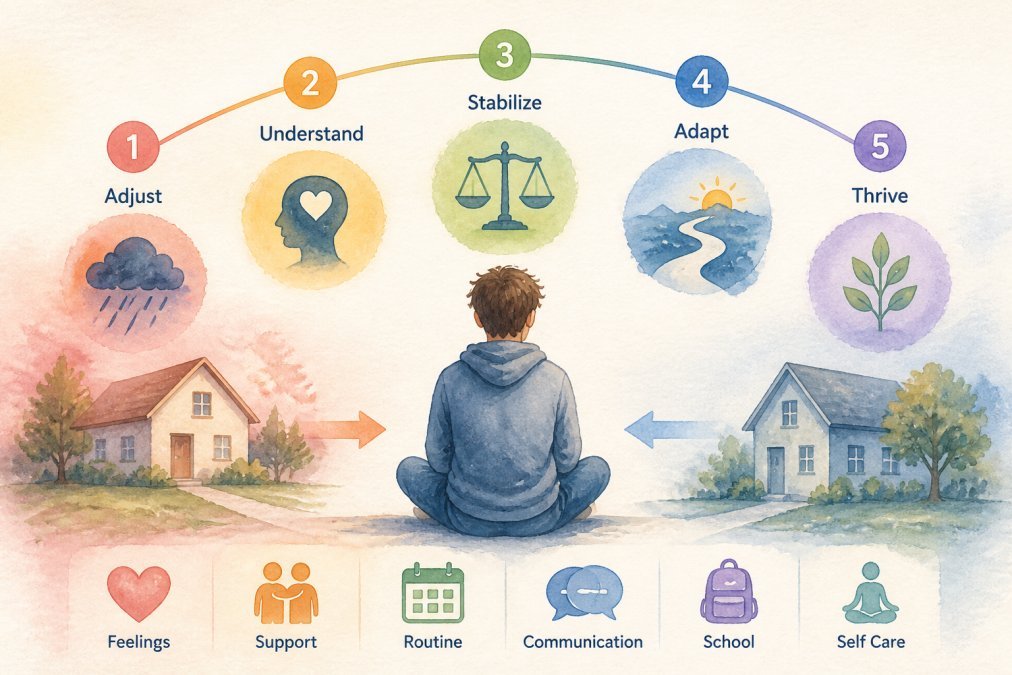
A safer approach is to treat your questions as staged.
In the first 72 hours, focus on safety, health, and whether the affair is truly over. In the first month, you can expand into meaning, patterns, and repair. Later, if you choose reconciliation, you can ask the deeper questions about attachment, boundaries, and long-term changes.
One more grounding point: it is completely valid to say, “I’m not ready to hear that yet.” You are allowed to control the timing and format of disclosure. A written timeline, a structured conversation with a therapist present, or shorter check-ins can be far less destabilizing than a single marathon talk.
Questions to ask after an affair disclosure (first: stabilize)
These questions are about immediate reality. They reduce the chaos and help you decide what needs to happen today, not forever.
Is the affair still active?
Ask directly: “Is it ongoing in any form – in person, online, texting, social media, email, work messages?” Many betrayed partners are told “It’s over” when contact is still happening in small, persistent ways that keep the attachment alive.
If your partner says it’s over, follow with: “When was the last contact?” and “What steps will you take today to end it in a way I can verify?” You are not asking for control. You are asking for basic conditions for recovery.
What type of affair are we dealing with?
Not all infidelity functions the same way. An opportunistic one-time event, a long emotional entanglement, a serial pattern, or an exit affair often require different boundaries and different recovery pacing.
You can ask: “Was this emotional, physical, online, or something else?” and “Was this a one-time choice, or part of a longer pattern?” If the answer is messy, that is information too. Confusion often signals minimization or avoidance.
What are the immediate health risks?
It may feel cold to talk about sexual health when you are in shock, but it is an act of self-protection.
Ask: “Did you have sexual contact? What kind? Was protection used every time?” and “Will you get a full STI panel now, and will you share the results?” If you have had sexual contact with your partner, you deserve to make informed decisions about your body. If they resist testing, treat that resistance as a serious data point.
What do you believe I need right now?
This question tests empathy without requiring your partner to perform. Ask: “What do you think this has done to me?” and “What are you willing to do in the next 24-72 hours to help me stabilize?”
A partner who can acknowledge impact, tolerate your anger, and move into concrete actions tends to be a safer candidate for repair than someone focused on defending intent.
Questions that clarify the timeline and reality (without drowning you)
Betrayal trauma often includes a specific feature: your past feels contaminated. People describe it as having their memories stolen or rewritten. A basic timeline helps the brain start integrating reality.
When did it start, and when did it end?
Ask for dates as best as they can provide: “When did the first boundary crossing happen?” “When did it become romantic or sexual?” “When was the most recent contact?”
If exact dates are uncertain, request an approximate timeline and a commitment to refine it. A common repair tool is a written disclosure timeline that is updated once, not constantly rewritten to fit the mood of the moment.
How was the affair hidden?
This isn’t about humiliating details. It’s about understanding risk to your life and household.
Ask: “What lies did you tell me to protect it?” “What devices/accounts were used?” “Did you spend shared money?” and “Did you involve friends, coworkers, or family as cover?” The purpose is to identify what needs to be secured: finances, digital privacy, schedules, childcare plans, and social boundaries.
What do you want me to believe about what I didn’t know?
This question gently surfaces gaslighting and minimization.
Ask: “When I asked questions in the past, did you deny it?” “Did you ever make me feel irrational for being suspicious?” If the answer is yes, you are not just dealing with an affair. You are dealing with a trust injury compounded by reality distortion. That changes what repair requires.
Questions about meaning
(the “why” without excuses)
Many people ask “Why?” and get answers like “I was stressed” or “We weren’t connecting.” Those statements might be context, but they are not causes. The useful “why” identifies the internal pathway that allowed betrayal: entitlement, avoidance, poor boundaries, conflict phobia, addiction-like coping, validation seeking, unresolved trauma, or a desire to exit without honesty.
What did the affair do for you that you weren’t getting elsewhere?
This can be asked without accepting blame: “What need or feeling were you chasing?” If your partner answers only with complaints about you or the relationship, redirect: “I’m asking about you. What did you choose instead of dealing with your feelings directly?”
What did you tell yourself to make it okay?
Affairs require a story. That story may be “I deserve this,” “This doesn’t count,” “I’ll stop before it matters,” or “My partner will never find out.”
Ask: “What was the narrative that let you cross the line?” Their answer reveals whether they understand their own risk factors or are still protecting them.
What boundaries failed, specifically?
This question moves the conversation from shame to prevention.
Ask: “Where did you first notice attraction or secrecy?” “What was the first dishonest moment?” and “What could you have done at that point instead?” If your partner can identify the earliest boundary failure, they are less likely to repeat it.
Questions about accountability and repair
If reconciliation is even a possibility, you will need more than remorse. You will need demonstrated accountability over time.
What are you willing to do that costs you something?
Repair requires inconvenience: transparency, reduced privacy, uncomfortable conversations, and sometimes job or social changes.
Ask: “What concrete steps will you take to rebuild safety?” and “Which of those steps will you do even if I’m angry for months?” Watch for bargaining, timeline pressure, or “I already said sorry.” Those usually indicate a partner who wants relief, not repair.

How will you handle triggers and my questions?
You will have triggers. That is not a character flaw. Ask: “When I get activated, will you stay present?” and “How will you respond when I need to revisit this?” A repairing partner learns to respond with steadiness: validation, short answers, and follow-through, not defensiveness or punishment.
What does transparency look like for us right now?
Transparency is not meant to be permanent surveillance, but early on it often functions like a cast on a broken bone.
Ask: “Are you willing to share passwords, devices, and location for a period of time?” and “What will you do if the affair partner contacts you?” If your partner wants reconciliation but refuses basic transparency, you may be asked to rebuild trust with no evidence. That is not a fair ask.
Questions that protect your future self
You may not know whether you will stay or leave. Either way, you deserve to make choices from a stable base, not from panic.
What else don’t I know?
This is one of the hardest questions, because it forces a fork in the road.
Ask: “Is there anything else that would matter to my decisions about my health, my consent, or my life?” and “If I find out later, what will that mean for us?” Full truth early is painful, but trickle truth is often more damaging than the original affair.
What are you prepared to do if I choose separation?
This question tests maturity and reduces fear.
Ask: “If I can’t stay, will you cooperate with a respectful process?” and “How will we handle housing, finances, and parenting without punishing each other?” A partner who becomes threatening or vindictive when you ask this is showing you a different kind of risk.
What would rebuilding actually require from both of us?
This is not the same as splitting blame. Rebuilding often includes relationship skills, but accountability for the affair remains with the one who chose it.
Ask: “What changes do you need to make internally?” and “What support will you seek so I’m not your only source of stability?” Individual therapy, group support, structured recovery work, and clear boundaries matter more than grand gestures.
If you want a structured, stage-based way to pace these conversations, the resources at Aftertheaffair.uk are built to help betrayed partners stabilize first, then decide, then rebuild or transform with dignity.
When not to ask more questions
There are moments when asking more will make you worse, not wiser. If you feel disoriented, nauseated, unable to sleep for days, or compelled to keep digging until you’re numb, your system may be in a trauma loop. In that state, detail can become a form of self-harm.
It can help to set a container: “We will talk for 30 minutes,” “I will ask three questions tonight,” or “We will do this with a counselor.” You can also separate categories: what you need for safety and consent versus what you want to know for emotional processing. Safety questions deserve priority.
A final word on control, dignity, and pacing
After an affair disclosure, it’s common to fear that if you don’t ask the perfect questions right now, you’ll lose your chance at truth. In reality, you are allowed to slow this down. You can ask for clarity in writing. You can pause a conversation the moment it turns defensive. You can decide that the next right step is sleep, food, and a medical appointment, not another hour of talk.
Your dignity is not measured by how much you can tolerate in one sitting. It’s measured by your willingness to protect yourself while you learn what is real, one steady question at a time.