- The decision is harder because it is not just about love
- Before you decide: stabilize the crisis window (first 4-8 weeks)
- Why the type of infidelity changes the decision
- The non-negotiables that make reconciliation even possible
- Signs you may need to leave (or at least stop trying right now)
- The questions that create clarity (months 2-6)
- A practical “pause and plan” decision method
- If you stay: what rebuilding actually demands
- If you leave: you still deserve a structured recovery
- Getting support
If you are asking yourself, “should i stay or leave after cheating,” it is usually because your brain is doing two jobs at once: trying to absorb a life-altering shock and trying to forecast the rest of your future.
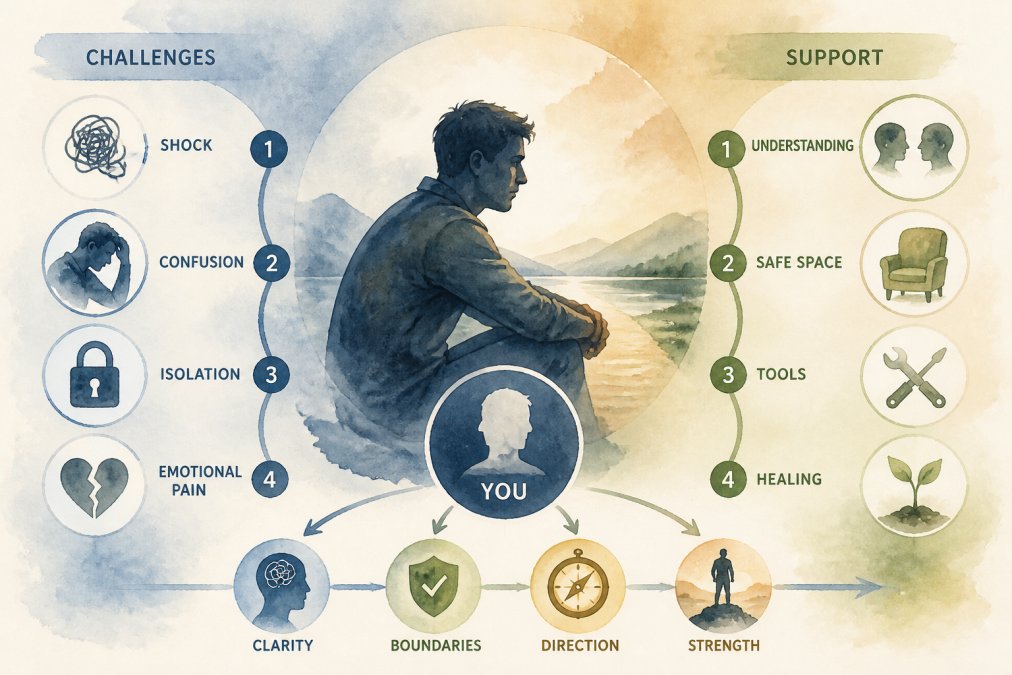
One moment you can picture rebuilding. The next, you cannot imagine ever feeling safe again. That swing is not a sign you are weak or indecisive. It is a predictable response to betrayal trauma, where your nervous system treats the relationship as both your attachment home and the source of danger.
The most stabilizing move is to stop treating this as a single decision you must make immediately. Instead, treat it as a staged process: first safety, then clarity, then commitment to a direction.
The decision is harder because it is not just about love
After infidelity, people often assume the decision is about whether you still love your partner. Love matters, but it is rarely the deciding factor.
What you are really assessing is whether the relationship can become emotionally and practically safe again, and whether your partner is capable of sustained repair. Meanwhile, you are also protecting your own dignity, health, finances, children, housing, and sense of reality.
Cheating fractures more than trust. It can fracture your confidence in your own perception: What else was I wrong about? Who is this person? Am I safe? That is why “just follow your heart” advice can feel insulting. Your heart is injured. Your body is on high alert.
Before you decide: stabilize the crisis window (first 4-8 weeks)
In the earliest phase, your job is not to “choose the right outcome.” Your job is to stop the bleeding.
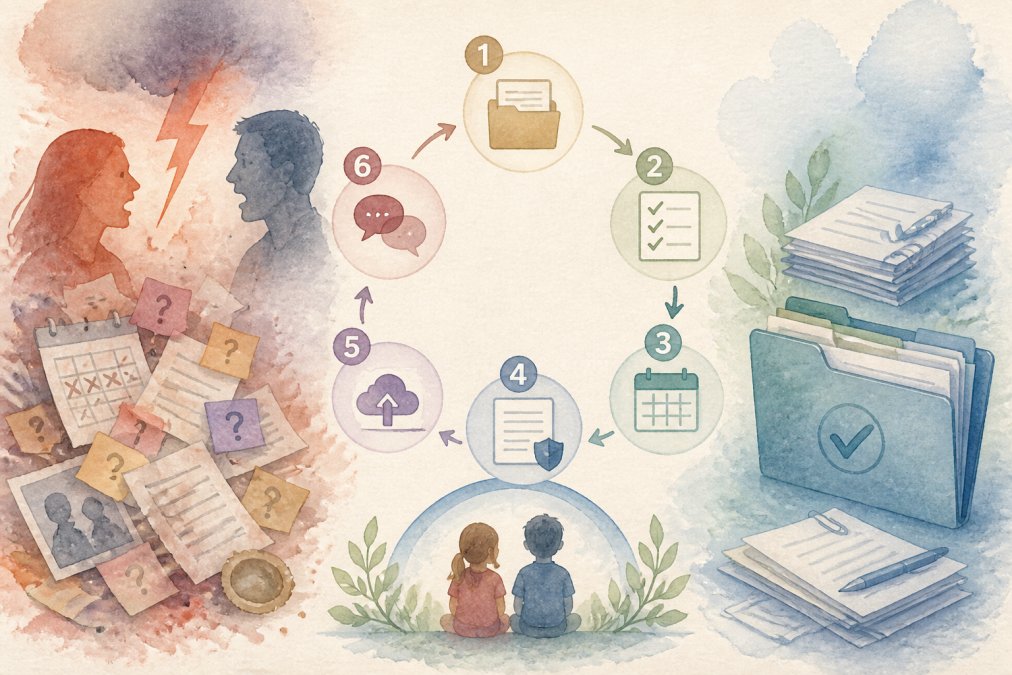
That usually means putting structure around contact, information, and daily functioning so your nervous system is not re-traumatized on repeat.
First, focus on immediate safety. If there is any risk of violence, intimidation, stalking behaviors, coercion, or suicidal threats used to control you, prioritize protection and professional support. Safety also includes sexual health – STD testing is not a moral statement, it is basic care.
Next, reduce exposure to chaos. Many betrayed partners feel pressured to keep talking until 2 a.m., re-reading messages, or replaying every detail. Some processing is necessary, but constant exposure can intensify intrusive thoughts and panic. Short, bounded conversations are often more productive than marathon interrogations.
Finally, get a temporary container for the relationship. Some couples do better with a short, defined in-home separation. Others need physical distance. The goal is not punishment. The goal is to create enough calm to think.
Why the type of infidelity changes the decision
Not all betrayal has the same meaning or the same repair requirements. An opportunistic one-time sexual event, a long-term emotional affair with daily secrecy, and a serial pattern with multiple partners are different injuries.
This matters because your “stay or leave” question is really two questions:
Can trust be rebuilt in this specific situation? And is this partner willing and able to do the work this specific situation requires?
For example, an online affair can carry intense attachment and compulsive behavior dynamics even without physical contact. A so-called “exit affair” may be less about impulse and more about a partner already leaving emotionally. Serial infidelity often requires a deeper look at entitlement, empathy deficits, or addiction patterns.
You do not need a perfect label to move forward. You do need to stop minimizing what happened or comparing it to someone else’s story. Your pain is data.
The non-negotiables that make reconciliation even possible
People sometimes attempt reconciliation without a repair foundation, and then conclude “rebuilding doesn’t work.” Often the problem is not that reconciliation is impossible – it is that the necessary conditions were never met.
If you are considering staying, there are a few baseline requirements.
1) The affair is over, with verifiable boundaries
“Over” means no private contact, no secret channels, no lingering emotional attachment, and no workplace loopholes that keep intimacy alive. If the third party is a coworker or close friend, “no contact” can require significant practical change.
If your partner argues for “friendship,” partial contact, or privacy you cannot reasonably accept yet, that is not reconciliation. That is continued risk.
2) Full accountability, not just regret
Regret often sounds like, “I hate that I got caught,” or “I hate what this has done to our lives.” Accountability sounds like, “I chose this, I harmed you, and I will do what repair requires for as long as it takes.”
You are listening for ownership without blame-shifting, minimizing, or pressuring you to “move on.”
3) Radical transparency for a defined season
Transparency is not about controlling your partner forever. It is about restoring reality.
In early repair, many couples agree to open device access, shared calendars, location sharing, and clear routines. Over time, as trust is earned, these can be reduced. The point is that secrecy created the injury, so consistent openness helps your body relearn safety.
4) Willingness to do structured work
Talking is not the same as rebuilding.
Repair usually requires: understanding why it happened, learning new boundaries, rebuilding empathy, tolerating your triggers without defensiveness, and creating a future plan that reduces risk. If your partner refuses counseling, refuses reading or exercises, or expects you to carry the whole recovery, you get an answer about their capacity.

Signs you may need to leave (or at least stop trying right now)
Leaving is not a failure. Sometimes it is the healthiest, most protective choice.
If you are deciding whether you can stay safely, pay attention to patterns rather than promises.
When infidelity is paired with ongoing deception, rage when questioned, gaslighting (“you’re crazy”), or repeated boundary violations, reconciliation becomes emotionally dangerous. If you find yourself shrinking, obsessing, or monitoring constantly because honesty is not stable, your nervous system is telling you something important.
Another major indicator is a lack of empathy. Many betrayed partners can tolerate a partner’s shame, tears, and confusion if there is genuine care for the harm done. But if your pain is treated as an inconvenience, or your questions are mocked, the relationship cannot become safe.
Finally, if the cheating is part of a broader pattern: chronic lying, compulsive sexual behavior without treatment, or a long history of betrayal across relationships, your decision often shifts from “Can we repair?” to “What will it cost me to keep hoping?”
The questions that create clarity (months 2-6)
Once the initial shock eases, clarity usually comes from asking better questions, not more questions.
Ask yourself: When I imagine staying, what am I actually afraid of – being alone, losing the family structure, financial instability, judgment, or missing the person I thought they were? Naming the fear reduces its power.
Then ask: What would I need to see over the next 90 days to feel even 10% safer? This keeps the decision measurable. You are not deciding forever. You are assessing evidence.
You can also ask: If my best friend told me this story, what would I want for them? Many betrayed partners show more compassion to others than to themselves.
And ask your partner directly: What are you doing to become a safer person, not just a sorry person? The answer should include actions, not speeches.
A practical “pause and plan” decision method
If you feel stuck, consider a time-limited decision container.
Choose a short window – often 8 to 12 weeks – where you do not force a final answer. During that window, you gather data under clear boundaries: no contact with the affair partner, transparency agreements, consistent therapy or structured recovery work, and regular check-ins that are time-limited and respectful.
At the end of the window, you reassess based on observable change: honesty, empathy, consistency, and your own nervous system response. Are you stabilizing, or are you deteriorating?
This method helps because betrayal often creates urgency. Urgency can push you into decisions that are more about stopping pain today than protecting your life long-term.
If you stay: what rebuilding actually demands
Reconciliation is not returning to the relationship you had. It is building a different one with different rules.
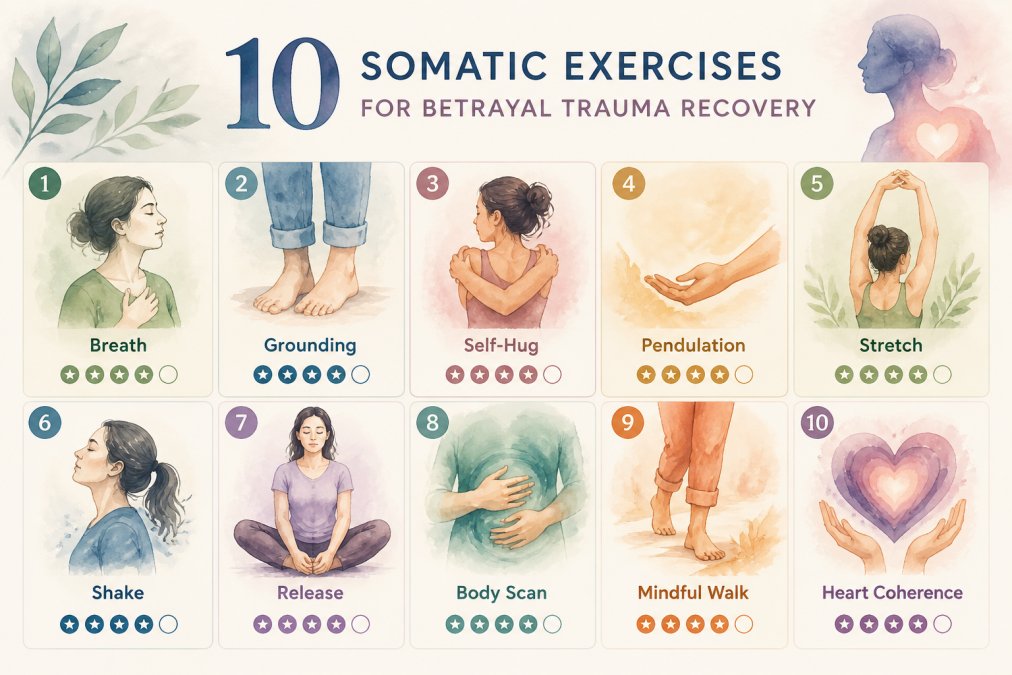
Expect triggers. Anniversaries, certain locations, phone notifications, or even calm periods can set off panic. The goal is not to eliminate triggers quickly. The goal is for your partner to respond with steadiness and care, and for you to learn tools that bring your body back to baseline.
Also expect grief. You are grieving the relationship you believed you were in. Many people feel embarrassed by grief, but it is one of the most honest signs that something precious was lost.
Over time, the couple needs a new integrity system: boundaries with others, clarity about secrecy, agreements about alcohol use or social media, and shared practices that protect connection.
If you leave: you still deserve a structured recovery
Separation does not instantly resolve betrayal trauma. In some ways, it can intensify it at first because the attachment bond is still active.
If you choose to leave, try to separate the practical from the emotional. Get clear on housing, finances, co-parenting communication, and legal guidance if needed. Structure reduces conflict, and conflict reopens the wound.
Emotionally, your task is to rebuild self-trust. That often means naming what you ignored, what you tolerated, and what you will not normalize again – without turning it into self-blame.
You can also build a new identity that is not defined by what happened. That takes time, and it is possible.
Getting support
The best support helps you think, not tells you what to do.
A trauma-informed therapist or counselor can help you track your nervous system, identify coercive patterns, and set boundaries that match your values. Carefully choose confidants who can hold complexity. If your support circle is only “leave immediately” or only “forgive and forget,” you may feel more isolated.
If you want a stage-based, type-specific roadmap that matches the reality that different affairs require different recovery strategies, Aftertheaffair.uk organizes healing tools around timelines and infidelity patterns so you are not trying to make a high-stakes decision in the dark.
If you are still torn, let this be enough for today: you do not have to decide your whole life while you are still in shock. Choose the next right boundary, watch what your partner does with it, and keep choosing what protects your dignity and your peace.