- What a betrayal trauma book needs to do first
- Why “type of infidelity” matters more than most books admit
- The three stages most readers move through (even if they do not want to)
- What to look for in a betrayal trauma book (and what to avoid)
- If you are staying, the book must address trust as behavior, not a feeling
- If you are leaving, the book should protect your dignity and nervous system
- When a workbook is better than a book
- How to use a betrayal trauma book without overwhelming yourself
- A structured option if you want a staged pathway
The moment you discover infidelity, your brain starts collecting evidence like it is trying to prevent the future by re-checking the past. You might read screenshots at 2 a.m., replay conversations from five years ago, or feel your stomach drop every time your partner picks up their phone. If you are looking for a betrayal trauma book, chances are you are not looking for “relationship tips.” You are looking for a way to stop the spinning, steady your body, and figure out what happens next without losing yourself.
A good book can do that. A mismatched one can leave you feeling worse – flooded with stories that do not fit your situation, pushed toward a decision you are not ready for, or given vague advice that sounds nice but fails at 3 a.m. This guide is here to help you choose a betrayal trauma book that actually supports recovery, whether you stay, separate, or you do not know yet.
What a betrayal trauma book needs to do first
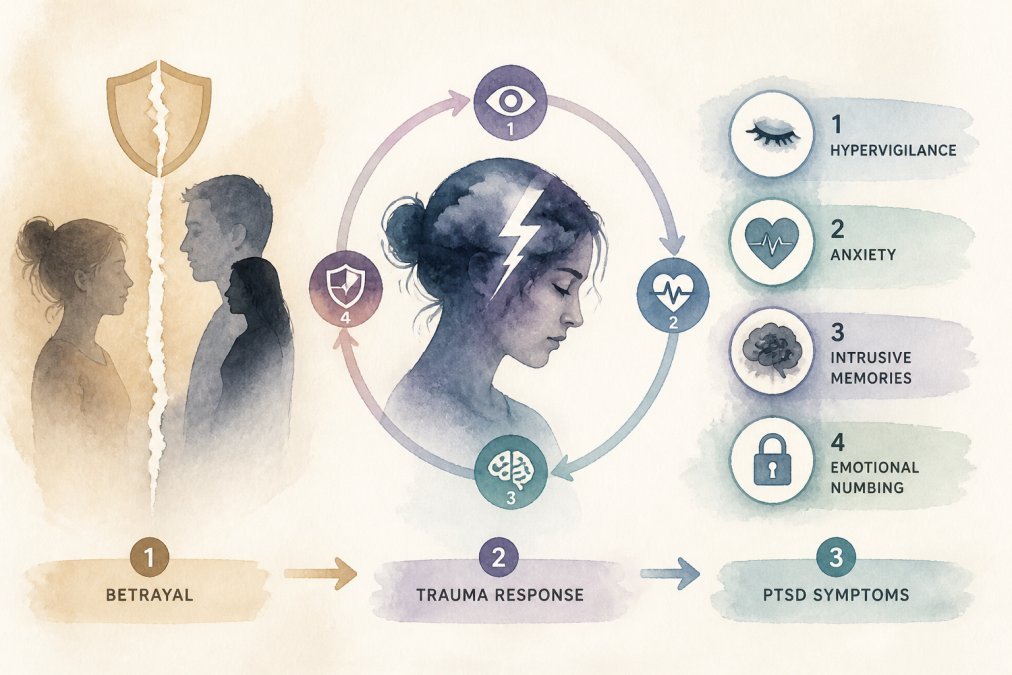
Early betrayal trauma is not primarily a “communication problem.” It is a safety problem. Your nervous system is scanning for danger, and your mind is trying to regain control. That is why the first job of a betrayal trauma book is stabilization.
You want a book that names common trauma responses without pathologizing you: hypervigilance, intrusive images, waves of rage, numbness, appetite changes, and that unsettling sense that you cannot trust your own judgment. If the book treats these as overreactions or frames your pain as “insecurity,” it will likely feel invalidating and may even increase self-blame.
A strong book also helps you organize the chaos into immediate priorities. In the first weeks and months, you usually need three things: emotional first aid, clear boundaries, and reality-based information gathering (not obsessive checking that keeps you stuck). Many books skip this and rush to forgiveness or couple communication. Forgiveness can be meaningful later, but pushing it too early can feel like being asked to pretend you are okay so the relationship can return to normal.
Why “type of infidelity” matters more than most books admit
One reason betrayal recovery advice often falls flat is that it treats all affairs like the same event. They are not. An emotional affair that escalated online calls for different repair work than a long-term physical affair with double life behaviors. A serial pattern calls for different protections than a one-time opportunistic betrayal that happened in a specific context.
A useful betrayal trauma book helps you differentiate the situation you are in, because the “right next step” depends on the type, the duration, the degree of deception, and whether there is ongoing contact. If a book assumes the affair was a single incident and you are dealing with repeated betrayals, you may end up feeling like you are failing at recovery when you are actually responding normally to continued threat.
Look for language that allows for nuance: accountability plus complexity, compassion without excusing, and “it depends” guidance that changes based on behavior. Beware of any book that minimizes ongoing deception as a “mistake,” or that treats your need for transparency as controlling.
The three stages most readers move through (even if they do not want to)
Betrayal trauma recovery tends to be staged. You do not have to follow anyone’s exact timeline, but most people move through three broad phases.
Stage 1: Crisis and stabilization (often the first 0-6 months)
In this phase, your ability to make big life decisions may be compromised by shock and nervous system dysregulation. A betrayal trauma book should give you tools to sleep, eat, and function again, alongside practical guidance like how to ask for no-contact, what transparency can look like, and which conversations are helpful versus retraumatizing.
The best books include scripts or prompts for difficult discussions, because it is hard to find words when you are flooded. They also normalize “pause decisions” – creating enough stability to think clearly rather than forcing a stay-or-leave choice in the blast radius.
Stage 2: Meaning-making and decision work (often months 6-12)
Once the acute shock softens, the questions get sharper: What was real in our relationship? Why did this happen? What do I require if I stay? Can I respect myself if I go?
A strong book helps you evaluate patterns, not promises. It guides you through boundaries, consequences, and whether repair behaviors are consistent over time. If you are in couples therapy, this is where a book can keep you anchored between sessions, so you are not relying solely on memory during emotionally intense appointments.
Stage 3: Rebuilding identity and future (often after a year)
Whether you reconcile or separate, the later phase is about integration: rebuilding self-trust, re-establishing intimacy on new terms, and creating a life that is not organized around the betrayal. A good betrayal trauma book does not end at “communication skills.” It helps you develop a future identity – including values, boundaries, and a sense of personal power that is not dependent on your partner’s choices.
What to look for in a betrayal trauma book (and what to avoid)
You do not need a perfect book. You need the right fit for your current stage and your situation.
Look for a book that is trauma-informed without being abstract. Trauma-informed means it respects your nervous system, avoids pressuring you into premature forgiveness, and understands triggers and retraumatization. But it should also be practical. The most helpful books translate concepts into actions you can take on a Tuesday afternoon when you are barely holding it together.
Exercises matter. Reflection questions are helpful, but you also want tools that change your day-to-day experience: grounding practices, boundary planning, scripts for disclosure conversations, and methods for managing intrusive thoughts. If you read a chapter and feel temporarily comforted but have no idea what to do next, the book may be more inspirational than usable.
Also pay attention to the stance on accountability. A betrayal trauma book should center the betrayed partner’s reality without turning the unfaithful partner into a cartoon villain. That balance matters if you are considering reconciliation, because you need a pathway that requires genuine repair: honesty, empathy, consistency, and willingness to tolerate your pain without defensiveness.
What to avoid? Books that:
- Blame you for the betrayal by implying you “drove” your partner to cheat.
- Pressure you to stay for the family, religion, or image.
- Promise fast closure if you follow a simple mindset shift.
- Treat checking your partner’s phone as the only recovery tool, instead of building real safety.
If you are staying, the book must address trust as behavior, not a feeling
Many couples trying to reconcile get stuck on the question, “How do I trust again?” Trust is not something you force yourself to feel. It is a conclusion you reach after enough consistent evidence.
A betrayal trauma book that supports reconciliation should outline what repair behaviors look like in plain terms. Transparency is one piece, but so is emotional accountability: your partner’s ability to answer questions without minimizing, to show empathy without making it about their shame, and to accept that healing is not linear.
It also helps if the book discusses how reconciliation can still be the right choice even when you are furious, and how separation can still be the right choice even when you love your partner. This is where trauma-informed guidance is quietly powerful: it makes room for contradictory truths.
If you are leaving, the book should protect your dignity and nervous system
Some betrayal trauma books assume the goal is reconciliation. If you are leaning toward separation, you need a book that treats leaving as a legitimate, self-respecting outcome, not a failure.
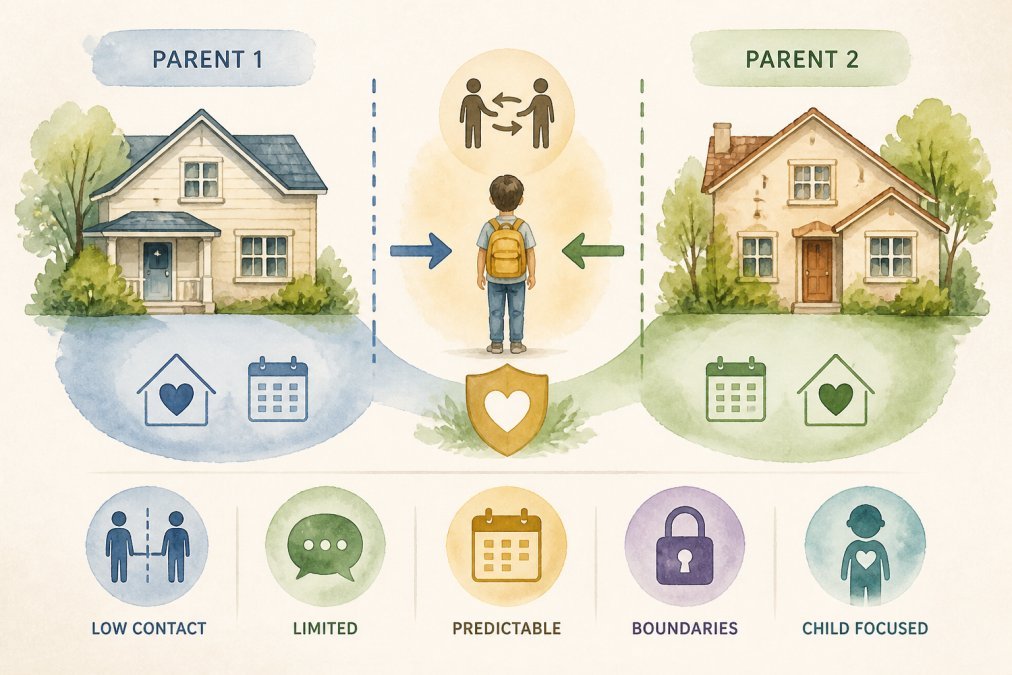
Practical support matters here too: how to set boundaries during separation, how to handle co-parenting communication, how to stop trauma-bond cycles, and how to rebuild identity after your life narrative changes. A helpful book does not hype empowerment. It helps you take the next doable step when grief and anger come in waves.
When a workbook is better than a book
If your mind is looping and you cannot retain what you read, a workbook format may serve you better right now. Trauma can reduce concentration and memory. That is not you being “dramatic.” It is your brain prioritizing threat detection.
Workbooks that include short prompts, check-ins, and structured exercises can create forward motion when long chapters feel impossible. They also help you track progress, which is important because betrayal recovery often feels like nothing is changing until you look back and realize you are sleeping more, reacting less intensely, or setting boundaries faster.
How to use a betrayal trauma book without overwhelming yourself
Reading can become another form of scanning – consuming information compulsively in an attempt to feel safe. If that is happening, it can help to set gentle structure.
Read in small doses, then do something regulating right after: a shower, a walk, breathing practice, or a grounding exercise. Highlight what applies to you and ignore the rest. And if a section spikes your anxiety, you are allowed to stop and come back later. Healing is not a test of endurance.
If you are working with a therapist, bring the book’s concepts into session. The best outcome is not “finishing the book.” The best outcome is using it to name what is happening in your body and relationship, then choosing actions aligned with your values.
A structured option if you want a staged pathway
If what you want is a clear timeline with type-specific guidance, the After the Affair series on Aftertheaffair.uk is designed as a stage-based pathway from the first six months of crisis through longer-term rebuilding and transformation, with practical exercises and a “types of infidelity” framework to match strategies to what actually happened.
Recovery is not about becoming unbothered by betrayal. It is about becoming grounded enough to make clean decisions, set durable boundaries, and trust yourself again – whatever your partner chooses to do next.