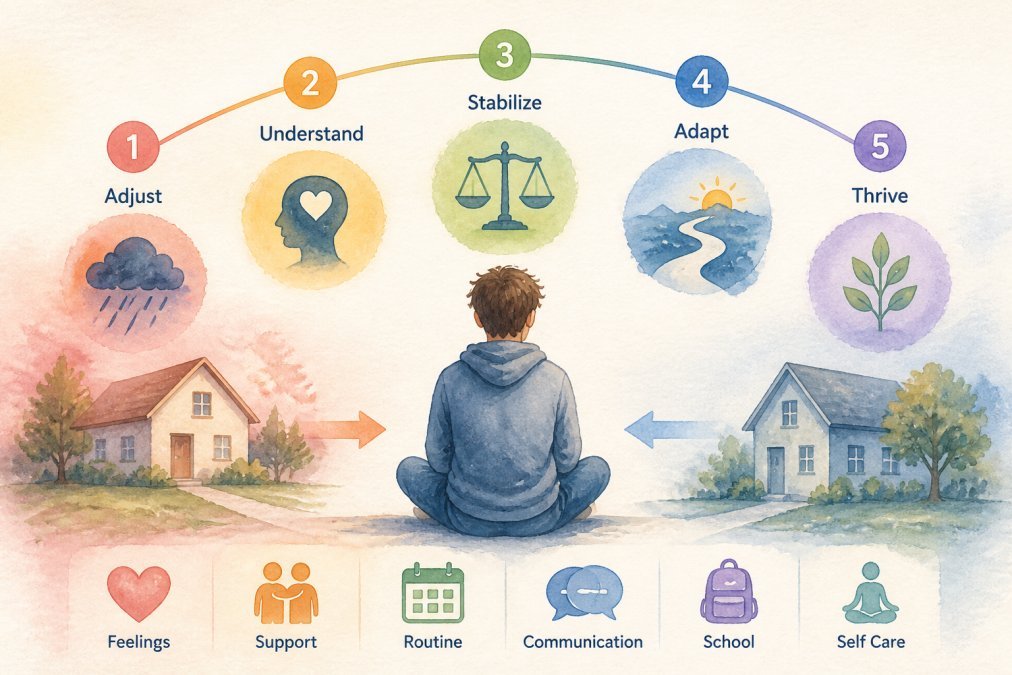
- Betrayal Trauma Defined And Common Misconceptions
- Stages Of Healing After Infidelity
- Emotional And Physical Effects Of Betrayal
- Trauma Responses And Recovery Timelines
- Factors That Influence Healing Speed
- Common Pitfalls And What To Avoid
- Take the Essential Step Toward Healing from Betrayal Trauma
- Frequently Asked Questions
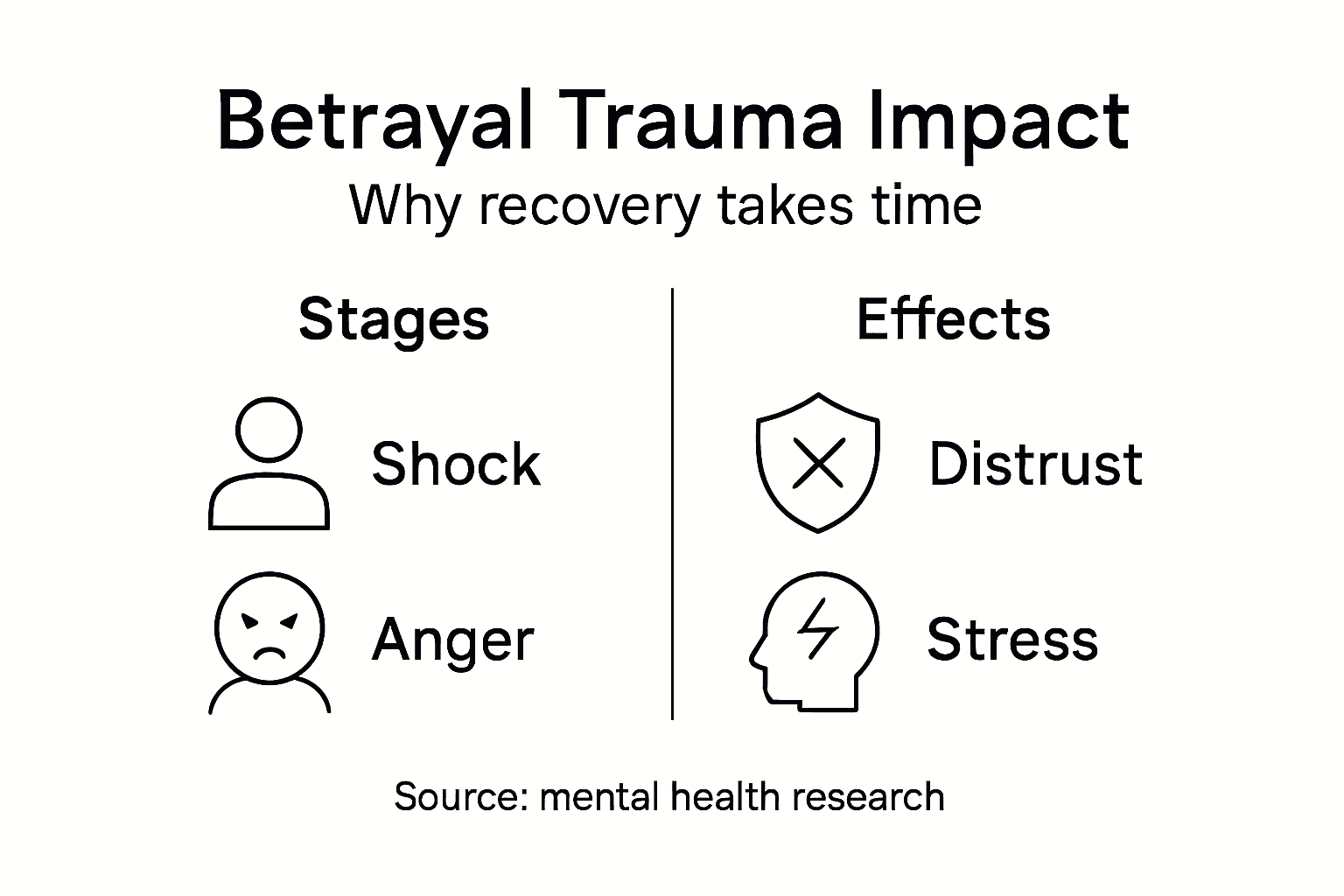
Discovering infidelity in a trusted relationship can feel like the ground has shifted beneath your feet. The emotional turmoil is intense, leaving many people in the United Kingdom feeling lost and unsure where to turn. Understanding betrayal trauma and the ways it uniquely disrupts trust is the first step toward real recovery. This guide offers clear explanations and structured support, helping you make sense of what you are experiencing and showing that meaningful healing is possible.Why Healing Takes Time After Betrayal Trauma
Key Takeaways
| Point | Details |
|---|---|
| Understanding Betrayal Trauma | Betrayal trauma is a profound psychological injury resulting from trust violations by trusted individuals, leading to complex emotional and physiological responses. |
| Non-linear Healing Process | Recovery from betrayal trauma is a unique, non-linear journey requiring patience, commitment, and professional support to navigate emotional complexities. |
| Impact on Well-being | The emotional and physical effects of betrayal trauma can manifest as anxiety, chronic stress, and impaired relationships, necessitating holistic healing approaches. |
| Avoiding Pitfalls | Survivors should be mindful of common recovery pitfalls, like self-blame and emotional suppression, to foster healthier coping strategies for personal growth. |
Betrayal Trauma Defined And Common Misconceptions
Betrayal trauma represents a profound psychological experience where trust is fundamentally shattered by someone critically important in an individual’s life. Psychological research on betrayal trauma reveals it as a unique form of emotional injury that goes far beyond typical trauma responses, creating deep and complex psychological impacts.
At its core, betrayal trauma occurs when someone who is emotionally or physically dependent on another person experiences a significant violation of trust. This could manifest through various scenarios such as infidelity, emotional abandonment, manipulation, or persistent deception. Unlike other trauma types, betrayal trauma is characterized by its interpersonal nature, where the very person meant to provide safety becomes the source of profound psychological harm.
Common misconceptions about betrayal trauma frequently underestimate its profound psychological consequences:
- Betrayal trauma is NOT simply feeling upset about a relationship problem
- The emotional impact extends far beyond the immediate incident
- Recovery is not a linear process and cannot be rushed
- Survivors often experience complex emotional and physiological responses
Research indicates that betrayal trauma can fundamentally alter an individual’s perception of safety, trust, and interpersonal relationships. Psychological attachment becomes disrupted, making future connections challenging. The trauma can trigger intense emotional responses, memory disturbances, and potentially long-term mental health challenges.
Understanding the differences between betrayal trauma and other interpersonal traumas helps clarify why recovery can be so complex:
| Characteristic | Betrayal Trauma | Other Interpersonal Traumas |
|---|---|---|
| Source of Harm | Trusted person or partner | Acquaintance, stranger, or group |
| Trust Impact | Profound trust disruption | May include trust issues, but less central |
| Emotional Response | Intense shock, grief, and confusion | Fear, anger, sometimes distrust |
| Recovery Needs | Specialized, relational healing | Broad therapeutic support |
| Attachment Disruption | Severe, long-lasting | Often less pronounced |
Pro tip: Recognize that healing from betrayal trauma is a personal journey that requires patience, professional support, and compassionate self-understanding.
Stages Of Healing After Infidelity
Healing from infidelity is a complex, nonlinear journey that requires patience, understanding, and intentional effort from both partners. Healing follows a nuanced seven-step process that gradually transforms the relationship’s emotional landscape, challenging couples to grow through profound interpersonal reconstruction.
The initial stages of healing typically involve intense emotional processing. This includes exploring raw feelings of betrayal, anger, and grief while creating space for honest communication. Survivors must navigate complex emotional terrain, acknowledging their pain without becoming permanently trapped in victimhood. The goal is progressive emotional integration, where painful experiences are processed rather than suppressed.
Key stages of healing typically include:
- Acknowledging the betrayal and its full emotional impact
- Experiencing and expressing intense emotional reactions
- Investigating the root causes of the infidelity
- Establishing boundaries and safety mechanisms
- Rebuilding trust through consistent accountability
- Developing mutual empathy and understanding
- Reimagining the relationship’s future potential
Psychological recovery demands that both partners approach healing with genuine commitment. The unfaithful partner must demonstrate consistent transparency, while the betrayed partner must remain open to potential reconciliation without compromising personal boundaries. This delicate balance requires professional guidance, emotional intelligence, and mutual respect.
Healing is not about forgetting, but about transforming pain into personal growth and relationship resilience.
Pro tip: Consider professional therapeutic support to navigate the complex emotional landscape of infidelity recovery, as objective guidance can provide crucial insights and structured healing strategies.
Emotional And Physical Effects Of Betrayal
Betrayal trauma creates profound and multifaceted impacts that extend far beyond emotional distress. Psychological research reveals complex trauma responses demonstrating how betrayal systematically disrupts an individual’s physiological and psychological equilibrium, triggering intricate mind-body reactions.
The emotional landscape of betrayal trauma is characterized by intense psychological turbulence. Survivors often experience overwhelming feelings of shock, anger, grief, and profound vulnerability. These emotional responses can manifest as anxiety, depression, and significant trust issues that fundamentally challenge an individual’s sense of safety and personal narrative.
Physiological effects of betrayal trauma include multiple interconnected symptoms:
- Chronic stress and elevated cortisol levels
- Sleep disruptions and insomnia
- Compromised immune system functioning
- Cardiovascular stress responses
- Persistent fatigue and exhaustion
- Digestive system irregularities
- Heightened startle response and hypervigilance
Nervous system dysregulation becomes a critical concern, as betrayal trauma can trigger persistent fight-or-flight responses. The body remains in a continuous state of alertness, creating a cascade of physiological adaptations that can lead to long-term health complications if left unaddressed.
Here’s a summary of how emotional and physical symptoms can intersect during betrayal trauma:
| Symptom Type | Common Manifestation | Long-Term Risk |
|---|---|---|
| Emotional | Anxiety and hypervigilance | Chronic depression or PTSD |
| Physical | Sleep disturbance and fatigue | Cardiovascular or autoimmune issues |
| Combined | Persistent alertness | Burnout and health decline |
Betrayal trauma transforms the body’s internal landscape, creating a complex interplay between emotional wounds and physical responses.
Pro tip: Prioritize holistic healing by integrating both psychological counseling and body-based therapies to address the comprehensive impacts of betrayal trauma.
Trauma Responses And Recovery Timelines
Trauma recovery is a deeply personal and complex journey that defies simplistic linear progression. Research demonstrates remarkable variability in healing timelines, revealing that each survivor’s path is uniquely shaped by individual psychological resilience, support systems, and therapeutic interventions.
Understanding trauma responses requires recognizing the nuanced ways individuals process and integrate profound emotional experiences. Some survivors might experience rapid initial healing, while others face prolonged recovery periods characterized by intricate emotional fluctuations. These variations are not indicators of weakness but reflect the sophisticated ways human beings adapt to profound psychological disruptions.
Key characteristics of trauma recovery pathways include:
- Non-linear healing progression
- Unpredictable emotional fluctuations
- Individualized recovery timeframes
- Varying intensity of psychological responses
- Importance of personalized therapeutic approaches
- Potential for post-traumatic growth
- Complex interactions between emotional and physiological healing
Psychological adaptation emerges as a critical factor in understanding recovery trajectories. The body and mind develop intricate coping mechanisms that can simultaneously protect and challenge the healing process. Depression, anxiety, and post-traumatic stress often interweave, creating a complex emotional landscape that requires nuanced, compassionate navigation.
Healing is not a destination, but a continuous journey of transformation and self-discovery.
Pro tip: Embrace professional therapeutic support that recognizes the unique, non-linear nature of your individual healing journey.

Factors That Influence Healing Speed
Healing from betrayal trauma involves a complex interplay of psychological, physiological, and environmental factors that uniquely shape each individual’s recovery journey. Psychological research reveals intricate healing mechanisms demonstrating that recovery is not a uniform process but a nuanced, personalized experience influenced by multiple interconnected variables.
Individual psychological characteristics play a pivotal role in determining healing trajectories. Emotional resilience, prior trauma history, attachment styles, and existing mental health conditions significantly impact an individual’s capacity to process and integrate traumatic experiences. Some survivors might demonstrate remarkable adaptability, while others require more extensive support and therapeutic interventions.
Key factors influencing healing speed include:
- Quality of social support systems
- Personal psychological resilience
- Access to professional therapeutic resources
- Pre-existing mental health conditions
- Individual stress management capabilities
- Commitment to personal healing work
- Physiological stress response patterns
- Emotional intelligence and self-awareness
Neurobiological adaptation emerges as a critical component in understanding recovery dynamics. The brain’s remarkable plasticity enables survivors to rewire neural pathways, gradually transforming traumatic memories and developing healthier cognitive and emotional processing strategies. This neurological recalibration occurs through consistent therapeutic work, self-reflection, and intentional healing practices.
Healing is not about returning to who you were before trauma, but about becoming someone stronger and more integrated.
Pro tip: Prioritize holistic healing approaches that address psychological, emotional, and physiological dimensions of your recovery journey.
Common Pitfalls And What To Avoid
Navigation through betrayal trauma recovery requires strategic self-awareness and understanding of potential emotional roadblocks. Research highlights critical recovery challenges that can significantly impede healing if not consciously addressed and managed.
Survivors frequently encounter psychological defense mechanisms that, while initially protective, can ultimately hinder genuine healing. These include emotional numbing, persistent self-blame, isolating behaviors, and developing maladaptive coping strategies that provide temporary emotional relief but prevent long-term psychological integration and growth.
Common pitfalls in betrayal trauma recovery include:
- Minimizing the traumatic experience
- Internalizing unwarranted guilt and shame
- Avoiding professional therapeutic support
- Suppressing authentic emotional experiences
- Rushing the healing process
- Maintaining toxic relationship dynamics
- Neglecting personal boundaries
- Refusing to acknowledge emotional vulnerabilities
Psychological resilience demands confronting these potential obstacles with compassionate self-awareness. Recognizing destructive patterns allows survivors to develop healthier emotional processing strategies, transforming potential setbacks into opportunities for profound personal growth and healing.
Healing is an active choice, not a passive experience. Each conscious step matters.
Pro tip: Create a supportive accountability network that encourages honest emotional exploration and validates your unique healing journey.
Take the Essential Step Toward Healing from Betrayal Trauma
Understanding that healing from betrayal trauma “takes time” is crucial because the journey involves navigating intense emotional responses and rebuilding trust in profound ways. If you feel overwhelmed by shock, grief, or confusion after a breach of trust, you are not alone. The article highlights how recovery is a nonlinear process that requires patience, specialized support, and self-compassion to overcome the disruption to psychological attachment and bodily wellbeing.
If you are ready to move forward with purposeful strategies designed for your unique recovery path, explore practical tools and heartfelt guidance available in our Recovery Strategies – After the Affair Series.

Start your healing journey today. Discover expert-crafted books and resources that offer evidence-informed insights tailored for every stage of infidelity recovery. Visit our complete Resource Library and strengthen your path with compassionate support and clear guidance. Empower yourself now to rebuild resilience and trust by learning from our Guides & Tools – After the Affair Series.
Frequently Asked Questions
Why does healing from betrayal trauma take so long?
Healing from betrayal trauma is a complex process influenced by emotional resilience, support systems, and personal psychological characteristics. Each individual’s journey is unique, which contributes to varying recovery timelines.
What are common emotional responses to betrayal trauma?
Survivors of betrayal trauma often experience intense feelings such as shock, anger, grief, and vulnerability. These emotional responses can lead to anxiety, depression, and significant trust issues.
How can I support my healing process after experiencing betrayal?
Engaging in professional therapeutic support, maintaining a supportive social network, and practicing self-care can significantly enhance your healing journey after betrayal trauma.
What are some common pitfalls to avoid during the healing process?
Common pitfalls include minimizing the traumatic experience, internalizing guilt and shame, avoiding therapy, and rushing the healing process. It’s important to confront these challenges with awareness to promote genuine healing.
Recommended
- Healing After Infidelity – After the Affair Series
- Relationship Healing Process – After the Affair Series
- How long to heal after infidelity
- Stages of Healing – After the Affair Series