- Healing After an Emotional vs Physical Affair
- The invisible injury in emotional affairs
- The concrete injury in physical affairs
- What stays the same in healing – regardless of affair type
- A staged roadmap for the first year
- When the pain feels “worse” with emotional affairs
- When the pain feels “worse” with physical affairs
- Two common traps that delay healing
- A practical way to tailor your recovery to the affair type
If you keep replaying the details, your brain may be trying to solve the wrong problem.
After infidelity, many people get stuck on a single question: “Which is worse – an emotional affair or a physical affair?” It makes sense. Your nervous system wants a clear threat assessment so you can decide what to do next. Understanding the difference between the emotional versus physical affair can help clarify your feelings.
But for healing, the more useful question is: what kind of injury happened to the bond, and what does that injury require from both of you?
This article is about emotional affair versus physical affair healing – how they differ, how they overlap, and what actually changes the trajectory in the first year. We will explore the emotional versus physical affair to help you better understand the impact of each type.
Healing After an Emotional vs Physical Affair
Understanding the emotional versus physical affair can lead to deeper insights into your relationship and healing process.
Both types of affairs create betrayal trauma for many partners. That can look like intrusive images, sleep disruption, appetite changes, hypervigilance, and a sudden loss of safety in your own home. Those symptoms do not “prove” you are overreacting. They are consistent with a nervous system responding to a relational shock.
Where emotional and physical affairs often differ is in the pathway your mind takes.
With a physical affair, the mind tends to fixate on exposure: sexual health risk, “Where did they do it?”, mental movies, and disgust or panic responses tied to touch. People often feel their body is no longer theirs because it has been forced into a comparison.
With an emotional affair, the mind tends to fixate on replacement: “Was I still your person?”, “Did you love them?”, “Were you laughing at me?” The pain often centers on meaning, intimacy, and the sense that your partner built a private world that excluded you.
And here’s the nuance: many affairs aren’t purely one or the other. A relationship can be emotionally intimate with minimal physical contact, or sexually physical with significant emotional bonding. Healing goes faster when you stop arguing about labels and start clarifying impact.
The invisible injury in emotional affairs
An emotional affair is often minimized because there is no single “event” to point to. Yet it can be experienced as a sustained pattern of deception.
Common features include ongoing private contact, escalating disclosure, flirting, secret confidences, and the rerouting of emotional energy away from the primary relationship. Even when sex never occurs, the betrayed partner often feels they were living alongside a parallel relationship.
Healing typically requires confronting two specific wounds.
First is the attachment wound: you were not simply lied to, you were left emotionally alone while your partner invested elsewhere.
Second is the reality distortion: when secrecy is prolonged, many betrayed partners start questioning their own perceptions. That loss of trust in your instincts can be one of the hardest parts to rebuild.
The concrete injury in physical affairs
A physical affair often delivers sharp, graphic pain. People may obsess over sexual specifics because the brain is trying to map danger and regain control.
Two common wounds show up here.
First is the bodily safety wound: concerns about STIs, sexual consent within the relationship, and whether future intimacy can ever feel safe. Even if tests are clear, the fear response can linger.
Second is the status and humiliation wound: physical betrayal can trigger intense comparison, shame, and the feeling of being publicly or privately diminished.
For healing, “never again” promises are not enough. What matters is whether the unfaithful partner can tolerate the betrayed partner’s reality without defensiveness, minimization, or pressure to move on.
What stays the same in healing – regardless of affair type
Whether the affair was emotional, physical, or mixed, the recovery tasks are surprisingly consistent.
You need stabilization first. If you are in constant fight-or-flight, you cannot evaluate the relationship clearly. Sleep, nutrition, hydration, and support are not self-care fluff – they are decision-making infrastructure.
You need truth that is usable. Not every detail is helpful, but ongoing trickle-truth is actively harmful. A healing-oriented disclosure gives you a coherent timeline and answers the questions that affect your safety, consent, and future choices.
You need accountability that is active. Healing is not created by the betrayed partner “learning to trust again.” Trust is rebuilt when the unfaithful partner becomes reliably transparent, emotionally present, and willing to repair.
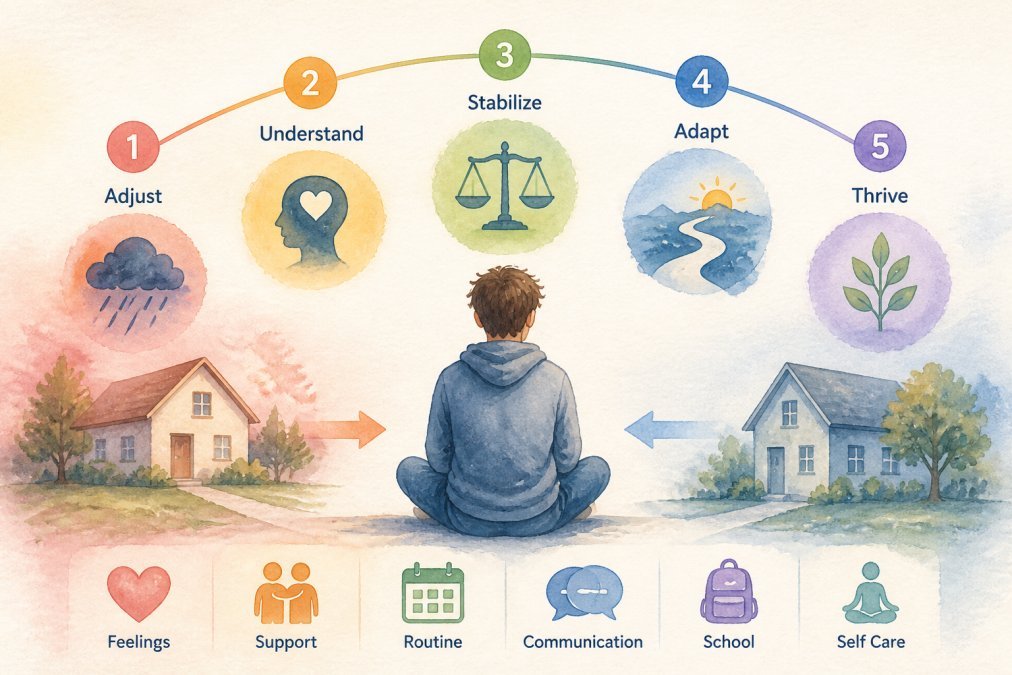
A staged roadmap for the first year
People often try to “process the affair” before their system is steady. That can backfire. A stage-based approach is gentler and more effective.
Stage 1 (first 0-6 months): reduce chaos and stop the bleeding
In early recovery, the goal is not forgiveness. It is safety.
If the affair contact is still ongoing in any form, healing stalls. That includes “just checking in,” social media likes, hidden messaging apps, and private calls. For emotional affairs especially, intermittent contact keeps the attachment bond to the third person alive and keeps you in constant alarm.
This is also where boundaries matter more than conversations. Many couples talk for hours but don’t implement structure. Practical guardrails – device transparency agreements, location sharing if desired, no private messaging with the affair person, and a plan for what happens if contact occurs – reduce panic because they reduce uncertainty.
If the affair was physical, sexual health steps belong here as well. Testing, clear timelines, and an agreed pause on sexual contact if needed can help your body re-associate intimacy with choice rather than pressure.
Stage 2 (months 6-12): make meaning and decide what repair requires
Once the immediate crisis stabilizes, the deeper questions surface. “Why did this happen?” often really means, “What stops it from happening again?”
The answer is rarely a single cause. Emotional affairs often grow in the presence of porous boundaries, conflict avoidance, a need for admiration, or a coping pattern of turning outward for regulation. Physical affairs may include opportunity, entitlement, escalation behaviors, or compartmentalization. In both, there is usually a failure of honest self-confrontation.
This stage is where couples can begin rebuilding intimacy carefully, but only if repair is consistent.
If you are reconciling, the unfaithful partner needs to develop a repeatable repair skill set: responding to triggers without eye-rolling, offering information before being asked, and staying emotionally available when the betrayed partner has a wave. The betrayed partner, in turn, benefits from learning to notice when processing becomes rumination and to build grounding tools that bring the nervous system back down.
If you are separating, this stage can still be about repair – not of the marriage, but of your sense of self. Clear boundaries, truthful narratives, and support systems protect you from being pulled into endless post-affair debates.
Stage 3 (after 12 months): transform patterns, not just behavior
Long-term healing is less about “getting over it” and more about becoming a relationship – or a person – that does not require secrecy to survive discomfort.
For couples, this can mean rebuilding conflict skills, renegotiating expectations around friendships and privacy, and creating a shared language for attraction, loneliness, and resentment before those states become dangerous.
For individuals, it can mean reclaiming identity: re-engaging friendships, rebuilding confidence, and learning what boundaries you will never abandon again.

When the pain feels “worse” with emotional affairs
Many betrayed partners feel guilty saying this, but it is common: an emotional affair can feel more destabilizing than a one-time sexual encounter.
That is not because sex doesn’t matter. It is because repeated emotional intimacy can look like a long-term choice to bond elsewhere. The betrayed partner may feel the relationship was quietly replaced.
Healing often requires a specific form of repair: the unfaithful partner must grieve the fantasy bond, not defend it. If they keep saying, “It didn’t mean anything,” while also fighting to keep the friendship or minimizing secrecy, your body hears: “I will choose that world again if I want to.”
When the pain feels “worse” with physical affairs
For other people, the sexual boundary is the bedrock. A physical affair can create intense body-based reactions: nausea, panic during intimacy, and a sudden inability to tolerate touch.
In those cases, healing often requires the couple to slow way down sexually and rebuild consent inside the relationship. That can include explicit check-ins, agreed pauses, and redefining intimacy as safety first, not performance. If either partner tries to force “normal” too quickly, your body may respond with shutdown.
Two common traps that delay healing
The first trap is debating whether your pain is justified. Pain does not need a courtroom. You can acknowledge that other people would react differently and still honor your own injury.
The second trap is confusing access with repair. Having passwords, a shared calendar, or constant updates can calm anxiety short term. But transparency is only part of trust. The deeper work is whether your partner is becoming a person who tells the truth even when it costs them comfort.
A practical way to tailor your recovery to the affair type
If you are dealing with an emotional affair, your “type-specific” focus is boundary integrity and emotional exclusivity: clear rules for opposite-sex friendships if relevant, zero secrecy, and a plan for how your partner will handle attention, flattery, and connection needs without outsourcing them.
If you are dealing with a physical affair, your “type-specific” focus is bodily safety and sexual consent: health steps, pacing intimacy, and replacing sexual secrecy with honest conversations about desire, dissatisfaction, and vulnerability.
Many couples benefit from a framework that recognizes different affair patterns and matches them with targeted strategies. That is the logic behind the 7 Types of Infidelity approach taught in the After the Affair resources at Aftertheaffair.uk – not to label you, but to stop giving you generic advice when your situation has a specific shape.
Healing takes longer than your patience wants. But it becomes more doable when you stop trying to answer “Which is worse?” and start insisting on the conditions that make you safe: consistent truth, consistent boundaries, and consistent repair – over time, not just after a good conversation.