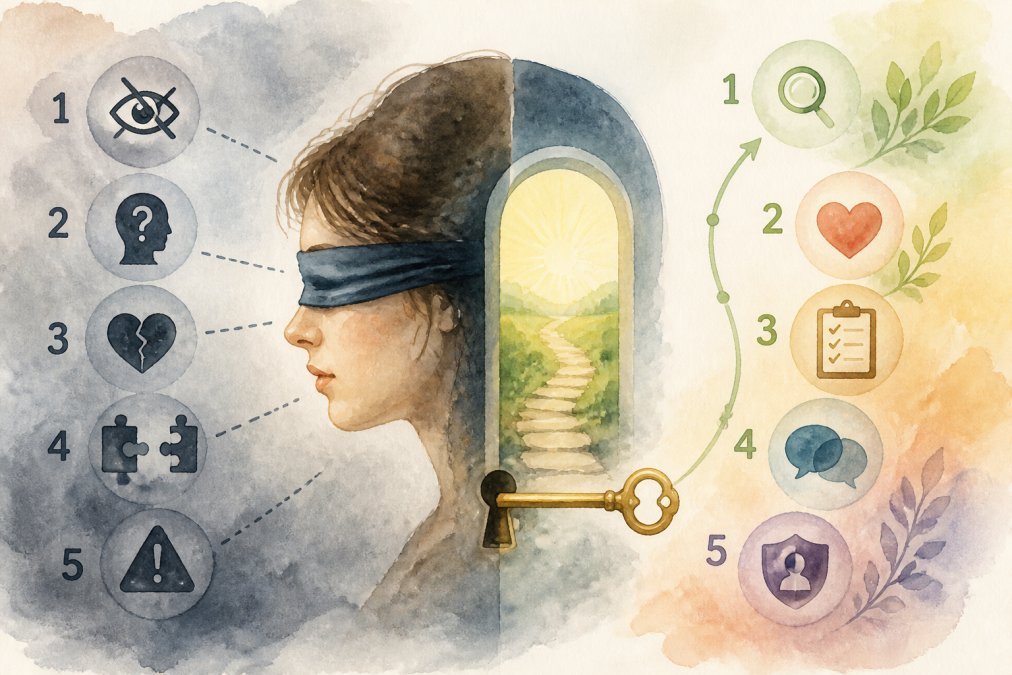
Discovering an affair is one of the most destabilising things that can happen in a relationship, and it’s natural to want somewhere to start making sense of it. Many people turn to books before they turn to a therapist, partly because reading feels private and manageable when everything else feels chaotic. This guide pulls together the affair recovery books UK readers most often recommend, along with the practical exercises and support routes that make reading actually useful rather than just informative.
Why Reading Can Help After an Affair
When trust breaks, the world can feel unpredictable and isolating. A good book won’t undo the betrayal. But it can name what you’re feeling, the intrusive thoughts, the hypervigilance, the strange grief, in a way that makes it feel less like you’re losing your mind. That shared vocabulary matters for couples too. When both partners have read the same chapter, they arrive at a conversation with common ground instead of talking past each other.
There’s also a practical UK angle worth flagging. Most of the widely-cited affair recovery literature was written by American clinicians, so the case studies and cultural assumptions sometimes feel a step removed from British life: different attitudes to therapy, different support systems, different pacing of conversations about marriage and separation. That doesn’t make the books less useful, but it’s worth reading them with a bit of translation in mind. In the UK, professional support usually means a BACP-registered counsellor or, in some cases, NHS-referred talking therapies. The best use of a book is often as preparation for those conversations rather than a substitute for them.
What Self-Help Books Can (and Can’t) Do for Betrayal Trauma
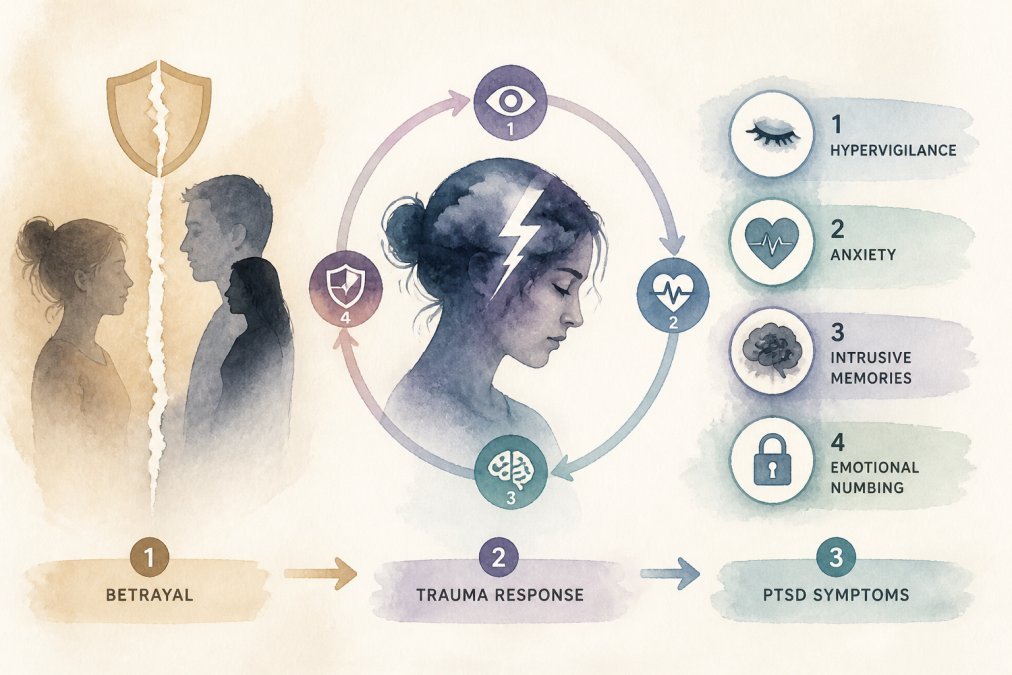
Books are good at explaining patterns: why affairs happen, why betrayal trauma produces symptoms similar to PTSD, and what stages recovery tends to follow. They’re less good at responding to your specific situation in real time, catching a couple stuck in a destructive argument cycle, or holding space when one partner is in crisis. Many UK-based couples counsellors suggest treating a book as pre-session homework. Read a chapter, then bring what surfaced into therapy rather than processing it alone. That combination tends to work better than either approach on its own.
Best Affair Recovery Books UK Readers Recommend
Titles such as “Not Just Friends” by Dr Shirley Glass and “After the Affair” by Dr Janis Spring remain widely recommended by couples therapists because they combine research on betrayal trauma with concrete rebuilding steps. Neither book is UK-published, but both are readily available through UK bookshops, online retailers, and most public library systems, either in print or as e-books.
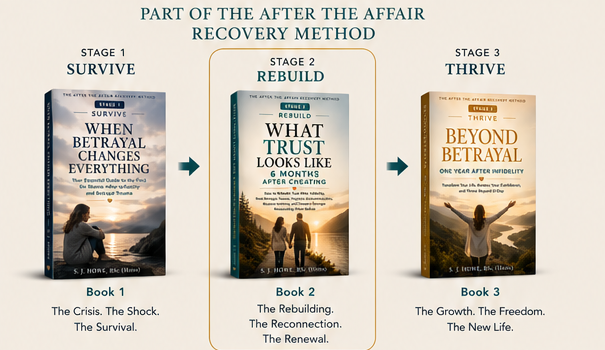
Books for the Betrayed Partner
If you’ve just discovered an affair, “After the Affair” by Janis Spring is often the first recommendation, because it walks through the disorientation of early discovery before asking anyone to think about forgiveness. “Not Just Friends” by Shirley Glass is particularly strong on how emotional affairs develop and why betrayal trauma produces such intense, sometimes confusing physical and emotional symptoms. Readers who want to understand the psychology of what happened, rather than jump straight to fixing the relationship, tend to find these two the most grounding.
Books for the Partner Who Had the Affair
“How to Help Your Spouse Heal from Your Affair” by Linda MacDonald is written specifically for the unfaithful partner, with concrete guidance on what genuine remorse looks like in daily behaviour, not just words. This matters because many partners who had an affair want to “move on” faster than their partner is ready for, and this kind of book helps slow that pace down. It’s a useful companion to “Not Just Friends,” which also has sections aimed at the partner who strayed, explaining why minimising or defensiveness prolongs the damage rather than reducing it.
Relationship Recovery Books With Practical Exercises
Narrative and explanation only go so far. Some of the most useful relationship recovery books are built around structured exercises, reflection questions, weekly check-ins, communication scripts, rather than pure theory. These suit readers who want something to actually do each week, not just something to understand.
Workbooks and Journaling Prompts for Couples
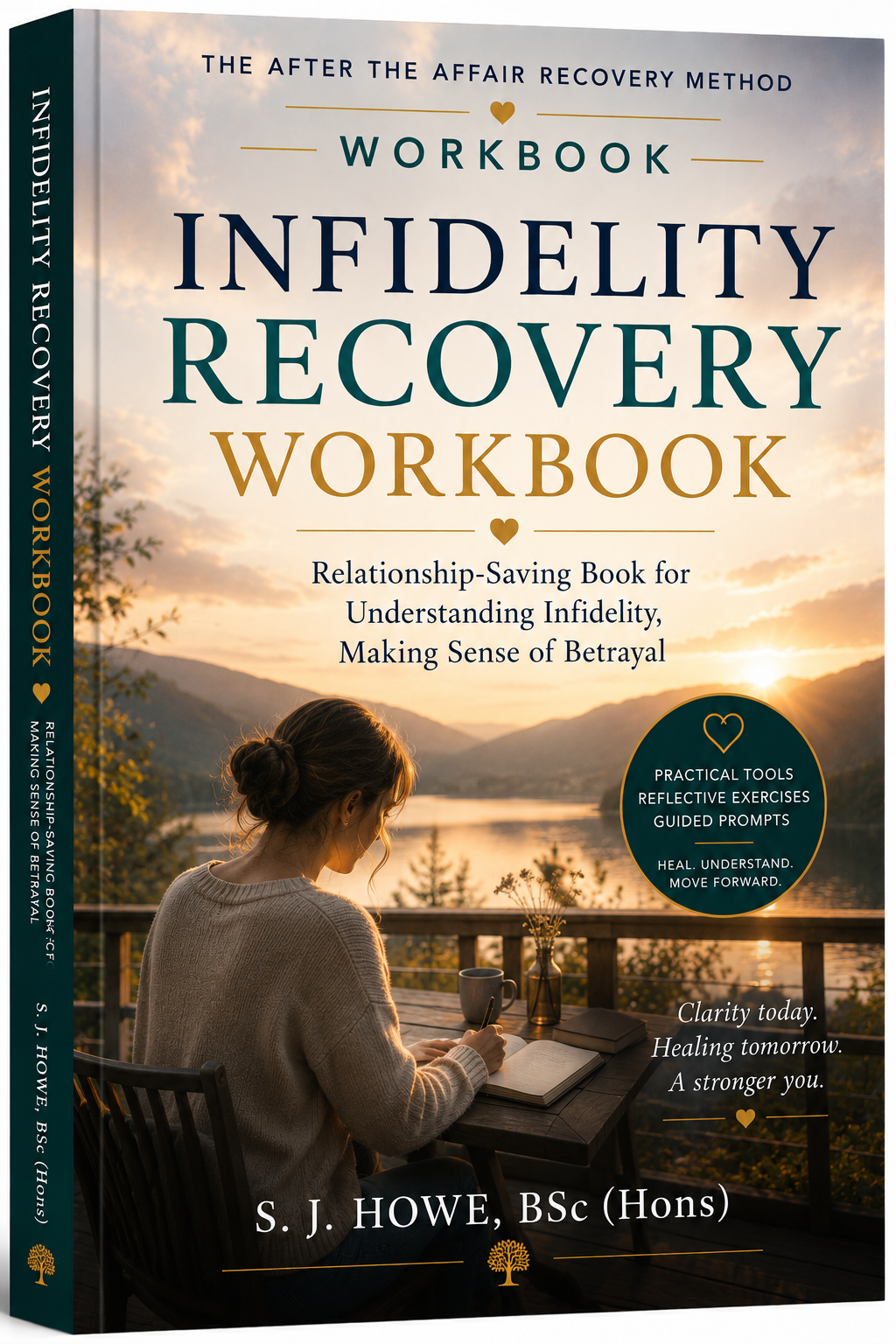
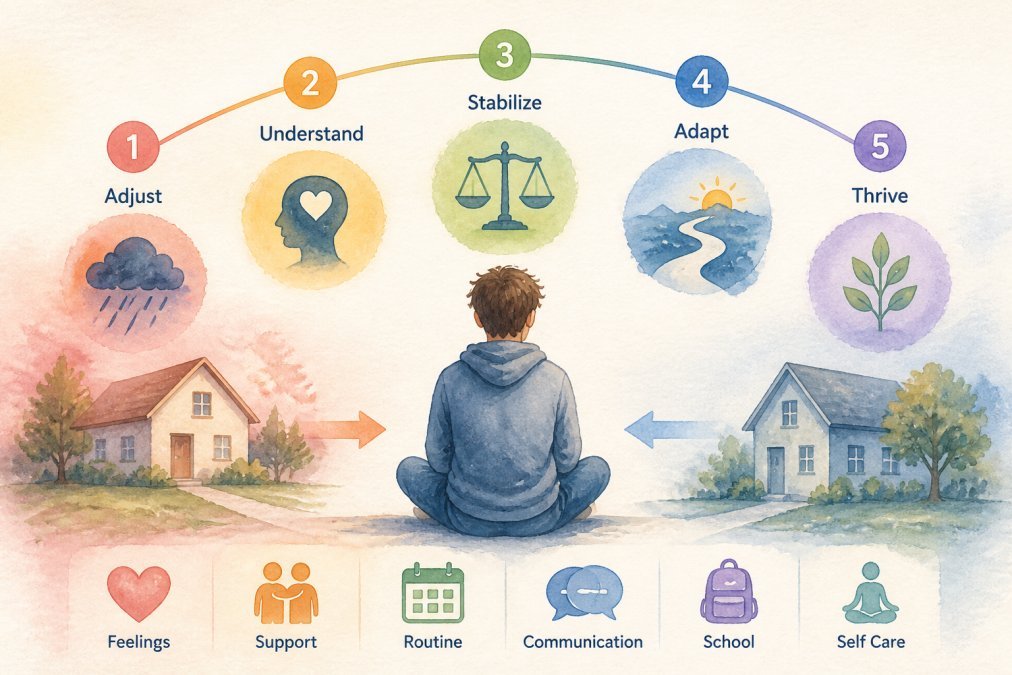
Workbook-style titles that include weekly exercises tend to suit readers who found the Affair Recovery Stages roadmap helpful and want a similarly structured next step. Look for books that ask you to write down specific answers: what triggers a flashback, what a partner needs to hear this week, what a rebuilt trust milestone would look like. Skip books that only describe concepts. Journaling prompts are especially useful between sessions with a therapist, because they give you something concrete to bring to the next appointment instead of trying to remember a week’s worth of emotion in the room. Pairing these exercises with a counsellor for accountability tends to produce steadier progress than working through a workbook completely alone, partly because a professional can flag when an exercise is surfacing something that needs more support than a book can offer.
Counselling Books and When to Read Alongside Therapy
Counselling books work best as a supplement to therapy, not a replacement for it. They can prepare you for a session, help you process what came up afterwards, or give language to something you’re struggling to say out loud. What they can’t do is respond to you. A book doesn’t notice when you’ve gone quiet, when your partner has shut down, or when a conversation has veered into contempt rather than repair.
There are a few signs reading alone isn’t enough. If you find yourself re-reading the same chapter without feeling any different, if arguments keep following the same destructive pattern despite understanding “why” it happens, or if either partner is showing signs of depression, anxiety, or trauma symptoms that aren’t easing, that’s a signal to bring in professional support rather than pushing through with more reading. A structured counselling or affair recovery course, alongside individual or couples therapy, tends to move things forward in a way that books alone can’t manage once a relationship is genuinely stuck.
Infidelity Recovery Reading for Specific Situations
Not every situation looks the same, and some of the most useful infidelity recovery reading addresses a specific circumstance rather than the general experience of betrayal.
Books That Address Children and Family Impact
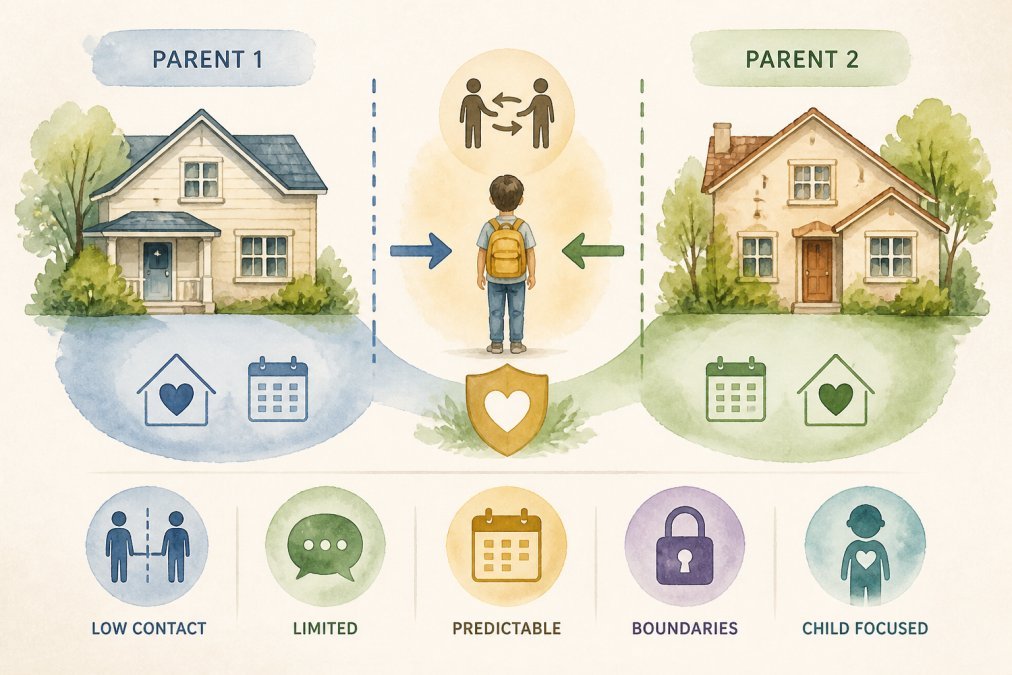
When children are involved, the questions multiply: what to tell them, how much detail is appropriate for their age, and how to keep co-parenting functional when trust between the parents has collapsed. General affair recovery books tend to touch on this only briefly. It’s worth seeking out books or specialist family counselling resources focused specifically on children’s experience of parental conflict and separation, rather than assuming a couples-focused book will cover it in enough depth.
Books on Deciding Whether to Stay or Leave
A significant portion of people reading about affairs aren’t sure yet whether they want to rebuild the relationship at all. Books like “After the Affair” spend real time on this ambivalence rather than assuming reconciliation is the goal, which makes them more honest, and more useful, than titles that push straight towards saving the marriage. If you’re at this decision point, it can help to work through the question deliberately with a counsellor or a structured self-assessment, rather than hoping clarity will simply arrive from reading enough.
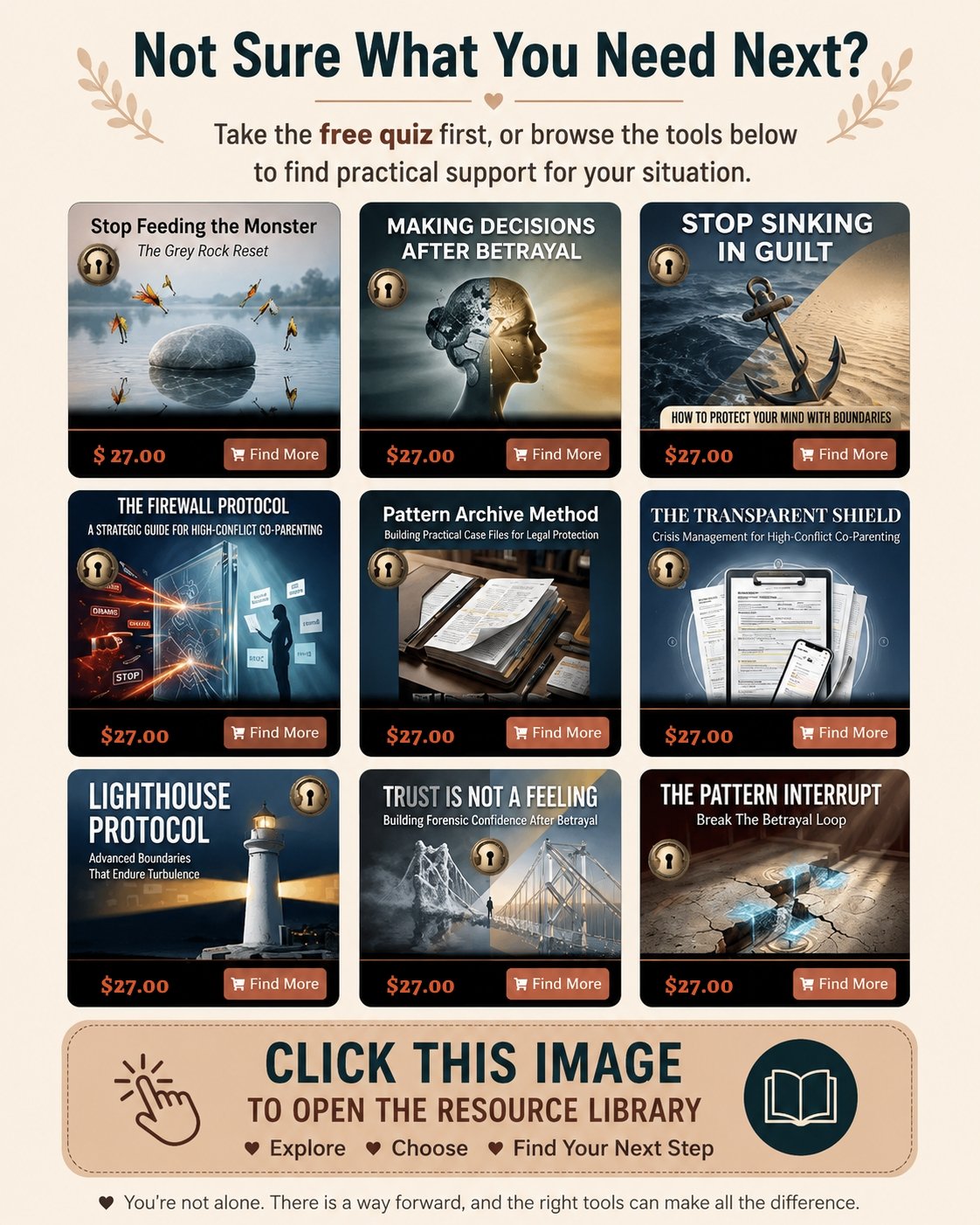
Beyond Books: Building a Full Affair Self-Help Toolkit
Books are a strong starting point, but affair self-help works best as a toolkit rather than a single resource. Podcasts and support groups add something books can’t: hearing other people’s real, current experiences, not just case studies written years earlier. Online therapy has made professional support more accessible for UK readers who might not have a local specialist counsellor, or who find it easier to start with a video session than an in-person one. Structured recovery courses sit somewhere between a book and therapy: more interactive than reading alone, more affordable and flexible than weekly counselling.
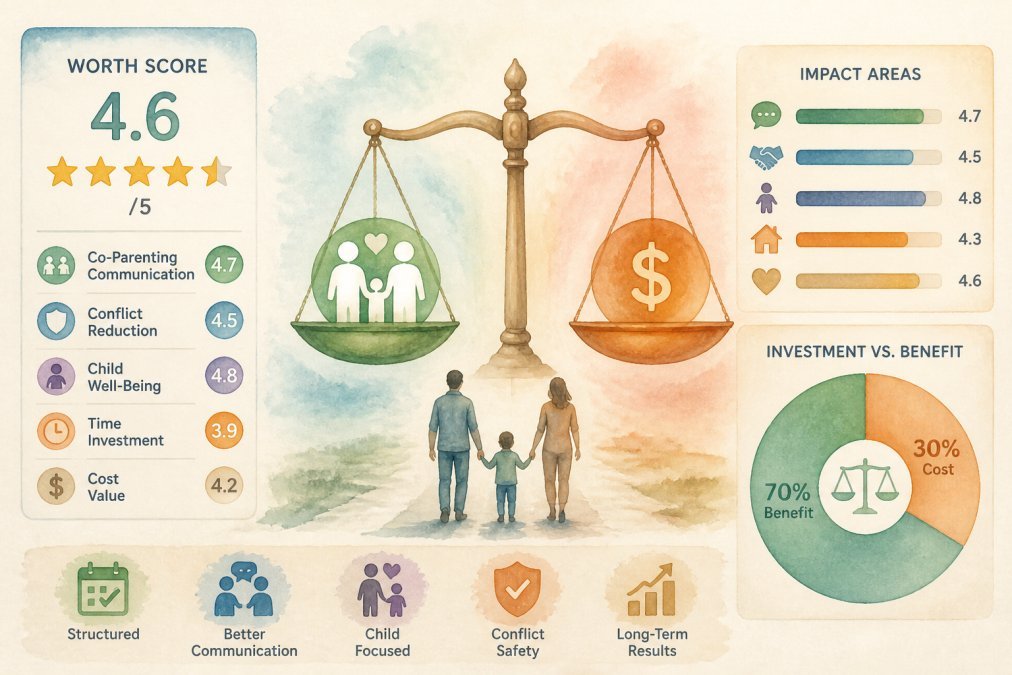
On aftertheaffair.uk, readers consistently ask which resources pair well with our recovery stages and coping strategy guides, and that’s exactly the gap this list is meant to fill. If you’re not sure where to start, a free assessment can help you work out whether books, a structured course, or professional counselling, or some combination of all three, fits where you are right now. Reading gives you language and perspective. Pairing that reading with the right professional support is usually what actually moves recovery forward.