TL;DR:
- Couples therapy after infidelity helps partners process trauma, rebuild trust, and decide on their future. Research shows 66% of couples experience meaningful improvement with sustained, specialized therapy over 18 to 36 months.
- Is couples therapy worth it after infidelity?
- What are the benefits of specialized therapy for affair recovery?
- What outcomes can couples realistically expect from therapy?
- How do you rebuild trust and support emotional healing during therapy?
- The honest truth about therapy after betrayal
- Structured support for your recovery
- Key Takeaways
- FAQ
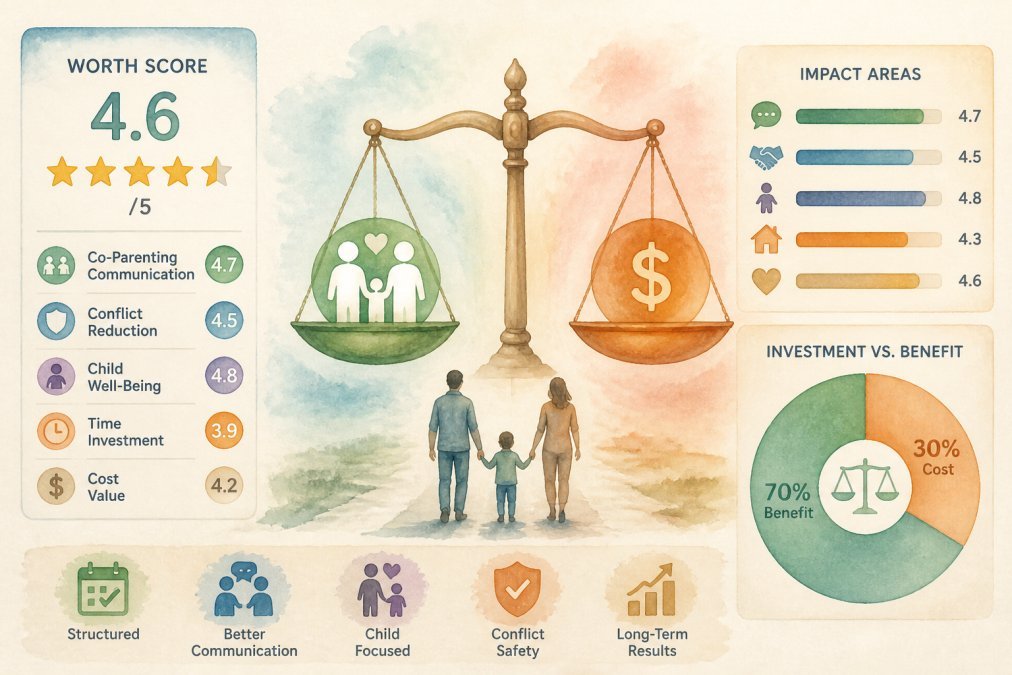
Couples therapy after infidelity is defined as a structured, evidence-based process that helps betrayed and unfaithful partners process trauma, rebuild trust, and decide the future of their relationship. Research shows approximately 66% of couples report meaningful improvements through professional therapy following an affair. That figure holds only when therapy is specialized, sustained, and supported by genuine commitment from both partners. Recovery typically requires 18–36 months of consistent work. The question of whether couples therapy is worth it after infidelity has a clear answer for most couples: yes, but only under the right conditions.
Is couples therapy worth it after infidelity?
The clinical term for what most people call “affair recovery therapy” is post-infidelity couples counseling. It differs from standard couples therapy in one critical way: it treats betrayal as a relational trauma, not simply a communication breakdown. That distinction shapes everything from session structure to the therapist’s role.
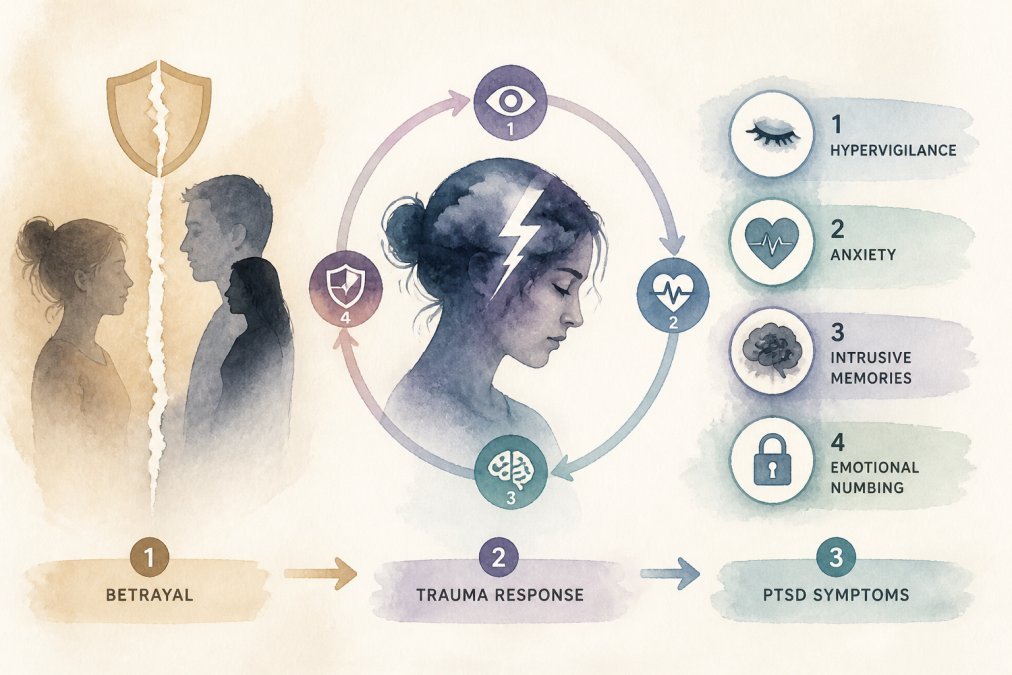
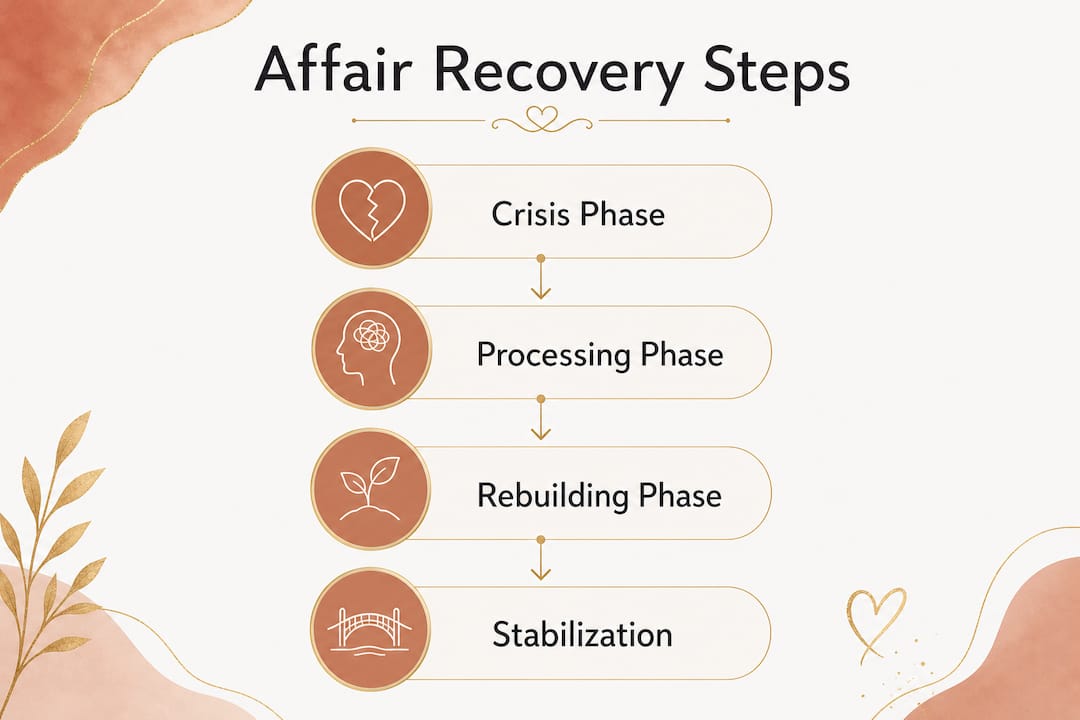
Successful affair recovery follows three phases. The first is the crisis phase, covering roughly weeks one through six. During this period, both partners are in emotional shock. The betrayed partner experiences symptoms consistent with acute trauma, including intrusive thoughts, hypervigilance, and emotional flooding. The unfaithful partner often oscillates between guilt, defensiveness, and confusion. Therapy at this stage focuses on stabilization, not problem-solving.
The second phase is insight, spanning roughly months two through nine. Couples begin to examine the conditions that allowed the affair to happen. This does not mean assigning blame to the betrayed partner. It means understanding the relational patterns, unmet needs, and individual vulnerabilities that created an opening. This phase is where most of the hard emotional work happens.
The third phase is rebuilding, which runs from roughly month nine through month thirty-six. Couples who reach this stage have processed the acute trauma and are actively constructing a new relationship. Some describe it as building something stronger than what existed before.
- Crisis (weeks 1–6): Stabilize emotional safety and stop contact with the affair partner.
- Insight (months 2–9): Examine root causes and process betrayal trauma in depth.
- Rebuilding (months 9–36): Reconstruct trust, intimacy, and shared meaning.
Pro Tip: Before starting couples therapy, the betrayed partner benefits most from individual therapy first. Stabilizing your emotional state individually makes joint sessions far more productive.
What are the benefits of specialized therapy for affair recovery?
Generic couples therapy can actively harm post-infidelity recovery. A therapist trained in communication skills but not betrayal trauma may inadvertently push couples toward premature forgiveness or treat the affair as a symptom of equal relationship failure. Neither approach is accurate or helpful.
Specialized therapies like the Gottman Method and Emotionally Focused Therapy (EFT) address infidelity more effectively than standard couples counseling. EFT, developed by Dr. Sue Johnson, treats the affair as an attachment injury. It helps the betrayed partner articulate the wound in a way the unfaithful partner can genuinely hear, which creates the conditions for real repair. The Gottman Method’s affair recovery framework centers on transparency, accountability, and the gradual rebuilding of trust through specific behavioral commitments.
When selecting a therapist, look for these credentials and specializations:
- Training in EFT or the Gottman Method (Level 2 or above for Gottman)
- Specific experience treating betrayal trauma, not just general relationship distress
- Familiarity with trauma-informed care and nervous system regulation
- Willingness to see each partner individually as well as jointly
- No pressure toward a predetermined outcome (staying together or separating)
The therapy types that work best for infidelity trauma share one feature: they treat the betrayed partner’s response as a legitimate trauma reaction, not an overreaction. That framing changes the entire therapeutic dynamic.
Pro Tip: Ask a prospective therapist directly: “What is your approach to treating infidelity?” A vague answer is a red flag. A good therapist will name a specific framework and explain how it applies to betrayal trauma.
What outcomes can couples realistically expect from therapy?
Realistic expectations protect couples from both false hope and premature surrender. The data on outcomes is more nuanced than most people realize.
Research estimates that 20–25% of marriages involve some form of infidelity. Of the couples who pursue professional therapy, 66% report improvement in relationship quality. That does not mean all of them stay together. Between 30–50% of couples who complete therapy choose to remain in the relationship, with many reporting genuine marital satisfaction after five or more years.
| Outcome | What the research shows |
|---|---|
| Improvement rate | 66% of couples report meaningful gains through therapy |
| Stay-together rate | 30–50% of couples choose to remain in the relationship |
| Recovery timeline | 18–36 months of sustained, specialized therapy |
| Long-term satisfaction | Many couples report stronger bonds after five or more years |
| Key success factor | Full accountability and genuine remorse from the unfaithful partner |
Recovery is most likely when the unfaithful partner takes complete responsibility, offers full disclosure, and demonstrates consistent remorse over time. Partial honesty or minimizing the affair’s scope consistently derails recovery.
“Not every relationship should survive infidelity. Therapy’s most valuable function is sometimes helping couples make a clear-eyed, informed decision about whether to stay or separate. Both outcomes can represent successful recovery.”
Separation after therapy is not failure. For some couples, the most healing outcome is a dignified, informed separation rather than a damaged relationship held together by obligation.
How do you rebuild trust and support emotional healing during therapy?
Trust is rebuilt through steady, consistent behavior over time, not grand gestures. The betrayed partner’s nervous system has been conditioned by the discovery of the affair to scan constantly for danger. That hypervigilance is a biological response to perceived threat, not a character flaw. Predictable, trustworthy behavior gradually teaches the nervous system that safety has returned.
Practical strategies that support this process include:
- Radical transparency: Temporary open access to devices and accounts reduces anxiety and compulsive checking. This is a time-limited strategy, not a permanent arrangement.
- Consistent check-ins: Brief daily emotional check-ins help the betrayed partner feel seen without requiring a full crisis conversation every day.
- Individual therapy for the betrayed partner: Starting with individual therapy allows the betrayed partner to process acute trauma before engaging in joint sessions.
- Trigger management: Couples learn to identify and communicate triggers without the conversation escalating into a full conflict.
- Boundaries with the affair partner: Complete, documented no-contact is non-negotiable for trust repair to begin.
The stages of healing after an affair are not linear. Couples move forward, hit a trigger, and feel like they have lost all progress. That regression is normal. Therapy provides a container for those setbacks so they do not permanently derail recovery.
Forgiveness is not a prerequisite for healing. Forgiveness is a byproduct of genuine healing, not a condition that must be met before healing can begin. Forcing it prematurely blocks the real emotional work.
The honest truth about therapy after betrayal
By S.J.Howe
After working with couples navigating infidelity for years, the pattern I see most often is not a lack of love. It is a lack of patience with the process. Couples arrive in therapy expecting that six sessions will restore what years of deception destroyed. That expectation, however understandable, sets them up for a painful disappointment.
The couples who recover are not the ones with the least damage. They are the ones who commit to the timeline without demanding shortcuts. The unfaithful partner who stays consistent for eighteen months, even when the betrayed partner is still struggling, is doing the work that actually rebuilds trust. The betrayed partner who stays in therapy even when progress feels invisible is doing the same.
What I tell every couple is this: you cannot force forgiveness, and you cannot rush the nervous system. Healing into forgiveness is a process, not a decision. The couples who try to skip that process almost always end up back in crisis six months later.
Seek a therapist who specializes in betrayal trauma. The difference between a generalist and a specialist in this area is not subtle. It is the difference between a therapist who understands why the betrayed partner checks their partner’s phone at 2 AM and one who labels that behavior as controlling. The benefits of therapy are real, but only when the therapy is the right kind.
— S.J.Howe
Structured support for your recovery
Knowing therapy is worth it and knowing where to start are two different things. Aftertheaffair provides structured, evidence-informed resources designed specifically for couples and individuals navigating betrayal trauma, from the first weeks of crisis through long-term rebuilding.
The 7 Steps Infidelity Recovery Checklist gives you a clear, phase-by-phase framework to work through alongside professional therapy. It covers crisis stabilization, disclosure, accountability, and trust repair in a format you can actually use between sessions. For couples focused on the long term, the relationship growth resources at Aftertheaffair address what comes after the acute phase: rebuilding intimacy, shared meaning, and a relationship that is genuinely stronger than before.
Key Takeaways
Couples therapy after infidelity is worth it for most couples when it is specialized, sustained, and supported by full accountability from the unfaithful partner.
| Point | Details |
|---|---|
| Therapy effectiveness | 66% of couples report meaningful improvement through specialized post-infidelity therapy. |
| Recovery timeline | Sustained recovery requires 18–36 months of consistent, specialized couples counseling. |
| Specialized approach matters | EFT and the Gottman Method outperform generic couples therapy for betrayal trauma. |
| Trust rebuilds through behavior | Consistent, predictable actions over time calm the betrayed partner’s trauma response. |
| Forgiveness is not a prerequisite | Genuine forgiveness emerges from healing, not as a condition that must be forced first. |
FAQ
How long does couples therapy take after infidelity?
Most couples need 18–36 months of sustained, specialized therapy to achieve genuine recovery after infidelity. The timeline depends on the severity of the betrayal, both partners’ commitment, and the quality of the therapeutic support.
Does therapy work if only one partner wants to try?
Couples therapy requires meaningful participation from both partners to be effective. If the unfaithful partner is unwilling to engage fully, individual therapy for the betrayed partner remains highly valuable for processing trauma and making informed decisions.
What is the difference between EFT and the Gottman Method for infidelity?
EFT treats infidelity as an attachment injury and focuses on helping partners express and receive emotional vulnerability. The Gottman Method centers on transparency, accountability, and specific behavioral commitments that rebuild trust over time. Both are significantly more effective than generic couples counseling for affair recovery.
Should the betrayed partner start individual therapy before couples therapy?
Individual therapy for the betrayed partner first is the recommended approach. It stabilizes acute trauma responses and builds emotional capacity before the more demanding work of joint sessions begins.
Can a relationship actually be stronger after infidelity?
Many couples who complete the full recovery process report a deeper, more honest relationship than they had before the affair. That outcome requires both partners’ sustained commitment, full disclosure, and genuine accountability from the unfaithful partner.
Recommended
- Can a Marriage Survive Infidelity? Statistics, Recovery, and Hope
- Top marriage healing strategies to rebuild trust after infidelity
- How to Guide Clients After Infidelity for Healing – After the Affair Series
- Individual or Couples Therapy After Infidelity? – After the Affair Series