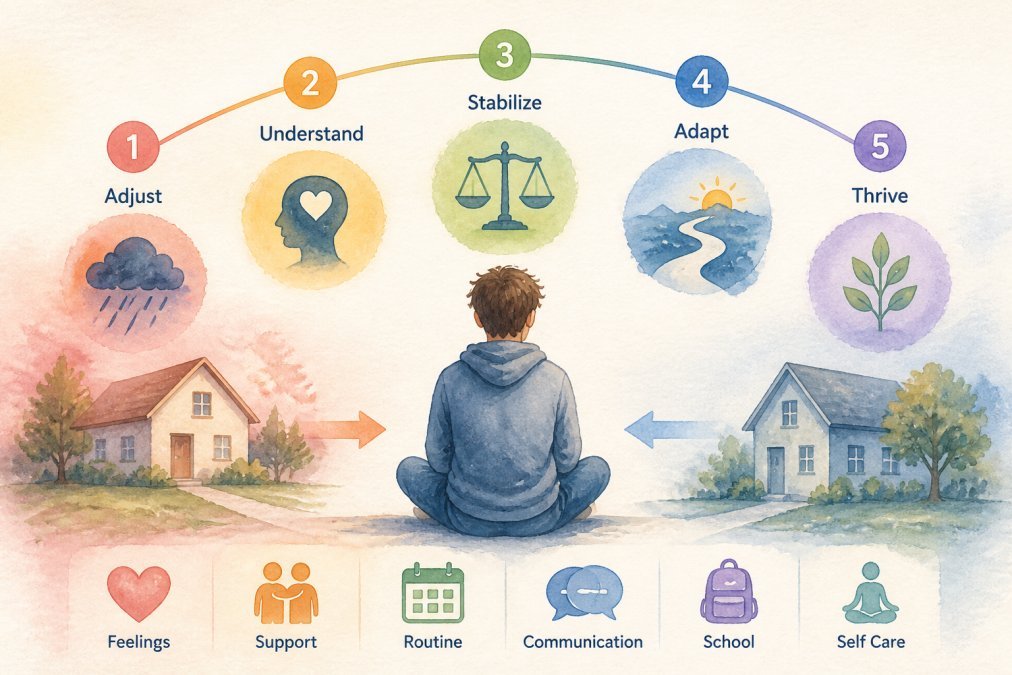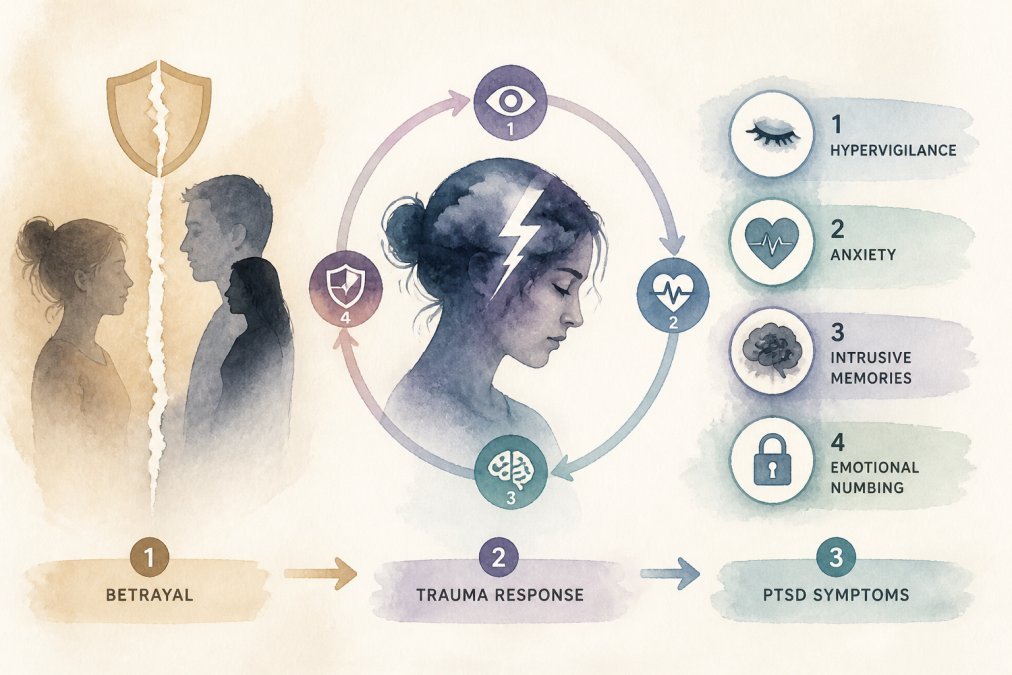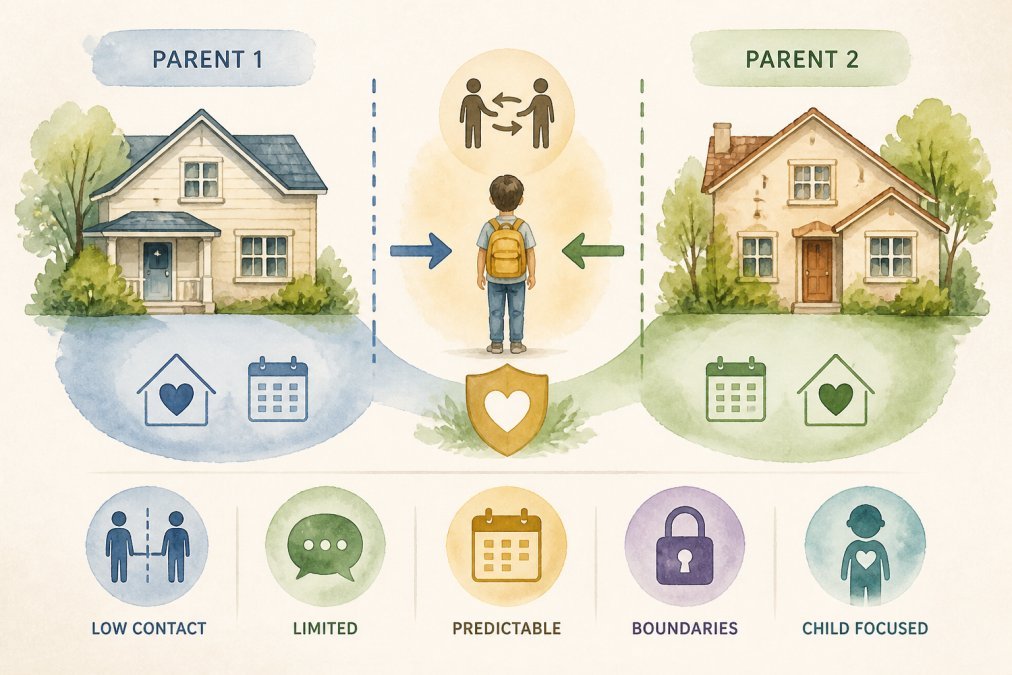
Betrayal shatters emotional safety, leaving deep wounds of shame, anxiety, and broken trust. Yet recent research reveals a powerful truth: mindfulness-based interventions reduce depression and anxiety by significant margins in trauma-exposed individuals. This isn’t about simply waiting for time to heal. The Power of Mindfulness offers practical, evidence-backed techniques to manage overwhelming emotions, interrupt destructive thought patterns, and rebuild trust in yourself and your relationships. This guide explores how mindfulness works specifically for betrayal recovery, providing actionable strategies you can start using today to navigate this challenging journey with greater emotional resilience and clarity.
Table of Contents
- Understanding Betrayal’s Emotional Impact And Mindfulness Basics
- How Mindfulness Reduces Negative Emotions And Supports Healing
- Mindfulness’s Role In Restoring Relationships And Reducing Marital Disconnection
- Practical Mindfulness Techniques To Use During Betrayal Recovery
- Explore Expert Guidance And Resources For Healing After Betrayal
- Frequently Asked Questions About Mindfulness And Betrayal Recovery
Key takeaways
| Point | Details |
|---|---|
| Mindfulness reduces emotional distress | Regular practice significantly decreases depression, anxiety, and internalized shame following betrayal. |
| Improved emotional regulation | Mindfulness builds skills to observe thoughts and feelings without immediate reaction, reducing overwhelm. |
| Relationship healing support | Mindfulness therapy decreases marital disconnection and divorce tendency in couples after infidelity. |
| Practical daily application | Simple techniques like breath awareness and body scans offer immediate tools for managing triggers. |
| Complements professional support | Combining mindfulness with therapy provides comprehensive emotional support during recovery. |
Understanding betrayal’s emotional impact and mindfulness basics
Betrayal triggers a cascade of intense psychological responses that can feel overwhelming and uncontrollable. When trust breaks, you may experience internalized shame, persistent anxiety, intrusive thoughts, and symptoms similar to post-traumatic stress. These emotions don’t just hurt in the moment. They actively interfere with your ability to regulate feelings, make clear decisions, and consider whether trust can ever be rebuilt.
The emotional aftermath often includes constant rumination, where your mind replays painful details and imagines worst-case scenarios. You might feel hypervigilant, scanning for signs of further deception. Sleep disruption, difficulty concentrating, and physical tension become daily companions. These reactions are normal trauma responses, not signs of weakness or failure.
Mindfulness offers a different way to relate to these difficult emotions. At its core, mindfulness means paying deliberate, nonjudgmental attention to your present moment experience. Rather than trying to suppress painful feelings or get caught in endless mental loops, you learn to observe what’s happening inside you with curiosity and acceptance. This doesn’t mean approving of betrayal or pretending everything is fine. It means creating space between stimulus and response.
Key mindfulness skills include:
- Observing your thoughts and emotions without immediately reacting to them
- Maintaining nonjudgmental awareness of your internal experience
- Accepting what is present rather than fighting against reality
- Describing your experience with clarity rather than getting lost in stories
- Acting with awareness instead of operating on autopilot
Mindfulness-based cognitive therapy improves these specific facets in trauma-exposed individuals with PTSD. By developing these abilities, you gain tools to manage the emotional intensity that follows betrayal. You become less reactive to triggers, more capable of sitting with discomfort, and better equipped to choose how you respond rather than being controlled by automatic patterns.
How mindfulness reduces negative emotions and supports healing
The evidence for mindfulness in trauma recovery is compelling and specific. Clinical trials demonstrate that mindfulness practice produces measurable improvements in the exact symptoms that plague betrayal survivors. Understanding how this works helps you trust the process even when emotions feel unbearable.
When you practice mindfulness, you’re training your brain to respond differently to emotional pain. Instead of immediately spiraling into catastrophic thinking or numbing out completely, you develop the capacity to notice what you’re feeling, name it, and let it move through you. This interrupts the cycle where painful emotions trigger more painful thoughts, which intensify the emotions, creating a downward spiral.
Mindfulness-based interventions reduce depression and anxiety while improving quality of life in trauma-exposed women. The mechanisms behind these benefits involve both neurological changes and practical skill development. Mindfulness strengthens areas of the brain associated with emotional regulation while weakening the grip of the amygdala, your fear center.
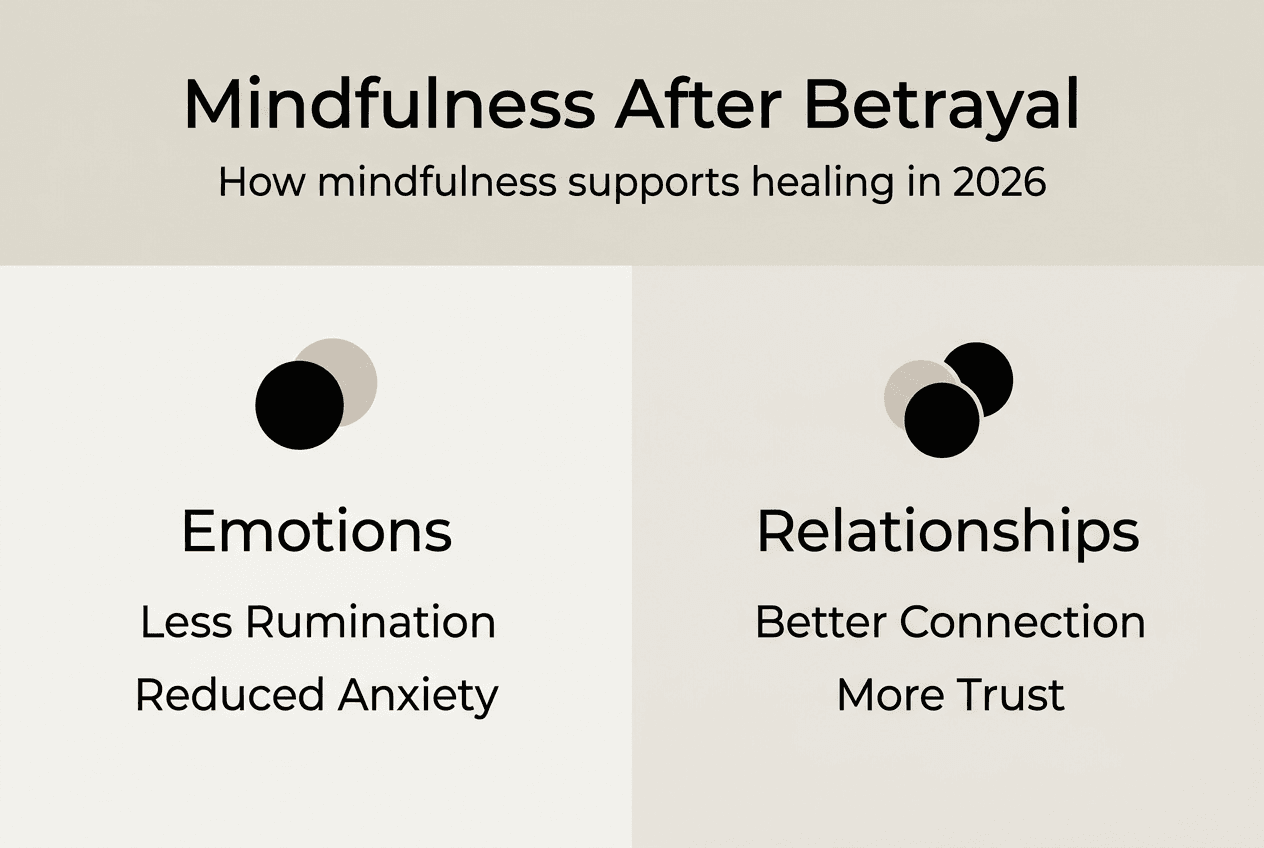
Rumination presents a particular challenge after betrayal. Your mind wants to solve the problem by thinking about it constantly, but this rarely leads to resolution. Instead, it deepens depression and anxiety. Research shows that momentary mindfulness interventions lower rumination and negative affect in daily life. Even brief practices, done consistently, help break these destructive thought patterns.
Pro Tip: Start with just five minutes daily of breath-focused mindfulness. Sit comfortably, close your eyes, and notice the sensation of breathing without trying to change it. When your mind wanders to painful thoughts about the betrayal, gently return attention to your breath. This simple practice builds the neural pathways for emotional regulation.
The table below shows typical emotional improvements from regular mindfulness practice:
| Emotional Challenge | Mindfulness Impact | Timeline |
|---|---|---|
| Depression symptoms | 30-40% reduction | 8-12 weeks |
| Anxiety levels | Significant decrease | 6-10 weeks |
| Rumination frequency | Notable interruption | 4-8 weeks |
| Emotional reactivity | Improved regulation | 6-12 weeks |
| Quality of life | Measurable improvement | 8-16 weeks |
These improvements don’t mean the pain disappears. They mean you develop capacity to carry it differently, to function despite it, and to gradually process it rather than being consumed by it. The shame that often accompanies betrayal begins to loosen its grip as you practice self-compassion alongside awareness.
Mindfulness’s role in restoring relationships and reducing marital disconnection
Beyond individual emotional healing, mindfulness directly impacts relationship dynamics after betrayal. The disconnection that follows infidelity creates a painful distance between partners, even when both want to repair the damage. Mindfulness provides tools to bridge this gap through improved communication and emotional presence.
Research demonstrates that mindfulness cognitive therapy reduces internalized shame, marital disaffection, and divorce tendency in couples experiencing infidelity. These aren’t small effects. The therapy helps partners move from reactive blame and defensiveness toward curious exploration of what happened and what healing requires.
When you practice mindfulness, you create space to listen to your partner without immediately planning your response or shutting down emotionally. You notice your own triggers as they arise, which allows you to communicate about them rather than acting them out. This doesn’t mean accepting unacceptable behavior. It means engaging with difficult conversations from a grounded place rather than pure emotional reaction.
Mindfulness helps rebuild trust incrementally by fostering presence and authenticity. Trust isn’t restored through grand gestures or promises. It rebuilds through thousands of small moments where partners show up honestly, acknowledge reality, and choose connection despite discomfort. Mindful awareness supports this process by helping you notice when you’re pulling away, when your partner is making genuine effort, and when old patterns are repeating.
Couples can apply specific mindfulness strategies:
- Practice mindful listening where you focus completely on understanding your partner’s experience without formulating counterarguments
- Pause before reacting to triggers, taking three conscious breaths to create space for choice
- Share awareness practices like brief meditation together to rebuild shared positive experiences
- Notice and name your own emotional state before attributing motives to your partner
- Use mindful touch or eye contact to reconnect physically in safe, non-sexual ways
The table below compares typical coping approaches with mindfulness-based methods:
| Situation | Typical Coping | Mindfulness Approach |
|---|---|---|
| Intrusive thoughts about affair | Try to suppress or distract | Notice thoughts without engaging, return to present |
| Partner triggers anxiety | Withdraw or attack | Name the trigger, communicate need, stay present |
| Shame about staying | Hide feelings or justify | Acknowledge shame with self-compassion, explore values |
| Uncertainty about future | Demand guarantees or avoid | Sit with not knowing, focus on present choices |
This shift from reactive coping to mindful response supports relationship growth by creating conditions where honest conversation becomes possible. Partners learn to sit with discomfort together rather than each retreating into protective isolation. The vulnerability this requires feels risky, but it’s the foundation for genuine reconnection.
Combining mindfulness with couples therapy after infidelity provides structure for these practices while addressing specific relationship patterns that may have contributed to vulnerability. Mindfulness alone won’t solve systemic issues, but it creates the emotional capacity to engage in the hard work of repair.
Practical mindfulness techniques to use during betrayal recovery
Understanding mindfulness’s benefits matters less than actually practicing it. The following techniques offer concrete ways to integrate mindfulness into your daily life as you navigate betrayal recovery. Start small and build consistency rather than attempting everything at once.
- Breath awareness meditation: Sit comfortably for five to ten minutes. Close your eyes and bring attention to the physical sensation of breathing. Notice the coolness of air entering your nostrils, the rise and fall of your chest or belly, the slight pause between breaths. When your mind wanders to painful thoughts, which it will, gently guide attention back to breath without self-criticism. This builds the fundamental skill of returning to the present moment.
- Body scan for physical tension: Lie down or sit comfortably. Starting with your toes, slowly move attention through each body part, noticing sensations without trying to change them. Betrayal often creates chronic physical tension in the jaw, shoulders, and stomach. By bringing awareness to these areas, you begin to recognize how emotions manifest physically and can consciously release some of that holding.
- Labeling emotions without judgment: When strong feelings arise, practice naming them specifically. Instead of “I feel terrible,” try “I’m noticing anxiety in my chest, sadness behind my eyes, and anger in my clenched fists.” This creates distance from overwhelming emotion and activates the thinking brain, which helps regulate the emotional brain. Avoid judging yourself for having these feelings.
- Mindful journaling: Write for ten minutes about your present moment experience without editing or analyzing. Describe what you notice in your body, emotions, and thoughts right now. This isn’t about crafting a narrative or reaching conclusions. It’s pure observation, which helps you see patterns and process emotions that feel too big to hold internally.
- Loving-kindness meditation to rebuild self-worth: Sit quietly and silently repeat phrases like “May I be safe, may I be peaceful, may I be kind to myself, may I accept myself as I am.” This feels awkward or false at first, especially when shame runs deep. Keep practicing anyway. Over time, it begins to soften harsh self-judgment and rebuild the compassionate self-relationship that betrayal damages.
Research confirms that mindfulness-based cognitive therapy improves trait mindfulness facets relevant to trauma recovery. Regular practice of these techniques builds observing, describing, and nonreactivity skills that support healing.
Pro Tip: Integrate mindfulness into existing daily routines rather than adding it as one more task. Practice mindful walking by noticing the sensation of your feet touching the ground during your commute. Try mindful eating by fully experiencing the taste, texture, and smell of one meal daily. These micro-practices accumulate into significant skill development.
Patience matters enormously in this work. You won’t feel dramatically better after one meditation session. The benefits emerge gradually through consistent practice over weeks and months. Some days will feel harder than others. On difficult days, even one conscious breath counts as practice. Self-compassion is as important as discipline.

Consider using structured recovery exercises alongside mindfulness practice to address specific challenges. The combination of mindful awareness and targeted healing work creates comprehensive support for your journey. Following a step-by-step betrayal recovery approach helps you track progress and maintain hope during the inevitable setbacks.
Explore expert guidance and resources for healing after betrayal
Recovery from betrayal requires more than willpower or time. It demands practical tools, evidence-based strategies, and often professional support. After the Affair provides comprehensive resources specifically designed for individuals and couples navigating the complex aftermath of infidelity and broken trust.
Our infidelity recovery checklist offers seven essential steps for effective healing, providing structure when everything feels chaotic. This practical framework complements mindfulness practice by giving you clear actions to take alongside developing emotional awareness. Many people find that combining mindfulness with structured recovery steps creates momentum and hope.
Whether you’re focused on individual healing or relationship growth after infidelity, After the Affair offers books, guides, and exercises tailored to different recovery phases. Our step-by-step betrayal recovery program integrates therapeutic frameworks with practical strategies, supporting you through survival, decision-making, transformation, and growth stages.
Frequently asked questions about mindfulness and betrayal recovery
How does mindfulness help in emotional recovery after betrayal?
Mindfulness builds emotional awareness and reduces reactivity to painful thoughts and feelings. By practicing nonjudgmental observation of your internal experience, you develop capacity to sit with difficult emotions rather than being overwhelmed by them. This lowers symptoms of depression, anxiety, and shame while improving your ability to make clear decisions about your healing path.
Can mindfulness rebuild trust in relationships after infidelity?
Mindfulness supports trust rebuilding by fostering nonjudgmental awareness and improving communication between partners. When both individuals practice mindful presence, they create space for honest conversation and gradual reconnection. Research shows mindfulness therapy reduces marital disconnection and divorce tendency, though it works best combined with couples counseling that addresses specific relationship patterns.
How often should I practice mindfulness to see benefits after betrayal?
Consistent daily practice, even just five to ten minutes, produces the best results over weeks to months. Brief regular sessions build stronger skills than occasional longer practices. Most people notice initial improvements in emotional regulation within four to eight weeks, with more significant reductions in depression and anxiety emerging around eight to twelve weeks of regular practice.
Are mindfulness techniques enough or should I seek therapy too?
Mindfulness complements professional therapy rather than replacing it. While mindfulness provides powerful tools for emotional regulation and present-moment awareness, therapy addresses underlying patterns, provides expert guidance, and offers support for complex trauma processing. Combining both approaches gives you comprehensive emotional support and practical coping strategies for the challenging recovery journey.
Can mindfulness reduce rumination and intrusive thoughts related to betrayal?
Yes, research demonstrates that momentary mindfulness interventions effectively lower rumination and negative affect. When intrusive thoughts about the betrayal arise, mindfulness practice helps you notice them without getting caught in endless mental loops. You learn to observe the thought, acknowledge the pain it carries, and gently return attention to the present moment rather than spiraling into catastrophic thinking or obsessive analysis.
What if mindfulness feels impossible when emotions are overwhelming?
Start with extremely brief practices during calmer moments rather than attempting mindfulness during peak emotional intensity. Build the skill gradually through small successes. Some people find natural coping strategies like walking in nature or creative expression easier entry points than formal meditation. As your capacity grows, you’ll be able to apply mindfulness during more challenging moments.
Recommended
- Step-by-step betrayal recovery: healing trust in 2026 – After the Affair Series
- Relationship Healing Process – After the Affair Series
- 7 Key Benefits of Therapy – After the Affair Series
- Role of counseling in betrayal recovery: healing – After the Affair Series