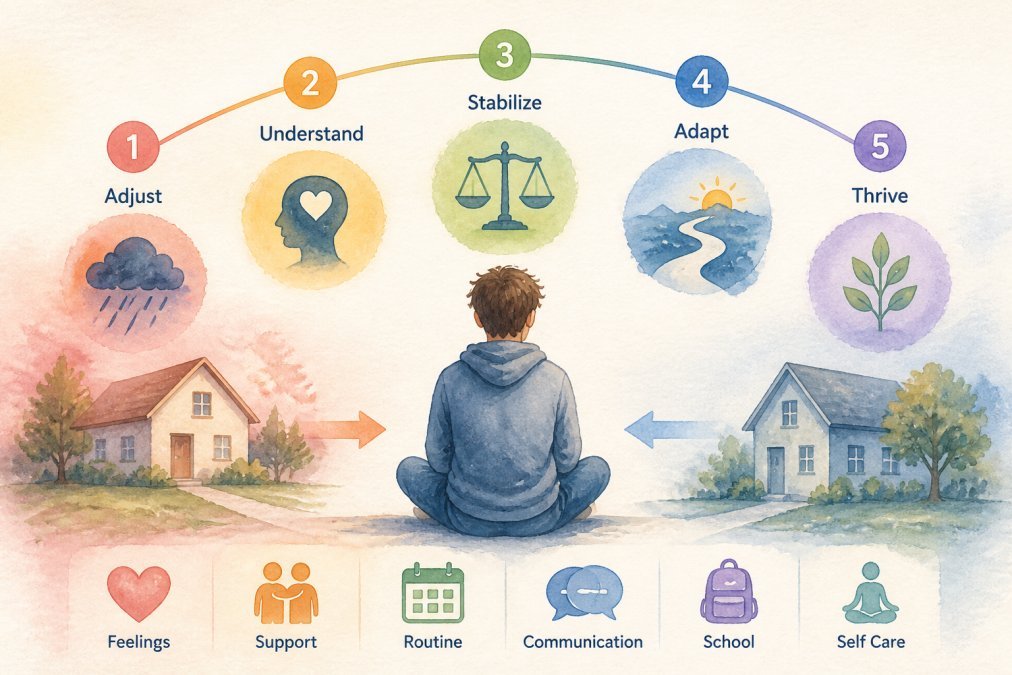
- Understanding betrayal and its emotional impact
- Why counseling matters in betrayal recovery
- Therapeutic approaches and processes in betrayal recovery
- Common misconceptions about counseling and infidelity recovery
- Types of counseling available in the UK for betrayal recovery
- Stages of healing and what to expect in counseling
- Practical guidance for starting counseling in betrayal recovery
- Explore expert-supported resources for betrayal recovery
- Frequently asked questions
- Recommended
Many people think counseling after infidelity is only for couples trying to repair their relationship. That’s a misconception. Counseling supports individual emotional healing and personal growth regardless of whether you stay together or separate. This guide explains how professional support facilitates trauma recovery, rebuilds communication skills, and helps you navigate trust restoration with clarity and confidence.
Key takeaways
| Point | Details |
|---|---|
| Safe processing environment | Counseling creates a judgment-free space to work through intense betrayal emotions |
| Evidence-based methods | Therapeutic approaches target trauma symptoms while restoring healthy communication patterns |
| Trust rebuilding framework | Recovery involves transparency practices, clear boundaries, and consistent behavioral change |
| Flexible format options | Multiple therapy types including individual, couples, group, and online sessions suit diverse needs |
| Timeline commitment | Effective healing typically requires 6 to 12 months of consistent therapeutic engagement |
Understanding betrayal and its emotional impact
Betrayal shatters your sense of safety and trust. Infidelity takes many forms: emotional affairs involving deep connection without physical intimacy, physical affairs with sexual involvement, or digital betrayal through online interactions. Each type causes profound pain.
You’ll likely experience intense emotions after discovering betrayal. Common reactions include:
- Overwhelming anger toward your partner
- Deep grief over lost trust and innocence
- Shame about what happened or your reactions
- Confusion about whether to stay or leave
- Anxiety about future relationships
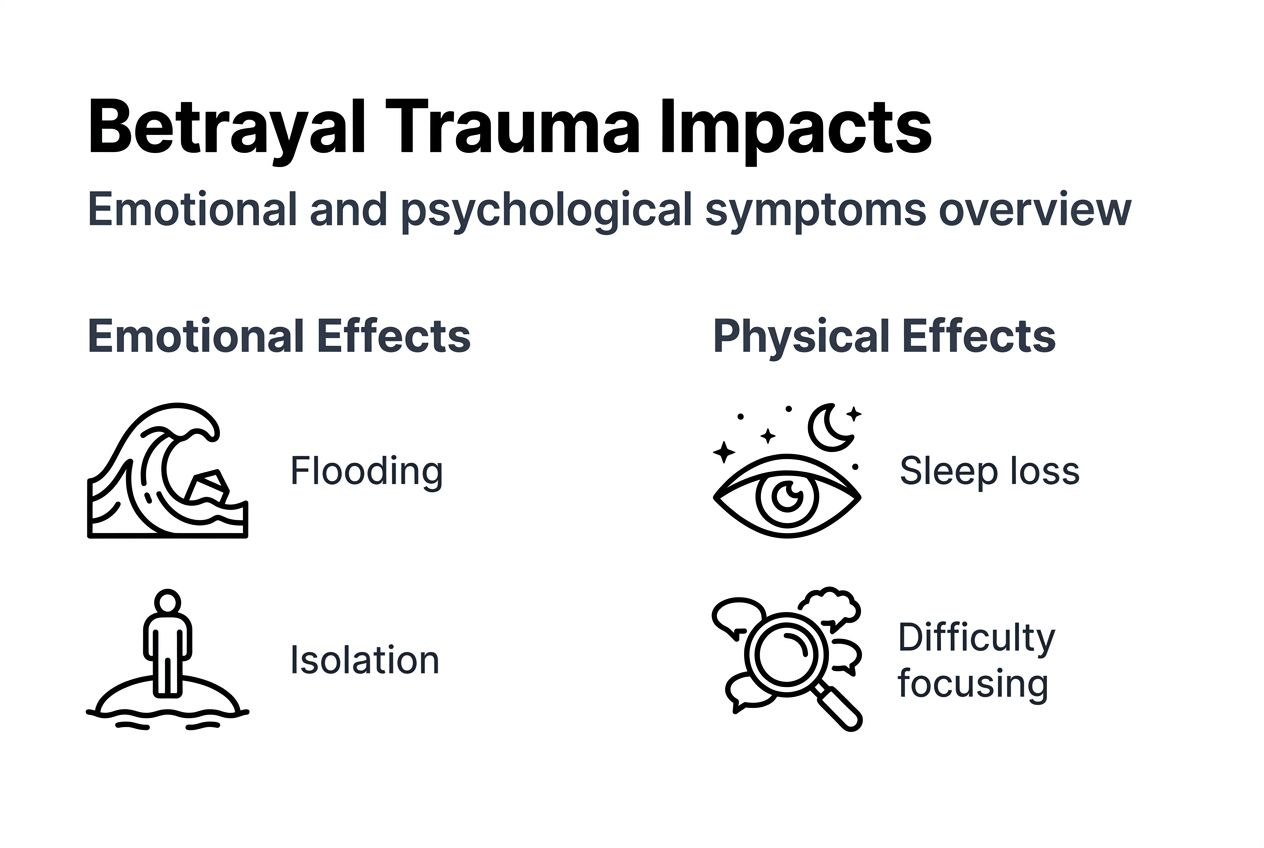
Betrayal triggers genuine trauma symptoms. You might experience emotional flooding where feelings overwhelm your ability to think clearly. Your self-esteem often plummets as you question your worth and judgment. Many people mistakenly view these responses as simple relationship problems rather than recognizing the trauma complexity requiring specialized therapeutic support.
Psychological impacts extend beyond immediate distress. Betrayal trauma can disrupt your sleep patterns, concentration, and ability to function in daily activities. You might replay events obsessively or struggle with intrusive thoughts about the affair details.
Why counseling matters in betrayal recovery
Counseling creates a safe, neutral environment where you can express raw emotions without fear of judgment. Unlike talking with friends or family who may take sides, a trained therapist maintains objectivity while validating your experience.
Therapists facilitate processing complex emotions that arise from betrayal. You’ll work through layers of hurt, guilt, anger, and confusion with professional guidance. A neutral therapist enables both partners to express themselves without the defensiveness that typically emerges in home conversations.
Trauma-informed care addresses the biological and psychological impacts of betrayal. This specialized approach recognizes that your nervous system needs healing alongside your emotions. Therapists trained in trauma understand emotional flooding and teach regulation techniques to manage overwhelming feelings.
Structured counseling helps you clarify confusing emotions and reduce mental chaos. Through guided reflection, you’ll identify patterns, understand triggers, and develop healthier coping mechanisms. This clarity becomes essential when making decisions about your relationship’s future.
Professional support validates your experience while providing tools to navigate recovery effectively. You’re not overreacting—you’re healing from genuine trauma.
The benefits of counseling in betrayal recovery extend to both emotional regulation and practical decision making. Therapy equips you with skills that serve your wellbeing whether you choose to repair the relationship or move forward separately.
Pro Tip: Engaging with a trauma-informed counselor early in your recovery process significantly improves your ability to regulate emotions and make clear decisions under stress.
Therapeutic approaches and processes in betrayal recovery
Individual counseling focuses on your personal healing journey. You’ll process trauma, rebuild self-esteem, and develop emotional regulation skills without the pressure of managing your partner’s feelings simultaneously. This approach works well if you need space to explore your own experience first.
Couples counseling facilitates joint healing when both partners commit to recovery. Therapy helps rebuild trust through transparency, accountability, and improved communication between partners. Sessions create structured opportunities to address difficult topics with professional mediation.
Trauma-informed approaches are critical for managing betrayal trauma symptoms and facilitating emotional regulation. Models like APSATS (Association of Partners of Sex Addicts Trauma Specialists) guide therapists in addressing the neurological impacts of betrayal trauma.
| Therapy Type | Primary Focus | Best Suited For |
|---|---|---|
| Individual counseling | Personal trauma healing and emotional regulation | Anyone needing space for self-focused recovery |
| Couples therapy | Joint communication, accountability, trust rebuilding | Partners committed to relationship repair |
| Group therapy | Shared experiences and peer support | Those feeling isolated in their pain |
| Hybrid approach | Combined individual and couples work | Complex situations requiring both personal and relational healing |
Counselors train you in essential communication skills:
- Active listening without defensive reactions
- Expressing needs clearly and respectfully
- Managing conflict without escalation
- Validating emotions while maintaining boundaries
Trust rebuilding involves concrete behavioral changes. Transparency becomes the foundation: sharing schedules, passwords, and whereabouts voluntarily. Boundary setting protects both partners while rebuilding safety. Consistent behaviors over time demonstrate genuine commitment to change.
Therapy typically follows these progressive steps:
- Process immediate emotional crisis and stabilize mental health
- Establish open communication patterns about the betrayal and its impacts
- Practice trust-building exercises with professional guidance
- Support individual growth and relationship decisions
Exploring different therapy types after betrayal helps you choose the format matching your current needs. Many find that therapeutic approaches for healing work best when tailored to their specific situation and recovery stage.
Pro Tip: Combining individual therapy with couples counseling often produces stronger recovery outcomes by addressing both personal trauma and relationship dynamics simultaneously.
recoveryCommon misconceptions about counseling and infidelity recovery
Counseling supports you regardless of relationship outcome. Whether you ultimately stay together or separate, therapy helps you heal trauma, rebuild self-worth, and develop healthier relationship patterns for your future. Recovery isn’t contingent on reconciliation.
Infidelity rarely stems from simple selfishness. Affairs often represent complex coping mechanisms for unaddressed relationship issues, personal insecurities, or unmet emotional needs. Understanding underlying causes doesn’t excuse betrayal but helps prevent future patterns.
Recovery takes substantial time and commitment. Quick fixes don’t exist for betrayal trauma. Expecting immediate healing sets you up for frustration and potential therapy dropout. Genuine transformation requires months of consistent work.
Key misconceptions to release:
- Therapy only helps couples staying together
- Infidelity means the betrayed partner was inadequate
- Recovery should happen quickly with motivation alone
- Counseling just addresses surface relationship conflicts
Effective therapy addresses deep trauma responses, not superficial relationship disagreements. Your nervous system needs healing alongside your emotions. Therapists working with betrayal understand this complexity and tailor interventions accordingly.
Types of counseling available in the UK for betrayal recovery
Face-to-face counseling offers personal connection and non-verbal communication benefits. You meet with your therapist in their office, creating a dedicated space separate from daily life. Geographic location and scheduling constraints may limit accessibility for some people.
Online counseling provides flexibility and broader access to specialized therapists. Video sessions eliminate travel time and expand your options beyond local providers. This format works particularly well for busy schedules or rural areas with limited mental health resources.
Different counseling formats suit varied needs, enhancing accessibility for diverse circumstances. Group therapy offers shared experiences that reduce isolation. Hearing others’ stories reminds you that betrayal trauma is common and you’re not alone in your struggle.
Workshops provide structured education about infidelity recovery alongside skill-building exercises. These intensive formats compress learning into focused timeframes, though they work best when combined with ongoing individual or couples therapy.
| Format | Advantages | Considerations |
|---|---|---|
| In-person sessions | Personal connection, full non-verbal communication | Geography limits, travel time required |
| Online therapy | Flexible scheduling, wider therapist selection | Requires reliable internet, less personal for some |
| Group counseling | Peer support, reduced isolation, cost-effective | Less individualized attention, privacy concerns |
| Workshops | Intensive skill-building, structured education | Time commitment, best combined with ongoing therapy |
Specialized UK therapists focus specifically on trauma-informed betrayal recovery. Look for professionals with training in:
- Betrayal trauma and infidelity recovery
- EMDR (Eye Movement Desensitization and Reprocessing) for trauma
- Attachment-focused therapy
- Sex addiction and compulsivity (if relevant)
Stages of healing and what to expect in counseling
Healing progresses through distinct phases. Crisis management comes first, focusing on emotional stabilization and safety. You’ll learn coping skills to manage overwhelming feelings and intrusive thoughts during this acute phase.
Emotional rebuilding follows once immediate crisis subsides. You’ll process the betrayal’s deeper impacts, work through grief, and begin reconstructing your sense of self. This stage involves substantial emotional work as you examine relationship patterns and personal vulnerabilities.
Personal and relational growth represents the final phase. You’ll develop new relationship skills, establish healthier boundaries, and make informed decisions about your future. Growth occurs individually regardless of whether the relationship continues.
Structured therapy typically requires 6 to 12 months of commitment as healing unfolds gradually, not instantly. Complex situations involving multiple betrayals or additional trauma may extend this timeline. Your specific circumstances determine duration.
Therapy manages emotional flooding and trauma symptoms through gradual progress. You’ll notice incremental improvements in your ability to regulate emotions, communicate needs, and envision your future. Setbacks are normal and don’t indicate failure.
Realistic expectations prevent frustration:
- Progress isn’t linear—expect good days and difficult ones
- Triggers may persist even as overall functioning improves
- Both partners must actively engage for couples therapy success
- Individual healing continues regardless of relationship outcome
Follow these steps for effective counseling engagement:
- Commit to regular session attendance without excessive cancellations
- Practice emotional openness even when vulnerability feels uncomfortable
- Set specific recovery goals with your therapist’s guidance
- Apply learned communication and regulation skills between sessions
Understanding relationship growth after betrayal helps you recognize progress markers throughout recovery. Familiarizing yourself with trust rebuilding timelines establishes realistic expectations for your healing journey.
Practical guidance for starting counseling in betrayal recovery
Choose therapists with specific qualifications in trauma and infidelity recovery. Look for UK accreditation through organizations like BACP (British Association for Counselling and Psychotherapy) or UKCP (UK Council for Psychotherapy). Verify their experience working with betrayal trauma specifically.
Consider format preferences based on your lifestyle and needs:
- In-person sessions if you value face-to-face connection
- Online therapy for scheduling flexibility or geographic limitations
- Group counseling if peer support appeals to you
- Individual therapy if you need personal space before couples work
Prepare emotionally for therapy by acknowledging vulnerability as strength. Healing requires opening wounds that hurt deeply. Set clear therapy goals with your counselor during initial sessions to guide your work together.
Maximize counseling benefits by actively engaging:
- Complete homework assignments between sessions
- Practice new communication skills with your partner
- Journal about insights and emotional patterns
- Ask questions when techniques or concepts seem unclear
Leverage specific counseling tools your therapist provides. Communication frameworks help you express needs without attacking. Trust-building exercises create opportunities for positive interactions. Emotional regulation techniques reduce flooding during difficult conversations.
Pro Tip: Starting counseling early after discovering betrayal and maintaining consistent engagement significantly improves long-term emotional regulation, decision clarity, and overall recovery outcomes.
A comprehensive step-by-step recovery checklist helps you organize your healing process alongside professional counseling support.
Explore expert-supported resources for betrayal recovery
Recovery extends beyond counseling sessions into daily life practices. After the Affair UK offers structured resources designed specifically for individuals navigating betrayal trauma in the UK context.
Our infidelity recovery checklist provides a clear roadmap through healing stages, helping you track progress and identify next steps. These frameworks complement your therapy work by organizing recovery into manageable actions.
Explore relationship growth resources that address trust rebuilding, communication repair, and personal development during recovery. Our materials draw from both clinical expertise and lived experience with betrayal trauma.
Access our comprehensive resource library for additional guides, articles, and tools supporting every recovery phase. These expert-developed materials fill gaps often present in traditional therapy resources, providing structured guidance between counseling sessions.
Frequently asked questions
What if I don’t want to stay in the relationship—can counseling still help?
Absolutely. Individual counseling supports your healing regardless of relationship outcome. Therapy helps you process trauma, rebuild self-worth, and develop healthier patterns for future relationships. Many people use counseling specifically to gain clarity about whether to stay or leave.
How long does counseling for betrayal recovery usually last?
Typical counseling spans 6 to 12 months for meaningful recovery, though complex situations may require longer. Healing progresses through distinct phases: crisis management, emotional rebuilding, and personal growth. Your specific circumstances and commitment level influence timeline.
Is online counseling as effective as face-to-face for infidelity issues?
Research shows online therapy delivers comparable outcomes to in-person sessions for most people. Video counseling provides access to specialized betrayal trauma therapists regardless of location. The key factor is finding a qualified therapist you connect with, not the delivery format.
What should I look for when choosing a counselor for betrayal recovery?
Seek therapists with specific training in trauma and infidelity recovery, not just general relationship counseling. Verify UK accreditation through BACP or UKCP. Ask about their experience with betrayal trauma and therapeutic approaches they use like EMDR or attachment-focused therapy.
Can counseling help if only one partner attends?
Yes. Individual therapy supports personal healing even when your partner refuses counseling. You’ll work on emotional regulation, boundary setting, and decision making about your relationship’s future. Many people start individual therapy before their partner joins, or continue alone if couples work isn’t possible.
Recommended
- Relationship Healing Process – After the Affair Series
- 7 Key Benefits of Therapy – After the Affair Series
- How to Guide Clients After Infidelity for Healing – After the Affair Series
- Relationship Growth After Infidelity – After the Affair Series