TL;DR:
- Betrayal trauma disrupts core safety, causing symptoms like shock, hypervigilance, and emotional numbness.
- Healing requires acknowledgment, boundary-setting, therapy, and cultivating self-compassion and patience.
- True resilience involves rewriting your story, making meaning of the experience, and prioritizing personal growth.
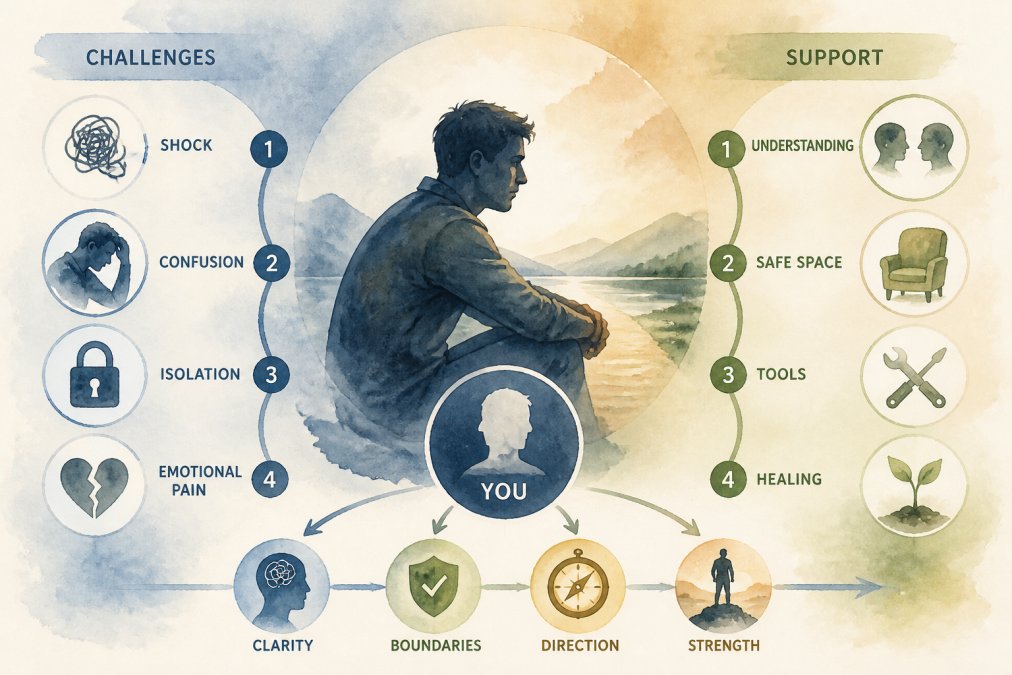
Betrayal by a partner doesn’t just break trust. It can shatter your entire sense of reality. The shock, confusion, and grief that follow infidelity are not signs of weakness. They are signs that something deeply important was violated. Research shows that 70% of those betrayed experience trauma symptoms similar to PTSD, including flashbacks, hypervigilance, and emotional numbness. This guide walks you through what betrayal trauma actually does to you, how to gather the right internal and external resources, and the specific steps you can take to rebuild emotional resilience, even when it feels impossible right now.
Table of Contents
- Understanding betrayal trauma and its impact
- Preparing for healing: What you need for resilience
- Step-by-step guide to promoting resilience after betrayal
- Common challenges and mistakes to avoid during recovery
- What healing looks like: Signs of progress and self-assessment
- Why true resilience after betrayal means rewriting your story
- Find expert support and in-depth resources for your recovery
- Frequently asked questions
Key Takeaways
| Point | Details |
|---|---|
| Acknowledge and process trauma | Facing emotions and understanding betrayal trauma sets the foundation for healing. |
| Use internal and external resources | Combining personal strengths with support systems accelerates resilience. |
| Follow clear steps | Moving through structured actions promotes measurable recovery progress. |
| Avoid common mistakes | Suppressing feelings or avoiding support can prolong and worsen healing. |
| Track progress and growth | Celebrate signs of improvement and continue personal development beyond the trauma. |
Understanding betrayal trauma and its impact
Before diving into what you can do about betrayal, it’s important to understand how it truly impacts your wellbeing.
Betrayal trauma is a specific psychological response that occurs when someone you depend on for safety and connection violates your trust. Unlike general stress or sadness, betrayal trauma disrupts your core sense of security. Your nervous system treats the discovery of an affair as a genuine threat, triggering the same fight, flight, or freeze response as physical danger.
Common symptoms include:
- Shock and disbelief, even when evidence is clear
- Hypervigilance, constantly scanning for more lies or threats
- Emotional numbness, feeling detached from yourself or your life
- Intrusive thoughts, replaying events or imagining details
- Anxiety and panic attacks, especially around triggers
- Grief, mourning the relationship you thought you had
One thing many people don’t realize is that the type of affair matters less than you might expect. Secret or emotional affairs can be just as damaging as physical ones, sometimes more so, because they involve deep emotional investment and sustained deception.
“The damage from betrayal is not measured by physical contact. It is measured by the depth of deception and the trust that was broken.”
Here’s a quick look at how betrayal trauma compares to typical stress responses:
| Feature | Typical stress | Betrayal trauma |
|---|---|---|
| Trigger | External pressure | Violation by a trusted person |
| Duration | Short to medium term | Can last a year or more |
| Core impact | Overwhelm | Shattered identity and safety |
| Recovery path | Rest and problem-solving | Processing, meaning-making, support |
Understanding the effects of infidelity on your mental and physical health is the first step toward healing. Your reactions, however intense, are normal. And there are ways to cope after infidelity that genuinely work, which we’ll cover next.
Preparing for healing: What you need for resilience
Now that you understand the impact of betrayal trauma, let’s gather the essential resources and foundation you’ll need for building back resilience.
Resilience doesn’t appear overnight. It grows from a combination of the right mindset and the right support around you. Before you take action steps, you need to check in with three core mindsets: openness (being willing to feel what’s real), self-compassion (treating yourself as you would treat a close friend in pain), and patience (understanding that healing is not linear).
Research shows that women tend to process infidelity through expression and meaning-making, while men may suppress or avoid feelings. Neither approach is wrong, but knowing your tendency helps you choose the right support strategy.
Here’s how internal and external resources compare:
| Resource type | Examples |
|---|---|
| Internal | Journaling, self-reflection, identifying values, mindfulness practice |
| External | Therapy, support groups, trusted friends, infidelity recovery literature |
Actionable first steps you can take right now:
- Start a private journal and write without editing yourself
- Book a session with a therapist who specializes in trauma or infidelity
- Share your experience with one trusted person who won’t judge or rush you
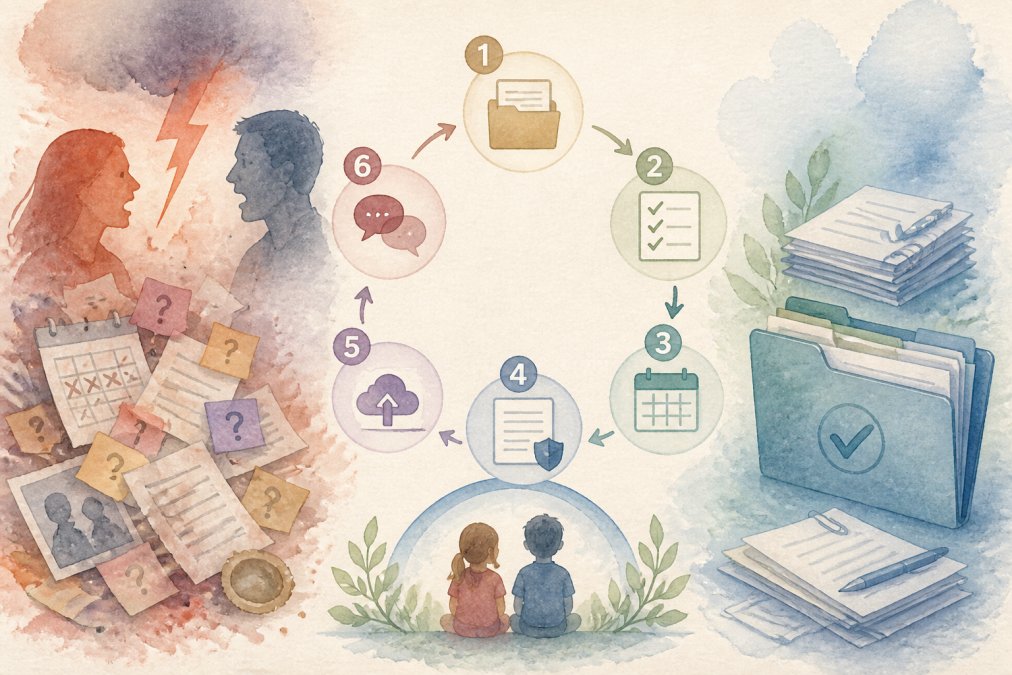
- Use a structured checklist for infidelity recovery to organize your healing process
- Explore personal growth after betrayal as a long-term goal, not just survival
Building personal resilience strategies into your daily routine, even in small ways, creates momentum when motivation is low.
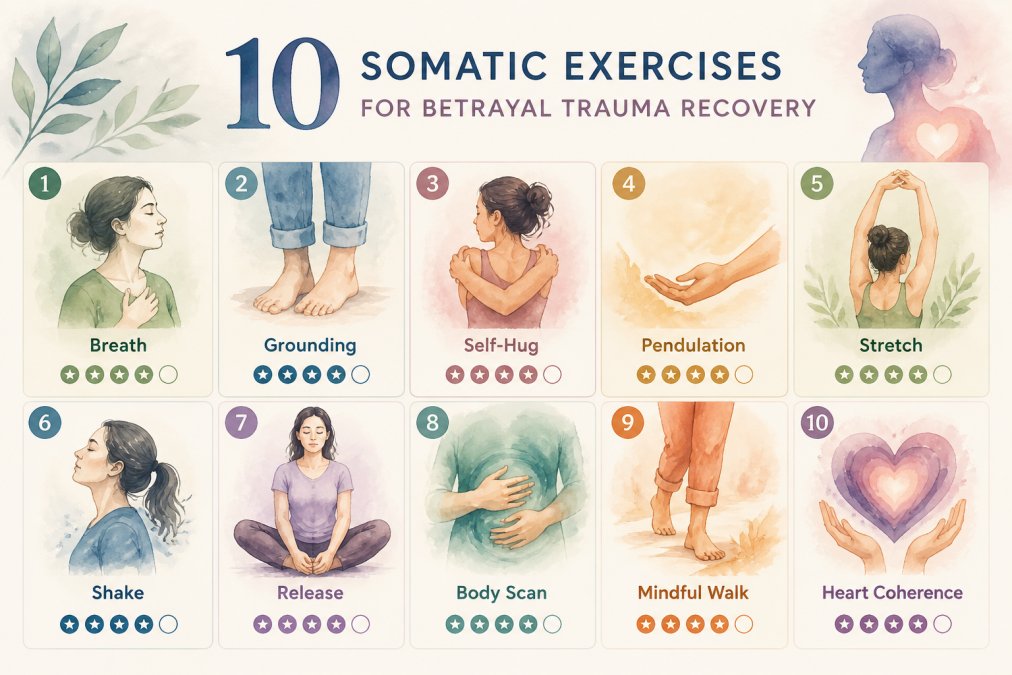
Pro Tip: When emotional distress feels overwhelming, try the 5-4-3-2-1 grounding technique. Name five things you can see, four you can touch, three you can hear, two you can smell, and one you can taste. It pulls your nervous system out of panic and back into the present moment.
Step-by-step guide to promoting resilience after betrayal
Having assembled your foundational resources, it’s time to take action through a structured, evidence-based process.
These steps are not a race. Move through them at your own pace, and know that returning to an earlier step is not failure. It’s part of the process.
- Acknowledge the pain. Stop minimizing what happened. Say it out loud or write it down: “I was betrayed, and it has hurt me deeply.”
- Name your emotions. Anger, grief, shame, relief, confusion. All of them are valid. Naming emotions reduces their intensity and gives you something concrete to work with.
- Set clear boundaries. Decide what you need right now to feel safe, whether that’s physical space, no contact with the affair partner, or clear communication rules with your partner.
- Seek structured support. The benefits of therapy after infidelity are well documented. A professional can help you process what friends and family cannot.
- Reclaim your personal identity. Betrayal often erodes your sense of self. Reconnect with your values, interests, and goals that exist outside the relationship.
- Foster new habits. Sleep, movement, nutrition, and creative outlets are not luxuries during recovery. They are tools. Explore mindfulness after betrayal as one powerful daily practice.
Research suggests that working through rumination and reflection, rather than avoiding it, can lead to significant post-traumatic growth. Not every relationship should be saved. Not all relationships should be reconciled, especially when there is no remorse or when betrayal has happened repeatedly. Choosing yourself is not giving up. It is a valid and courageous path.
For those who do choose to rebuild, relationship growth after infidelity is genuinely possible with the right commitment from both sides.
Pro Tip: Set aside 20 minutes each week, the same day and time, for a personal reflection session. Write about what felt hard, what felt better, and what you need next. This simple habit builds self-awareness and tracks your healing in real time.
Common challenges and mistakes to avoid during recovery
While following the steps is crucial, recovery also means navigating and overcoming common obstacles.
Even with the best intentions, many people fall into patterns that slow or stall their healing. Recognizing these traps early can save you months of unnecessary pain.
The most common mistakes include:
- Numbing the pain with alcohol, overworking, or constant distraction
- Isolating yourself and refusing to let anyone in
- Avoiding your feelings by staying busy or intellectualizing the experience
- Rushing forgiveness before you’ve actually processed the hurt
- Suppressing anger, which is a natural and necessary part of grief
- Comparing your timeline to others who seem to heal faster
One of the most damaging patterns, particularly for men, is emotional suppression. Research is clear that suppressing emotions after betrayal leads to prolonged distress and delayed recovery.
“Healing is not about getting over it. It is about moving through it with enough support that you come out changed, not destroyed.”
Setbacks and triggers are not signs that you’re failing. A song, a location, or even a time of year can bring the pain rushing back. When that happens, use the coping techniques you’ve been building, and reach out for support rather than retreating.
If you have children, their wellbeing matters too. Understanding kids and resilience after infidelity can help you support them while also protecting your own healing process. And if grief feels too heavy to carry alone, grief support resources can provide additional guidance during your hardest moments.
What healing looks like: Signs of progress and self-assessment
As you make your way through the healing process, it’s vital to recognize how far you’ve come and what to look for as signs of progress.
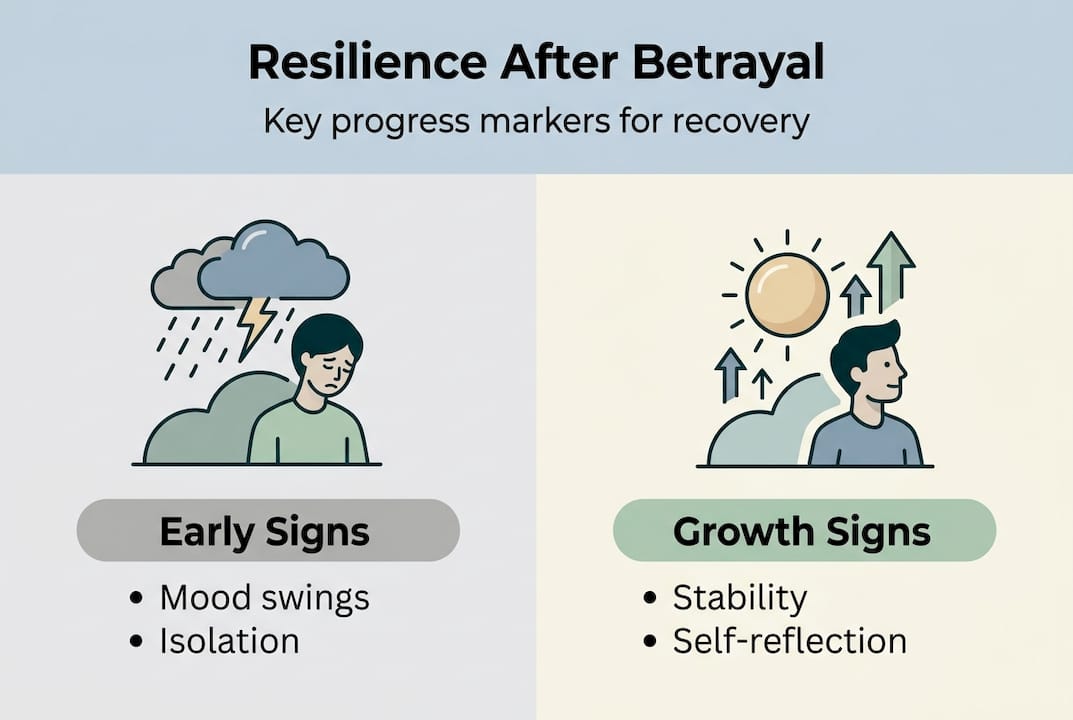
Signs you are building resilience include:
- Longer stretches between emotional crashes
- Clearer personal boundaries and the confidence to hold them
- Increased hope about your future, even if it’s uncertain
- Restored self-confidence in your judgment and worth
Research shows that women’s rumination sometimes leads to genuine growth and meaning-making, a reminder that painful reflection can be productive.
| Indicator | Early recovery | Growing resilience |
|---|---|---|
| Emotional stability | Frequent crashes | Longer stable periods |
| Self-worth | Shattered | Slowly rebuilding |
| Future outlook | Hopeless | Cautiously hopeful |
| Boundaries | Unclear | Defined and held |
Celebrate every milestone, small and large. Explore signs of personal growth and use relationship improvement markers to assess where you stand.

Why true resilience after betrayal means rewriting your story
Seeing the markers of your own progress is powerful, but true transformation comes from a deeper shift.
Most resilience advice focuses on symptom management: sleep better, journal more, see a therapist. That advice is not wrong. But it stops short of the real work, which is changing the story you tell about who you are and what happened to you.
Betrayal has a way of rewriting your identity without your permission. You go from being someone who trusted and loved openly to someone who feels foolish, broken, or unworthy. That rewrite happens automatically. What doesn’t happen automatically is writing a new story on your own terms.
Meaning-making is the process of asking not just “why did this happen” but “what does this reveal about what I value, what I need, and who I want to become.” That question is harder. It takes longer. But it is the difference between surviving betrayal and genuinely growing from it.
We’ve seen people use betrayal as the turning point that led to their most authentic life. Not because the affair was good, but because the healing forced them to meet themselves honestly for the first time. Relationship growth insights show that this kind of transformation is not rare. It is possible for you too.
You are not just a person who was betrayed. You are the author of what comes next.
Find expert support and in-depth resources for your recovery
If you’re ready to go deeper or want tailored guidance, there are powerful resources designed for your next steps.
At AfterTheAffair.uk, we’ve built a structured library of tools specifically for people navigating infidelity recovery. Whether you’re in the early shock phase or working toward longer-term growth, our infidelity recovery checklist gives you a clear, step-by-step framework to follow. For those focused on rebuilding or moving forward, our guidance on relationship growth after infidelity offers evidence-informed strategies. You can also explore our full resource library for books, articles, and downloadable tools that support every stage of healing. You don’t have to figure this out alone.
Frequently asked questions
How long does it typically take to build resilience after betrayal?
Betrayal trauma symptoms can last a year or more, but most people notice meaningful progress within a few months of consistent support and reflection. Full emotional healing is individual and depends on the severity of the betrayal and the quality of support available.
Is it normal to feel worse before getting better?
Absolutely. Rumination and painful reflection can actually facilitate later growth, meaning the hard emotional work is part of moving forward, not a sign that you’re stuck. Many people report setbacks before experiencing consistent improvement.
Should I try to reconcile the relationship or focus on personal healing?
Your personal healing comes first, always. Not all relationships should reconcile after infidelity, particularly when there is no genuine remorse or when betrayal has been repeated. Reconciliation is a choice that should only happen once you feel emotionally stable enough to make it clearly.
Can men and women heal differently after betrayal?
Yes. Research confirms that men often avoid processing while women tend to express and ruminate, which means the most effective support strategies can look quite different depending on the individual. Recognizing your own pattern is the first step to choosing the right approach.
Recommended
- How to Cope After Infidelity – After the Affair Series
- Rebuild self-esteem after betrayal: 5 practical steps – After the Affair Series
- Relationship Healing Process – After the Affair Series
- Step-by-step betrayal recovery: healing trust in 2026 – After the Affair Series
- Empathy in healing: How trauma therapy transforms recovery