- Why serial cheating needs different boundaries
- What boundaries are (and what they are not)
- The three layers of serial cheating recovery boundaries
- Boundaries that tend to matter most (and why)
- How to set boundaries without getting pulled into debates
- When boundaries become dealbreakers
- A stage-based way to think about boundaries
- The trade-offs you should know going in
Your phone lights up with a notification and your body reacts before your mind can catch up. That is not you being “dramatic.” That is your nervous system doing its job after repeated betrayal.
Serial cheating creates a specific kind of injury: not just a broken promise, but a pattern. And when there is a pattern, boundaries stop being a relationship “nice to have” and become basic safety equipment. The goal is not to control your partner. The goal is to make your life livable again, whether you reconcile or separate.
This is a practical deep dive into serial cheating recovery boundaries – what they are, how they work, and how to set them without getting pulled into endless arguments.
Why serial cheating needs different boundaries
A one-time affair and serial infidelity can both be devastating, but the recovery tasks are different. With serial cheating, the core problem is not only a single choice. It is repetition, compartmentalization, and often a long history of deception. That changes what “rebuilding trust” realistically requires.
When betrayal has happened multiple times, your brain will scan for danger everywhere: phones, calendars, tone shifts, time gaps, friendliness, fatigue. Many betrayed partners try to calm this by asking more questions, checking more devices, or pleading for reassurance. That can help in small doses, but it is not a long-term plan.
Boundaries are the long-term plan. They create clear conditions for contact, access, honesty, and accountability so you are not forced to live in detective mode.
What boundaries are (and what they are not)
A boundary is a condition you set to protect your wellbeing, paired with a consequence you can actually follow through on. It is about what you will do, not what you will “make” someone else do.
A rule tries to control. A boundary clarifies.
For example, “You are not allowed to talk to anyone attractive” is a rule that will collapse under real life. “I will not stay in a relationship where you maintain private, secretive contact with former partners, hookups, or affair partners” is a boundary. It names the condition and the line.
Boundaries also are not punishments. If you set consequences to hurt your partner back, you will end up negotiating against yourself later. The most effective boundaries are boring, repeatable, and consistent.
The three layers of serial cheating recovery boundaries
Most couples try to set one or two boundaries (usually device access) and then wonder why nothing feels better. With serial cheating, you typically need three layers working together: immediate safety, transparency and accountability, and long-term character change.
1) Immediate safety boundaries (first weeks to months)
These boundaries reduce re-injury while your system is still in crisis. They are often time-limited and very concrete.
No contact with affair partners is the baseline. Not “I blocked them” followed by private relapses. It means written no-contact messages if needed, blocking across platforms, and removing shared spaces where contact can “accidentally” happen.
You may also need reality-stabilizing boundaries: sleeping arrangements, alcohol limits, and agreements about leaving the house. If your partner disappears for hours after an argument, your body will interpret that as threat. A safety boundary can be as simple as, “If you need space, you tell me where you are going and when you will be back. If you will not, I will remove myself from the conversation and sleep separately tonight.”
If there is any emotional or physical intimidation, coercion, or reckless behavior, safety boundaries must include support outside the relationship. That can mean staying with family, consulting a therapist, or getting legal advice. This is not escalation. This is protection.
2) Transparency and accountability boundaries (months 1-12)
Serial cheating recovery boundaries usually require verifiable transparency, not promises.
Transparency often includes open-device access, shared passwords, and location sharing – but only if it is paired with a bigger purpose: ending secrecy as a lifestyle. If you are checking devices every hour and still panicking, the issue is not that you are “doing it wrong.” The issue is that transparency is serving as a temporary sedative, not a rebuilding plan.
Accountability means your partner takes responsibility for creating systems that prevent relapse. That can include individual therapy, a relapse prevention plan, and clear agreements about high-risk situations (work travel, nights out, social media use, private messaging, pornography if relevant to the pattern, and “old flames” contacts).
A key principle here: you should not be the manager of their recovery. Your boundary can be, “I will not continue reconciliation unless you are in consistent individual therapy and sharing your progress in specific, observable ways.” Observable means actions: sessions attended, topics addressed, tools used, changes implemented, and willingness to answer questions without defensiveness.
3) Long-term character change boundaries (after the first year)
Serial cheating is often rooted in entitlement, emotional avoidance, poor empathy, impulsivity, or a need for validation that becomes compulsive. Trust does not come back because you have passwords. Trust comes back when the person becomes trustworthy.
Long-term boundaries focus on values: honesty even when it costs them, consistent repair after conflict, and a demonstrated willingness to tolerate discomfort without escaping into secrecy.
These boundaries can sound like: “If you lie about small things, we treat that as seriously as big things, because lying is the problem.” Or, “If you hide purchases, messages, or plans, I will assume secrecy is returning and I will pause reconciliation until we address it with professional support.”
Boundaries that tend to matter most (and why)
There is no universal list, but serial cheating recovery boundaries usually cluster around the same pressure points.
First is contact boundaries. Serial cheaters often maintain a pipeline of attention – exes, flirtations, “friends” who are not actually friends. A meaningful boundary names what counts as inappropriate contact and removes ambiguity. If your partner argues about definitions for hours, that is information.
Second is truth boundaries. Many betrayed partners can tolerate painful truth better than continued confusion. You can set a boundary around full disclosure, but it needs structure. Unstructured “tell me everything right now” can become traumatic for you and still incomplete. A more protective version is, “We will do a formal disclosure process with a counselor, with a timeline, facts, and an opportunity for my questions.”
Third is repair boundaries. After serial cheating, you need a partner who can sit in your pain without making it about them. A boundary here might be, “If you become defensive, minimize, or blame-shift when I ask a question, I will end the conversation and we will return to it in therapy.”
Fourth is progress boundaries. Serial patterns rarely shift without sustained work. You are allowed to require measurable progress, not vague sincerity.
How to set boundaries without getting pulled into debates
If you have tried to set boundaries before, you may have been met with tears, anger, bargaining, spiritual promises, or the classic, “Why are you punishing me?” The antidote is clarity and repetition.
Start by naming what the boundary protects. “I need to reduce re-injury while I decide what I want.” Then name the condition. Then name what you will do if it is not met.
Keep consequences focused on your choices, not their morality. “If you delete messages, I will assume secrecy is active and I will step back from reconciliation. We will separate rooms and I will schedule a consult with a therapist or attorney to understand my options.” That is not a threat. It is a plan.
Expect some grief. A partner who is serious about change may still feel ashamed and restricted at first. That does not mean the boundary is wrong. It means the old way of living had perks, and those perks are now incompatible with staying in your life.

When boundaries become dealbreakers
A boundary is only as strong as your willingness to act on it. That is hard when you love someone, share kids, or fear being alone. So it helps to decide ahead of time what crosses into “I am not safe here.”
Dealbreakers often include any new cheating behavior, continued contact with affair partners, ongoing lying and omission, refusal of therapy or accountability, or retaliatory behaviors like rage, intimidation, or punishment when you express pain.
It also depends on your context. Some betrayed partners can tolerate a slow start if there is consistent effort and humility. Others cannot tolerate one more gray area because their health is already suffering. There is no “correct” threshold. There is only the threshold that keeps you stable.
A stage-based way to think about boundaries
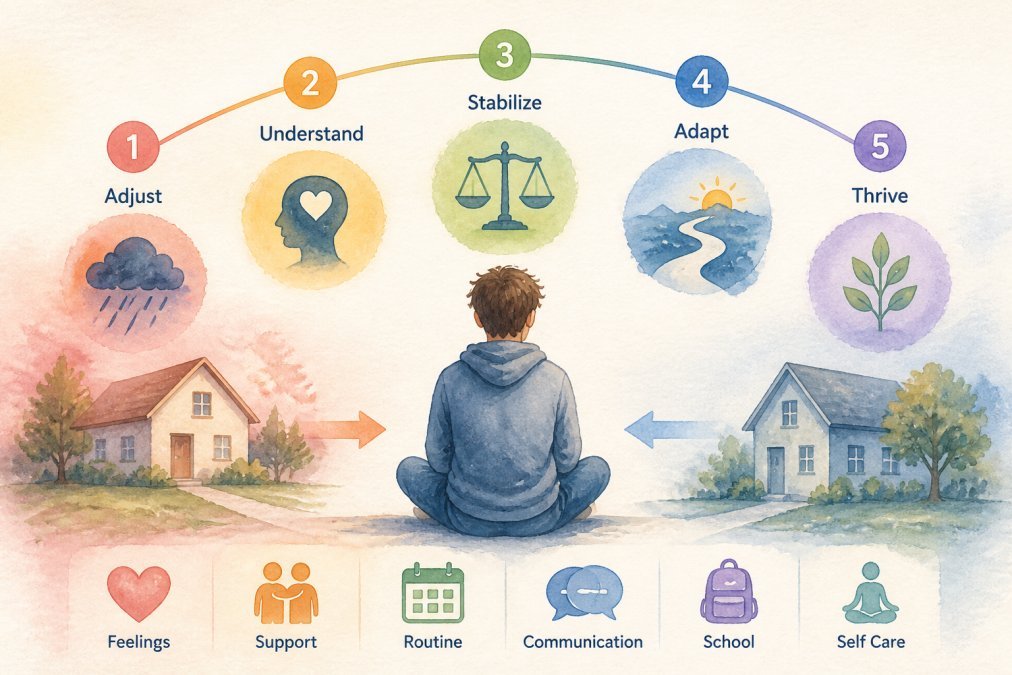
In the early stage, boundaries are about containment: stopping the bleeding and getting your feet under you. In the middle stage, they are about testing reality: is this person actually changing, and are they willing to rebuild the relationship in daylight? In the later stage, boundaries become your new normal: how you both protect the relationship from secrecy and disconnection.
If you want a structured pathway that matches boundaries to the phase you are in – and to the specific type of infidelity, including serial patterns – the resources at Aftertheaffair.uk are built around that stage-based approach.
The trade-offs you should know going in
Transparency boundaries can calm panic, but they can also keep you fused to monitoring if they are the only tool you have. That is why pairing them with nervous system support and a longer-term rebuild plan matters.
Some partners will comply with boundaries to keep the relationship, without doing the internal work. Compliance is not transformation. Watch for whether they take initiative, seek feedback, and repair quickly when they slip.
Finally, boundaries can clarify that reconciliation is not viable. That can be heartbreaking, but clarity is not cruelty. Serial cheating thrives in confusion. Boundaries bring reality back into the room.
You are allowed to need what you need to heal. If someone wants access to your life after repeated betrayal, they do not get to negotiate away the conditions that make you safe. Your job is not to make them change. Your job is to protect your future while you watch what they choose.