- What is trickle truth after an affair?
- Why trickle truth happens (and why it still harms)
- How trickle truth affects betrayal trauma and recovery
- Trickle truth vs. normal ambiguity: a helpful distinction
- The real cost: consent, dignity, and choice
- What full disclosure is (and what it is not)
- Boundaries that interrupt trickle truth
- If you are the unfaithful partner: what stops the drip-feed
- When trickle truth connects to the “type” of infidelity
- What you can do in the first six months if you suspect trickle truth
You ask one question and get an answer that sort of makes sense. Then, two days later, there is an “oh by the way.” A week after that, a new detail slips out during an argument. Each disclosure resets your nervous system back to day one.
That pattern has a name, and naming it matters because it helps you stop blaming yourself for “not being able to move on.”
What is trickle truth after an affair?
Trickle truth after an affair is a pattern where the unfaithful partner reveals information in small pieces over time rather than offering a complete, accurate account once. The details often come out only when the betrayed partner asks very specific questions, finds evidence, or when the unfaithful partner fears being caught in a lie.
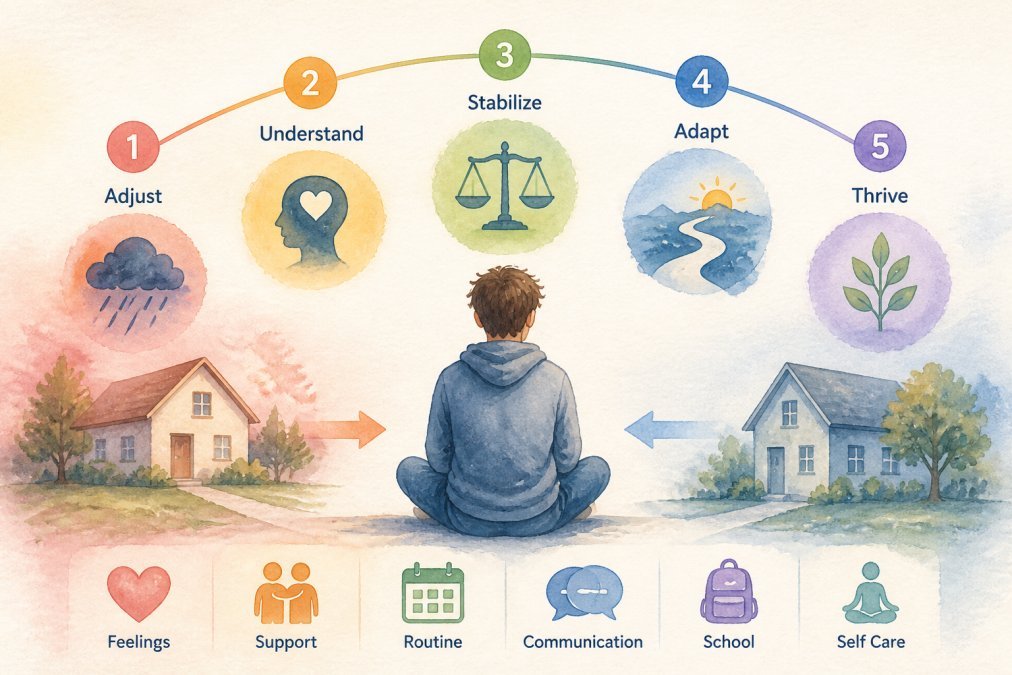
The impact is not just informational. It is physiological. Each new disclosure can reactivate betrayal trauma symptoms – panic, obsessive rumination, sleep disruption, nausea, emotional flooding, and a feeling that reality is unstable. Many betrayed partners describe it as living in a house where the floor keeps shifting.
Trickle truth is not the same as “needing time to remember.” It is usually characterized by selective honesty: the story changes, key facts appear late, and the betrayed partner is left trying to reconstruct what is real.
Why trickle truth happens (and why it still harms)
People who trickle-truth rarely wake up and think, “I want to traumatize my partner again.” More often, it is driven by self-protection. That context can be true while also being completely insufficient as an excuse.
Common drivers include shame, fear of consequences, and the hope that partial honesty will be “enough” to keep the relationship intact. Some unfaithful partners are also trying to control the narrative: reveal the least damaging version first, test your reaction, then adjust. Others are still emotionally attached to the affair partner and want to preserve parts of that bond through secrecy.
There are also psychological factors. Under high stress, some people avoid reality, minimize, or compartmentalize. But trauma-informed does not mean permissive. Even if the behavior is fueled by fear, it still breaks the conditions required for healing: safety, consistency, and reliability.
If you are the betrayed partner, you are not “too sensitive.” The injury is compounded because every new detail implies that yesterday’s reassurance was built on missing information.
How trickle truth affects betrayal trauma and recovery
Affair recovery is not just about forgiveness or relationship skills. It is about rebuilding a sense of reality. After discovery, your brain becomes a threat detector. It scans tone, timing, body language, phone habits, and inconsistencies because your internal alarm system has learned that danger can live inside normal life.
Trickle truth keeps that alarm system switched on.
Instead of one painful reckoning followed by a clearer path, you get repeated micro-discoveries. Each one teaches your nervous system: “There is always more.” That makes it difficult to sleep, focus at work, eat normally, or feel present with your kids. It also undermines the reconciliation process because you cannot consent to rebuilding a relationship when the basic facts keep changing.
In practical terms, trickle truth often creates three predictable loops:
First, interrogation becomes the only tool that feels like it works. You ask more questions because information has been withheld before.
Second, the unfaithful partner feels attacked and becomes more defensive or avoidant.
Third, the cycle repeats, and both people start to confuse “talking about the affair” with “healing from the affair.”
The goal is not endless questioning. The goal is stable reality.
Trickle truth vs. normal ambiguity: a helpful distinction
Some uncertainty is unavoidable early on. Memories can be fuzzy, timelines can be confusing, and certain details may need verifying. Real life is messy.
Trickle truth has a different signature: it is pattern-based. It shows up as repeated omissions of major facts (sexual contact, continued communication, money spent, locations, risk exposure), shifting stories, and disclosures that only happen after evidence appears.
If you find yourself thinking, “I wouldn’t have agreed to reconcile if I’d known this sooner,” you are likely dealing with trickle truth, not ordinary imperfection.
The real cost: consent, dignity, and choice
One reason trickle truth is so destabilizing is that it steals your informed choice.
Whether you stay, separate, or take time to decide, you deserve to make that decision based on a truthful picture of what happened and what is happening now. When information is drip-fed, you are essentially negotiating the future with a moving target.
It also affects dignity. Many betrayed partners describe the humiliation of realizing they defended the unfaithful partner to friends or family based on a story that later proved incomplete. That secondary shame can keep people silent and isolated, which is exactly when they need support.
What full disclosure is (and what it is not)
A common fear is that “full disclosure” means graphic detail. It does not have to.
For most couples, full disclosure means a complete and consistent account of the facts that determine your safety and your decision-making. Typically that includes: the type of affair (emotional, physical, online, opportunistic, serial, exit-pattern, etc.), the time frame, the nature of contact, whether it is truly over, how secrecy was maintained, money spent, and any sexual health risks.
It also includes accountability for the deception itself: not just what happened, but how lying, deleting, gaslighting, or minimizing occurred.
Full disclosure is not the same as humiliating detail. You do not need a mental movie that you cannot unsee. Many betrayed partners do want specific answers, and that is valid. The key is that you get to set the level of detail that supports your stabilization rather than fueling intrusive imagery.
Boundaries that interrupt trickle truth
If trickle truth is a pattern, it needs a pattern-level response. Not rage. Not begging. Not detective work that consumes your life. Boundaries.
A useful boundary is simple and direct: “I need one complete truth, not a series of partial truths. If new major information comes out later, it will be treated as a fresh betrayal, not an add-on.”
Then you define what “major information” means for you. For some, it is any continued contact, any sexual detail, or any financial spending. For others, it is anything that changes the timeline, the risk profile, or the story of how the affair ended.
You can also set process boundaries: disclosure happens in a planned conversation, not at midnight after you find something on a phone. In some cases, especially when emotions escalate quickly, disclosure in the presence of a therapist is safer.
Transparency is often part of the reset. Not as punishment, but as a temporary structure that helps your brain stand down. That might include open devices, shared calendars, and clear agreements about social media and messaging. The trade-off is real: transparency can feel intrusive and can trigger defensiveness in the unfaithful partner. But without verifiable consistency, trust cannot regrow.

If you are the unfaithful partner: what stops the drip-feed
If you are the partner who cheated and you recognize yourself in this, the repair starts with one decision: stop managing your partner’s emotions by controlling information.
Trickle truth is often an attempt to avoid seeing the full impact of the betrayal. But healing requires you to tolerate your partner’s pain without trying to edit reality.
A practical approach is to prepare a written timeline with your best, complete recollection, then review it with professional support so it is consistent and reality-based. If you truly do not remember something, say that clearly, along with what you are doing to confirm it (checking old messages, bank statements, travel records). What destroys trust is not imperfect memory. It is strategic vagueness.
When trickle truth connects to the “type” of infidelity
Different affair patterns tend to produce different disclosure problems.
With online or emotional affairs, the unfaithful partner may minimize because “it wasn’t physical,” drip-feeding key realities like sexual messaging, hidden accounts, or the intensity of attachment.
With opportunistic affairs, the minimization often targets risk and logistics: where it happened, whether protection was used, and whether it truly was “just once.”
With serial patterns, trickle truth can become the norm because there is more history to disclose, and the person may be protecting a long-standing double life.
This is one reason generic advice can feel useless. The disclosure plan that works for a one-time opportunistic incident may be completely inadequate for a serial or exit-pattern affair. If you need a structured, stage-based path that accounts for these differences, Aftertheaffair.uk organizes recovery using a “7 Types of Infidelity” framework so the strategy matches the situation rather than forcing you into one-size-fits-all rules.
What you can do in the first six months if you suspect trickle truth
Early recovery is a crisis period. Your job is stabilization first, not perfect answers.
If you suspect ongoing omissions, focus on three priorities: safety, clarity, and support. Safety includes sexual health testing and firm boundaries around contact with the affair partner. Clarity includes a single, structured disclosure process with agreements about what must be answered and what level of detail you want. Support includes at least one place where you can tell the truth about what is happening – a therapist, a trusted friend, or a private resource – so you are not carrying this alone.
It can also help to set a time-limited container for questions. For example, you might agree to two focused conversations per week, with time to decompress afterward. This prevents the affair from taking up every hour of your life while still honoring your need for information.
If the unfaithful partner refuses a full accounting, continues to change their story, or frames your questions as the “real problem,” that is data. You do not have to make a final stay-or-go decision immediately, but you can treat refusal as a sign that reconciliation is not currently safe.
Healing requires honesty that is proactive, not honesty that is dragged out by discovery.
You deserve a reality that stays still long enough for your body to calm down. And whether you rebuild this relationship or rebuild your life without it, that stability starts when the truth stops arriving in installments.