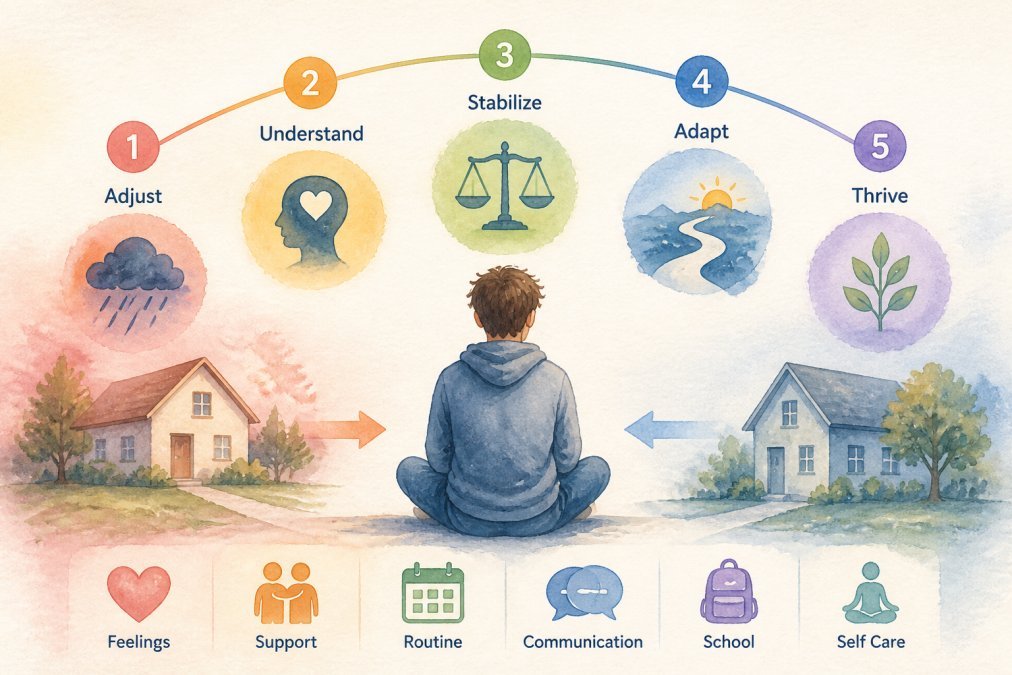
TL;DR:
- Effective healing strategies after infidelity should be evidence-based, create emotional safety, and align with values.
- Recovery is nonlinear; progress may include setbacks and requires flexibility and patience.
- Combining communication exercises, therapy, trust rituals, boundaries, and support groups offers a comprehensive approach.
- Key Takeaways
- How to evaluate marriage healing strategies after infidelity
- Top 5 marriage healing strategies for post-infidelity recovery
- Comparison: Which marriage healing strategies work best for your situation?
- Tailoring your healing strategy: Situational recommendations
- Why one-size-fits-all marriage healing plans rarely work
- Frequently asked questions
Infidelity breaks something fundamental in a relationship, and the weeks that follow can feel like standing in the middle of a collapsed building with no blueprint for rebuilding. You may be cycling through rage, grief, numbness, and desperate hope all within the same hour. Choosing where to even begin your healing feels paralyzing when every article, therapist, and well-meaning friend seems to offer a different answer. The good news is that real, evidence-informed strategies exist, and couples do recover. This guide walks you through how to evaluate your options, compare the most effective approaches, and build a plan that actually fits your life.
Key Takeaways
| Point | Details |
|---|---|
| Framework for healing | Set strong criteria for selecting strategies to avoid confusion and overwhelm. |
| Top strategies explored | Communication, therapy, boundaries, rituals, and community support drive recovery. |
| One size doesn’t fit all | Tailor your approach to your situation for the greatest chance at long-term success. |
| Progress takes time | Genuine healing is gradual and nonlinear, so patience is crucial. |
How to evaluate marriage healing strategies after infidelity
With an understanding of the challenge, let’s clarify what makes a healing strategy truly effective before presenting your options. The immediate aftermath of betrayal is emotionally overwhelming. Your nervous system is in survival mode, and decisions made from that place need structure and safety to be useful. Jumping into the wrong approach at the wrong time can deepen wounds rather than close them.
When evaluating any healing strategy, consider these five core criteria:
- Evidence base: Is the approach grounded in research or clinical practice, or is it purely anecdotal?
- Emotional safety: Does the strategy create space for both partners to speak and be heard without escalating conflict?
- Support network access: Can you realistically access the support this strategy requires, whether that’s a therapist, group, or trusted friend?
- Therapy accessibility: Is professional guidance available, and is it trauma-informed?
- Alignment with personal values: Does the approach respect your cultural background, spiritual beliefs, and relationship goals?
“65% of people experiencing infidelity report significant anxiety, making structured, personalized approaches essential rather than optional.”
One of the most common mistakes couples make is expecting linear progress. Healing after betrayal is layered. You may feel better for two weeks and then a trigger sends you back to day one. That is not failure. That is the normal shape of trauma recovery. Setting this expectation early protects you from giving up when the process gets messy.
If you are currently struggling with coping with infidelity anxiety, understanding your emotional baseline before selecting a strategy helps you avoid overcommitting to approaches that require more stability than you currently have.
Pro Tip: Before committing to any strategy, write down your top three non-negotiables for how you want to feel six months from now. Use those as your filter when evaluating options.
The benefits of post-affair therapy are well-documented, but therapy is only one tool. The strongest recovery plans layer multiple strategies together, each addressing a different dimension of the wound.
Top 5 marriage healing strategies for post-infidelity recovery
Now that you know the selection criteria, let’s look at the best healing strategies you can start with. These five approaches are consistently supported by clinical experience and survivor accounts.
- Open, safe communication exercises. Structured conversations, like the “speaker-listener” technique, give both partners a protected space to express pain without the discussion collapsing into argument. Start with 15-minute sessions and a clear end signal.
- Individual and couples counseling. Trauma-focused modalities like EMDR (Eye Movement Desensitization and Reprocessing) are particularly effective for the betrayed partner. Individual vs couples therapy each serve different needs, and combining both is often the most powerful path.
- Trust rebuilding rituals. Consistency is the currency of trust. Small, repeated actions, like daily check-ins, transparent phone use, or shared meals without devices, signal reliability over time. These rituals matter more than grand gestures.
- Setting and respecting boundaries. Boundaries are not punishments. They are the architecture that makes safety possible. Both partners need to define what they need and commit to honoring those lines, even when it is uncomfortable.
- Support groups and community resources. Isolation amplifies shame. Connecting with others who have lived through betrayal, whether in person or online, normalizes your experience and provides perspective that a therapist alone cannot always offer.
Guided conversations and trust rebuilding are among the most consistently cited tools in post-infidelity recovery research.
For each of these strategies, the hardest step is usually the first one. Reaching out to a therapist, or saying “I need to talk” to your partner, takes courage when you are already emotionally depleted.
Pro Tip: If your partner is not ready to engage, start with individual therapy anyway. Your healing does not have to wait for their readiness. Therapy benefits in infidelity recovery apply whether you are working alone or together.
Comparison: Which marriage healing strategies work best for your situation?
With all strategies outlined, it’s helpful to see how they stack up in common real-life situations. Not every approach is right for every stage of recovery, and matching strategies to your timeline is one of the most important decisions you will make.
| Strategy | Time to early results | Emotional difficulty | Best used when |
|---|---|---|---|
| Safe communication exercises | 2 to 4 weeks | Moderate | Both partners are willing to engage |
| Individual therapy | 4 to 8 weeks | Moderate to high | Either partner needs personal processing space |
| Couples counseling | 6 to 12 weeks | High | Both partners are committed to the relationship |
| Trust rebuilding rituals | Ongoing | Low to moderate | Stability has begun to return |
| Support groups | Immediate | Low | Isolation and shame are dominant feelings |
When choosing or combining strategies, consider these factors:
- Partner participation level: If your partner is reluctant, start with individual work and support groups before pushing for couples therapy.
- Trauma severity: High-trauma situations, including repeated betrayals or long-term affairs, benefit from trauma-focused therapy before communication exercises.
- Practical access: If therapy is not immediately accessible, structured self-help resources and practical trust-building exercises can bridge the gap.
- Stage of recovery: Early recovery calls for stabilization. Later stages are better suited to deeper relational work.
If a strategy stalls after six to eight weeks of genuine effort, that is a signal to reassess, not give up. Sometimes a shift in modality, like moving from talk therapy to a body-based approach, is what unlocks progress. Healing requirements also shift as trust rebuilds. What you need at month two looks very different from what you need at month twelve.
Tailoring your healing strategy: Situational recommendations
Because every relationship is different, here’s how to adjust your strategy for your unique context. Customizing your approach based on readiness and individual need consistently produces better outcomes than applying a single method to every situation.
Here are four common recovery profiles and the best starting points for each:
| Recovery profile | Recommended first step | Key focus |
|---|---|---|
| Willing but overwhelmed | Structured communication exercises | Slowing down and creating safety |
| Reluctant partner | Individual therapy for the willing partner | Personal stabilization |
| High trauma response | Trauma-focused therapy (EMDR or somatic) | Nervous system regulation |
| Multiple betrayals | Intensive individual therapy, then reassess | Grief processing and boundary clarity |
Here are some targeted adjustments based on your situation:
- If you feel completely overwhelmed, start with just one strategy. Doing one thing consistently beats doing five things poorly.
- If your partner is reluctant, avoid ultimatums early. Gentle, consistent invitations are more effective than pressure.
- If trauma symptoms are severe, including flashbacks or panic attacks, prioritize individual trauma therapy before couples work.
- If this is not the first betrayal, give yourself permission to grieve the relationship you thought you had before deciding on next steps.
Pro Tip: Progress in coping after infidelity often looks like “I got through today” rather than a dramatic breakthrough. Celebrate the small wins. They are the foundation of everything that comes next.
Why one-size-fits-all marriage healing plans rarely work
Taking all this into account, here’s a perspective you won’t find in standard guides. Many recovery resources present healing as a tidy sequence: acknowledge the affair, go to therapy, rebuild trust, move on. That framing is well-intentioned but often harmful, because it sets couples up to feel like failures when their process does not follow the script.
Real healing is nonlinear, and it is also deeply personal. A strategy that transforms one couple may feel completely wrong for another, not because one couple is doing it wrong, but because the wounds, the histories, and the relational dynamics are different. We have seen couples make profound progress through journaling and community support alone, while others needed intensive clinical intervention before they could hold a civil conversation.
The uncomfortable truth is that authentic progress sometimes looks like a step backward. A difficult conversation that ends in tears may actually be more healing than a calm session where nothing real was said. Therapists and survivors consistently agree: guiding infidelity healing requires flexibility, not rigidity. Give yourself permission to adapt your plan as you learn what you actually need, not what a checklist says you should need.
Take the next step toward healing after infidelity
If you’re ready for extra support, these resources offer a practical next step. Knowing the strategies is one thing. Having structured, compassionate tools that walk you through each phase is something else entirely.
At After the Affair, we have built resources specifically for people at every stage of this process, whether you are in crisis mode or beginning to rebuild. Our infidelity recovery checklist gives you a clear, step-by-step framework to orient your efforts. If you are focused on the longer journey, our guidance on growing after infidelity helps you move from survival to genuine transformation. For step-by-step guidance tailored to your specific situation, explore our full resource library and find the support that fits where you are right now.
Frequently asked questions
How long does it take to heal a marriage after infidelity?
Healing varies widely, but the trust rebuilding timeline typically spans several months to a few years depending on the severity of the betrayal and the commitment of both partners. Consistent effort and professional support can meaningfully shorten that window.
Is individual or couples therapy better for infidelity recovery?
Both forms of therapy offer distinct benefits, and starting with individual therapy often creates the personal stability needed before couples work becomes productive. Many people benefit most from running both simultaneously.
What steps can rebuild trust after betrayal?
Consistent honesty, clearly defined boundaries, genuine accountability, and structured trust-building exercises are among the most effective steps for restoring trust after betrayal. Repetition over time matters more than any single gesture.
How do you deal with overwhelming emotions after infidelity?
Safe support systems, professional guidance, and grounding techniques are the most reliable tools for managing the emotional intensity that follows betrayal. Practical coping after infidelity strategies can help regulate your nervous system during the hardest moments.
What if my partner isn’t willing to participate in healing?
Your healing does not depend on your partner’s readiness. Individual therapy and personal recovery work can begin immediately, and individual progress often creates the conditions that eventually invite a reluctant partner to engage.
Recommended
- Relationship Growth After Infidelity – After the Affair Series
- How to Guide Clients After Infidelity for Healing – After the Affair Series
- Rebuilding Trust Timeline – After the Affair Series
- Healing together guide: rebuild trust after infidelity – After the Affair Series