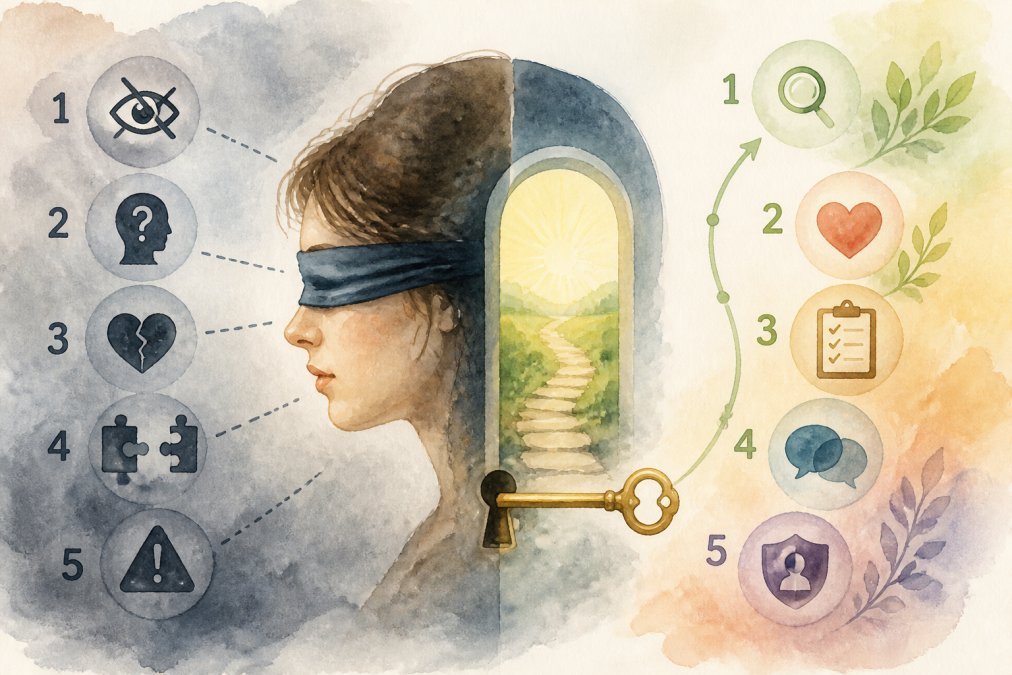
TL;DR:
- Emotional trauma often lacks visible signs, yet it impacts mental, physical, social, and spiritual well-being. It can result from various experiences such as abuse, loss, betrayal, or natural disasters, and manifests through persistent symptoms like sleep issues, avoidance, and emotional numbness. Recognizing these signs early and understanding trauma types enables effective recovery, especially in children, whose responses may be misinterpreted as behavior problems.
- Key Takeaways
- 1. What counts as emotional trauma: signs to look for
- 2. Examples of emotional trauma from real-life experiences
- 3. Types of emotional trauma: acute, chronic, and complex
- 4. Effects of emotional trauma on daily life
- 5. Recognizing emotional trauma in children: examples and signs
- My perspective on identifying and validating emotional trauma
- FAQ
Emotional trauma is harder to spot than most people realize. Unlike a broken bone, it leaves no visible mark. Yet the examples of emotional trauma are everywhere: a child who stops sleeping after witnessing violence, a person who can’t trust anyone after being betrayed, or someone who freezes every time they enter a room that smells like their abuser. Clinically, this is called psychological trauma, and according to SAMHSA’s definition, it involves events experienced as harmful or life-threatening that have lasting adverse effects on a person’s mental, physical, social, or spiritual well-being.
Key Takeaways
| Point | Details |
|---|---|
| Trauma is defined by impact, not event | Your reaction and lasting functional impairment matter more than the severity of what happened. |
| Emotional trauma takes many forms | Sources range from childhood neglect and abuse to infidelity, bullying, and natural disasters. |
| Signs go beyond anxiety and flashbacks | Sleep problems, irritability, and avoidance are just as common as fear-based symptoms. |
| Children show trauma differently | Age-specific behaviors like regression, aggression, or withdrawal are often misread as discipline issues. |
| Early recognition aids recovery | Catching trauma symptoms within the first month can prevent short-term distress from becoming chronic. |
1. What counts as emotional trauma: signs to look for
Before looking at specific examples, it helps to know what separates ordinary distress from genuine trauma. The difference is persistence and functional impact. SAMHSA notes that trauma involves ongoing impairment in well-being, not just a difficult day or a passing sadness.
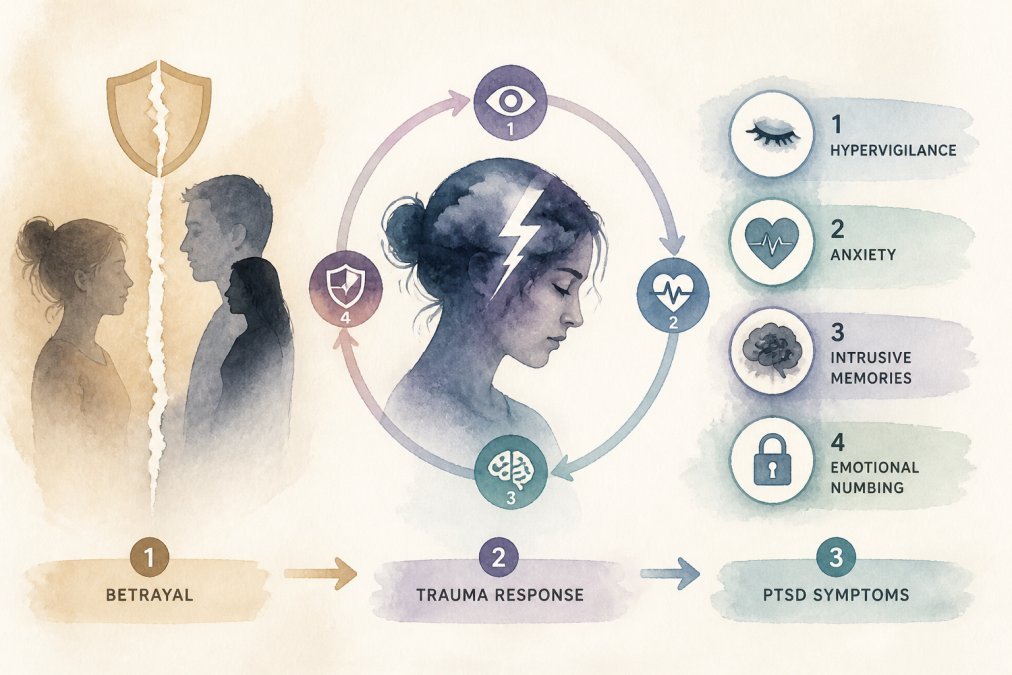
Clinically, trauma-related conditions organize symptoms into clusters. The DSM-5-TR criteria for PTSD require symptoms across four domains lasting at least one month: intrusion (flashbacks, nightmares), avoidance (steering clear of reminders), negative mood (guilt, shame, emotional numbness), and arousal or reactivity (hypervigilance, irritability, sleep disruption). A shorter version of this picture, acute stress disorder, covers the window from 3 days to one month after an event and also includes dissociation.
Common signs of emotional trauma in adults include:
- Recurring intrusive memories or nightmares about the event
- Avoiding people, places, or topics connected to the experience
- Persistent feelings of guilt, shame, or emotional numbness
- Difficulty sleeping or concentrating
- Feeling detached from yourself or your surroundings (dissociation)
- Sudden anger or exaggerated startle responses
- Pulling away from relationships or activities that once felt meaningful
Pro Tip: If you notice these symptoms persisting for more than a few weeks after a difficult experience, that is worth taking seriously. Early recognition, not waiting for things to get worse, is one of the clearest paths toward recovery.
2. Examples of emotional trauma from real-life experiences
The range of what causes emotional trauma is wider than most people expect. Trauma does not require combat or catastrophe. It can come from the slow erosion of being consistently ignored, or the sharp shock of sudden betrayal. Here are the most common categories.
Childhood neglect and abuse. When a child’s basic emotional or physical needs go unmet repeatedly, the brain wires itself around danger and deprivation. This includes physical abuse, emotional neglect, verbal cruelty, and exposure to domestic violence in the home.
Sudden loss or violent death. Losing a parent, sibling, or close friend without warning, especially through suicide, homicide, or accident, can produce intense trauma responses even in people who consider themselves resilient.
Domestic violence and intimate partner abuse. Living in ongoing fear inside a relationship rewires threat detection. Survivors often carry hypervigilance and shame long after leaving.
Sexual assault and harassment. This includes rape, childhood sexual abuse, coercion, and workplace harassment. The combination of physical violation and broken trust makes recovery particularly complex.
Natural disasters and serious accidents. Car crashes, fires, floods, and earthquakes create acute trauma that can linger into chronic patterns if not addressed.
Bullying and prolonged verbal or emotional abuse. Being systematically excluded, ridiculed, or humiliated, especially during formative years, shapes a person’s core beliefs about their own worth and safety.
Chronic stressors like war, displacement, or parental absence. Growing up in a war zone or refugee camp, or having a parent deployed repeatedly, creates sustained threat exposure that compounds over time.
Infidelity and betrayal. The discovery of a partner’s affair shatters the foundation of safety within the relationship itself. This is a form of relational trauma that produces many of the same symptoms as other recognized trauma types, including intrusion, avoidance, and emotional numbness. If you are working through this specific experience, Aftertheaffair’s guide on processing trauma after infidelity goes deep on how to begin.
“I didn’t think what happened to me counted as trauma. There was no single dramatic event. It was years of being told I was too sensitive, too needy, too much. By the time I sought help, I didn’t even know what I was healing from.” This kind of gradual emotional wounding is one of the most under-recognized examples of emotional trauma.
3. Types of emotional trauma: acute, chronic, and complex
Understanding the types of emotional trauma helps you name your own experience more accurately. That naming matters because each type tends to follow different patterns and respond to different recovery approaches.
| Type | Causes | Duration | Common symptoms |
|---|---|---|---|
| Acute trauma | Single incident (accident, assault, disaster) | Hours to days, symptoms up to 1 month | Shock, intrusive memories, hypervigilance |
| Chronic trauma | Repeated exposure (domestic abuse, neglect, bullying) | Months to years | Numbness, low self-worth, chronic anxiety |
| Complex trauma | Multiple or prolonged traumatic events, often interpersonal | Years, often from childhood | Dissociation, identity disruption, relational difficulties |
Acute trauma has a clear starting point and, with good support, often resolves within weeks. Chronic trauma is cumulative. Each exposure adds to the load. Complex trauma, often abbreviated as C-PTSD, typically develops when a person has faced repeated interpersonal harm, especially in childhood, with no way to escape. Its effects go deeper into identity, emotional regulation, and the ability to trust.
Pro Tip: Mapping where your experience falls across these types helps you and any therapist you work with build a more targeted plan. Acute trauma and complex trauma call for different pacing and different tools.
4. Effects of emotional trauma on daily life
The effects of emotional trauma do not stay inside the original wound. They spread outward into sleep, relationships, work, and physical health. Trauma-related disorders often present with symptoms well beyond anxiety, including irritability, dissociation, and substance use. This is why trauma is frequently missed or misdiagnosed.
Functional impairments you might recognize in yourself:
- Sleep disruption. Nightmares or hypervigilance make restful sleep feel impossible.
- Concentration difficulties. Trauma pulls the brain into threat-detection mode, leaving little bandwidth for focus.
- Relationship strain. Avoidance, emotional withdrawal, and distrust push people away even when connection is what you need most.
- Low self-esteem. Especially in cases of abuse or betrayal, internalized shame erodes your sense of worth.
- Physical symptoms. Headaches, gastrointestinal issues, and fatigue are common physical expressions of unresolved emotional trauma.
- Substance use. Alcohol or drug use often becomes a way to self-manage overwhelming emotions.
Not everyone who experiences trauma develops lasting symptoms. Research from SAMHSA confirms that resilience, strong support systems, and prior trauma history all shape how deeply an event affects someone. This is not about being strong or weak. It is about context, resources, and biology all intersecting in ways that are different for every person.
5. Recognizing emotional trauma in children: examples and signs
Trauma examples in children look different than they do in adults. A child cannot always say “I feel unsafe.” Instead, they show it through behavior. SAMHSA identifies childhood trauma sources as neglect, domestic violence, sudden loss, natural disasters, war, accidents, and illness, each producing age-specific reactions.
Here is a breakdown by developmental stage:
- Preschool (ages 2 to 5). Regression to bedwetting, separation anxiety, clinging, nightmares, and loss of previously learned skills.
- Elementary school (ages 6 to 11). Sleep problems, school avoidance, difficulty concentrating, somatic complaints like stomachaches, and withdrawal from friends.
- Middle and high school (ages 12 to 18). Risky behavior, substance experimentation, aggression, emotional detachment, and declining academic performance.
The critical insight here is that children’s trauma reactions are frequently mistaken for behavioral problems or defiance. A child who becomes aggressive after a parent’s affair is not acting out for attention. They are responding to a shattered sense of family safety.
Pro Tip: If a child’s behavior shifts significantly after a stressful event and those changes persist for more than a few weeks, a trauma-informed evaluation is far more useful than standard behavioral interventions alone.
Aftertheaffair’s resource on coping strategies after betrayal also addresses the ripple effects that infidelity has on children in the household, which is often the dimension parents feel least equipped to handle.
My perspective on identifying and validating emotional trauma
I have spent years working with people who came in saying some version of the same thing: “I don’t think what I went through was bad enough to count as trauma.” That sentence, more than almost any other, tells me exactly where we need to start.
The biggest barrier to recovery is not the trauma itself. It is the belief that your experience does not qualify. We have collectively absorbed a picture of trauma that requires dramatic, singular events. War. Rape. A crash. But what I see far more often is the quiet accumulation: years of emotional unavailability from a parent, a marriage that slowly eroded self-worth, a betrayal that no one around you took seriously because “it was just an affair.”
What I have learned is that functional impairment is the real indicator. Not the story. Not the drama of what happened. If your sleep is broken, your trust is shattered, and your ability to feel safe in relationships has been compromised, something real happened to you. That something deserves real attention.
Knowing the types and examples of emotional trauma is not just an academic exercise. It is the moment a person stops dismissing their own pain and starts asking the right questions. That shift, from self-doubt to self-recognition, is where healing actually begins.
— S.J.Howe
Start your emotional trauma recovery with the right support
If reading through these examples helped you recognize something in your own story, that recognition is the first and most important step. Knowing what you are dealing with makes everything that comes next more manageable.
Aftertheaffair offers structured, evidence-informed resources designed specifically for people navigating betrayal and relational trauma. The 7-step infidelity recovery checklist walks you through a clear, stage-by-stage approach to healing that does not assume you have everything figured out. For those who want to go deeper, the emotional recovery workflow lays out how to rebuild emotional health systematically after the kind of trauma that rearranges everything. You do not have to sort through this alone, and you do not have to start from zero.
FAQ
What are common examples of emotional trauma?
Common examples include childhood neglect or abuse, domestic violence, sexual assault, sudden loss of a loved one, bullying, natural disasters, serious accidents, and betrayal through infidelity. Trauma can stem from a single event or from prolonged exposure over time.
How do I know if I have emotional trauma?
Look for lasting functional changes rather than just feelings. Persistent sleep problems, difficulty concentrating, avoidance of certain people or situations, emotional numbness, and strained relationships are all recognized signs of emotional trauma according to clinical criteria.
What are the three types of emotional trauma?
The three main types are acute trauma (a single distressing event), chronic trauma (repeated or prolonged exposure), and complex trauma (multiple interpersonal traumatic events, often beginning in childhood). Each type tends to produce different symptom patterns and calls for a tailored recovery approach.
Can infidelity cause emotional trauma?
Yes. The discovery of a partner’s affair can produce intrusion symptoms, avoidance, emotional numbness, and hypervigilance that closely mirror other recognized trauma responses. Relational betrayal disrupts the fundamental sense of safety that relationships are supposed to provide.
How is childhood emotional trauma different from adult trauma?
Children express trauma through behavior rather than words. Depending on age, this may look like regression, separation anxiety, aggression, school avoidance, or risky behavior in adolescence. These reactions are often misread as behavioral problems rather than recognized as trauma responses.
Recommended
- 10 Clear Signs of Emotional Healing After Infidelity
- Trauma of an Emotional Affair – After the Affair Series
- How to process emotional trauma after infidelity – After the Affair Series
- Emotional vs Physical Affair – After the Affair Series