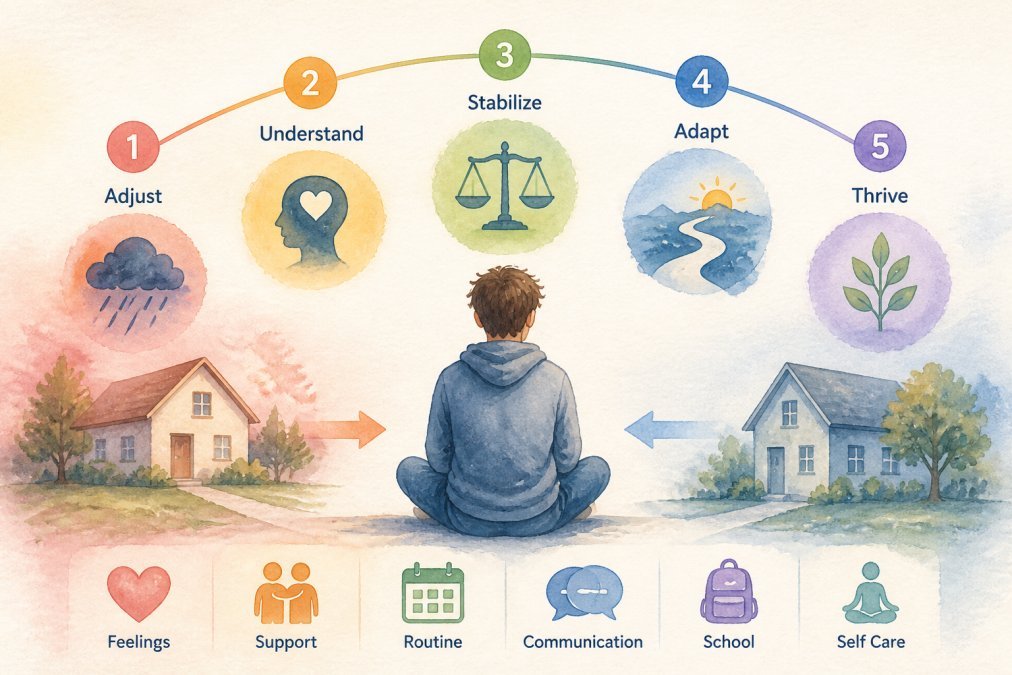
Discovering a partner’s infidelity shatters emotional security and triggers profound trauma. Yet betrayal can also spark transformation if you commit to structured healing. This guide walks you through preparation, actionable recovery steps, and ways to monitor progress as you rebuild trust and envision a healthier future after cheating.
Table of Contents
- Understanding The Impact Of Infidelity And Preparing To Transform
- Step-By-Step Guide To Transforming After Cheating
- Common Challenges And How To Overcome Setbacks During Transformation
- Tracking Your Progress And Envisioning A Healed Future
- Explore Guided Resources To Support Your Healing Journey
Key takeaways
| Point | Details |
|---|---|
| Healing unfolds in distinct phases | Recovery progresses through safety, truth, grieving, rebuilding, forgiveness, and growth stages. |
| Professional support accelerates recovery | Therapy increases success rates from 35% to over 60% for couples rebuilding after infidelity. |
| Emotional awareness prevents recurrence | Addressing unmet needs and communication gaps reduces the risk of future betrayals. |
| Progress tracking sustains motivation | Monitoring emotional stability, trust levels, and communication quality helps maintain healing momentum. |
Understanding the impact of infidelity and preparing to transform
Infidelity can be a traumatic experience, yet it can also be an opportunity for transformation when you approach recovery with intention. Betrayal demolishes the foundation of trust, triggering emotional responses similar to post-traumatic stress. You might experience intrusive thoughts, anxiety, or intense anger.
Yet this crisis creates space for deep personal growth. Many individuals discover inner strength they never knew existed. The pain forces honest examination of relationship patterns and personal needs that may have been ignored for years.
Healing moves through predictable stages. You begin by establishing safety and emotional stability. Next comes truth telling, where both partners share full disclosure. Grieving follows as you process the loss of what you believed your relationship was. Rebuilding trust requires consistent actions over time. Forgiveness emerges gradually as you release resentment. Finally, growth transforms the relationship into something potentially stronger than before.
Understanding these stages of healing after an affair helps you recognize where you are in the process. Research shows that unmet emotional needs and disconnection often precede affairs. Recognizing these patterns equips you to prevent future betrayals.
Pro Tip: Before diving into active healing work, spend time journaling about your emotional state and what you need most right now. This self-assessment creates a baseline for measuring progress later.
Preparing for transformation means accepting that healing takes time. You cannot rush through grief or force trust to return on a timeline. Commit to honesty with yourself about your feelings, even when they are uncomfortable. Readiness to engage in difficult conversations and examine your own role in relationship dynamics signals you are prepared to begin active recovery work.
Step-by-step guide to transforming after cheating
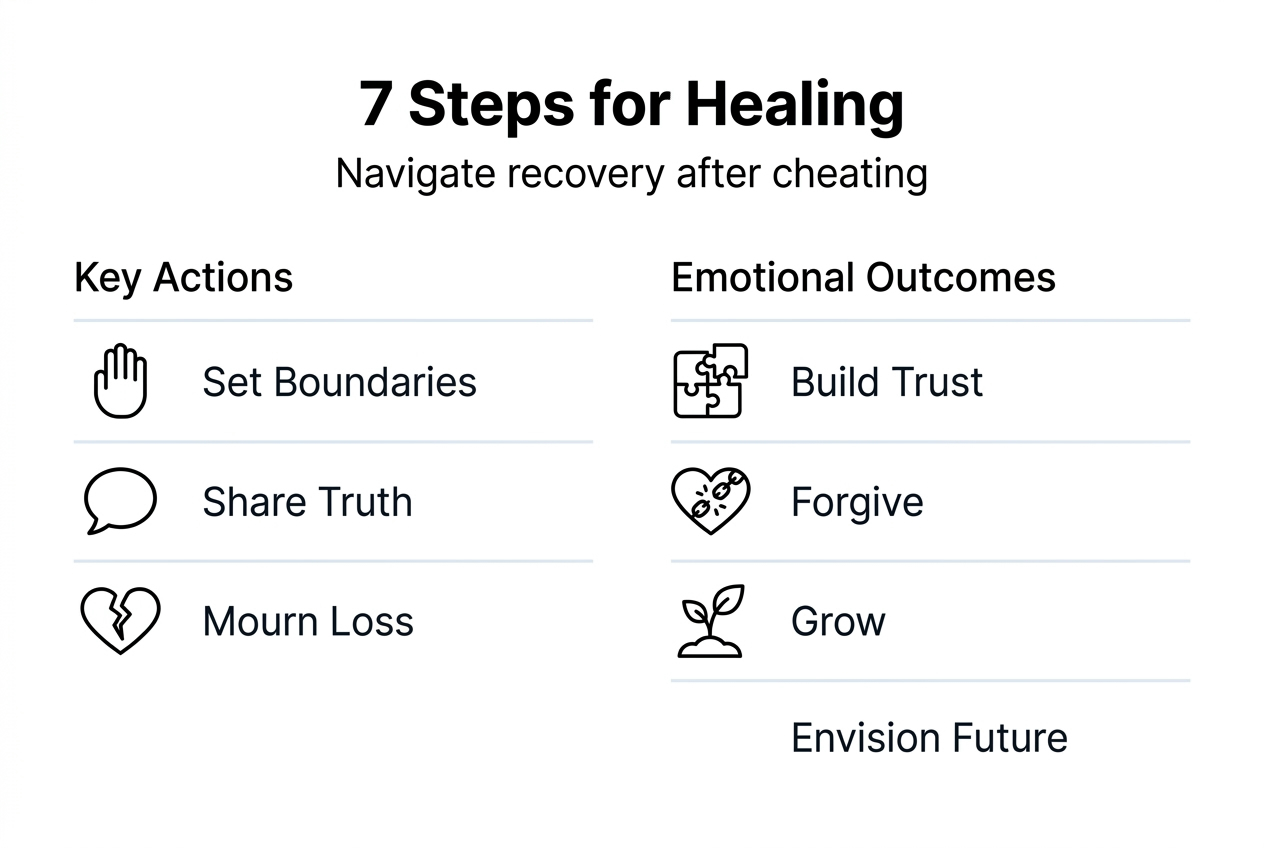
Transformation requires more than time passing. You need deliberate action. This 7 steps infidelity recovery checklist provides structure when emotions feel overwhelming.
Step 1: Establish safety and stability. Create physical and emotional safety by setting clear boundaries. Decide whether to separate temporarily or stay together. Remove threats to the relationship like ongoing contact with affair partners. Seek immediate support from trusted friends or therapists.
Step 2: Commit to full truth telling. The betrayed partner needs complete honesty about what happened. Partial truths or trickle disclosure prolongs agony. The person who cheated must answer questions fully, even when painful. This transparency begins rebuilding credibility.
Step 3: Grieve the losses and take ownership. Both partners need space to mourn what was lost. The betrayed grieves the relationship they thought they had. The person who cheated grieves their self-image and the pain they caused. Taking full responsibility without defensiveness shows genuine remorse.
Step 4: Rebuild intimacy through consistent action. Trust returns through repeated trustworthy behavior over months. Share daily activities, practice radical transparency about schedules and communications, and demonstrate reliability in small ways. Physical intimacy often returns slowly as emotional safety increases.
Step 5: Practice forgiveness as a process. Forgiveness does not mean forgetting or excusing betrayal. It means releasing the grip of resentment so it stops controlling your life. This unfolds gradually through choosing compassion over revenge repeatedly.
Step 6: Invest in personal growth. Use this crisis to address longstanding issues. Attend individual therapy to understand your attachment patterns. Develop healthier communication skills. Build self-esteem independent of your relationship status.
Step 7: Create a shared vision for your future. Once trust stabilizes, discuss what you both want moving forward. Set relationship goals. Establish rituals that reinforce your commitment. Envision how you will be different as a couple.
| Step | Primary Task | Emotional Outcome |
|---|---|---|
| Safety | Set boundaries | Reduced anxiety |
| Truth | Full disclosure | Painful clarity |
| Grieving | Process losses | Emotional release |
| Rebuilding | Consistent actions | Growing trust |
| Forgiveness | Release resentment | Inner peace |
| Growth | Personal development | Self-awareness |
| Vision | Future planning | Renewed hope |
Pro Tip: Healing is not linear. You will cycle back through earlier stages when triggered. This is normal, not failure. Each time you return to a stage, you process it more deeply.
Common challenges and how to overcome setbacks during transformation
Even committed couples face obstacles during recovery. Recognizing these challenges early helps you respond effectively before they derail progress.
Jealousy and hypervigilance often intensify months into healing. You might check your partner’s phone compulsively or panic when they arrive home late. These reactions stem from shattered security. Counter them by setting transparent check-in protocols that reduce anxiety without becoming invasive surveillance.
Denial blocks healing when the person who cheated minimizes the affair’s impact. Statements like “it meant nothing” or “you’re overreacting” dismiss valid pain. The betrayed partner cannot heal when their reality is invalidated. Overcome this by seeking couples therapy where a professional can facilitate honest dialogue.
Communication breakdowns happen when one partner shuts down or the other attacks relentlessly. You need structured conversations with time limits and breaks when emotions escalate. Use “I feel” statements instead of accusations. Practice active listening where you repeat back what you heard before responding.
Impatience undermines recovery when one partner expects the other to “get over it” quickly. The betrayed may take 18 months to 3 years to fully heal. Rushing this process creates resentment. The person who cheated must tolerate repetitive questions and emotional outbursts with patience.
“Emotional disconnection and unmet needs often precede affairs. Addressing these core issues prevents future betrayals and builds relationship resilience.”
Self-care often gets neglected during crisis. You pour all energy into the relationship while your physical health, friendships, and interests suffer. Maintain exercise routines, spend time with supportive friends, and engage in activities that restore you. You cannot heal a relationship from an empty tank.
Setbacks like discovering additional lies after initial disclosure can feel devastating. Each new revelation resets the trust-building timeline. If this happens, return to step one and re-establish safety before proceeding. Consider whether continued deception indicates unwillingness to truly commit to recovery.
Professional support becomes essential when you feel stuck. Therapists trained in infidelity recovery provide tools for managing intrusive thoughts, processing trauma, and rebuilding intimacy. They also spot patterns you might miss and hold both partners accountable. The rebuilding trust timeline varies for each couple, but therapy consistently accelerates healing.
Tracking your progress and envisioning a healed future
Measuring recovery helps you recognize growth during discouraging moments. Progress is not always linear, but tracking key indicators reveals positive trends over time.
Therapeutic interventions can improve relationship satisfaction and psychological well-being in couples after infidelity. You can assess your healing through concrete markers. Emotional stability increases when you experience longer periods without intrusive thoughts about the affair. Communication quality improves when you discuss difficult topics without escalating into fights. Trust levels rise when the betrayed partner feels less need to monitor their partner’s activities.
Signs you are healing effectively include:
- Triggers become less intense and you recover from them faster
- You can think about the future without overwhelming dread
- Physical intimacy feels safe again rather than obligation or threat
- You laugh together and enjoy shared activities
- Resentment decreases while compassion increases
- Both partners demonstrate consistent trustworthy behavior
Recognize when to seek additional support:
- Depression or anxiety persists beyond 6 months
- Substance use increases as a coping mechanism
- One partner remains stuck in anger or the other in guilt
- Sexual intimacy does not return after 12 months of effort
- Trust-building efforts repeatedly fail despite good intentions
Create checkpoints to evaluate progress systematically. This table helps you self-assess at 3-month intervals.
| Checkpoint | Feelings | Behaviors | Relationship Quality |
|---|---|---|---|
| 3 months | Raw pain softens | Basic routines stabilize | Fragile hope emerges |
| 6 months | Emotional swings lessen | Transparency becomes habit | Trust begins rebuilding |
| 12 months | Stability increases | Intimacy cautiously returns | Shared vision forms |
| 18 months | Forgiveness deepens | New patterns solidify | Growth becomes evident |
Envisioning your healed future sustains motivation during difficult phases. Imagine yourself two years from now feeling secure and joyful. Picture the relationship dynamics you want to create. Set specific goals like weekly date nights, annual relationship check-ins, or learning new communication skills together.
Relationship growth after infidelity often yields deeper intimacy than existed before betrayal. Couples who successfully navigate this crisis report greater emotional honesty, better conflict resolution skills, and more intentional connection. Your transformation serves as proof that devastating pain can become the catalyst for profound positive change when met with courage and commitment.

Explore guided resources to support your healing journey
Transforming after cheating demands more than willpower. Structured resources and expert guidance accelerate recovery and help you avoid common pitfalls that derail healing.
The 7 steps infidelity recovery checklist provides a comprehensive framework for navigating each phase of healing. This structured approach removes guesswork when you feel overwhelmed by competing emotions and unclear next steps.
Exploring relationship growth after infidelity helps you understand how couples transform crisis into opportunity. You will discover practical strategies for rebuilding intimacy and creating a stronger foundation than existed before betrayal.
Professional therapists play a crucial role in sustained healing. Understanding the role of therapists infidelity recovery clarifies when to seek specialized support and what to expect from effective treatment.
FAQ
Can a relationship fully recover after cheating?
Yes, many relationships not only survive but become stronger after infidelity. Success rates range from 35 to 60 percent with therapy, significantly higher than couples who attempt recovery without professional support. Recovery requires both partners committing to honest communication, rebuilding trust through consistent actions, and addressing the underlying issues that contributed to vulnerability.
What are the signs that I am healing effectively after an affair?
Effective healing shows through reduced emotional reactivity to triggers, improved communication without defensiveness, growing trust evidenced by decreased monitoring behaviors, and ability to envision a positive future together. You will notice longer periods of stability between setbacks, return of physical intimacy, and genuine forgiveness replacing resentment. Both partners demonstrate accountability and empathy consistently.
When should I consider professional therapy after cheating?
Seek couples therapy immediately if communication repeatedly breaks down into attacks or stonewalling, depression or anxiety persists beyond initial crisis, trust-building efforts stall despite good intentions, or either partner feels emotionally overwhelmed most days. Professional support is especially critical if the person who cheated shows limited remorse or the betrayed partner cannot move past intense rage after several months. Therapists provide structured frameworks that accelerate healing. You might also explore individual or couples therapy after infidelity to determine the best approach for your situation.
How long does it take to rebuild trust after cheating?
Trust rebuilding typically requires 18 months to 3 years for most couples, though timelines vary based on disclosure honesty, remorse depth, and consistent trustworthy behavior. Early stages focus on safety and transparency. Middle phases involve rebuilding intimacy through repeated reliability. Later stages solidify new relationship patterns and shared vision. Rushing this process creates superficial healing that collapses under stress.
What if I cannot forgive my partner for cheating?
Forgiveness is a process, not a decision made once. Some people need years to fully release resentment, while others determine they cannot continue the relationship despite loving their partner. Both outcomes are valid. Individual or couples therapy after infidelity helps you explore whether your inability to forgive stems from insufficient accountability, ongoing deception, or legitimate recognition that this relationship cannot meet your needs. Forgiveness does not require staying together, and staying together does not require pretending the betrayal did not matter.
Recommended
- How to Guide Clients After Infidelity for Healing – After the Affair Series
- 7 Key Benefits of Therapy – After the Affair Series
- 7 Steps-Infidelity Recovery Checklist – After the Affair Series
- How to Cope After Infidelity – After the Affair Series