Recovering from betrayal trauma can feel like navigating a storm without a compass. The emotional weight of infidelity often leaves you overwhelmed, confused, and uncertain about where to begin healing. A structured trauma recovery checklist offers clarity during this turbulent time, breaking down the complex healing journey into manageable, compassionate steps. This article presents a practical 7-step framework designed specifically for individuals working through betrayal trauma in 2026, combining evidence-informed strategies with actionable guidance to support your path toward emotional recovery and personal growth.
Table of Contents
- Evaluating Your Recovery Needs: Criteria For The Trauma Recovery Checklist
- The 7 Essential Steps In The Trauma Recovery Checklist
- Comparing Popular Trauma Recovery Tools And Therapies
- Choosing The Right Approach: Situational Recommendations For Trauma Recovery
- Explore Expert-Guided Support And Resources For Betrayal Trauma Recovery
- Frequently Asked Questions About Trauma Recovery Checklist
Key takeaways
| Point | Details |
|---|---|
| Structured guidance reduces overwhelm | A trauma recovery checklist organizes healing steps, making the process less daunting and more manageable. |
| Recovery addresses emotional and physical symptoms | Healing requires attention to both psychological distress and physical manifestations of trauma. |
| Professional support enhances outcomes | Therapy tailored to betrayal trauma significantly improves recovery effectiveness and emotional stability. |
| Personalized pacing is essential | Each person’s healing timeline differs, requiring patience and individualized strategies. |
| Mindfulness strengthens emotional resilience | Daily grounding techniques support emotional regulation and reduce anxiety during recovery. |
Evaluating your recovery needs: criteria for the trauma recovery checklist
Before diving into specific recovery steps, you need to assess your unique situation and needs. Betrayal trauma manifests differently for everyone, and understanding your specific symptoms and circumstances helps you prioritize the most relevant healing strategies.
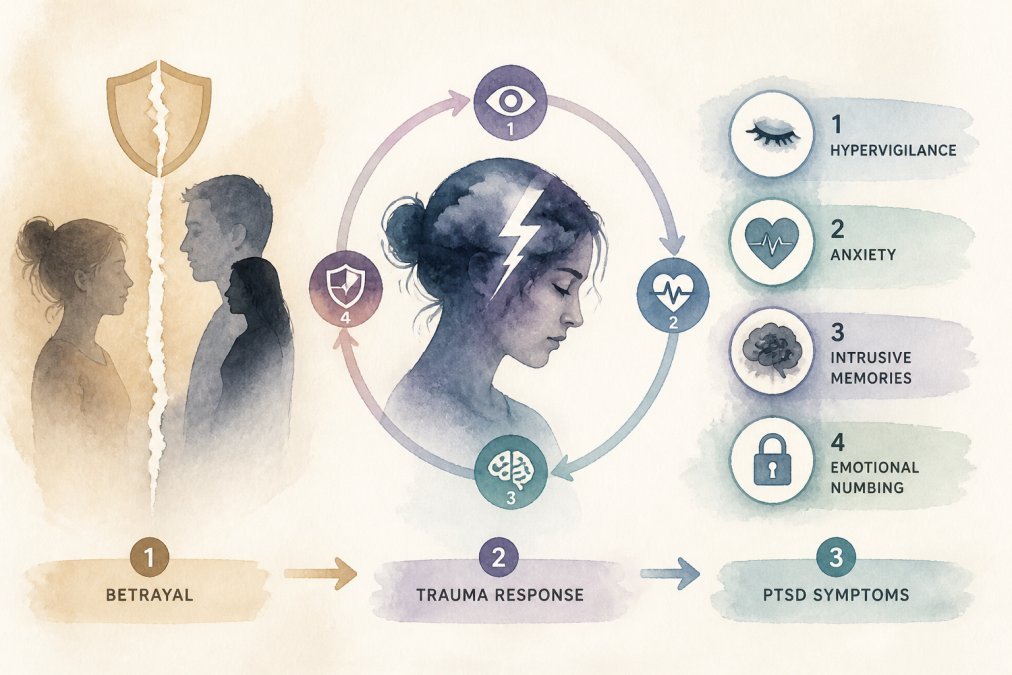
Start by recognizing your emotional symptoms. You might experience shock, intense anger, persistent anxiety, or episodes of depression. These reactions are normal responses to betrayal, not signs of weakness. Acknowledging these feelings without judgment creates the foundation for effective healing.
Next, pay attention to physical manifestations. Betrayal trauma doesn’t just live in your mind. Many people experience chronic fatigue, frequent headaches, digestive problems, or sleep disturbances. Physical symptoms of betrayal require the same attention as emotional ones. Acknowledging both emotional and physical symptoms helps tailor recovery efforts to your complete experience.
Evaluate your current support systems. Consider these factors:
- Who in your life offers genuine emotional support without judgment?
- Do you have access to professional counseling or therapy services?
- Are there support groups or online communities where you feel safe sharing?
- What financial and time resources can you dedicate to recovery?
Assess your personal readiness for healing work. Recovery requires emotional energy and willingness to engage with difficult feelings. Some days you’ll feel ready to tackle challenging exercises, while others demand gentler self-care. Both approaches are valid parts of the healing process.
Understand that individualized pacing matters more than speed. Your recovery timeline belongs to you alone. Comparing your progress to others or rushing through steps often backfires, creating additional stress rather than genuine healing.
Pro Tip: Create a simple journal entry listing your top three emotional symptoms, two physical symptoms, and one trusted support person. This snapshot helps you track changes and recognize progress over time.
The 7 essential steps in the trauma recovery checklist
This 7-step infidelity recovery checklist provides a roadmap through the complex terrain of betrayal trauma. Each step builds on the previous one, creating a comprehensive approach to healing.
- Acknowledge feelings and allow emotional expression. Give yourself permission to feel everything without censoring or minimizing your emotions. Cry when you need to cry, express anger in healthy ways, and sit with sadness when it arrives. Suppressing emotions only prolongs suffering. Structured steps guide healing by validating your emotional experience as the crucial first move.
- Practice self-care routines and maintain physical health. Prioritize sleep, nutrition, and gentle movement even when motivation feels impossible. Your body needs resources to process trauma. Establish small, achievable daily habits like a 10-minute walk, preparing one nutritious meal, or maintaining a consistent bedtime.
- Set healthy boundaries with the betrayer and others. Decide what contact feels safe and sustainable for you right now. Boundaries might include limiting conversations to specific topics, requiring space before discussing the affair, or temporarily reducing contact. Communicate these limits clearly and enforce them consistently.
- Seek professional therapy tailored to betrayal trauma. A therapist experienced in infidelity and trauma provides specialized tools and objective support. They help you process complex emotions, develop coping strategies, and navigate decisions about your relationship’s future.
- Utilize mindfulness and grounding techniques daily. Mindfulness supports emotional stability by anchoring you in the present moment when anxiety about the past or future becomes overwhelming. Simple practices like focused breathing, body scans, or mindful walking reduce emotional reactivity.
- Rebuild trust gradually if reconciliation is desired. If you choose to work on the relationship, trust returns slowly through consistent actions over time. This step requires both partners’ commitment and often benefits from couples therapy alongside individual work.
- Focus on personal growth and future-oriented goals. Shift attention toward who you want to become beyond this trauma. Set small goals unrelated to the betrayal, whether learning a new skill, reconnecting with old interests, or pursuing a long-postponed dream.
Pro Tip: Print this checklist and place it somewhere visible. Check off steps as you engage with them, remembering that healing isn’t linear and you might revisit earlier steps multiple times.
Comparing popular trauma recovery tools and therapies
Multiple therapeutic approaches and self-help tools support betrayal trauma recovery. Understanding your options helps you choose methods that align with your needs, preferences, and resources.
Multiple therapy types offer benefits, each addressing trauma through different lenses. Here’s a comparison of effective options:
| Therapy Type | Best For | Key Benefits | Considerations |
|---|---|---|---|
| Cognitive Behavioral Therapy (CBT) | Changing negative thought patterns | Practical tools, structured approach, evidence-based | Requires active participation, homework between sessions |
| Eye Movement Desensitization and Reprocessing (EMDR) | Processing traumatic memories | Reduces emotional intensity of memories, relatively quick results | Requires trained EMDR therapist, can be emotionally intense |
| Somatic Experiencing | Body-based trauma symptoms | Addresses physical manifestations, gentle approach | May feel unfamiliar, requires patience with body awareness |
| Mindfulness-Based Therapy | Anxiety and emotional regulation | Builds long-term coping skills, reduces reactivity | Requires daily practice, benefits accumulate gradually |
Self-help tools complement professional therapy and provide daily support:
- Journaling offers private space for emotional expression and pattern recognition. Write freely without editing or censoring yourself.
- Support groups connect you with others who understand betrayal trauma firsthand. Shared experiences reduce isolation and normalize your reactions.
- Meditation apps like Calm or Headspace provide guided practices for beginners. Start with just five minutes daily.
- Workbooks offer structured exercises you complete at your own pace. Look for materials specifically designed for infidelity recovery.
Consider practical factors when choosing therapies. Evaluate availability in your area, insurance coverage or out-of-pocket costs, scheduling flexibility, and whether you prefer in-person or telehealth sessions. The best therapy is one you’ll actually attend consistently.
Match therapy modality to your specific trauma needs. If intrusive memories dominate your experience, EMDR might offer targeted relief. If negative self-talk and rumination are primary struggles, CBT provides concrete tools. For physical symptoms like tension or numbness, somatic approaches address the body’s trauma response directly.
Choosing the right approach: situational recommendations for trauma recovery
Your specific circumstances influence which checklist steps and therapies deserve priority. Here’s practical guidance for common situations.
For recent betrayal (within the first three months): Prioritize emotional processing and safety. Focus on steps 1, 2, and 3 from the checklist. Allow yourself to feel intensely without pressure to make major decisions. Establish basic self-care routines and set firm boundaries. Consider crisis counseling if you experience thoughts of self-harm or feel unable to function.
For ongoing relationships where you’re working toward reconciliation: Emphasize trust rebuilding and communication. Steps 6 and 7 become central alongside continued individual therapy. Couples counseling helps both partners understand the affair’s impact and develop new relationship patterns. Be patient with yourself when trust wavers.
When healing alone after separation or divorce: Focus heavily on self-care and personal growth. Steps 2, 5, and 7 provide structure for rebuilding your life independently. Join support groups specifically for people healing after infidelity. Invest energy in rediscovering your identity outside the relationship.
For complex trauma cases involving multiple betrayals or abuse: Seek professional help immediately. Complex trauma requires specialized therapeutic approaches beyond standard infidelity counseling. Don’t attempt to heal alone when trauma layers create overwhelming symptoms.
Remember that healing takes time regardless of your situation. Research shows recovery timelines vary significantly, typically ranging from 18 months to several years. Your pace is valid. Personalized approaches improve satisfaction and outcomes more than rushing through predetermined stages.
Pro Tip: Reassess your priorities every few months. As you heal, different checklist steps will feel more relevant. Flexibility in your approach honors the non-linear nature of trauma recovery.
Additional considerations for choosing your path:
- If anxiety dominates your experience, prioritize mindfulness practices and consider anxiety-focused therapy.
- When depression makes basic functioning difficult, emphasize self-care basics and consult about medication evaluation.
- If you struggle with decision-making about the relationship, work with a therapist before committing to reconciliation or separation.
- When isolation intensifies suffering, prioritize building support systems even if reaching out feels uncomfortable.
Your healing journey deserves the same compassion you’d offer a dear friend facing similar pain. Be patient with setbacks, celebrate small victories, and remember that seeking help demonstrates strength, not weakness.
Explore expert-guided support and resources for betrayal trauma recovery
Navigating betrayal trauma becomes less overwhelming with expert guidance tailored to your unique healing journey. After the Affair Series offers comprehensive resources designed specifically for individuals working through infidelity’s emotional aftermath.
Our structured programs build directly on the infidelity recovery checklist framework, providing detailed guidance through each healing phase. Whether you’re in the immediate crisis of discovery or working toward long-term recovery, our series meets you where you are with compassionate, evidence-informed strategies.
Explore specialized guidance on relationship growth after infidelity if you’re considering reconciliation. These resources address the complex process of rebuilding trust, improving communication, and creating a stronger relationship foundation than existed before the affair.
Access our comprehensive resource library filled with articles, exercises, and tools addressing every aspect of betrayal trauma recovery. From managing intrusive thoughts to navigating social situations, you’ll find practical support for the challenges you face daily.
Frequently asked questions about trauma recovery checklist
What is a trauma recovery checklist and how does it help?
A trauma recovery checklist is a structured framework outlining essential steps for healing after betrayal. It helps by breaking down the overwhelming recovery process into manageable actions, providing clear direction when emotional chaos makes decision-making difficult. The checklist ensures you address all critical healing dimensions rather than focusing solely on one aspect while neglecting others.
How long does healing from betrayal trauma usually take?
Healing timelines vary significantly based on individual circumstances, relationship history, and support systems. Most people experience noticeable improvement within 18 to 24 months, though complete healing often takes several years. Healing takes time because trauma recovery isn’t linear; you’ll experience progress, setbacks, and gradual integration of the experience into your life story.
Can mindfulness really support emotional healing after infidelity?
Yes, mindfulness practices significantly support emotional healing by reducing anxiety, improving emotional regulation, and decreasing rumination. Regular mindfulness practice helps you observe difficult emotions without becoming overwhelmed by them. Even brief daily practices create measurable improvements in emotional stability and resilience during recovery.
How can I know if I should seek professional help?
Seek professional help if you experience persistent symptoms that interfere with daily functioning, including severe depression, anxiety, sleep disturbances, or thoughts of self-harm. Also consider therapy if you feel stuck after several months, struggle to make decisions about your relationship, or notice your coping strategies becoming unhealthy. Professional support accelerates healing and provides tools you can’t easily develop alone.
What are practical self-care tips during recovery?
Practical self-care includes maintaining regular sleep schedules, eating nutritious meals even when appetite disappears, and engaging in gentle physical activity like walking or yoga. Limit alcohol consumption, which can worsen depression and anxiety. Self-care post affair also means setting boundaries around discussing the betrayal, taking breaks from intense emotional processing, and allowing yourself enjoyable activities without guilt.
Should I use the checklist in order or adapt it to my needs?
Adapt the checklist to your unique situation while ensuring you eventually address all steps. Some people need to establish safety and boundaries before deep emotional processing, while others benefit from acknowledging feelings first. The checklist provides structure, not rigid rules. Revisit steps as needed throughout your healing journey, recognizing that recovery spirals rather than progresses linearly.
Recommended
- 7 Steps-Infidelity Recovery Checklist – After the Affair Series
- Step-by-step betrayal recovery: healing trust in 2026 – After the Affair Series
- 7 Key Benefits of Therapy – After the Affair Series
- Relationship Healing Process – After the Affair Series