TL;DR:
- A relationship can recover from infidelity when both partners commit to full honesty and phased healing.
- Progress requires emotional stabilization, complete disclosure, and meaningful meaning-making before rebuilding trust.
- Can a relationship thrive after cheating? What recovery actually requires
- How do partners rebuild trust after betrayal?
- What factors determine whether a couple can survive cheating?
- How do you support emotional healing and avoid recovery mistakes?
- Key Takeaways
- What I have learned about couples who actually thrive
- Aftertheaffair resources for structured recovery
- FAQ
- Recommended
A relationship can thrive after cheating when both partners commit to a deliberate, phased recovery process built on full honesty and radical transparency. Infidelity is one of the most painful experiences a couple can face, and the question of whether love can return after betrayal is one that deserves a real answer. 20–25% of marriages involve some form of infidelity. That number is sobering, yet research consistently shows that motivated couples who pursue structured recovery do preserve and even strengthen their relationships. The clinical term for this outcome is post-traumatic growth, and it is more common than most people expect.
Can a relationship thrive after cheating? What recovery actually requires
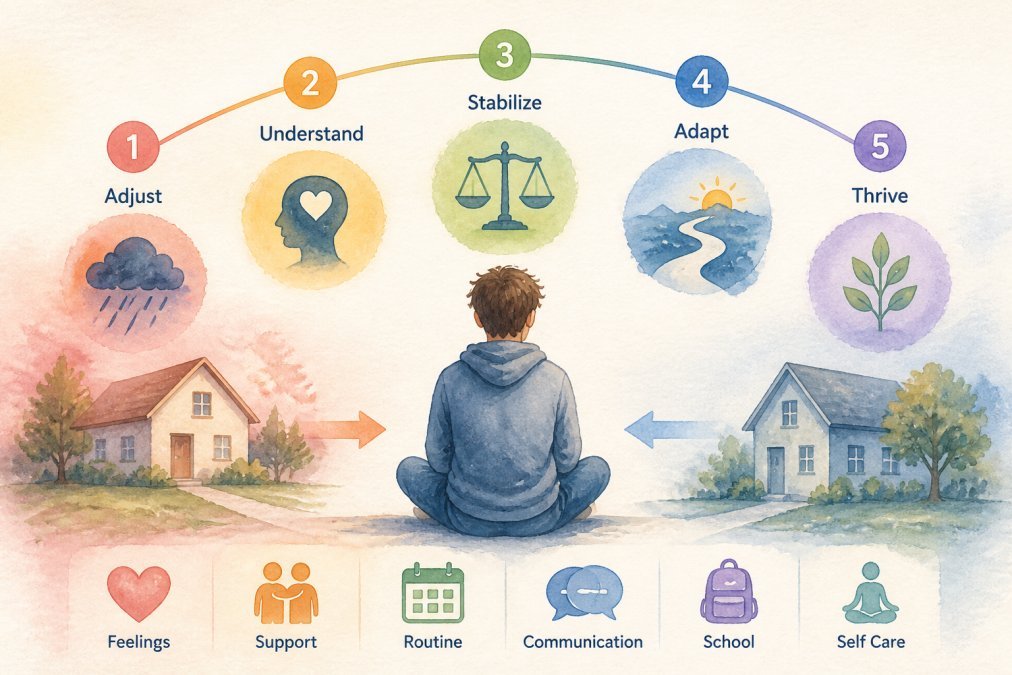
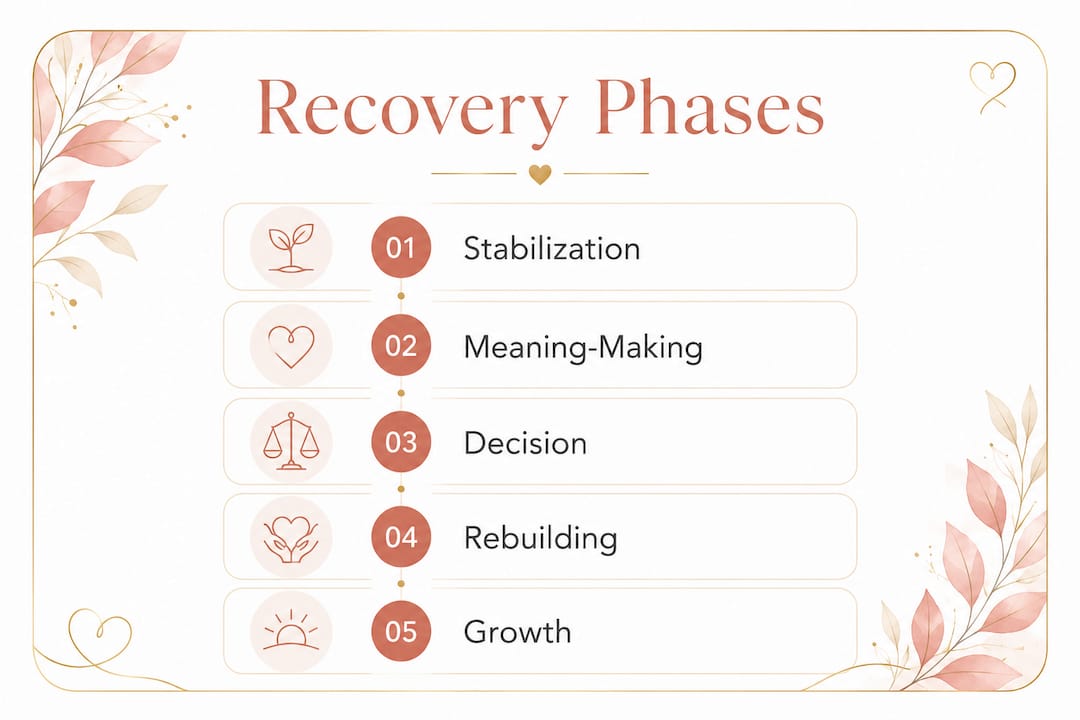
Recovery from infidelity is not a single event. It is a sequential, phased process that moves through three distinct stages: stabilization of emotional safety, meaning-making, and then a deliberate decision to rebuild or end the relationship.
Most couples make the mistake of skipping straight to problem-solving before either partner has stabilized emotionally. That approach fails because the nervous system is still in crisis mode, and no productive conversation can happen from that state. The first priority is creating enough safety for both people to stay in the room together.
Effective recovery follows this sequence:
- Stabilization. Both partners regulate immediate emotional chaos. The betrayed partner needs acknowledgment. The unfaithful partner needs to stop all contact with the affair partner and commit to full transparency from day one.
- Full disclosure. Partial revelations worsen trauma and reset healing progress every time a new detail surfaces. This pattern, known as “trickle truth,” is one of the most damaging mistakes a couple can make. One complete, honest account prevents repeated reopening of wounds.
- Meaning-making. Both partners examine what the affair meant, what needs went unmet, and what the relationship was actually like before the crisis. This is not about excusing the behavior. It is about understanding it.
- Decision. Only after stabilization and meaning-making can a couple make a clear-eyed choice about whether to rebuild or separate.
Pro Tip: If you are the betrayed partner and your partner is still offering partial information, stop the reconciliation conversation entirely until full disclosure happens. Healing cannot begin on a moving foundation.
How do partners rebuild trust after betrayal?
Trust rebuilds through consistent behavior, transparency, and emotional witnessing, not through apologies or grand gestures. This distinction matters enormously. An apology takes seconds. Proof of changed behavior takes months.
The concept of emotional witnessing is one of the most underused tools in recovery. It means the unfaithful partner stays present to the injured partner’s pain without becoming defensive, minimizing, or redirecting. Sitting with someone’s grief without flinching is one of the most powerful acts of repair available.
Practical ways to rebuild trust include:
- Voluntary transparency. The unfaithful partner shares location, device access, and communication records without being asked. This is sometimes called living in a “glass house” approach, where openness becomes the default rather than the exception. It reduces the cognitive load on the betrayed partner, who no longer has to spend energy monitoring or wondering.
- New relationship agreements. Successful couples do not try to recreate the pre-affair relationship. They build a new version with explicit boundaries, renegotiated expectations, and clear agreements about what the relationship now requires from both people.
- Consistent small actions. Showing up on time, following through on commitments, and checking in emotionally every day builds a track record. Trust repair is measured by this track record over time, not by promises.
- Avoiding re-traumatization cycles. Certain triggers, such as a song, a location, or a date, can flood the betrayed partner with acute distress. Both partners need to recognize these moments and respond with patience rather than frustration.
Pro Tip: Set a weekly check-in conversation with a defined time limit, around 30 minutes, where the betrayed partner can ask questions and the unfaithful partner responds without defensiveness. Structure reduces the fear of ambush for both people.
The ways to rebuild trust that actually work share one feature: they are sustained over time, not performed once and abandoned.
What factors determine whether a couple can survive cheating?
Recovery outcomes are not random. Specific variables consistently predict whether a relationship can move forward.
| Factor | Effect on recovery |
|---|---|
| Affair type | Emotional affairs often feel more threatening to the betrayed partner than sexual ones, though both cause significant trauma |
| Relationship investment | Longer relationships with shared history, children, or financial ties show higher rates of motivated recovery |
| Isolated vs. chronic betrayal | A single affair with genuine remorse recovers more readily than a pattern of repeated deception |
| Partner motivation | Both partners must actively engage; one-sided effort produces one-sided healing and eventual collapse |
| Underlying relationship issues | Pre-existing disconnection, poor communication, or unmet needs must be addressed to prevent recurrence |
Recovery outcomes improve when the affair is isolated, both partners are invested in the long-term relationship, and there are children or significant shared history involved. That investment creates motivation to do the hard work rather than walk away from it.
Chronic betrayal, meaning repeated affairs or a sustained pattern of deception, presents a fundamentally different challenge. The betrayed partner’s nervous system has been conditioned to expect deception, and rebuilding safety requires far longer timelines and often more intensive therapeutic support. Understanding complex trauma is often necessary in these cases, because the injury goes deeper than a single event.
How do you support emotional healing and avoid recovery mistakes?
Healing can take 12–18 months or longer depending on the severity of the betrayal and the level of engagement from both partners. That timeline is not a sign of failure. It reflects the depth of the injury.
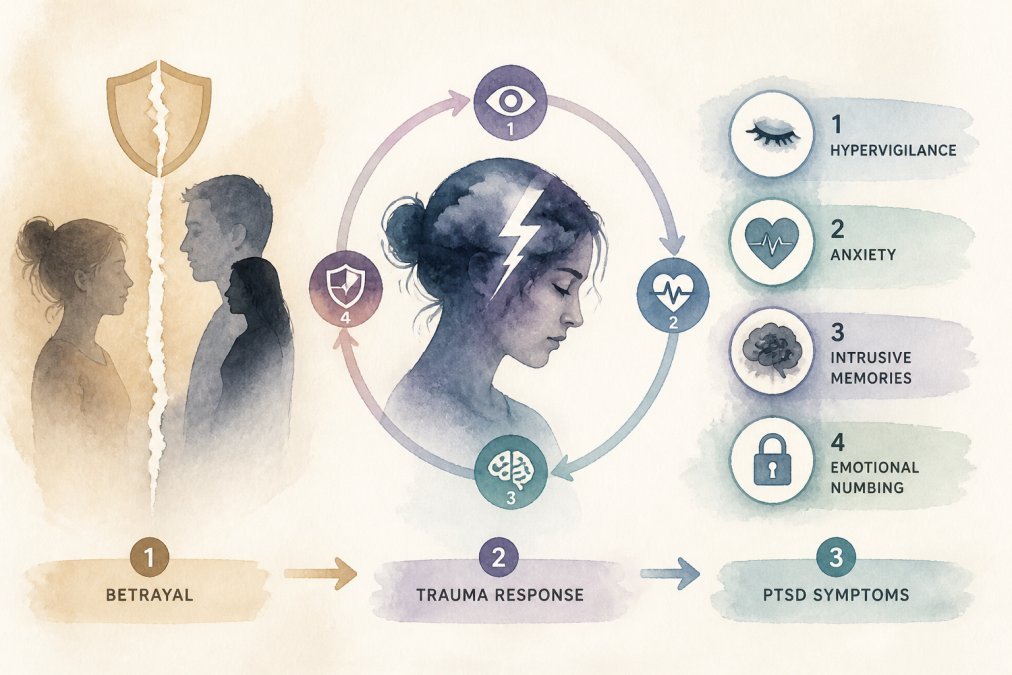
Emotional flooding and hypervigilance are normal responses to betrayal. The betrayed partner’s brain has been wired to detect threat, and it takes time and repeated safe experiences to recalibrate. Therapeutic support that integrates nervous system regulation and somatic techniques helps partners become ready for constructive repair conversations rather than reactive ones.
Common mistakes to avoid during recovery:
- Rushing forgiveness. Forgiveness is a process, not a decision. Pressuring the betrayed partner to forgive before they are ready creates resentment and blocks genuine healing.
- Skipping grief. Both partners grieve during recovery. The betrayed partner grieves the relationship they thought they had. The unfaithful partner often grieves the affair itself, which is a reality that must be acknowledged without shame.
- Premature problem-solving. Jumping to “how do we fix us” before the emotional wound has been fully acknowledged produces surface-level agreements that collapse under pressure.
- Isolating from support. Shame drives both partners inward. Seeking emotional recovery support from a counselor, therapist, or structured resource breaks that isolation.
- Expecting a linear path. Recovery moves in waves. A good week followed by a difficult one is not regression. It is the normal rhythm of healing.
Pro Tip: Keep a private journal during recovery. Writing down what you feel before a difficult conversation reduces emotional flooding in the moment and helps you identify patterns in your triggers over time.
Post-traumatic growth research shows that many couples report stronger relationships after healing from infidelity. That outcome is not guaranteed, but it is genuinely possible when both partners treat recovery as a shared project rather than a verdict on one person’s worth.
Key Takeaways
A relationship can thrive after cheating when both partners commit to full disclosure, consistent transparency, and a phased recovery process that addresses the emotional injury at its root.
| Point | Details |
|---|---|
| Phased recovery is non-negotiable | Stabilization, meaning-making, and decision must happen in sequence, not simultaneously. |
| Full disclosure prevents re-injury | Trickle truth resets healing every time; one complete account is the only foundation that holds. |
| Trust is built by behavior, not words | Consistent actions over months, not apologies, are what rebuild a betrayed partner’s sense of safety. |
| Recovery factors vary by situation | Isolated affairs, motivated partners, and shared investment all improve the odds of thriving. |
| Timeline is longer than expected | Healing typically takes 12–18 months or more; patience from both partners is required, not optional. |
What I have learned about couples who actually thrive
By S.J.Howe
The couples I have seen come through infidelity with genuinely stronger relationships share one counterintuitive quality: they stopped trying to get back to what they had before. The pre-affair relationship is gone. Grieving it is necessary. But the couples who thrive build something new, with explicit agreements, deeper honesty, and a level of transparency they never practiced before the crisis.
The most common misunderstanding I encounter is that thriving means forgetting. It does not. The couples who thrive carry the knowledge of what happened and use it as a reference point for how they want to treat each other now. The affair becomes part of their story, not the end of it.
What I have also noticed is that the unfaithful partner’s willingness to stay emotionally present during the betrayed partner’s worst moments is the single biggest predictor of whether the relationship survives. Not grand gestures. Not expensive trips or renewed vows. Presence. Sitting with someone’s pain without defending yourself is one of the hardest things a person can do, and it is also the most healing.
If you are in the early weeks and everything feels impossible, that feeling is accurate and temporary. The real-life examples of emotional recovery I have seen confirm that the impossibility does lift, provided both people stay in the work.
— S.J.Howe
Aftertheaffair resources for structured recovery
Knowing that recovery is possible is one thing. Having a clear structure to follow is another.

Aftertheaffair offers a 7-step infidelity recovery checklist designed specifically for couples and individuals in the early and middle stages of healing. It covers emotional stabilization, disclosure conversations, trust-building agreements, and the longer arc of relationship growth after infidelity. The resources are evidence-informed, written with clinical depth, and structured for people who need more than generic reassurance. Whether you are three days out from discovery or three months in, the checklist gives you a concrete next step when everything else feels unclear.
FAQ
Can couples really survive cheating long-term?
Yes. Many couples preserve their relationship with motivated, structured recovery work, and research on post-traumatic growth shows that some report deeper connection than before the affair.
How long does recovery from infidelity take?
Recovery typically takes 12–18 months or longer, depending on the severity of the betrayal and how actively both partners engage in the healing process.
Is trust possible again after cheating?
Trust is possible again, but it rebuilds through consistent behavior over time, not through promises or apologies. Both partners need patience and a willingness to measure progress in months, not weeks.
What is “trickle truth” and why does it matter?
Trickle truth is when the unfaithful partner reveals details gradually rather than all at once. Each new disclosure resets the betrayed partner’s healing and prolongs trauma, making full early disclosure the only effective path forward.
Does the type of affair affect recovery?
Yes. Emotional affairs often feel more threatening to the betrayed partner than purely sexual ones, and chronic patterns of betrayal are significantly harder to recover from than isolated incidents.
Recommended
- Relationship Growth After Infidelity – After the Affair Series
- Can a Marriage Survive Infidelity? Statistics, Recovery, and Hope
- Beyond the Affair: What Staying After Cheating Looks Like
- How long to heal after infidelity