Roughly one-third of separated parents in the US report experiencing behaviors designed to turn their children against them. That number is alarming, but here is the critical nuance: parental alienating behaviors occur in 32 to 39% of US separated families, yet full parental alienation is far less common. If you are coming out of a relationship shattered by infidelity and now watching your child pull away, the fear that your ex is coaching them can feel overwhelming. This guide will help you separate real coaching from normal post-separation adjustment, recognize the warning signs, and take clear, grounded action.
Table of Contents
- Understanding parental alienation and coaching
- Spotting the signs: What child behaviors suggest coaching?
- Tactics and methods of coaching: What really happens?
- Differentiating alienation from justified estrangement
- Emotional and mental health effects for children and targeted parents
- What to do if you suspect coaching or alienation
- Healing, support, and resources for parents after infidelity
- Frequently asked questions
Key Takeaways
| Point | Details |
|---|---|
| Patterns matter most | Look for recurring signs over time, not just one-off behaviors, when assessing possible coaching. |
| Document everything | Careful notes and timelines are critical for clarity, especially if legal action becomes necessary. |
| Differentiate from real abuse | Work with professionals to ensure rejection is not a response to genuine harm. |
| Support is vital | Emotional and mental health help for both parents and children can protect against long-term harm. |
Understanding parental alienation and coaching
Parental alienating behaviors, often called PABs, are actions one parent takes that damage or undermine a child’s relationship with the other parent. Coaching is a specific form of PAB where a parent deliberately scripts what a child says or feels about the other parent. These are not the same as a child naturally struggling to adjust after a family breakdown.
The scale of the problem matters. PABs occur in 39 to 59% of separated UK parents and 32 to 39% of US parents, yet only 3.5% of cases meet the full criteria for parental alienation. That gap is important. It means most parents experiencing alienating behaviors are dealing with something real but not necessarily a clinical diagnosis.
Context also matters enormously. Researchers and courts now distinguish between PABs and justified estrangement, which is when a child’s rejection of a parent is a reasonable response to actual abuse or neglect. Skipping this distinction leads to serious harm. Before assuming coaching, it is worth understanding how diagnosing parental alienation works in legal and clinical settings.
Key terms to know:
- Parental alienating behaviors (PABs): A range of actions that erode a child’s bond with the other parent
- Coaching: Deliberate scripting of a child’s words, feelings, or memories
- Justified estrangement: A child’s reasonable rejection based on real harm
- Full parental alienation: A clinical threshold met in only a small fraction of cases
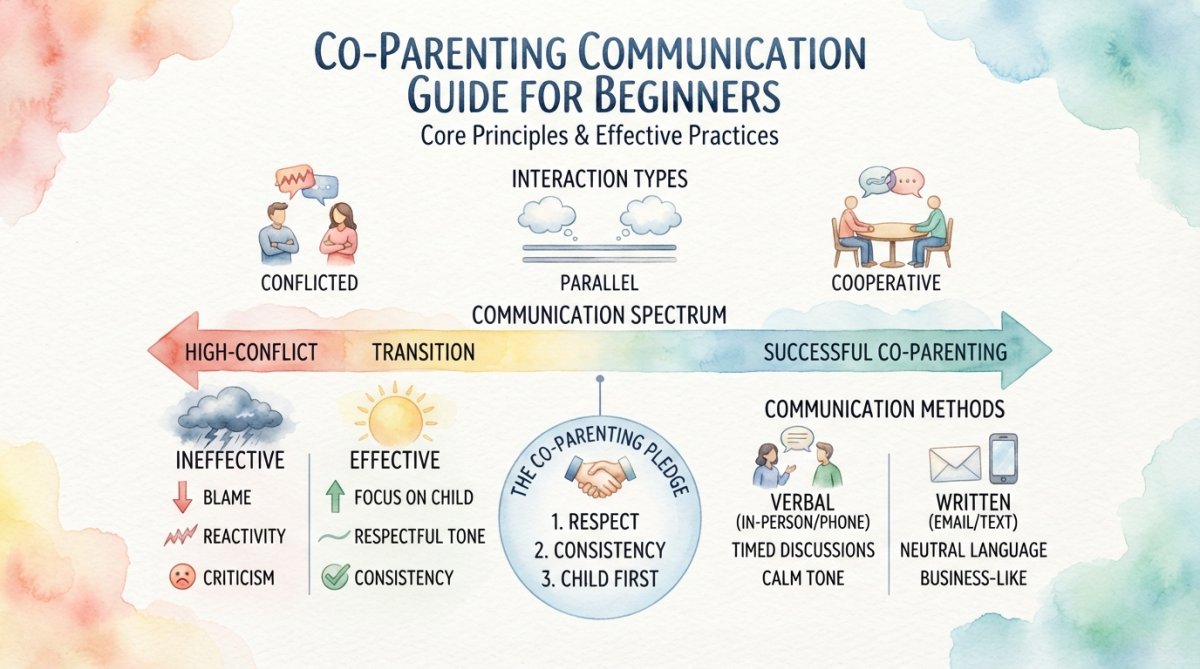
Understanding parallel parenting impact on children is also essential context when navigating these dynamics long-term.
Spotting the signs: What child behaviors suggest coaching?
Once you understand the definitions, the next challenge is recognizing what coaching actually looks like in your child’s day-to-day behavior. It is not always obvious, and some signs overlap with normal grief or adjustment.
The Five-Factor Model is a recognized framework used by clinicians and courts. It identifies key behavioral markers: a child using language that sounds borrowed from an adult, resisting contact without a clear reason, showing no ambivalence about rejecting one parent, expressing extreme loyalty to the other parent, and spreading that rejection to the targeted parent’s wider family.
Signs that may indicate coaching:
- Your child uses phrases that sound adult or rehearsed, like “You destroyed our family.”
- They repeat the same specific complaints word for word across different conversations.
- They show no guilt or sadness about rejecting you, which is unusual for children who genuinely love both parents.
- They refuse contact suddenly, with no triggering incident on your end.
- They extend rejection to your relatives, friends, or new partner.
| Behavior | Likely coaching | Likely adjustment struggle |
|---|---|---|
| Rehearsed adult language | Yes | Rarely |
| Guilt or sadness present | No | Often |
| Sudden, unexplained rejection | Yes | Sometimes |
| Rejection fades over time | No | Usually |
| Extends to your whole family | Yes | Rarely |
Differentiating coaching from developmental struggle is not always clean. A child who is grieving a family breakdown may also act out, withdraw, or say hurtful things. The difference is usually in the pattern, not a single incident. Understanding child manipulation in custody disputes can help you read these patterns more clearly.
Pro Tip: Start a behavior log today. Write down dates, exact words your child uses, and any changes in their attitude after visits with the other parent. Patterns over weeks and months are far more compelling than isolated moments, both for your own clarity and for any legal process.
For practical strategies on how to support kids in two homes after infidelity, there are resources specifically designed for this situation.
Tactics and methods of coaching: What really happens?
Knowing the signs is one thing. Understanding the tactics behind them helps you see the full picture without second-guessing yourself.
Some tactics are overt: directly telling a child that the other parent does not love them, sharing adult details about the affair, or encouraging the child to spy and report back. Others are far more subtle and harder to name.
Common alienating tactics include:
- Badmouthing the other parent in front of or within earshot of the child
- Limiting or sabotaging contact through scheduling conflicts or “forgetting” handoffs
- Guilt-tripping the child for enjoying time with the other parent
- Creating false narratives about why the relationship ended
- Using sighs, eye rolls, or silence to signal disapproval without saying a word
“Tactics include badmouthing, limiting contact, emotional manipulation, and creating false narratives. Over time, children internalize rejection as their own genuine feeling, making it harder to identify the source.”
The covert tactics are often the most damaging because they are deniable. A parent who sighs every time your name is mentioned never said anything negative, but the message lands clearly with a child who is already anxious and looking for cues about how to feel.
If you are managing a high-conflict situation, learning about parallel parenting with a high-conflict ex can reduce the opportunities for these tactics to take hold.
Differentiating alienation from justified estrangement
This is the part most guides skip, and it is critical. Not every child who rejects a parent is being coached. Sometimes, a child’s distance is a protective response to real harm.
Courts and clinicians are increasingly aware that alienation claims can be weaponized. Research shows that courts are 2 to 4 times more likely to disbelieve abuse allegations when the other parent counterclaims parental alienation. That is a sobering statistic for anyone in a high-conflict custody situation.
Questions to ask before concluding alienation:
- Has there been any history of physical, emotional, or verbal abuse in the home?
- Does your child’s rejection align with specific incidents or patterns of your own behavior?
- Has a neutral professional assessed the situation?
- Is the rejection consistent across all settings, or only around the other parent?
Abuse screening is not optional. A thorough assessment by a qualified mental health professional protects everyone, including you. If alienation is real, that assessment will support your case. If estrangement is justified, it gives you the chance to address the real issue.
Exploring different parenting styles for recovery after infidelity can also help you reflect honestly on your own role in the family dynamic.
Emotional and mental health effects for children and targeted parents
The stakes here are not just legal. They are deeply human.
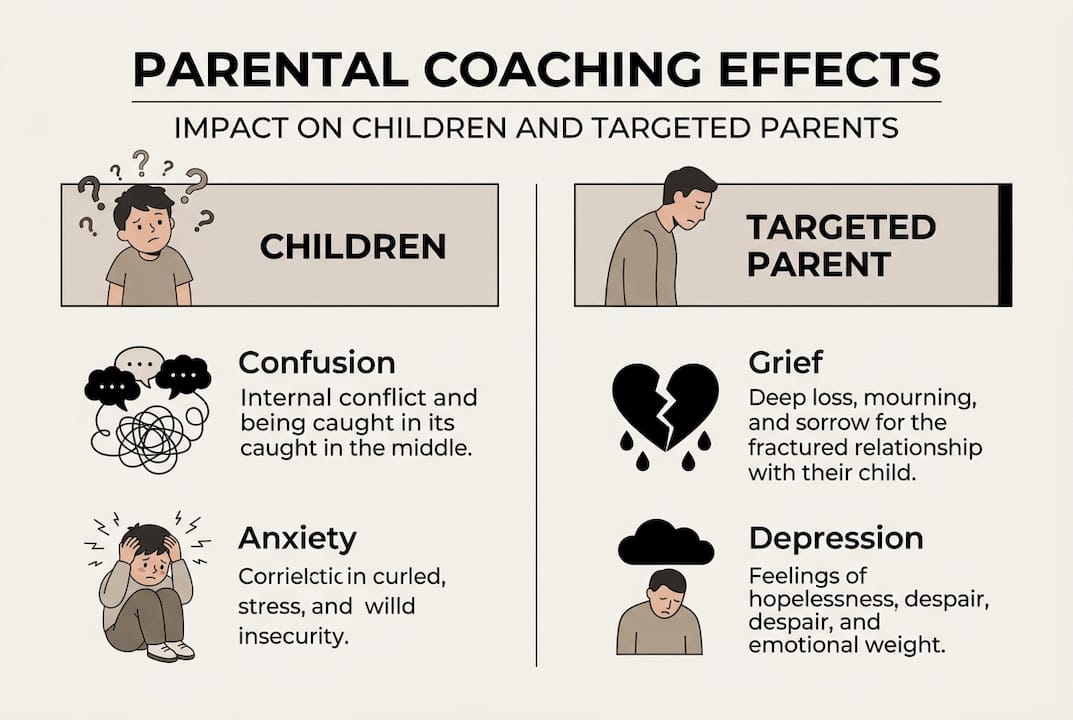
Research links PABs to higher depression, PTSD, and suicide ideation in targeted parents. For children, the effects include worse behavioral outcomes, academic struggles, and lower life satisfaction that can persist into adulthood. These are not minor side effects. They are serious, documented harms.
| Who is affected | Short-term impact | Long-term impact |
|---|---|---|
| Targeted parent | Anxiety, depression, grief | PTSD, isolation, identity loss |
| Child | Behavioral problems, school struggles | Relationship difficulties, low self-worth |
For targeted parents, the experience often mirrors the original betrayal trauma from the affair itself. You are losing your child’s trust in the same season you lost your partner’s. That compounded grief is real and deserves real support.
Pro Tip: Seek a trauma-informed therapist, not just any counselor. Trauma-informed practitioners understand how betrayal and loss layer on top of each other, and they can help you stay regulated enough to parent well through the chaos.
Understanding the impact of parallel parenting over time, and the parallel parenting method benefits, can help you build a structure that protects your children even when the other parent is not cooperating.

What to do if you suspect coaching or alienation
Knowledge without action keeps you stuck. Here is what to do, step by step.
Document everything first:
- Record dates, times, and exact words your child uses that seem coached.
- Note any changes in behavior after visits or phone calls with the other parent.
- Save text messages, emails, or voicemails that show alienating communication.
- Track missed visits, late pickups, or interference with your contact time.
Then take these steps:
- Consult a family law attorney who has specific experience with high-conflict custody and alienation cases. General family lawyers often miss the nuance.
- Engage a child therapist who is neutral and alienation-aware. Avoid therapists recommended by the other parent.
- Request a custody evaluation from a court-appointed professional if the situation escalates.
What not to do:
- Do not badmouth the other parent in response. It muddies the picture and harms your child.
- Do not interrogate your child about what the other parent says. It puts them in the middle.
- Do not ignore the pattern hoping it resolves on its own.
Courts respond to documented patterns, timelines, and expert assessment. The more organized and consistent your records, the stronger your position.
Understanding is parallel parenting healthy for your family, and learning about the parallel parenting method, can give you a practical framework that reduces conflict while keeping you present in your child’s life.
Healing, support, and resources for parents after infidelity
If any part of this journey feels overwhelming, know that you do not have to navigate it alone. Parenting through a high-conflict separation after infidelity is one of the hardest things a person can face. The betrayal, the grief, and the fear for your children all arrive at once.
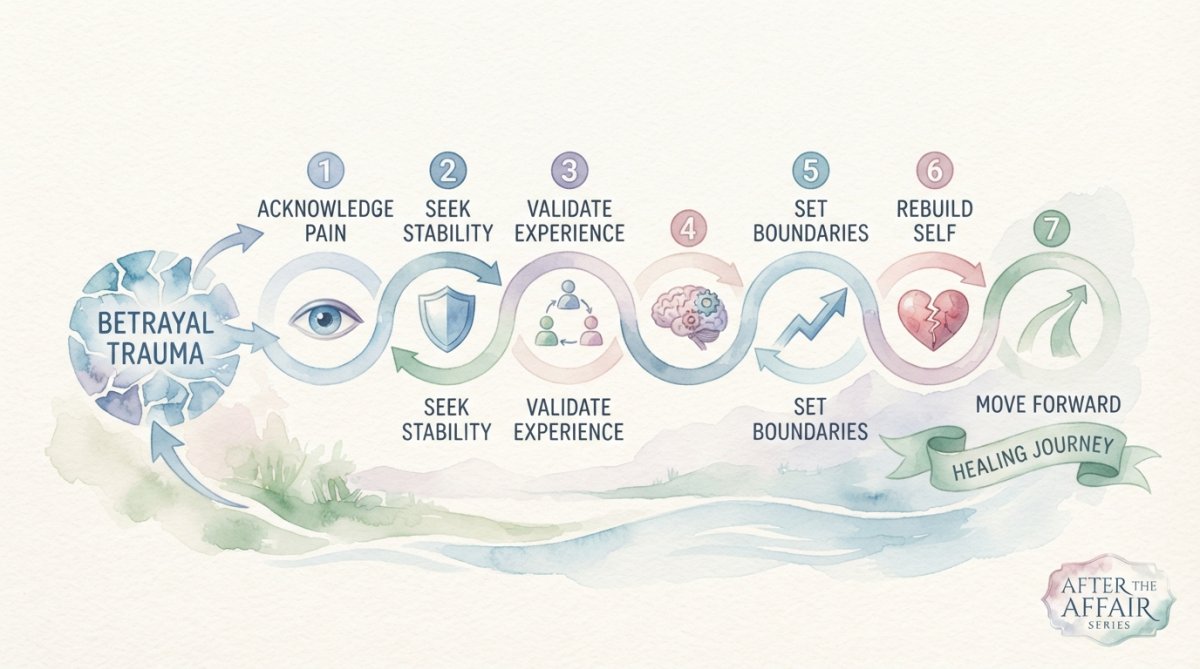
At AfterTheAffair.uk, we have built resources specifically for parents in your position. Whether you need a structured starting point or a clear path forward, the infidelity recovery checklist walks you through seven evidence-informed steps for healing. And if you are ready to think about what comes next, our guide on relationship growth after infidelity addresses how to rebuild trust, in yourself and in your family, even when the road ahead feels uncertain. You deserve support that actually understands what you are going through.
Frequently asked questions
What are clear signs my child is being coached?
Look for sudden rejection, adult-sounding language your child would not normally use, and repeated phrases that mirror the other parent’s words. The Five-Factor Model also identifies borrowed language, lack of ambivalence, and strong alignment with the favored parent as key indicators.
Can parental alienation happen unintentionally?
Yes. Even subtle cues like sighs, silence, or offhand comments can shape how a child feels about the other parent without any conscious intent. Research shows that children internalize negative feelings from these indirect signals over time.
How do I prove alienation in court?
Careful documentation, a consistent behavior log, and input from an alienation-aware expert are your strongest tools. Courts use evidence, patterns, and expert assessment to recognize alienation, so organized records matter more than emotional testimony alone.
Does parental alienation always mean abuse has not occurred?
No. It is essential to screen for real abuse before concluding that a child’s rejection is purely the result of coaching. Abuse allegations are more likely to be dismissed when alienation is counterclaimed, which is why a thorough, neutral assessment is always necessary.
Recommended
- Communication Transition Mistakes – After the Affair Series
- How to Tell Kids About an Affair – After the Affair Series
- Parallel Parenting With a Narcissist – After the Affair Series
- The Betrayal Barrier – After the Affair Series