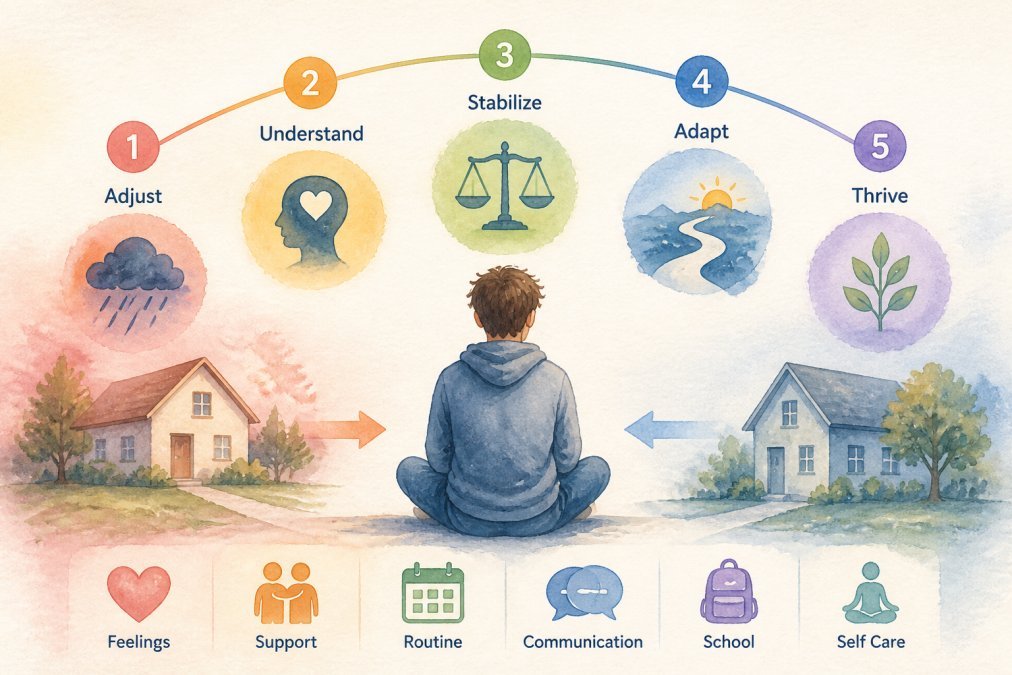
TL;DR:
- Emotional healing after infidelity involves managing unpredictable waves of grief, shame, and trust loss.
- A structured, step-by-step approach helps organize recovery and rebuild trust in oneself.
- Personalization and patience are crucial, as healing is a non-linear process requiring support and self-awareness.
- Key Takeaways
- What makes emotional healing after infidelity so complex?
- 10 essential steps for emotional healing
- Comparing common healing approaches
- Personalizing your healing journey
- Why the “one size fits all” approach to healing rarely works
- Further support: Guided healing resources and next steps
- Frequently asked questions
The moment you discover a partner’s betrayal, the ground shifts beneath you in a way that’s hard to describe to anyone who hasn’t been there. The shock, the grief, the relentless mental replay — it’s overwhelming, and it can make healing feel completely out of reach. But recovery isn’t about willing yourself to feel better. It’s about taking deliberate, structured steps that give your mind and heart a framework to follow. This article walks you through exactly that: ten evidence-informed steps, a look at the best healing approaches, and guidance on building a path that fits your unique situation.
Key Takeaways
| Point | Details |
|---|---|
| Stepwise recovery works best | Following a structured sequence of steps can simplify the overwhelming healing process after infidelity. |
| Personalized healing is key | Adapting healing steps to your unique situation leads to better and more sustainable results. |
| Multiple approaches enhance healing | Combining checklists, therapy, and self-care tools offers stronger support than using only one method. |
| Progress is not always linear | Healing after betrayal often involves setbacks, but maintaining effort and seeking support makes growth possible. |
What makes emotional healing after infidelity so complex?
Infidelity doesn’t just hurt your heart. It destabilizes your sense of reality. You start questioning your memories, your judgment, and your worth. That’s what makes this kind of pain so different from ordinary heartbreak.
Recovery from infidelity involves layered trauma and emotional upheaval that rarely follows a predictable path. One day you may feel calm and resolved. The next, a song or a place sends you back to square one. That’s not weakness. That’s how betrayal trauma actually works.
Betrayal trauma is a specific psychological response that occurs when someone we depend on for safety and security violates that trust. It combines elements of grief, post-traumatic stress, and identity crisis simultaneously. Because the wound is relational, the emotional aftermath is tangled with love, anger, confusion, and loss all at once.
Here’s what makes the healing process particularly difficult for most people:
- Unpredictable emotional waves that can surface weeks or months after the initial discovery
- Self-blame that distorts reality and delays self-compassion
- Hypervigilance, meaning a constant state of anxious alertness to signs of further betrayal
- Disrupted identity, especially if the relationship was central to your sense of self
- Isolation, because many people feel ashamed to talk openly about what happened
- Intrusive thoughts that replay details involuntarily and disrupt sleep, focus, and daily life
“The hardest part of healing after infidelity isn’t the anger. It’s the moment you realize you’ve lost trust in your own perceptions. Rebuilding that inner compass takes time, structure, and consistent, compassionate support.”
Without a structured approach, many people either rush their recovery or avoid it entirely. Both responses lead to the same place: feeling stuck, bitter, or emotionally numb months later. That’s why working through a clear, step-based framework isn’t just helpful. It’s often necessary.
10 essential steps for emotional healing
A stepwise checklist reduces overwhelm and organizes the recovery journey in a way that feels manageable even during the most chaotic emotional periods. These ten steps aren’t meant to be rushed. They’re meant to be returned to.
- Create physical and emotional safety. Before anything else, you need an environment where you feel secure. This might mean staying with a trusted friend, sleeping separately, or setting immediate boundaries around contact with the person who caused the harm.
- Acknowledge and validate your emotions without judgment. Every emotion you’re feeling right now is legitimate. Rage, grief, numbness, even love for the person who hurt you. Suppressing any of it slows your progress. Say the feelings out loud, write them down, or simply let yourself cry.
- Gather the information you need to face the truth. Many survivors need a factual account of what happened to begin processing it. You don’t need every detail, but having enough of the truth to stop filling in blanks with imagination is often critical for moving forward.
- Seek support from trusted people in your life. Isolation amplifies pain. Share what you’re going through with at least one safe, non-judgmental person. Whether that’s a close friend, a family member, or a counselor, connection is a core part of healing.
- Practice daily self-care to maintain physical and emotional stability. Sleep, nutrition, movement, and rest all directly impact your emotional capacity. When you’re in trauma, these basics become non-negotiable pillars. Even a ten-minute walk can shift your nervous system meaningfully.
- Understand that trauma reactions are normal and temporary. Flashbacks, panic, emotional numbness, or difficulty concentrating are common responses to betrayal. Recognizing these as symptoms, not personal failures, removes a layer of shame that would otherwise slow recovery.
- Set healthy boundaries and realistic expectations. Whether you’re staying in the relationship or leaving, clear boundaries protect your emotional recovery. What are you willing to accept? What do you need from others right now? Getting clear on this prevents further harm.
- Address forgiveness at your own pace, and only if it feels right for you. Forgiveness is often misunderstood as a gift you give the person who hurt you. In reality, it’s something you do for yourself. It doesn’t mean accepting what happened. It means releasing the grip that bitterness has on your daily life. This step is optional and personal.
- Work toward healthier communication if you’re rebuilding the relationship. If you’re choosing to stay and work things through, learning how to express your needs and hear your partner without shutting down is essential. Consider working with a couples therapist to build these skills safely. Knowing how to cope after infidelity forms the foundation of this communication work.
- Take small steps to rebuild self-trust and hope. Trust in yourself is often the most damaged thing after betrayal. Start small. Keep promises to yourself. Follow through on tiny commitments. Each one sends a signal to your nervous system that you are reliable, capable, and safe. Understanding the healing stages can help you recognize when you’re genuinely moving forward.
Pro Tip: Print this list and mark off each step you’ve actively engaged with. You don’t need to complete them in order. The act of seeing your progress on paper builds momentum when emotions make forward movement feel invisible.
Research confirms that trust can be rebuilt through deliberate emotional work following clear steps, particularly when the injured partner has a structured framework to follow rather than navigating the chaos alone.
Comparing common healing approaches
While any step list helps, understanding all available methods enables a more informed personal path. Different people at different points in their recovery need different tools.
Different recovery models, including checklists, therapy, and peer support, offer unique benefits and timelines. No single method works for everyone, and most people benefit from combining more than one.
| Approach | Speed of impact | Emotional support | Accountability | Accessibility |
|---|---|---|---|---|
| Structured checklist | Fast | Moderate | High (self-directed) | Very high |
| Individual therapy | Moderate | Very high | High (therapist-guided) | Moderate |
| Group support | Moderate | High | Moderate | Moderate to high |
| Online self-help resources | Fast | Moderate | Low to moderate | Very high |
Here’s a practical breakdown of each:
- Structured checklists give you immediate direction when you’re overwhelmed. They’re available any time, require no scheduling, and can be revisited as often as needed. The limitation is that they don’t provide interactive emotional support.
- Individual therapy offers personalized, professional guidance and is especially valuable for complex trauma responses. It requires time and financial resources, but the depth of progress it enables is often unmatched.
- Group support (in-person or online) reduces isolation and creates community with people who genuinely understand your experience. The pace is sometimes slower, and not every group is equally well facilitated.
- Online self-help resources, including books, guided exercises, and structured programs, offer flexibility and privacy. They work best when paired with another form of accountability or connection.
Stepwise frameworks accelerate trauma recovery specifically by providing structure during a period when decision-making and emotional regulation are most compromised. Knowing your next step removes the cognitive load of figuring out where to start.
The most effective strategy? Combine methods. Use a checklist for daily grounding, therapy for deeper processing, and community support for the moments when you need to feel less alone. Learning to build emotional resilience becomes much more sustainable when your support system has multiple layers.
Personalizing your healing journey
Healing looks different for everyone, but following and adapting structured steps increases self-efficacy, which is your belief in your own ability to get through this. That belief matters more than you might think during recovery.
Here’s how to make the ten steps above work specifically for your situation:
- Assess your current support network. If you have limited access to therapy, lean harder into structured self-help tools and peer communities. If you have a strong support system, use it actively rather than protecting others from your pain.
- Track your progress, even imperfectly. Journaling just three sentences a day about what you’re feeling and what you did to care for yourself creates a record of movement. On the dark days, reading back through it reminds you how far you’ve actually come.
- Honor the cyclical nature of grief. Setbacks are not failures. They’re a known, expected part of why healing takes time. Returning to an earlier step doesn’t mean starting over. It means you’re responding to what your healing actually needs right now.
- Use milestone tracking. Celebrate specific moments: the first full night of sleep, the first day you didn’t think about it until afternoon, the first week you felt genuinely present in a conversation. These markers build evidence that recovery is real.
Pro Tip: If journaling feels too heavy right now, try a simple daily rating scale from 1 to 10 for your emotional stability. Even this small practice builds self-awareness over time without requiring you to articulate everything in words.
If rebuilding your sense of self feels like the most urgent need, working through practical steps to rebuild self-esteem is one of the most powerful places to invest your energy in the early stages of recovery.
Why the “one size fits all” approach to healing rarely works
Here’s something that most healing content won’t tell you directly: a numbered list, no matter how well-researched, will not save you on its own. And the danger of presenting infidelity recovery as a clean, linear sequence is that it can make people feel like failures when they inevitably loop back, skip steps, or need to revisit things they thought they’d resolved.
Real emotional recovery is not a staircase you climb once. It’s more like tidal movement, advancing and retreating, but always with a net forward direction when you look at the longer arc. Trusting that rhythm takes courage, especially when the cultural message is to “move on” quickly and cleanly.
The most durable recoveries we see are built on three things. First, having a structured framework as a starting reference, not a rigid prescription. Second, listening honestly to what you need at each stage rather than following someone else’s timeline. Third, being willing to ask for help when you’ve reached the edges of what you can navigate alone.
Addressing betrayal trauma effectively means reclaiming your own agency, not just following someone else’s roadmap. The steps matter. But your relationship to those steps, your pace, your adaptations, and your instincts matter just as much. Recovery isn’t about performing healing correctly. It’s about genuinely reclaiming yourself.
Further support: Guided healing resources and next steps
You’ve now got a clear picture of what structured recovery looks like, how different approaches compare, and why personalizing your path is so critical. But knowing the steps and walking them are two very different things.
At After the Affair, we’ve built resources specifically designed for the moments when you need more than general advice. Our infidelity recovery checklist gives you a structured, compassionate starting point you can return to whenever the ground feels unsteady. If you’re looking to rebuild not just yourself but also explore what relationship growth might look like from here, we have guides tailored to exactly that. Professionals supporting clients through betrayal will also find dedicated frameworks in our guide for counselors and practitioners. Wherever you are right now, the next step is always available.
Frequently asked questions
How long does emotional healing take after infidelity?
There’s no universal timeline, but stepwise frameworks accelerate recovery timelines meaningfully when applied consistently. Most people notice genuine progress within several months, though full integration of the experience often takes longer.
Can you heal emotionally without professional therapy?
Yes, many people heal effectively using structured tools, self-help resources, and peer support. The benefits of therapy are real and significant, but they complement rather than replace the broader healing work you can do on your own.
What should I do if I feel stuck or overwhelmed during healing?
Pause, be honest about where you are, and revisit earlier foundational steps rather than pushing forward. Returning to earlier steps is not regression. It’s smart, responsive recovery that honors what you actually need right now.
How can I rebuild self-esteem after betrayal?
Focus on small, consistent actions that prove to yourself you are trustworthy and capable. Action-based steps help restore self-worth steadily over time, and the accumulation of small wins becomes the foundation for lasting confidence.
Recommended
- 7 Steps-Infidelity Recovery Checklist – After the Affair Series
- Effective tips for emotional healing after infidelity – After the Affair Series
- How to Guide Clients After Infidelity for Healing – After the Affair Series
- How to Cope After Infidelity – After the Affair Series