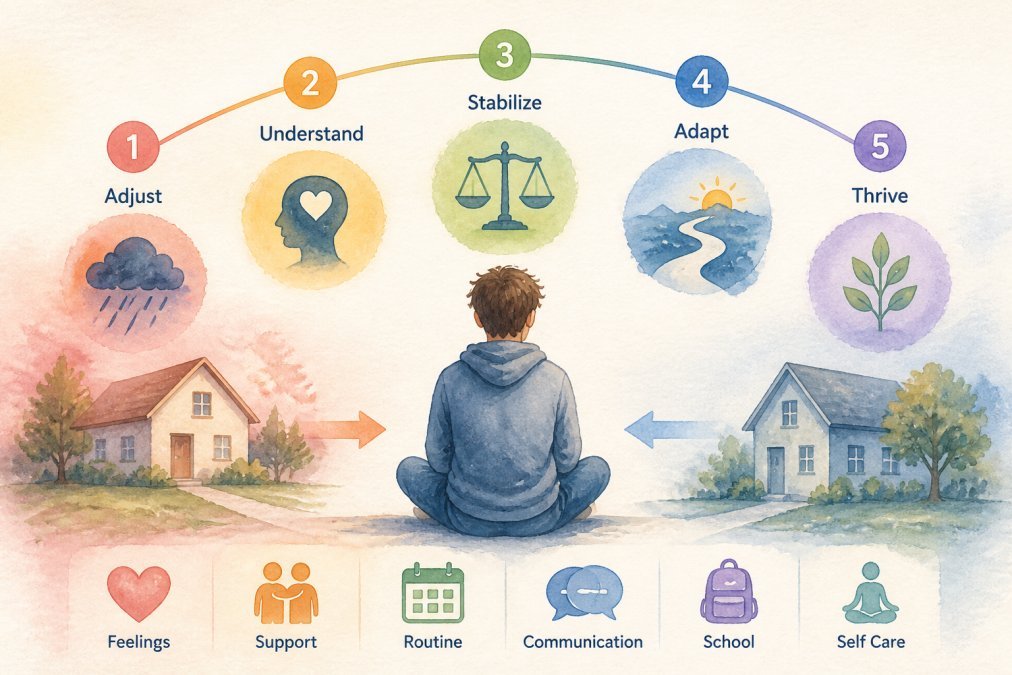
Last Updated: July 28, 2026
- What Is a Betrayal Recovery Communication Toolkit?
- Key Features to Look For When Buying a Communication Toolkit
- Communication Scripts for Infidelity: What Actually Works
- Infidelity Recovery Communication Exercises for Daily Practice
- Rebuilding Trust After Betrayal Workbook: Structure and Outcomes
- Healing From Betrayal Resources: Digital vs. Physical Toolkits
- Who Should Buy a Betrayal Recovery Communication Toolkit?
- Post-Recovery Maintenance: Sustaining Progress After Purchase
- Frequently Asked Questions
What Is a Betrayal Recovery Communication Toolkit?
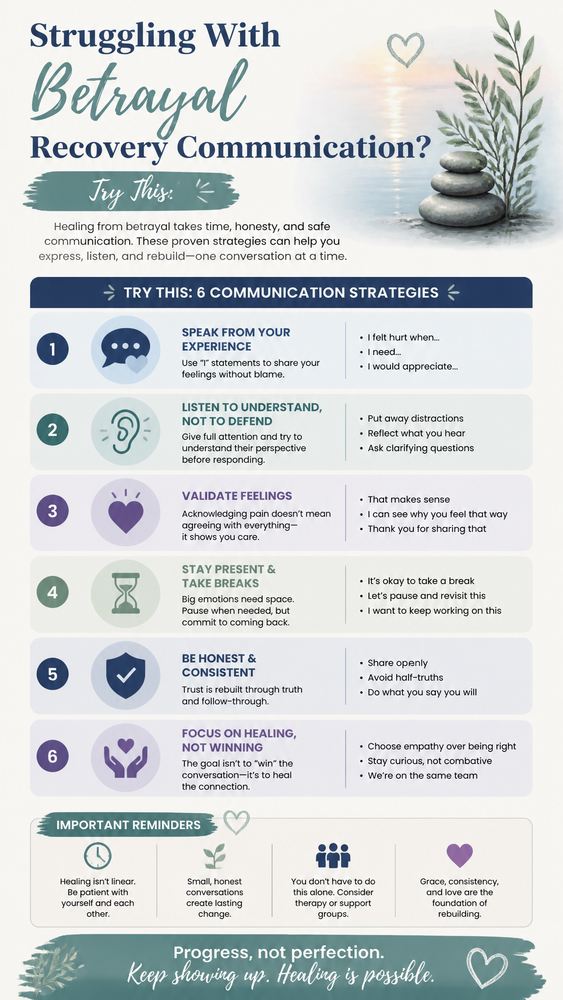
A betrayal recovery communication toolkit is a structured collection of scripts, frameworks, and exercises designed to help individuals communicate effectively during the aftermath of infidelity, betrayal, or relationship breakdown. Unlike general therapy resources or parenting courses, these toolkits address the specific psychological and relational challenges that emerge after trust has been shattered.
The core purpose is simple: provide immediate, actionable language for conversations you’re not prepared to have. When you’re in crisis, your partner just admitted to an affair, or you’re negotiating custody arrangements with someone who’s become hostile, your nervous system is activated. A toolkit gives you pre-tested language and structures so you don’t have to improvise under stress.
How It Differs From General Therapy or Parenting Courses
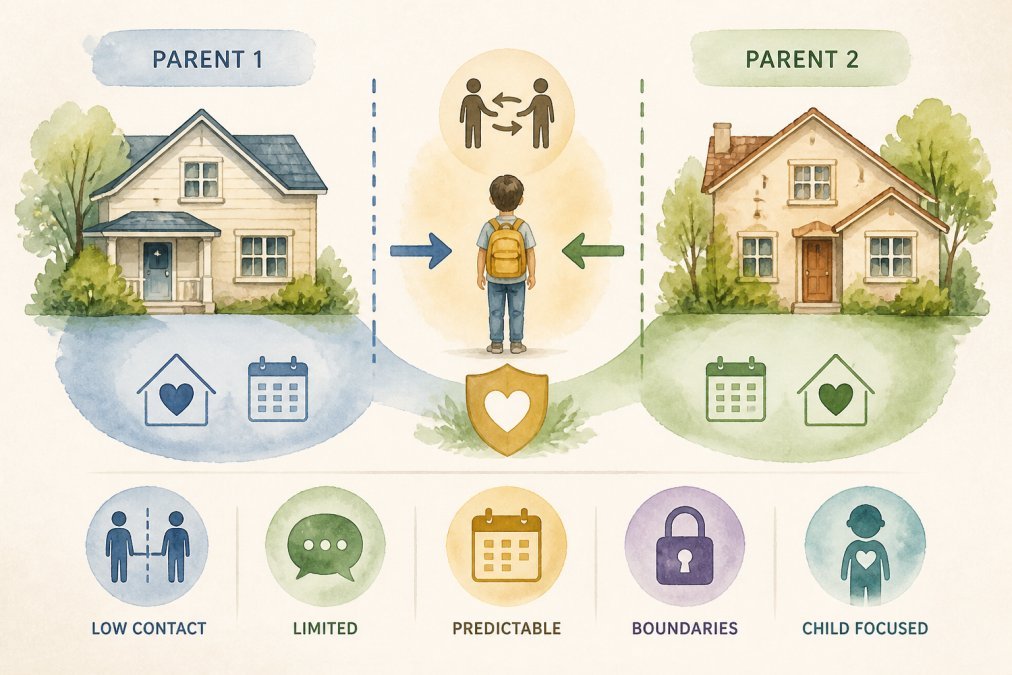
General therapy focuses on long-term healing and emotional processing. Parenting courses teach child development and communication principles, but they don’t account for the unique dynamics of co-parenting after betrayal, where one parent may weaponize the children or refuse to acknowledge the other parent’s reality.
A betrayal recovery communication toolkit bridges that gap. It provides:
- Crisis-specific language designed for high-conflict interactions
- Scripts for children that address age-appropriate ways to explain separation or infidelity without burdening kids with adult emotions
- Frameworks for self-protection when the other person is unpredictable or hostile
- Assessment tools to track your emotional state and progress over weeks and months
The After the Affair Series approach focuses on actionable methods rather than general advice, teaching structured communication tools like the Gray Rock Method alongside 50+ scripts for real conversations you’ll actually face.
Key Features to Look For When Buying a Communication Toolkit
Not all communication toolkits are created equal. Before you invest time and money, evaluate these critical features.
Structured Frameworks vs. General Advice
The difference between a useful toolkit and a waste of money often comes down to structure. Generic advice like “communicate clearly” or “set boundaries” doesn’t help when your ex is screaming at you in a parking lot. Structured frameworks give you a decision tree: if X happens, use Y response.
Look for toolkits that teach named methodologies. The Gray Rock Method, for instance, is a specific technique where you respond to hostile communication with minimal emotional engagement, short, factual answers that don’t provide the emotional reaction the other person is seeking. This isn’t intuitive. Most people, when attacked, either defend themselves emotionally or shut down completely. The Gray Rock Method gives you a third option with clear rules.
Similarly, a toolkit should include frameworks for “circuit-breaker conversations,” structured dialogues designed to de-escalate conflict when things are heading toward a meltdown.
When evaluating a toolkit, ask: “Does this teach me a named technique I can practice and reference, or does it give general principles?” Named techniques are learnable; principles alone are too vague to apply under stress.
Age-Appropriate Scripts and Real-World Applicability
If you have children, scripts are non-negotiable. You need language for telling a 5-year-old why mommy and daddy aren’t living together, different language for a 12-year-old who’s starting to understand infidelity, and completely different language for a 17-year-old who may have discovered the affair themselves.
The best toolkits provide 30-50+ scripts organized by age group and scenario. Look for specificity: not just “explain separation to your child,” but “explain separation when your ex is badmouthing you to the kids” or “explain infidelity when your child discovered it on social media.”
Real-world applicability matters equally. A script that sounds robotic or overly formal will feel inauthentic when you’re speaking to your partner or child. Test the language: does it sound like something a real person would say?
Communication Scripts for Infidelity: What Actually Works
When infidelity is disclosed, the conversations that follow are rarely rational. You’re processing shock, betrayal, and grief simultaneously. Your partner may be defensive, minimizing, or gaslighting. This is where pre-written scripts become lifesaving.
The Gray Rock Method and Other Evidence-Based Techniques
The Gray Rock Method works because it removes the emotional payoff from hostile communication. If someone is attacking you to provoke a reaction, a calm, factual response starves that dynamic. The method involves:
- Keep responses short and factual, no elaboration, no emotion, no explanation of your feelings
- Use neutral tone, imagine you’re describing the weather
- Don’t defend or explain, this invites argument
- Repeat if necessary, if they push, use the same response again
Example: Your ex says, “You’re a terrible parent and the kids would be better off with me.”
Gray Rock response: “I hear you. I’m picking them up at 3 PM on Saturday.”
This works because it provides zero emotional engagement. Most hostile people lose interest quickly when they’re not getting a reaction.
Other evidence-based techniques include:
- DEAR MAN (from Dialectical Behavior Therapy): Describe the situation, Express your viewpoint, Assert your needs, Reinforce why this matters
- Safe dialogue practice: Structured conversations where both partners agree to follow specific rules (no interrupting, no personal attacks, 20-minute limit)
- Boundary-setting scripts: Clear language for saying “no” without justifying or over-explaining
The Gray Rock Method works for managing hostile interactions, but it’s not a healing technique. If you’re using it constantly with your partner, that’s a signal that the relationship dynamic is too damaged for reconciliation. Gray Rock is crisis management, not relationship repair.
Infidelity Recovery Communication Exercises for Daily Practice

Understanding a technique intellectually is different from being able to use it under stress. The best toolkits include daily exercises that train your nervous system to respond differently.
Grounding Techniques for Managing Triggers
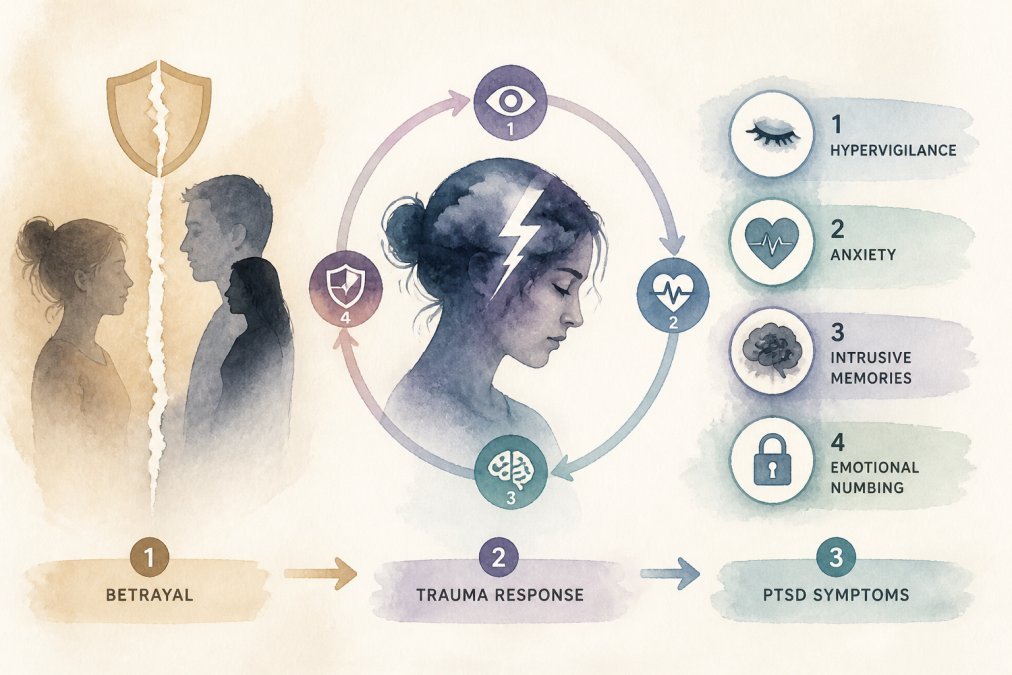
Betrayal trauma creates specific triggers. A song, a location, a time of day, suddenly you’re flooded with the memory of discovery. Your nervous system floods with cortisol and adrenaline. In this state, you can’t access the communication frameworks you’ve learned.
Grounding techniques anchor you back to the present moment, which allows your prefrontal cortex to come back online. Common grounding exercises include:
- 5-4-3-2-1 sensory technique: Name 5 things you see, 4 you can touch, 3 you hear, 2 you smell, 1 you taste
- Box breathing: Breathe in for 4 counts, hold for 4, exhale for 4, hold for 4, repeat 5 times
- Cold water immersion: Splash cold water on your face or hold ice cubes, this triggers the vagal brake and calms your nervous system
The most effective toolkits include a grounding toolkit you can reference in moments of crisis, with laminated cards you can keep in your wallet or guided audio recordings you can listen to while driving.
Emotional Regulation and Safe Dialogue Practice
Emotional regulation isn’t about suppressing feelings. It’s about creating space between impulse and action. When you’re triggered, you have about 90 seconds before your nervous system hijacks your rational mind. If you can create distance during those 90 seconds, you can choose your response instead of reacting automatically.
Safe dialogue practice involves scheduling conversations with your partner (or ex) where both people agree to specific rules: no interrupting, no personal attacks, 20-minute time limit, and pause if either person becomes dysregulated. The toolkit should provide the exact language for proposing this: “I’d like to talk about [topic]. Can we set aside 20 minutes where we both agree not to interrupt and to stay focused on [topic]?”
This works because it removes the threat of surprise attacks or escalation. Your nervous system can relax slightly, which makes rational conversation possible.
Rebuilding Trust After Betrayal Workbook: Structure and Outcomes
Trust doesn’t rebuild through conversation alone. It requires visible, consistent behavior change over time. A workbook designed for rebuilding trust should guide both partners (or help the betrayed partner process alone) through specific milestones.
Assessment Tools and Progress Tracking
The best toolkits include a baseline assessment so you can measure progress. This might be a 23-point assessment that scores your current state across dimensions like emotional safety, transparency, consistency, repair effort, and your own healing.
After the Affair Series includes a free 23-point assessment with scored results. This gives you a concrete number to track against. After 8 weeks of using the toolkit, you retake the assessment. If you’ve moved from 12/23 to 16/23, you have evidence that something is working.
Progress tracking should include weekly check-ins on specific behaviors, monthly assessments of emotional safety and trust, journaling prompts that help you identify patterns, and milestone celebrations.
Healing From Betrayal Resources: Digital vs. Physical Toolkits
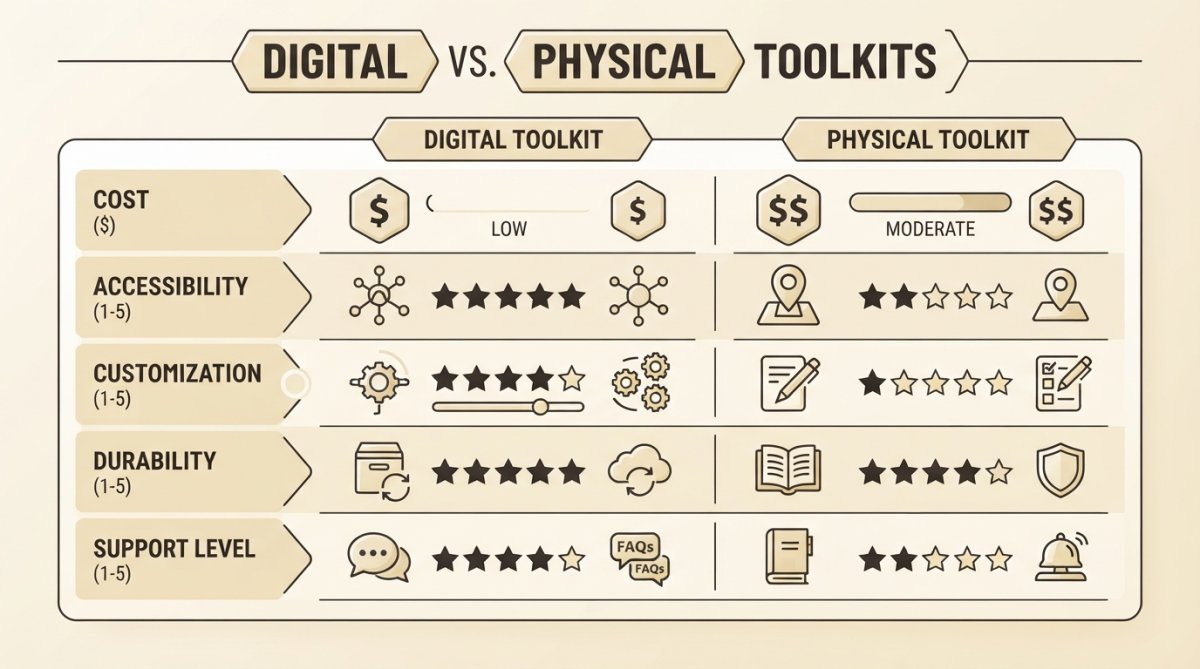
The format of your toolkit affects how you’ll use it.
Budget-Friendly DIY Recovery Kits vs. Comprehensive Platforms
A DIY recovery kit might consist of printable worksheets, a journal for processing emotions, a card deck with grounding techniques and scripts, and a PDF guide with frameworks and exercises. These are typically lower-cost and work well if you’re self-directed and disciplined. The downside: no accountability, no expert guidance when you get stuck, and limited support for couples work.
A comprehensive platform typically includes interactive modules, video content demonstrating techniques, community access or coaching support, progress tracking built into the system, and the ability to involve your partner in shared modules. Comprehensive platforms cost more but provide structure and accountability.
For most people in acute betrayal trauma, a comprehensive platform with built-in structure and some form of support (community, coaching, or expert guidance) produces better outcomes than a DIY kit. The crisis state makes self-direction harder.
Who Should Buy a Betrayal Recovery Communication Toolkit?
A toolkit is right for you if you’re facing specific communication challenges after betrayal. It’s not a substitute for therapy, but it’s often a necessary complement.
When a Toolkit Is Enough vs. When Professional Therapy Is Essential
A toolkit alone is sufficient if you’re managing a high-conflict co-parenting situation, in the early shock phase needing grounding techniques, working with a therapist but needing day-to-day tools between sessions, trying to decide whether to reconcile, or processing betrayal solo.
A toolkit is NOT sufficient, and professional therapy is essential, if you’re experiencing suicidal ideation or severe depression, have a history of trauma triggered by the betrayal, your partner is actively gaslighting or manipulating you, your children are showing signs of distress, or you’re unable to implement the toolkit’s frameworks even with clear instructions.
Many people benefit from both. A therapist provides personalized guidance and emotional support. A toolkit provides the specific language and structures for the moments between therapy sessions, which is often where the real work happens.
Research from the American Psychological Association on betrayal trauma indicates that structured, evidence-based tools significantly accelerate recovery when used alongside professional support.
Post-Recovery Maintenance: Sustaining Progress After Purchase
Buying a toolkit is one thing. Using it consistently is another. Most people experience initial enthusiasm, then fade after 3-4 weeks. The toolkit that works is the one you’ll actually return to.
After you’ve moved through the acute crisis phase, the toolkit’s purpose shifts. Instead of crisis management, it becomes a reference guide for maintaining the progress you’ve made. This might mean revisiting grounding techniques when new triggers emerge, using the Gray Rock Method during occasional hostile interactions, referencing scripts when facing difficult conversations with your ex, or tracking your emotional safety over months.
The best toolkits are designed for long-term reference, with clear organization so you can find what you need quickly, durable physical formats that withstand repeated use, digital platforms that remain accessible long after purchase, and exercises that evolve as you heal.
The path from betrayal to healing is rarely linear. Some days you’ll feel strong and capable. Other days, a trigger will send you back to the moment of discovery. A communication toolkit can’t eliminate that pain, but it can give you tools to manage it, and more importantly, to protect your children and yourself during the most destabilizing period of your life. After the Affair Series provides the specific frameworks, scripts, and exercises designed for this exact journey. Start with the free 23-point assessment to understand where you are now, then move into the toolkit when you’re ready to build concrete skills for the conversations ahead.
Frequently Asked Questions
What exactly is included in a betrayal recovery communication toolkit, and how is it different from therapy?
A betrayal recovery communication toolkit provides structured frameworks, scripts, and exercises designed for immediate use in difficult conversations, not therapeutic processing. Unlike therapy, which explores emotional roots, a toolkit focuses on practical tools: specific language for boundary-setting, grounding techniques for triggers, and frameworks like the Gray Rock Method. Toolkits complement therapy but don’t replace it; they’re actionable resources for moments when you need to communicate with a hostile ex or manage emotional dysregulation in real time. Many users find toolkits most valuable for high-conflict co-parenting or managing interactions with an unfaithful partner.
Can communication scripts for infidelity actually work with someone who refuses to communicate reasonably?
Scripts work differently depending on your partner’s willingness to engage. With genuinely hostile or unpredictable partners, the goal shifts: scripts become tools for protecting your emotional safety and setting boundaries, not for achieving mutual understanding. Techniques like the Gray Rock Method, delivering neutral, unemotional responses, are specifically designed for high-conflict situations. The scripts aren’t meant to ‘win’ arguments but to prevent escalation and reduce your exposure to manipulation. For truly dangerous situations, documentation (using structured communication) may also protect you legally. A quality toolkit will distinguish between scripts for cooperative conversations and crisis-management techniques for hostile interactions.
How do I know if a betrayal recovery communication toolkit will actually reduce conflict and improve outcomes?
Look for toolkits that offer a free assessment or trial, this lets you test the approach before committing. Many evidence-based toolkits include frameworks grounded in trauma-informed psychology and attachment research, which signals clinical rigor. Ask whether the toolkit provides case examples, progress-tracking tools, or outcome metrics. Some platforms offer scored assessments (like a 23-point evaluation) that let you measure changes in emotional regulation or communication clarity over time. The best indicator is whether the toolkit teaches specific, repeatable techniques (like boundary-setting scripts or grounding tools) rather than general advice. If a toolkit offers free resources or a trial period, you can assess whether the approach resonates with your situation before purchasing.
Should I buy a communication toolkit if I’m still undecided about whether to stay in my relationship?
Yes, a quality toolkit supports you regardless of your decision. If you’re in the fog and uncertain, a toolkit can help you manage immediate interactions while you figure out your next steps. Communication exercises and grounding techniques reduce emotional dysregulation, which actually helps you think more clearly. Toolkits focused on infidelity recovery often include resources for both reconciliation and separation, so you’re not locked into one path. A free assessment (offered by many platforms) can help clarify whether the relationship patterns are manageable with tools or whether professional therapy and separation planning are needed. Think of a toolkit as a stabilizing resource, not a commitment to any particular outcome.
What makes a specialized betrayal recovery toolkit better than free resources or general co-parenting apps?
Free resources and co-parenting apps serve different purposes. Apps like OurFamilyWizard focus on documentation and neutral communication channels, valuable, but passive. A specialized betrayal recovery toolkit provides active training: specific scripts, emotional regulation exercises, and frameworks for processing betrayal trauma. Toolkits teach you *how* to communicate differently, not just *where* to communicate. They address the psychological impact of infidelity, triggers, attachment disruption, trust repair, which general co-parenting advice doesn’t. Free resources are often scattered; a structured toolkit organizes everything by recovery stage and situation type, so you know which tool to use when. The investment reflects the depth of customization and clinical design behind the resource.