- Defining Infidelity Trauma and Its Origins
- Different Types and Variations of Infidelity
- How Infidelity Trauma Manifests Emotionally
- Common Misconceptions and Distinctions
- Navigating Recovery and Practical Healing Steps
- Take Control of Your Healing Journey From Infidelity Trauma
- Frequently Asked Questions
- Recommended
The pain of infidelity can feel overwhelming, shaking your sense of trust and safety at its core. When a romantic partner betrays your confidence, it disrupts not just your relationship but your identity and emotional well-being. Infidelity trauma often leaves deep wounds that demand more than time to heal. This article offers clear, compassionate insight into what infidelity trauma truly means, why it cuts so deeply, and the steps you can take to start rebuilding your life and inner strength.
Key Takeaways
| Point | Details |
|---|---|
| Understanding Infidelity Trauma | Infidelity trauma disrupts trust and emotional stability, requiring compassionate professional support for healing. |
| Types of Infidelity | Infidelity varies in form, including sexual, emotional, and online, each necessitating tailored recovery approaches. |
| Emotional Manifestations | Common emotional responses include anger, anxiety, and depression, highlighting the complexity of healing after betrayal. |
| Misconceptions About Healing | Infidelity trauma’s seriousness is often underestimated, demanding recognition of its profound psychological impact for effective recovery. |
Defining Infidelity Trauma and Its Origins
Infidelity trauma represents a profound psychological experience that fundamentally disrupts an individual’s sense of safety, trust, and emotional stability within a romantic relationship. Attachment disruptions create traumatic responses that extend far beyond simple relationship conflict.
Research indicates that infidelity trauma originates from several critical dimensions:
- Betrayal of Trust: A deliberate violation of relationship agreements
- Attachment Disruption: Fundamental breakdown of emotional connection
- Psychological Shock: Sudden disruption of perceived relationship reality
- Social/Personal Identity Threat: Challenge to one’s understanding of self and partnership
The psychological impact stems from how infidelity represents more than a mere romantic transgression. Potentially traumatic event causing significant distress emerges through complex emotional and cognitive experiences that challenge an individual’s core relational beliefs.
Trauma responses typically manifest through intense emotional reactions including shock, anger, profound grief, and potentially long-term psychological consequences. These reactions demonstrate how deeply infidelity can wound an individual’s emotional landscape, triggering responses similar to post-traumatic stress.
Pro tip: Recognize that infidelity trauma is a legitimate psychological experience requiring compassionate, professional support and structured healing strategies.
Different Types and Variations of Infidelity
Infidelity is not a monolithic concept, but a complex spectrum of behaviors that can manifest in multiple distinct forms. Various types of infidelity emerge across relationship contexts, each carrying unique psychological implications and emotional consequences.
The primary categories of infidelity include:
- Sexual Infidelity: Physical intimate encounters outside committed relationship
- Emotional Infidelity: Intimate emotional connections without physical intimacy
- Online Infidelity: Digital interactions involving romantic/sexual communications
- Cyber Affair: Technology-mediated romantic or sexual engagement
- Opportunistic Infidelity: Situational betrayal based on momentary circumstances
- Romantic Infidelity: Developing romantic feelings for another person
Psychological research reveals that these infidelity variations stem from complex individual and relational dynamics. Psychological and evolutionary origins differ across affair types, demonstrating how personal motivations, cultural contexts, and individual experiences shape betrayal patterns.
Each infidelity type creates unique trauma responses and emotional challenges. Understanding these nuanced differences helps individuals recognize, process, and ultimately heal from their specific relational betrayal experience. The complexity underscores why healing requires personalized, compassionate approaches that acknowledge the unique nature of each person’s traumatic experience.
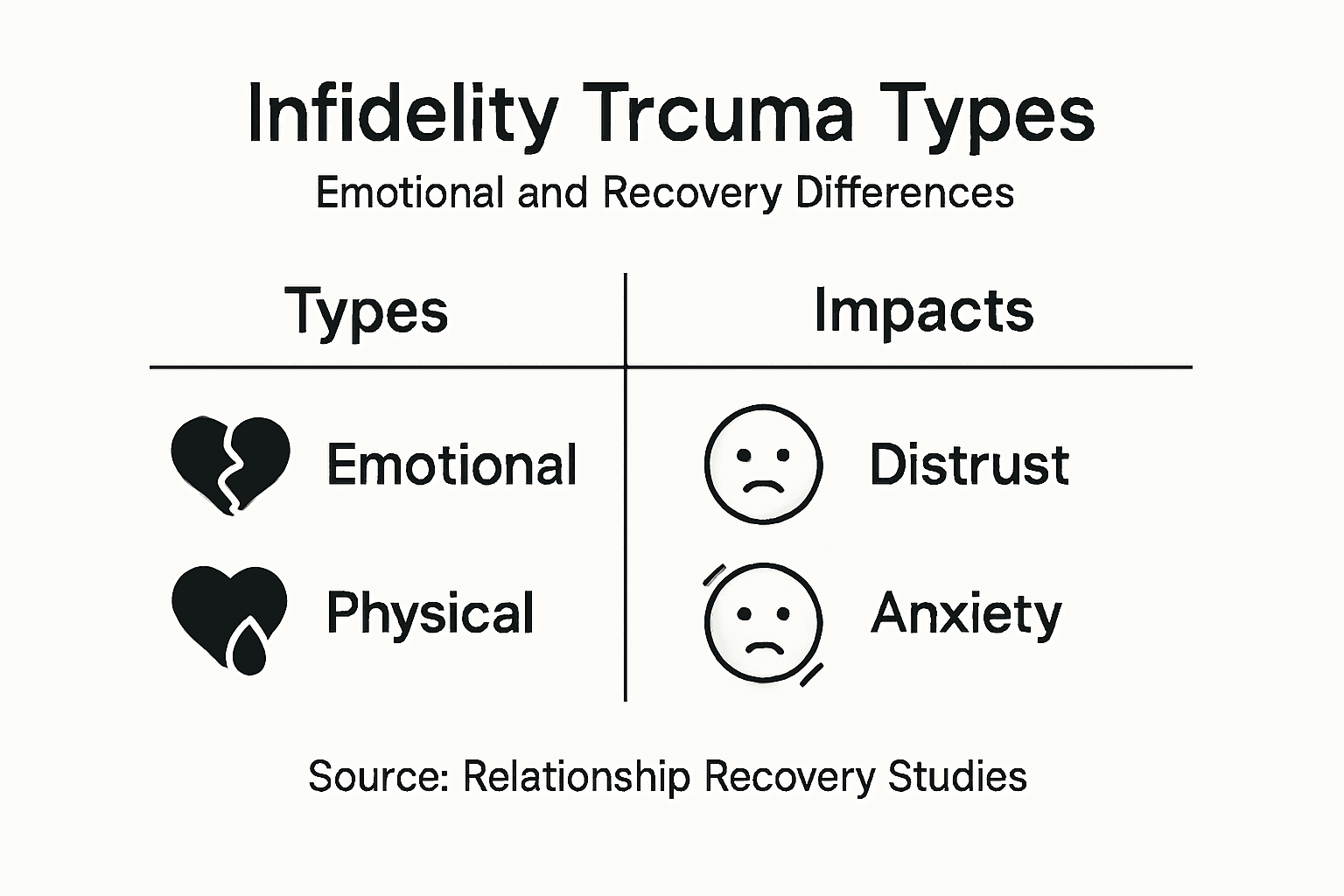
Here is a side-by-side comparison of the main types of infidelity and their distinct impacts:
| Type of Infidelity | Primary Motivation | Typical Emotional Impact | Common Recovery Focus |
|---|---|---|---|
| Sexual | Physical desire | Intense betrayal | Rebuilding trust |
| Emotional | Emotional support | Loss of intimacy | Restoring connection |
| Online | Anonymity, novelty | Trust erosion | Setting boundaries |
| Opportunistic | Impulse, circumstance | Shock and confusion | Clarifying values |
| Romantic | Pursuit of a bond | Deep sadness | Personal healing |
Pro tip: Recognize that infidelity is multifaceted, and your healing journey should be tailored to the specific type of betrayal you’ve experienced.
How Infidelity Trauma Manifests Emotionally
Emotional trauma from infidelity represents a profound psychological experience that triggers intense and complex psychological responses. Posttraumatic stress symptoms dramatically impact betrayed partners, creating a multilayered emotional landscape of pain and distress.
The primary emotional manifestations include:
- Intense Anger: Uncontrolled rage and resentment toward the betraying partner
- Deep Betrayal: Overwhelming feelings of loss and violation of trust
- Anxiety: Persistent worry about relationship stability and personal worth
- Self-Blame: Internalized guilt and questioning of personal adequacy
- Depression: Profound sadness and emotional disconnection
- Hypervigilance: Constant emotional alertness and mistrust
Emotional responses mirror attachment trauma symptoms, creating significant psychological disruption. These complex emotional reactions demonstrate how deeply infidelity can wound an individual’s sense of security, self-worth, and relational trust.
Understanding these emotional manifestations is crucial for healing. Recognizing that these responses are normal and valid helps individuals navigate their trauma, seek appropriate support, and ultimately begin the journey of emotional recovery and personal reconstruction.
Pro tip: Acknowledge your emotional responses as legitimate and seek professional support to process these complex feelings effectively.

Common Misconceptions and Distinctions
Infidelity trauma extends far beyond typical relationship challenges, yet many misconceptions persist about its profound psychological impact. Trauma’s clinical recognition remains frequently underestimated, leading to dangerous misunderstandings about its serious emotional consequences.
Key misconceptions about infidelity trauma include:
- Minimization Myth: Believing the betrayal is “just a mistake”
- Blame Fallacy: Suggesting the betrayed partner is responsible
- Recovery Speed Misconception: Assuming quick emotional resolution
- Trauma Dismissal: Treating infidelity as routine relationship conflict
- Healing Uniformity: Believing all individuals process betrayal identically
- Emotional Resilience Myth: Expecting immediate emotional strength
Interpersonal trauma differs dramatically from typical relationship issues, representing a fundamental violation of trust that disrupts an individual’s core psychological safety. This distinction is critical for understanding the depth of emotional injury experienced by betrayed partners.
Recognizing these misconceptions allows for more compassionate, nuanced approaches to healing. Professional support becomes essential in navigating the complex emotional landscape created by infidelity, acknowledging its traumatic nature while providing structured pathways to recovery.
Below is a summary of common misconceptions about infidelity trauma and the reality behind each belief:
| Misconception | Why It Persists | Core Reality |
|---|---|---|
| “Just a mistake” | Minimizes distress | Is a serious emotional trauma |
| “Quick recovery expected” | Underestimates impact | Healing takes significant time |
| “Partner’s fault” | Misdirected blame | Responsibility is with betrayer |
| “Routine relationship issue” | Lack of awareness | Involves deep psychological pain |
Pro tip: Validate your emotional experience and seek trauma-informed support that recognizes the complexity of your healing journey.
Navigating Recovery and Practical Healing Steps
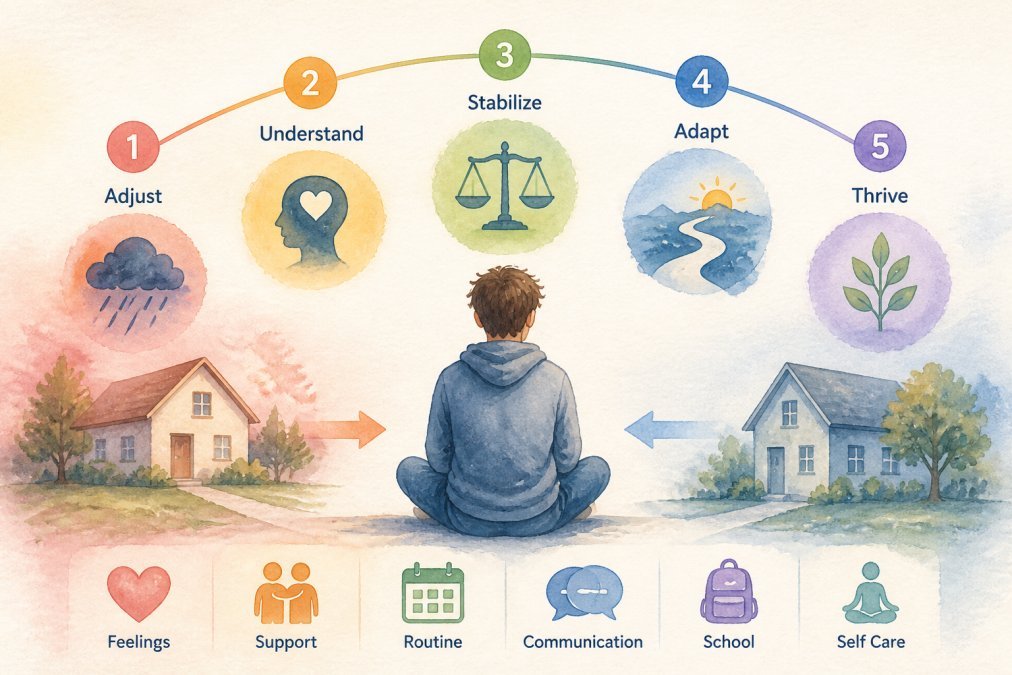
Recovery from infidelity trauma requires a comprehensive and compassionate approach that addresses both individual and relational healing. Emotionally focused therapy provides evidence-based strategies for navigating the complex emotional landscape created by betrayal.
Practical healing steps include:
- Individual Trauma Processing: Acknowledge and validate personal emotional experiences
- Communication Restoration: Develop honest, transparent dialogue
- Boundary Establishment: Create clear relationship expectations
- Emotional Safety Building: Rebuild trust through consistent actions
- Professional Support Seeking: Engage trauma-informed therapeutic resources
- Personal Growth Focus: Invest in self-healing and individual development
Therapeutic approaches emphasize gradual trust restoration and addressing underlying relationship dynamics. This process involves both partners actively participating in healing, understanding root causes, and developing strategies to prevent future betrayals.
Successful recovery is not linear but requires patience, commitment, and professional guidance. Each individual’s healing journey will look different, demanding personalized approaches that respect the unique emotional complexity of infidelity trauma.
Pro tip: Create a structured recovery plan with professional support, focusing on healing yourself first before making major relationship decisions.
Take Control of Your Healing Journey From Infidelity Trauma
Infidelity trauma leaves deep emotional wounds that disrupt trust and sense of security. If you are struggling with intense feelings like betrayal, anger, or anxiety after experiencing complex types of infidelity, you are not alone. Understanding the unique nature of your pain and learning effective recovery strategies is essential for rebuilding your emotional wellbeing and relationships. Our Recovery Strategies – After the Affair Series offers compassionate, evidence-based guidance tailored to support every phase of healing.
Explore how different forms of betrayal impact you by visiting our Affair Types & Signs – After the Affair Series and empower yourself with practical crisis resources from our Essential Crisis Guides – After the Affair Series. Start your personalized journey of recovery today with trusted insights and expert advice at the After The Affair Resource Library. Take the next step now because healing begins when you decide to act.
Frequently Asked Questions
What is infidelity trauma?
Infidelity trauma is a profound psychological experience that disrupts an individual’s sense of safety, trust, and emotional stability in a romantic relationship, stemming from attachment disruptions and the betrayal of trust.
How does infidelity trauma manifest emotionally?
Infidelity trauma can lead to intense emotional responses including anger, anxiety, depression, self-blame, and hypervigilance, making it a complex emotional landscape that profoundly affects an individual’s mental health.
What are the different types of infidelity, and how do they impact recovery?
Infidelity comes in various forms, such as sexual, emotional, and online infidelity. Each type carries unique emotional consequences and trauma responses, making personalized recovery approaches essential.
What steps can one take to recover from infidelity trauma?
Recovery from infidelity trauma involves acknowledging personal emotional experiences, developing transparent communication, establishing boundaries, rebuilding trust, seeking professional support, and focusing on personal growth.
Recommended
- Why Infidelity Hurts – The Deep Emotional Impact
- How does infidelity affect the brain?
- Role of Grief in Infidelity Healing – After the Affair Series
- Role of Therapists – Rebuilding Trust – After the Affair Series