TL;DR:
- Betrayal trauma is a complex psychological injury that persists beyond time, heavily influenced by subjective experiences. Recovery involves addressing emotional chaos, cultural pressures, and individual coping styles through therapy, mindfulness, and supportive connections. Genuine growth is possible by rebuilding self-trust, clarifying values, and allowing authentic emotional processing over superficial remedies.
Betrayal trauma doesn’t fade on its own schedule, no matter how much you wish it would. Many people assume that time alone heals the wound of infidelity, but the emotional reality is far more complicated. Research confirms that subjective perceived betrayal predicts levels of depression and PTSD beyond what the objective facts of an affair would suggest, meaning your inner experience of the betrayal carries enormous weight. This guide walks you through the psychological impact of betrayal trauma, the coping strategies that actually work, and the intentional steps that move you from surviving to genuinely healing.
Key Takeaways
| Point | Details |
|---|---|
| Subjective trauma matters most | How you experience betrayal affects emotional recovery more than the event itself. |
| Avoidance slows healing | Suppressing your feelings worsens trauma; active engagement with emotions promotes growth. |
| Gender and culture shape coping | Men and women face unique challenges based on infidelity type and societal expectations. |
| Recovery requires stepwise strategies | Research-backed methods like therapy, mindfulness, and support groups support lasting healing. |
| Growth is possible | Many people rebuild self-worth and relationships after betrayal with intentional action. |
Understanding betrayal trauma: Why recovery is complex
Betrayal trauma is not simply heartbreak with a different label. It is a specific psychological injury that occurs when someone you deeply trusted violates that trust in a fundamental way. Infidelity qualifies on every level: it shatters your sense of safety, your understanding of your relationship, and often your identity as a partner.
What makes betrayal trauma so persistent is the dual nature of the wound. You are grieving the loss of the relationship you thought you had, while simultaneously trying to function alongside the very person who caused the harm. That paradox creates emotional and cognitive chaos that simple willpower cannot resolve.
“Recovery from betrayal trauma is rarely linear. The distress you feel isn’t weakness. It is a predictable neurological and psychological response to a profound violation of attachment.”
People often assume that emotional infidelity is less damaging than physical infidelity. That assumption is wrong. Emotional affairs can feel like an even deeper betrayal because they involve the redirection of intimacy, attention, and emotional investment toward another person. For many betrayed partners, the question “Did you love them?” feels more threatening than any physical act.
Common signs of betrayal trauma include:
- Intrusive thoughts and flashbacks about the affair
- Hypervigilance around your partner’s phone, location, or time
- Emotional numbness alternating with intense emotional outbursts
- A persistent inability to concentrate or function normally at work
- Physical symptoms including insomnia, appetite changes, and fatigue
- Shame, self-blame, and eroded self-worth
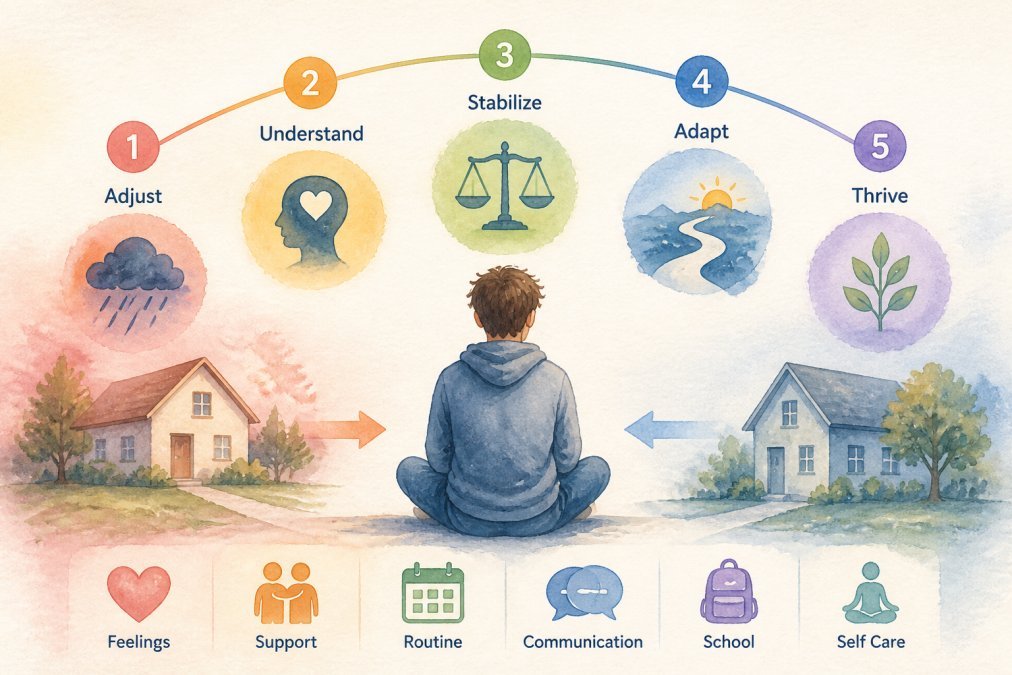
One of the most damaging misconceptions about recovery is that you should be “over it” within weeks or a few months. In reality, the steps for betrayal trauma healing involve multiple phases, and many people cycle back through earlier stages before genuine progress takes hold. Understanding your common betrayal trauma symptoms is a critical first step toward treating them rather than suppressing them.
Avoidance feels like relief in the short term. You don’t have to face the pain if you stay busy enough, numb enough, or in denial long enough. But avoidance consistently worsens long-term outcomes. The emotional material doesn’t disappear; it accumulates until it erupts in depression, anxiety, or relationship breakdown down the road.
Gender differences and cultural influences in coping
With foundational understanding established, it’s crucial to recognize how gender and cultural factors shape individual recovery experiences. Men and women tend to process betrayal trauma through different emotional lenses, and ignoring those differences can lead to coping strategies that simply don’t fit your actual needs.
Research on gender differences in infidelity responses shows a consistent pattern: men lean toward avoidance and suppression as primary coping mechanisms, while women tend toward emotion-focused strategies, social support-seeking, and rumination. Neither approach is superior, but each carries distinct risks and benefits depending on how it is applied.
| Factor | Men’s typical response | Women’s typical response |
|---|---|---|
| Primary coping style | Avoidance, suppression | Emotion-focused, rumination |
| Social support use | Lower, often isolated | Higher, seeks connection |
| Type of infidelity that hurts most | Physical infidelity | Emotional infidelity |
| Long-term risk | Unresolved trauma, depression | Initial high distress, but potential for growth |
| Path to recovery | Structured emotional processing | Managing rumination while sustaining support |
Women tend to be hurt more intensely by emotional infidelity because relational intimacy often forms the core of their investment in a partnership. Men, by contrast, frequently report greater distress around physical betrayal, tied to evolutionary and social conditioning around possession and identity. Neither reaction is irrational. Both are deeply human.
Cultural expectations add another layer of complexity. In many communities, men face strong social pressure to “get over it” quickly, appear strong, and avoid expressing vulnerability. Women may be pressured to forgive for the sake of family stability, producing what researchers call pseudo-forgiveness: a surface-level letting-go that masks unresolved trauma and resentment. Cultural and gender roles influencing these paths can trap people in healing strategies that look functional but delay genuine recovery.
Pro Tip: If you identify as someone who suppresses or avoids emotional pain, start small. Spend just five minutes daily writing down exactly what you feel without judgment. This practice builds emotional vocabulary and creates an outlet that gradually reduces the pressure of suppression.
Here are actionable starting points for each group:
- For those who tend to suppress: Schedule dedicated “processing time” so emotions have a container rather than spilling into daily life. Practice mindfulness for betrayal healing to build emotional tolerance without being overwhelmed.
- For those who tend to ruminate: Set clear time limits on revisiting the affair details. Rumination without resolution creates more distress. Redirect to problem-solving or forward-focused journaling after your set time.
- For those influenced by cultural pressure to forgive quickly: Recognize that authentic forgiveness, if you choose it, takes months or years. Rushing it to satisfy social expectations is not healing; it is performance.
- For everyone: Identify your dominant coping style honestly before choosing your recovery tools. The strategy that helps your friend may actively hinder your progress.
Evidence-based coping strategies for betrayal trauma
Building on gender and cultural factors, let’s focus on actionable coping methods that support long-term healing. The good news is that researchers and clinicians have identified several approaches with strong evidence behind them.
Therapy and professional counseling remain the gold standard. Individual therapy gives you a private space to process trauma without managing your partner’s emotional reaction simultaneously. Couples therapy, when appropriate, can address the relational rupture and rebuild communication. Therapy benefits after infidelity extend beyond symptom relief; skilled therapists help you identify patterns, rebuild self-trust, and make informed decisions about your relationship’s future. The role of counseling in betrayal recovery is to provide structure when your internal world feels entirely chaotic.
Mindfulness and self-compassion practices directly address two of the most common obstacles in betrayal recovery: hypervigilance and self-blame. Mindfulness trains you to observe painful thoughts without being pulled under by them. Self-compassion practice, developed extensively by researcher Kristin Neff, teaches you to treat your own suffering with the same kindness you would offer a close friend. These are not passive “feel better” tools; they are active emotional regulation practices with measurable impacts on depression and anxiety.
Social support, done thoughtfully, is powerful. Not every conversation about your betrayal will be helpful. Choose a small number of people who can listen without escalating your distress or pressuring you toward a particular decision. Support groups, either in person or online, connect you with others who understand betrayal trauma in a way that most friends and family simply cannot.
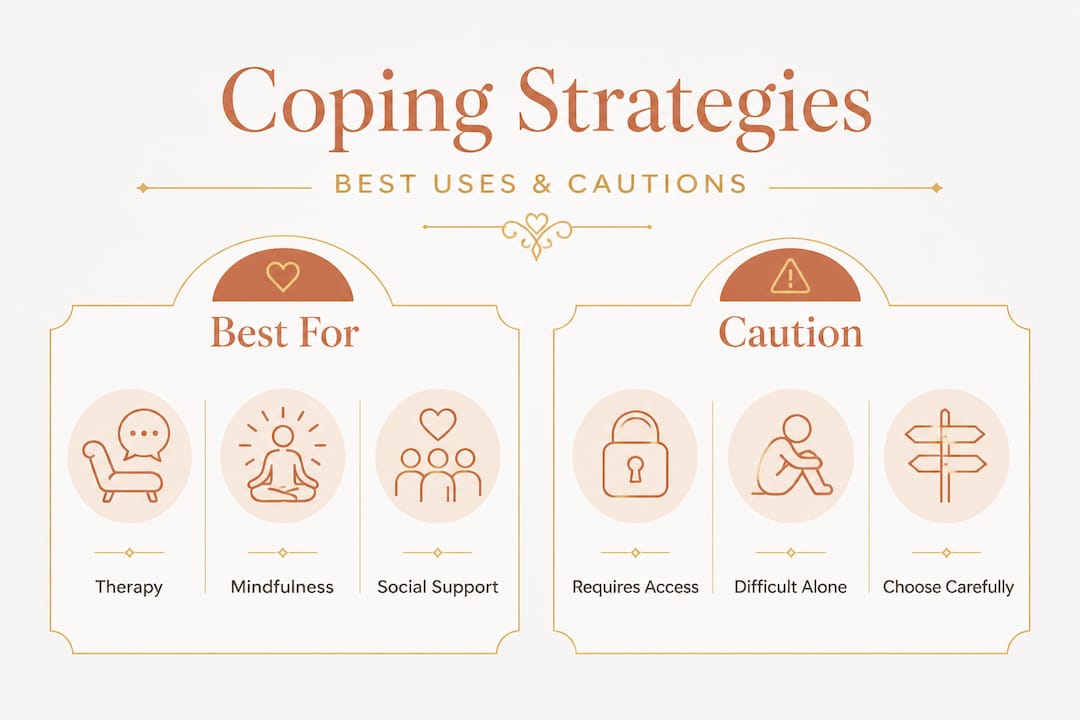
Here are the core evidence-based coping strategies with a summary of their primary uses:
| Strategy | Best for | Caution |
|---|---|---|
| Individual therapy | Processing trauma, rebuilding self-trust | Requires finding the right therapist |
| Couples counseling | Relational repair, communication | Only effective if both partners engage honestly |
| Mindfulness practice | Emotional regulation, reducing hypervigilance | Consistency matters more than duration |
| Social support groups | Reducing isolation, normalizing experience | Avoid groups that fuel resentment only |
| Journaling | Emotional processing, tracking progress | Can deepen rumination if unstructured |
| Self-compassion exercises | Addressing shame and self-blame | May feel uncomfortable for suppression-prone individuals |
Pro Tip: When seeking therapy after betrayal, ask potential therapists directly whether they have experience with infidelity and trauma. Many general practitioners lack specific training in this area. A mismatch in approach can slow your progress considerably.
Research consistently shows that avoidance and suppression worsen long-term psychological outcomes for betrayal trauma survivors. This is why a structured recovery approach matters. The step-by-step betrayal recovery process provides a framework that prevents you from staying stuck in either avoidance or obsessive rumination.
Avoiding common mistakes is as important as choosing the right strategies. Don’t make major life decisions, such as ending or committing to the relationship, during the acute trauma phase. Don’t use alcohol or other substances to dull the pain. Don’t cut off all social connection because you feel ashamed. Each of these patterns worsens outcomes and extends recovery time.

Moving forward: Personal growth after betrayal
Once effective coping strategies are in place, individuals can begin planning for personal growth after betrayal. This is the stage where survival becomes something more intentional, where the question shifts from “How do I get through today?” to “Who do I want to become through this?”
Post-traumatic growth after infidelity is real. Studies on trauma generally show that a significant proportion of survivors eventually report positive changes in areas like personal strength, relationships, and life perspective. This doesn’t minimize the pain. It means the pain can become material for genuine transformation rather than just destruction.
The following steps support the transition from coping to growth:
- Rebuild your self-narrative. Betrayal often attacks your core sense of identity. Work actively to separate your worth as a person from what happened to your relationship. You were not betrayed because you were inadequate.
- Reconnect with your values. Identify what genuinely matters to you going forward, independent of your partner’s choices. This creates an internal compass that guides decisions rather than leaving you reactive.
- Set boundaries clearly. Healthy boundaries are not punishment; they are information about what you need to feel safe. Articulate them clearly, both to yourself and to those in your life.
- Address the relationship healing process intentionally. Whether you stay or leave, trust needs to be rebuilt, starting with trust in your own judgment and perceptions.
- Use a structured framework. A trauma recovery checklist helps you track progress and identify areas that need more attention.
Additional practices that sustain long-term growth include:
- Celebrate small wins. Sleeping through the night, having one hour without intrusive thoughts, completing a work project despite pain: these matter.
- Protect your physical health. Exercise, sleep, and nutrition directly affect emotional resilience. They are not extras in recovery; they are foundations.
- Revisit your progress. Many people underestimate how far they have come. Regular reflection builds momentum.
- Know when to seek more support. Plateaus in healing are normal. Returning to therapy or increasing support during hard periods is a sign of self-awareness, not failure.
Research on women’s emotion-focused coping shows it can facilitate personal growth over time, even when the initial distress is high. The key variable is whether the emotion-focused work eventually moves toward resolution rather than cycling in endless repetition. Learning how to cope after infidelity naturally includes recognizing when your coping has become self-sustaining versus when it needs recalibration.
What most guides miss about betrayal recovery
Most resources on betrayal trauma focus heavily on what to do and very little on what to stop doing. The most persistent barrier to healing isn’t a missing strategy. It is pseudo-forgiveness: the cultural and relational pressure to declare yourself “over it” before the real work has been done.
Pseudo-forgiveness is seductive because it offers temporary relief from conflict, social pressure, and internal pain. You say the words. Your partner looks relieved. Things return to a surface-level normal. But the unprocessed trauma lives on beneath that surface, eroding trust, intimacy, and self-respect in ways that eventually become undeniable.
The uncomfortable truth is that authentic healing is almost always slower than you want it to be, slower than your partner wants it to be, and slower than your social environment expects. Accepting that timeline is not weakness. It is one of the most honest and courageous things you can do.
We also see, consistently, that strength in betrayal recovery does not come from appearing unaffected. It comes from allowing yourself to be fully affected and choosing to process that experience rather than bury it. Vulnerability is not the enemy of recovery. It is the engine of it.
The expert steps for trauma healing that we advocate emphasize pacing, self-compassion, and authentic emotional processing over performance. The goal is not to look healed. The goal is to be healed, even if that takes considerably longer than anyone around you is comfortable with.
Resources for your healing journey
You don’t have to navigate this alone, and you shouldn’t have to piece together your recovery from scattered advice.
The After the Affair series offers structured, compassionate resources designed specifically for betrayal trauma survivors at every stage of recovery. Whether you are in the raw early weeks or months into the process and wondering why progress feels slow, there are tools built for exactly where you are. Start with the infidelity recovery checklist for a clear, step-by-step framework. Explore relationship growth resources to understand what rebuilding trust genuinely requires. And if you are working with a therapist or considering it, the guide to therapy types for betrayal trauma helps you identify the right approach for your specific symptoms and situation.
Frequently asked questions
What are the most effective coping strategies after betrayal trauma?
Therapy, mindfulness, and structured social support are the most evidence-backed approaches, with research showing that perceived betrayal intensity and avoidance-based coping both predict long-term outcomes, making intentional strategy selection essential.
Why does betrayal trauma sometimes lead to depression or PTSD?
Because the subjective experience of betrayal can be more psychologically damaging than the objective facts of the affair, triggering the same neurological threat responses as other forms of serious trauma.
How do cultural and gender roles affect coping after infidelity?
They significantly shape whether someone suppresses, seeks support, or ruminates, with gender-linked coping patterns directly influencing recovery speed, emotional outcomes, and the likelihood of pseudo-forgiveness.
Can personal growth really occur after betrayal trauma?
Yes. Intentional healing work, combined with the right support, allows many survivors to rebuild self-worth, clarify their values, and form healthier relationships, with emotion-focused coping shown to facilitate long-term growth when it moves toward resolution rather than ongoing rumination.
Recommended
- How to Cope After Infidelity – After the Affair Series
- How to build emotional resilience after betrayal: a guide
- How to address betrayal trauma: steps for healing
- Relationship Healing Process – After the Affair Series