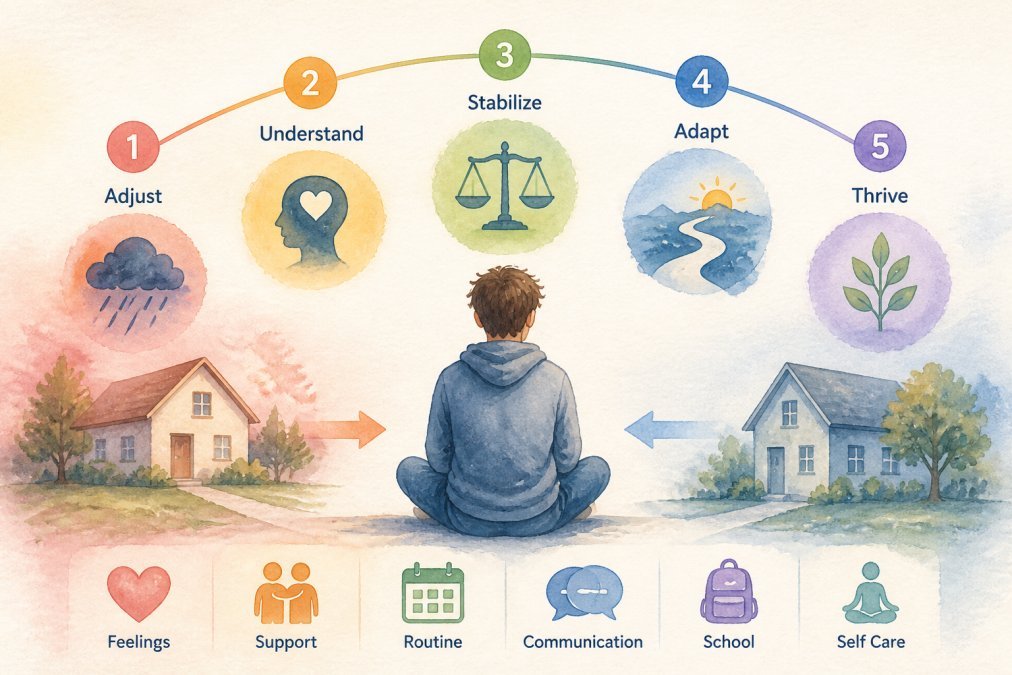
Feeling lost after discovering infidelity is an experience that leaves many people searching for hope and direction. The pain of betrayal brings intense emotions, making it difficult to know where to begin the healing process. Understanding affair recovery is vital, as it offers a structured path for emotional healing and personal clarity. This guide provides practical support that helps you navigate grief, rebuild trust, and find the confidence to move forward after trauma. To truly Heal After Betrayal, one must embrace the journey ahead.
- What Is Affair Recovery and Its Core Purpose
- Types of Infidelity and Key Differences
- Essential Stages in the Recovery Process
- Emotional Impact and Common Triggers
- Mistakes to Avoid During Recovery
- Therapeutic Approaches and Self-Help Strategies
- Take Control of Your Healing Journey After Betrayal
- Frequently Asked Questions
- Recommended
Key Takeaways
| Point | Details |
|---|---|
| Affair Recovery Focus | Affair recovery emphasizes understanding betrayal and navigating emotions, prioritizing individual growth over simply saving the relationship. |
| Types of Infidelity | Recognizing the various forms of infidelity helps tailor recovery approaches to the unique emotional challenges each type presents. |
| Stages of Healing | Understanding the non-linear stages of recovery can provide clarity and guidance for individuals and couples as they navigate their emotional journey. |
| Common Mistakes | Avoiding rushing the healing process and ensuring clear communication are crucial in preventing further emotional harm during recovery. |
What Is Affair Recovery and Its Core Purpose
Affair recovery is a complex emotional journey that helps individuals and couples heal after experiencing the profound trauma of betrayal. Unlike simple relationship counseling, affair recovery focuses specifically on understanding, processing, and potentially reconstructing trust after infidelity has occurred. Emotional healing processes require significant commitment from both partners to navigate the intricate landscape of pain, anger, and potential reconciliation.
At its core, affair recovery serves multiple critical purposes:
- Providing a structured approach to understanding the betrayal
- Creating safe spaces for emotional expression and vulnerability
- Helping both partners examine underlying relationship dynamics
- Supporting individual and collective healing processes
- Offering pathways for either relationship restoration or healthy separation
The fundamental goal of affair recovery is not necessarily saving the relationship, but helping both individuals emerge stronger and more self-aware. According to clinical research, relationship trauma healing involves addressing the emotional wound caused by betrayal, recognizing individual needs, and moving towards clarity and personal growth.
Ultimately, affair recovery is a deeply personal process that looks different for every individual and couple. Some will choose to rebuild their relationship, while others will decide separation is the healthiest path forward. What remains consistent is the need for compassionate support, honest communication, and a commitment to understanding the complex emotions involved.
Pro tip: Approach affair recovery with patience and self-compassion, understanding that healing is not linear and takes time.
Types of Infidelity and Key Differences
Infidelity is a complex phenomenon that extends far beyond simple physical betrayal, encompassing multiple emotional and psychological dimensions. Relationship experts recognize that infidelity can manifest in various forms, each carrying unique emotional consequences and potential healing pathways. Types of emotional affairs reveal the intricate ways trust can be compromised beyond traditional understanding.
Primary types of infidelity include:
- Physical Affairs: Involving direct sexual contact outside the primary relationship
- Emotional Affairs: Characterized by intimate emotional connections without physical intimacy
- Online/Digital Affairs: Conducted through digital platforms, involving virtual emotional or sexual interactions
- Opportunistic Affairs: Triggered by immediate circumstances or temporary vulnerability
- Romantic Affairs: Driven by deep emotional connection and perceived love
The critical distinction between these types lies not just in physical contact, but in the underlying emotional dynamics. Complex emotional connections can create profound psychological attachments that sometimes prove more challenging to resolve than purely physical encounters. Emotional affairs, in particular, often involve deep psychological investments that can feel like genuine romantic connections.
Understanding these nuanced differences is crucial for effective healing. Each type of infidelity presents unique challenges and requires specific approaches to recovery. While physical affairs might seem more straightforward, emotional affairs can create more intricate psychological wounds that demand careful, compassionate navigation and professional support.
Here’s a comparison of the primary types of infidelity and the main emotional challenges they present:
| Type of Infidelity | Typical Emotional Impact | Main Challenge in Recovery |
|---|---|---|
| Physical Affair | Shock, anger, insecurity | Restoring physical trust |
| Emotional Affair | Deep hurt, betrayal, confusion | Healing emotional attachment |
| Online/Digital Affair | Anxiety, jealousy, uncertainty | Managing virtual boundaries |
| Opportunistic Affair | Resentment, humiliation | Addressing impulsive actions |
| Romantic Affair | Loss, grief, despair | Untangling deep connections |
Pro tip: Recognize that healing from infidelity is a personal journey, and comparing your experience to others can hinder your individual recovery process.
Essential Stages in the Recovery Process
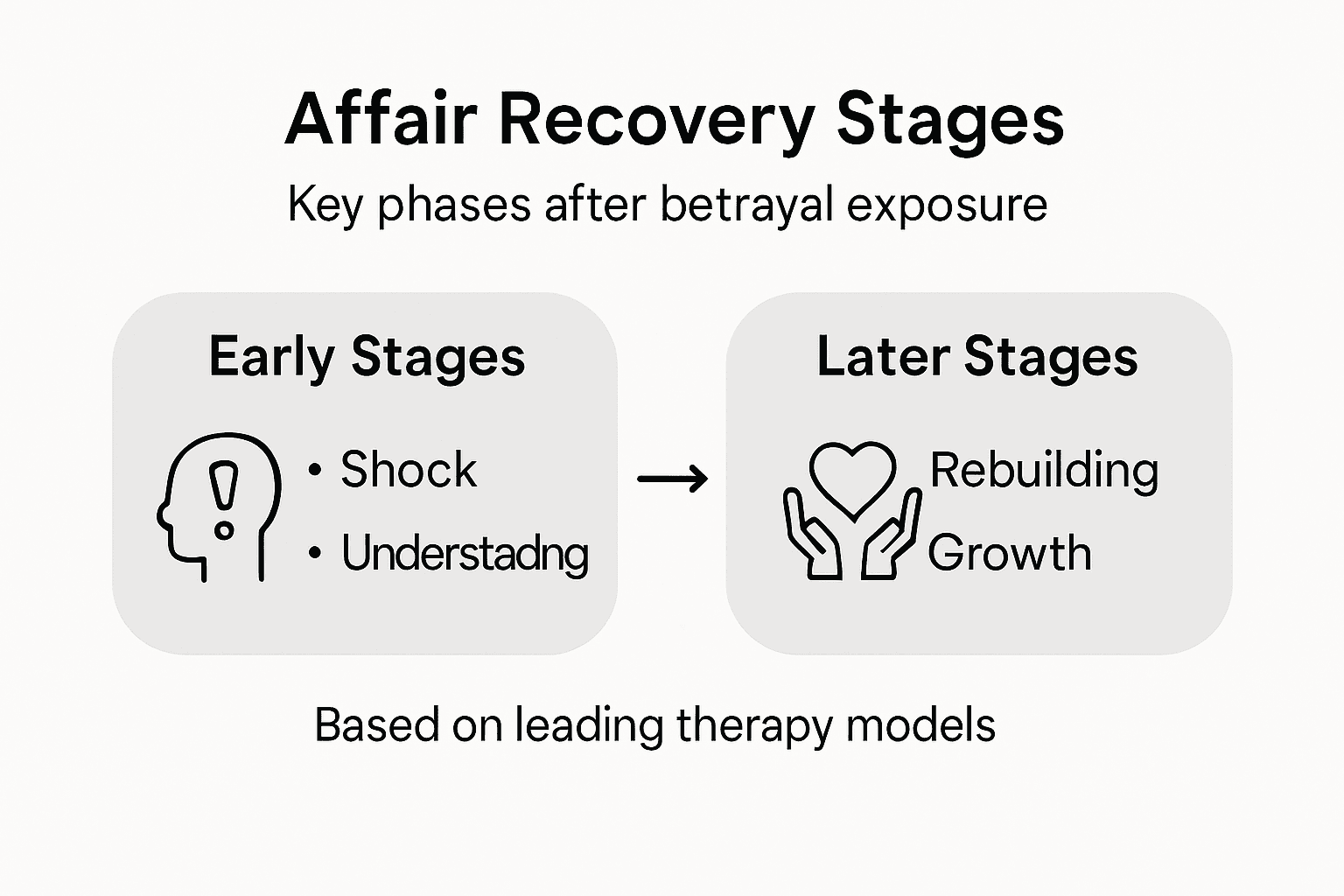
Healing from infidelity is rarely a linear journey, but understanding the essential stages can provide crucial guidance for individuals navigating this complex emotional terrain. Affair recovery requires a structured yet compassionate approach that acknowledges the profound emotional complexity of betrayal. Rebuilding trust stages offer a roadmap for those struggling to understand their path forward.
The primary stages of affair recovery typically include:
Initial Shock and Emotional Turbulence
- Experiencing intense emotional pain
- Processing the immediate impact of betrayal
- Managing overwhelming feelings of anger, grief, and confusion
Exploration and Understanding
- Investigating the root causes of the affair
- Examining relationship dynamics
- Developing deeper self-awareness
Decision-Making Stage
- Evaluating relationship viability
- Determining whether to reconcile or separate
- Establishing clear boundaries and expectations
Healing and Rebuilding
- Developing new communication strategies
- Reconstructing trust incrementally
- Working through individual and collective emotional wounds
Transformation and Growth
- Creating a new relationship paradigm
- Personal development and self-discovery
- Establishing healthier relationship patterns
Each stage presents unique challenges and requires different emotional resources. Some couples move through these stages quickly, while others may spend significant time processing their experiences. Healing timelines vary widely, emphasizing that recovery is fundamentally a personal journey with no universal timeline.
Professional guidance can be instrumental during these stages, helping individuals and couples navigate the complex emotional landscape of affair recovery. The goal is not just to survive the betrayal but to emerge with greater emotional intelligence, self-understanding, and relationship resilience.
Pro tip: Approach each recovery stage with patience and self-compassion, understanding that healing is not a competition but a deeply personal transformation.
Emotional Impact and Common Triggers
Infidelity creates a profound psychological wound that extends far beyond the immediate betrayal, triggering complex emotional responses that can fundamentally reshape an individual’s understanding of trust and relationships. Psychological trauma from betrayal impacts multiple dimensions of emotional well-being, generating intense and often unpredictable reactions. Trauma of betrayal reveals the deep neurological and emotional disruption caused by intimate partner deception.
Common emotional triggers and impacts include:
Immediate Emotional Responses
- Shock and disbelief
- Intense anger and rage
- Overwhelming feelings of grief
- Sudden loss of self-confidence
Psychological Vulnerability Triggers
- Unexpected reminders of the affair
- Specific locations or social situations
- Communication patterns that feel dishonest
- Anniversary dates or meaningful shared memories
Long-Term Emotional Consequences
- Persistent trust issues
- Heightened anxiety and hypervigilance
- Potential development of complex post-traumatic stress
- Challenges with emotional intimacy
Individuals experiencing betrayal often encounter a profound sense of emotional disorientation, where their fundamental understanding of their relationship and personal identity becomes destabilized. Coping strategies can help mitigate these intense emotional responses, providing structured approaches to processing complex feelings.
Recovery requires acknowledging that emotional healing is not linear. Each person’s journey through betrayal trauma is unique, involving intricate psychological processes that demand patience, self-compassion, and often professional support. Understanding these emotional dynamics can help individuals navigate their healing path more effectively.
Pro tip: Create a personal emotional safety plan that identifies your specific triggers and develops compassionate, self-supportive strategies for managing difficult moments.
Mistakes to Avoid During Recovery
Recovery from infidelity requires careful navigation through complex emotional terrain, where well-intentioned actions can inadvertently cause additional harm. Healing strategies demand precision and thoughtful consideration, recognizing that some common approaches can potentially derail the recovery process. Critical recovery mistakes often emerge from misguided attempts to repair the relationship quickly or suppress genuine emotions.
Most significant mistakes during affair recovery include:
Rushing the Healing Process
- Demanding immediate forgiveness
- Minimizing the emotional impact
- Setting unrealistic reconciliation timelines
- Pressuring the betrayed partner to move forward
Poor Communication Patterns
- Withholding important information
- Sharing excessive traumatic details too soon
- Avoiding difficult conversations
- Defensive or dismissive responses
Destructive Emotional Responses
- Engaging in continuous blame and shaming
- Using the affair as a weapon in arguments
- Maintaining unresolved resentment
- Refusing professional therapeutic support
Individual Recovery Mistakes
- Losing personal identity in the recovery process
- Neglecting self-care and individual healing
- Becoming overly dependent on partner’s validation
- Sacrificing personal boundaries
Successful recovery requires understanding that healing is not about perfection but about genuine commitment, compassionate communication, and mutual respect. Each mistake presents an opportunity for growth, learning, and deeper understanding of oneself and the relationship dynamics.
Professional guidance can help couples navigate these complex emotional landscapes, providing structured approaches to rebuilding trust and creating healthier relationship patterns. The journey is unique for every couple, demanding patience, self-awareness, and a willingness to transform pain into meaningful personal development.
Pro tip: Create a structured communication plan with clear boundaries, focusing on healing rather than assigning permanent blame.

Therapeutic Approaches and Self-Help Strategies
Healing from infidelity requires a multifaceted approach that combines professional therapeutic interventions with intentional self-care strategies. Trauma recovery involves creating comprehensive support systems that address both individual and relational healing needs. Therapeutic support methods provide structured pathways for navigating the complex emotional landscape of betrayal.
Key therapeutic approaches include:
Individual Counseling
- Processing personal emotional trauma
- Rebuilding self-esteem and identity
- Developing healthy coping mechanisms
- Addressing individual psychological wounds
Couples Therapy
- Rebuilding trust and communication
- Exploring relationship dynamics
- Understanding root causes of infidelity
- Creating mutual healing strategies
Specialized Therapeutic Interventions
- Discernment counseling
- Trauma-informed therapy
- Emotionally focused therapy
- Narrative therapy techniques
Self-Help Strategies
- Practicing mindfulness and meditation
- Journaling emotional experiences
- Establishing personal boundaries
- Engaging in self-compassion practices
Successful recovery acknowledges that healing is not a linear process but a complex journey of personal transformation. Professional therapeutic support can provide critical guidance, helping individuals and couples navigate the intricate emotional terrain of betrayal and potential reconciliation.
Understanding that each recovery journey is unique, therapy offers personalized approaches that respect individual experiences while providing structured frameworks for emotional healing and potential relationship reconstruction.
The following summary highlights how key therapeutic approaches differ in focus and benefits:
| Approach | Main Focus | Primary Benefit |
|---|---|---|
| Individual Counseling | Self-discovery, healing | Restores personal stability |
| Couples Therapy | Communication, trust repair | Rebuilds relationship dynamics |
| Specialized Therapy | Trauma or patterns | Addresses unique emotional needs |
| Self-Help Strategies | Daily emotional care | Enhances self-compassion |
Pro tip: Select a therapist specializing in infidelity recovery who can provide trauma-informed, compassionate support tailored to your specific emotional needs.
Take Control of Your Healing Journey After Betrayal
Recovering from infidelity is one of the most challenging emotional experiences you can face. This article has explored key steps in affair recovery such as managing emotional turbulence, understanding different types of affairs, and avoiding common mistakes that stall healing. If you are looking to move beyond confusion, pain, and mistrust toward clarity and growth, the journey begins with the right support and guidance.
Discover expert insights and practical tools tailored specifically for infidelity recovery in our comprehensive Recovery Strategies – After the Affair Series. From understanding the nuances of Affair Types & Signs – After the Affair Series to accessing effective Guides & Tools – After the Affair Series, you will find step-by-step resources designed to empower your path to healing.
Don’t wait to make your emotional wellbeing a priority. Visit https://aftertheaffair.uk/resource-library now and take your first confident step toward compassionate recovery and renewed hope.
Frequently Asked Questions
What is affair recovery?
Affair recovery is a structured emotional process that helps individuals and couples heal after infidelity. It focuses on understanding the betrayal, processing emotions, and potentially rebuilding trust or finding healthy separation.
What are the main types of infidelity?
The main types of infidelity include physical affairs, emotional affairs, online or digital affairs, opportunistic affairs, and romantic affairs. Each type presents unique emotional challenges and requires tailored approaches for effective recovery.
What are the essential stages in the recovery process?
The essential stages in the recovery process typically include initial shock and emotional turbulence, exploration and understanding, decision-making, healing and rebuilding, and transformation and growth. Each stage requires different emotional resources and timelines for recovery.
What mistakes should be avoided during affair recovery?
Common mistakes to avoid include rushing the healing process, poor communication patterns, destructive emotional responses, and individual recovery mistakes. Successful recovery hinges on commitment, compassionate communication, and mutual respect.
Recommended
- Relationship Healing Process – After the Affair Series
- How to Cope After Infidelity – After the Affair Series
- Why Couples Relapse After Affairs – After the Affair Series
- Emotional Affair Recovery – After the Affair Series