Table of Contents
- What Makes a Co-Parenting App Right for High-Conflict Situations
- Court-Ordered Co-Parenting Apps: Documentation That Holds Up
- Co-Parenting Communication Scripts Built Into Your Workflow
- Documenting High-Conflict Co-Parenting: What Courts Actually Need
- Top Co-Parenting Apps for High-Conflict Parents
- TalkingParents: Court-Certified Records and Tone Monitoring
- AppClose: Affordable Features with Fee Waivers for Financial Hardship
- Custody X Change: Parenting Plans and Parenting Time Tracking
- 2Houses: Family-Wide Expense Tracking and Scheduling
- CoParenter: Mediation Support and Professional Involvement
- BestInterest: Free Plan with AI-Powered Tone Protection
- Choosing the Right App for Your Custody Arrangement
- Conclusion
Last Updated: August 26, 2026
What Makes a Co-Parenting App Right for High-Conflict Situations
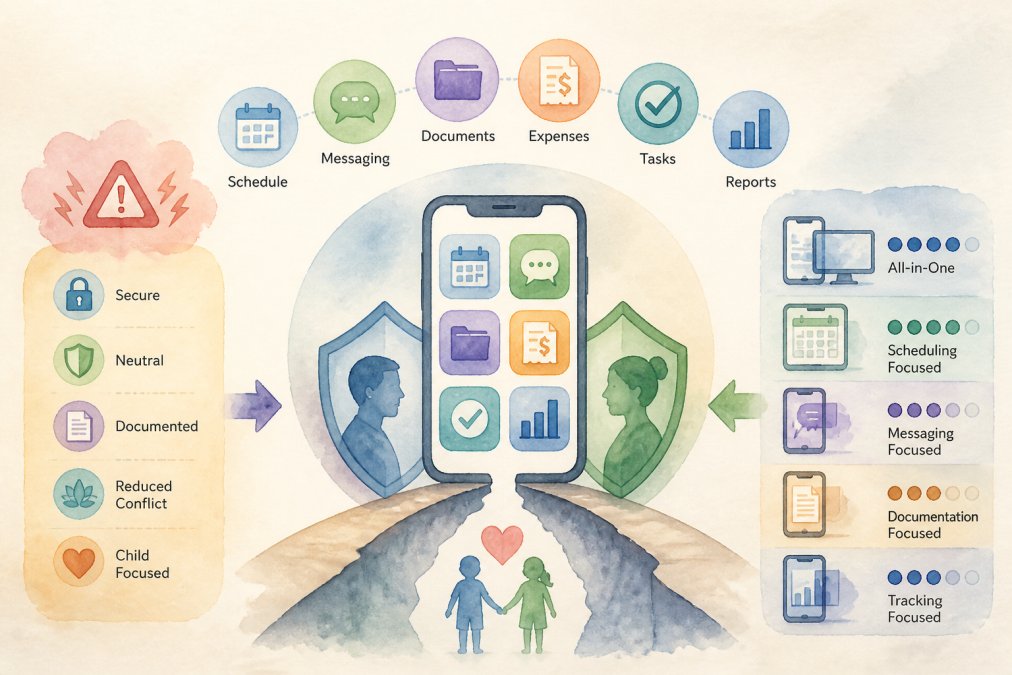
High-conflict co-parenting demands more than basic scheduling tools. When communication breaks down, every exchange feels weaponized, and you’re worried about how words might be used later, you need infrastructure that protects both you and your children.
The best co-parenting apps for high conflict create accountability, reduce opportunities for manipulation, and provide documentation that holds up in court. They’re not just about convenience, they’re about survival. What separates an adequate app from the right one depends on your custody arrangement and conflict level. Some parents need tone filtering that flags hostile language before sending. Others need ironclad documentation proving they followed court orders. Many need both.
At After the Affair Series, we understand that high-conflict co-parenting often emerges from betrayal, broken trust, and unresolved anger. The structured communication tools and frameworks we provide complement what these apps do technically. Apps handle logistics and documentation. After the Affair Series handles the communication strategy and emotional clarity you need to use those tools effectively.
Court-Ordered Co-Parenting Apps: Documentation That Holds Up
If your custody arrangement came with court orders, your documentation must meet a specific legal standard. Courts care about authenticity, tamper-proof records, and compliance evidence.
A court-admissible co-parenting app must provide time-stamped, uneditable messages; a clear audit trail showing who said what and when; exportable records in legally recognized formats; and design that discourages violations of court orders.
TalkingParents leads in this category because its records are certified for legal use. Every message, call recording, and document timestamp is preserved exactly as it occurred. You can export complete communication history with a single request, and courts recognize these exports as legitimate evidence. The Sentiment Scanner flags hostile language patterns if one parent consistently violates tone-based court orders.
Custody X Change takes a different approach by tracking whether each parent follows the custody schedule and parenting time allocations. If one parent consistently picks up late or deviates from the schedule, the app generates reports showing the pattern, powerful evidence for demonstrating non-compliance in court.
Co-Parenting Communication Scripts Built Into Your Workflow
One of the most underestimated features in high-conflict co-parenting apps is built-in communication guidance. When you’re angry, triggered, or afraid, drafting a message that won’t be used against you later is genuinely difficult.
BestInterest’s AI Tone Scan flags language that could be read as hostile, accusatory, or emotionally reactive as you type. It suggests rewrites that convey the same information in neutral tone. This protects you from sending something you’d regret while creating a communication pattern demonstrating you’re trying to keep things civil.
CoParenter offers messaging filters designed to reduce conflict language before messages are sent, plus access to professional mediators for navigating specific disagreements without escalating them into documented hostile exchanges.
Every message you send in a high-conflict situation is potential evidence. Communication guidance isn’t about being fake, it’s about protecting yourself and your children by ensuring your documented communication reflects your actual values, not your worst moments.
Documenting High-Conflict Co-Parenting: What Courts Actually Need
Judges look for specific things when reviewing communication logs: whether each parent prioritizes the child’s needs over their own conflict; patterns of compliance or non-compliance with court orders; whether one parent attempts to alienate the child from the other; and whether one parent uses the child as a messenger or emotional support.
Expense tracking becomes legally relevant when you’re covering childcare, medical costs, or educational expenses. Documented proof of costs and reimbursement requests shows you’re managing the child’s needs responsibly. Custody X Change and 2Houses handle this well, creating a clear financial trail.
Incident reporting features matter significantly. When something significant happens, a missed pickup, custody violation, concerning interaction, documenting it in the app creates a timestamped record. If you’re ever in court explaining a pattern of problems, you’ll need the app’s record, not just your memory.
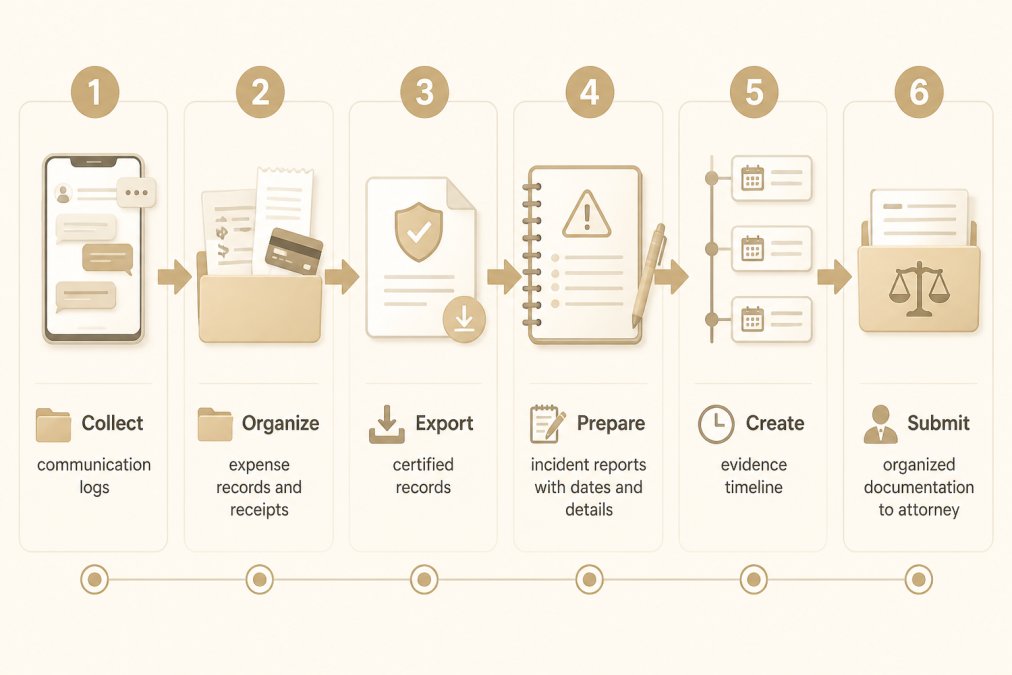
Apps that excel combine messaging, scheduling, expense tracking, and incident reporting into one system. Everything is date-stamped, organized, and exportable in formats courts recognize.
Top Co-Parenting Apps for High-Conflict Parents
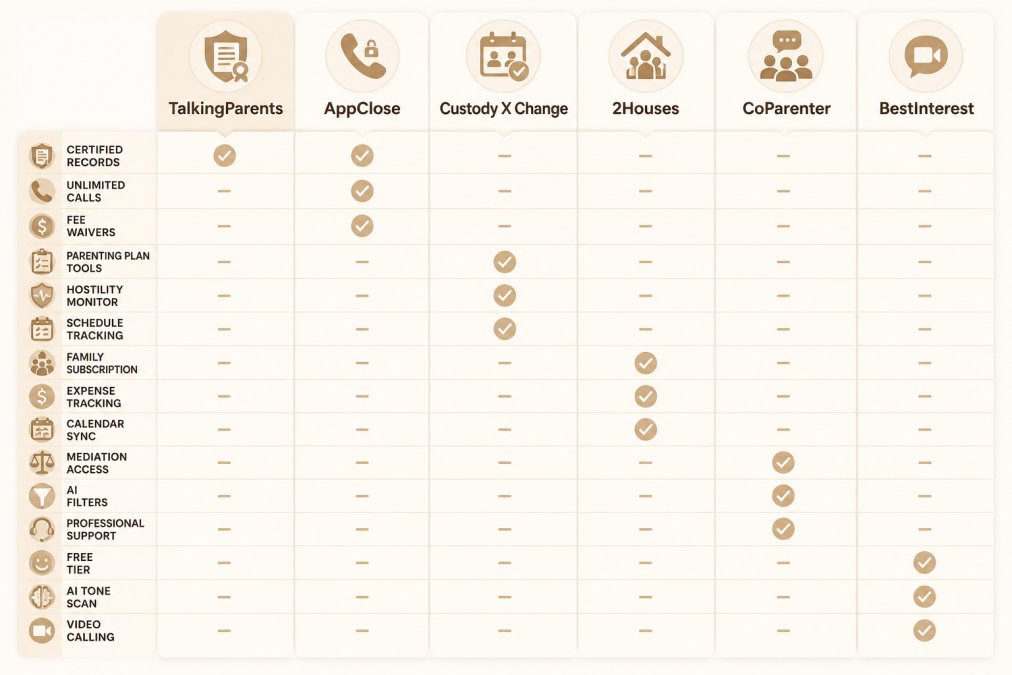
| App | Court-Admissible Records | Tone Filtering | Expense Tracking | Shared Calendar | Call Recording | Starting Price |
|---|---|---|---|---|---|---|
| TalkingParents | Yes, certified | Sentiment Scanner | Yes | Yes | Yes, all plans | $7/month |
| AppClose | Yes, certified | Limited | Yes | Yes | Yes, unlimited | $7.99/month |
| Custody X Change | Yes, court-ready | Hostility monitor | Yes | Yes | No | Free tier available |
| 2Houses | Yes | No | strong | Yes | No | $169.99/year |
| CoParenter | Yes | AI filters | Yes | Yes | No | $12.99/month per parent |
| BestInterest | Yes, Pro tier | AI Tone Scan | Yes, Pro tier | Yes | Yes | Free (Pro ~$70/year) |
TalkingParents: Court-Certified Records and Tone Monitoring
TalkingParents is built specifically for parents needing documentation that survives legal scrutiny. Every message, call recording, and document is time-stamped and certified. Courts recognize exported communication history as legitimate evidence without additional verification (peer-reviewed research).
The Sentiment Scanner analyzes your message before sending, flagging language that could be interpreted as hostile, accusatory, or emotionally reactive. It helps you communicate anger in ways that don’t hand ammunition to the other parent.
Accountable Calling records and transcribes phone and video calls. If the other parent claims you said something you didn’t, or said something threatening, you have proof. This prevents "he said, she said" situations from escalating.
TalkingParents eliminated its free tier in March 2026 (talkinparents.com). However, if documentation quality is your priority, TalkingParents delivers exactly what high-conflict situations need.
AppClose: Affordable Features with Fee Waivers for Financial Hardship
AppClose competes on affordability without sacrificing core features. It offers certified electronic business records, unlimited secure messaging, and call recording on all plans. The 60-day free trial with full feature access lets you determine whether the app fits your workflow before committing financially.
The fee waiver program is significant. If you’re experiencing financial hardship or are a domestic violence survivor, AppClose offers fee waivers. This matters because high-conflict situations often involve financial control or abuse.
Expense tracking on AppClose is straightforward. You upload receipts, request reimbursement, and the app tracks who owes whom. AppClosePay handles actual payment transfers, removing awkward cost-splitting negotiations.
AppClose doesn’t offer the same level of tone filtering or mediation support as some competitors. It’s strong on logistics and documentation, lighter on communication coaching. For parents already having communication strategies in place, this works well.
Custody X Change: Parenting Plans and Parenting Time Tracking
Custody X Change is strongest if your primary need is demonstrating compliance with a detailed parenting plan or custody schedule. The app visualizes complex custody arrangements, tracks actual parenting time against scheduled time, and generates reports showing deviations.
This matters in high-conflict situations where one parent claims the other isn’t following the custody order. Instead of arguing about memory, you have timestamped records of pickups, drop-offs, and schedule adherence. The Hostility Monitor flags negative language in messaging, creating a documented pattern if one parent consistently violates tone-based expectations.
Custody X Change helps you prepare for court by organizing evidence into professional-looking reports that attorneys can use, saving legal fees.
The limitation is that Custody X Change isn’t primarily a day-to-day communication tool. Messaging is secondary. If most of your co-parenting coordination happens through the app, you might feel Custody X Change is overkill for daily logistics but necessary for legal preparation.
2Houses: Family-Wide Expense Tracking and Scheduling
2Houses charges per family rather than per parent. One subscription covers both parents and all children. For families with multiple children or complex expense-sharing arrangements, this pricing model is more economical than per-parent subscriptions.
Take the free 23-point assessment →
The expense tracking module is strong. You can track shared costs, set up automatic reimbursement calculations, and encode alimony or child support payments. The app maintains a running balance showing who owes whom (2houses.com).
The shared calendar syncs with Outlook or Google Calendar, integrating custody schedules with your existing system. The Info Bank stores important child information, medical history, clothing sizes, school details, and dietary restrictions in one accessible place.
2Houses offers a 14-day free trial. Additionally, 2Houses has lighter focus on U.S. legal workflows compared to TalkingParents or Custody X Change. Verify that 2Houses records meet your jurisdiction’s evidentiary standards if your situation might go to court.
CoParenter: Mediation Support and Professional Involvement
CoParenter stands out because it includes access to professional mediators and one-on-one counseling. If you’re stuck on a specific parenting decision, you can request mediation through the app. A qualified mediator helps you find middle ground without escalating conflict into documented hostile exchanges.
This is valuable when the conflict itself is the problem. Sometimes you don’t need a lawyer, you need a neutral third party to help you both see the child’s needs clearly.
The AI filters help reduce hostile language before messages are sent. Child Exchange Check-Ins with geo-tagging and time-stamping create accountability for pickup and drop-off compliance.
For families already in therapy or mediation, this might feel redundant. For families trying to avoid escalating to formal mediation, it’s a preventive investment.
BestInterest: Free Plan with AI-Powered Tone Protection
BestInterest offers a genuinely free plan that never expires, which is rare among high-conflict co-parenting apps. The free tier includes secure messaging, shared calendar, and basic documentation features, making it accessible to parents who can’t afford subscriptions.
The AI Tone Scan flags language that could be read as hostile and suggests rewrites conveying the same information in neutral tone. For parents learning to communicate differently in high-conflict situations, this real-time coaching is valuable.
The Pro tier adds custody analytics, in-app video and audio calling, and attorney access features at approximately $70 per parent annually.
BestInterest is weaker than some alternatives for detailed parenting plan management or complex expense tracking. It’s strongest as a day-to-day communication and coordination tool with built-in conflict de-escalation.
Choosing the Right App for Your Custody Arrangement
The best app depends on three variables: your custody arrangement’s complexity, your conflict level, and your legal needs.
For straightforward custody arrangements where your primary concern is preventing communication escalation, BestInterest or AppClose meet your needs affordably. Both offer tone filtering and basic documentation. BestInterest’s free tier lets you start without financial commitment.
For complex custody arrangements with multiple children, shared expenses, or detailed parenting time allocations, 2Houses or Custody X Change provide better organizational tools. 2Houses handles family-wide expenses efficiently. Custody X Change excels at visualizing and tracking compliance with detailed schedules.
For contentious situations heading toward court, TalkingParents is worth the investment. Its court-certified records and comprehensive call recording eliminate ambiguity about what was said and when.
For situations needing professional support beyond documentation, CoParenter’s mediation access provides a middle ground between managing conflict yourself and hiring a lawyer.
Many high-conflict parents subscribe to two apps simultaneously. They might use BestInterest or AppClose for daily coordination because it’s affordable and has good tone filtering, while maintaining a TalkingParents account specifically for important communications that might matter legally. This dual approach costs more but provides both daily usability and legal protection.
The structured communication frameworks available through After the Affair Series complement whatever app you choose. The app handles technical side, documentation, scheduling, and expense tracking. After the Affair Series handles the communication strategy and emotional clarity you need to use those tools effectively.
High-conflict co-parenting requires infrastructure that protects both your legal position and your emotional wellbeing. The apps above each serve different priorities, but all share a common purpose: they remove ambiguity and create accountability. When you pair that technical structure with the communication strategies and frameworks from After the Affair Series, you have a complete toolkit for managing hostile interactions, protecting your children, and documenting everything that matters. Take the free 23-point assessment to understand where you stand emotionally and strategically in your high-conflict situation, then choose the app that matches your specific needs.
=== FAQ ANSWERS (audit these too, same rules) ===
[1] Q: Are co-parenting apps admissible in court?
A: Yes, when properly documented. Most co-parenting apps generate certified, tamper-proof records that courts accept as evidence. Time-stamped messages, call transcripts, and expense logs from platforms like TalkingParents and AppClose are specifically designed to be court-admissible. However, records must be exported correctly and presented with proper chain-of-custody documentation. Consult your family law attorney before relying on app records for legal proceedings, as admissibility rules vary by jurisdiction.
[2] Q: What features should I look for in a high-conflict co-parenting app?
A: Prioritize: secure messaging with timestamps that cannot be edited or deleted, tone-filtering or sentiment-scanning tools, certified record exports for legal use, shared custody calendars, expense tracking with reimbursement requests, and call recording capabilities. For high-conflict situations, look for apps that flag hostile language before you send messages, prevent communication from being altered after the fact, and provide court-ready documentation. Real-time notifications and accountability features also help reduce escalation.
[3] Q: How do co-parenting communication scripts help in high-conflict situations?
A: Scripts provide neutral, child-focused language templates that remove emotional reactivity from difficult conversations. Rather than responding in anger, you can reference pre-written responses for common scenarios like schedule changes, discipline disagreements, or expense disputes. This approach reduces back-and-forth conflict, creates a documented pattern of reasonable communication, and demonstrates to courts that you’re prioritizing your child’s wellbeing. Many high-conflict parents find scripts reduce the mental load of crafting responses during tense moments.
[4] Q: Do I need a paid co-parenting app, or can I use free alternatives?
A: Free options exist but have limitations for high-conflict situations. BestInterest offers a free plan with core messaging and scheduling features, while Custody X Change provides a free tier for basic parenting plan creation. However, paid apps typically include court-admissible record exports, tone-filtering, call recording, and certified documentation that free versions lack. For high-conflict co-parenting where legal proceedings are likely, a paid subscription usually provides the documentation protection you need. Many apps offer fee waivers or reduced pricing for financial hardship.
Frequently Asked Questions
Are co-parenting apps admissible in court?
Yes, when properly documented. Most co-parenting apps generate certified, tamper-proof records that courts accept as evidence. Time-stamped messages, call transcripts, and expense logs from platforms like TalkingParents and AppClose are specifically designed to be court-admissible. However, records must be exported correctly and presented with proper chain-of-custody documentation. Consult your family law attorney before relying on app records for legal proceedings, as admissibility rules vary by jurisdiction.
What features should I look for in a high-conflict co-parenting app?
Prioritize: secure messaging with timestamps that cannot be edited or deleted, tone-filtering or sentiment-scanning tools, certified record exports for legal use, shared custody calendars, expense tracking with reimbursement requests, and call recording capabilities. For high-conflict situations, look for apps that flag hostile language before you send messages, prevent communication from being altered after the fact, and provide court-ready documentation. Real-time notifications and accountability features also help reduce escalation.
How do co-parenting communication scripts help in high-conflict situations?
Scripts provide neutral, child-focused language templates that remove emotional reactivity from difficult conversations. Rather than responding in anger, you can reference pre-written responses for common scenarios like schedule changes, discipline disagreements, or expense disputes. This approach reduces back-and-forth conflict, creates a documented pattern of reasonable communication, and demonstrates to courts that you're prioritizing your child's wellbeing. Many high-conflict parents find scripts reduce the mental load of crafting responses during tense moments.
Do I need a paid co-parenting app, or can I use free alternatives?
Free options exist but have limitations for high-conflict situations. BestInterest offers a free plan with core messaging and scheduling features, while Custody X Change provides a free tier for basic parenting plan creation. However, paid apps typically include court-admissible record exports, tone-filtering, call recording, and certified documentation that free versions lack. For high-conflict co-parenting where legal proceedings are likely, a paid subscription usually provides the documentation protection you need. Many apps offer fee waivers or reduced pricing for financial hardship.
This article was written using GrandRanker