Discovering that your partner’s affair resulted in a child from an affair is one of the most devastating experiences a person can face. The pain of betrayal is already immense, but the arrival of a child from that affair adds a permanent, visible reminder of what happened and creates a new family dynamic that nobody planned for. Co-parenting with the affair partner brings intense emotional and logistical challenges that most infidelity recovery guides simply don’t address. This article walks you through the emotional, practical, and relational steps you need to begin healing, even when the situation feels impossible.
Table of Contents
- Understanding your emotional response
- Building your support system and setting boundaries
- Navigating co-parenting and the child’s needs
- Rebuilding trust and finding personal growth
- The uncomfortable truth about healing after an affair child
- Get expert guidance to support your healing
- Frequently asked questions
Key Takeaways
| Point | Details |
|---|---|
| Emotional validation | Recognizing and accepting your emotions is a crucial first step in healing. |
| Boundary setting | Establishing clear boundaries protects your well-being during this transition. |
| Child-centered focus | The needs and emotional health of all children must guide your next steps. |
| Support systems | Leaning on trusted support and professional resources makes recovery more manageable. |
| Personal growth | Healing from betrayal offers an opportunity for deep self-discovery and stronger relationships. |
Understanding your emotional response
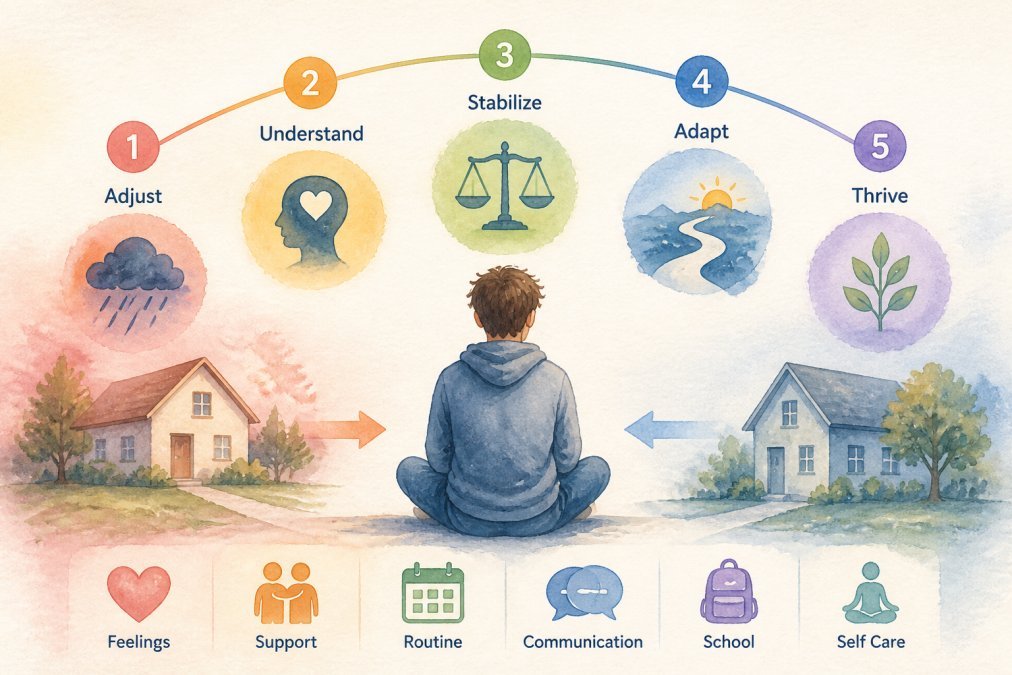
Before you can take any meaningful action, you need to understand what you’re feeling and why. Most people in this situation experience a storm of emotions that shift from hour to hour, and that’s completely normal.
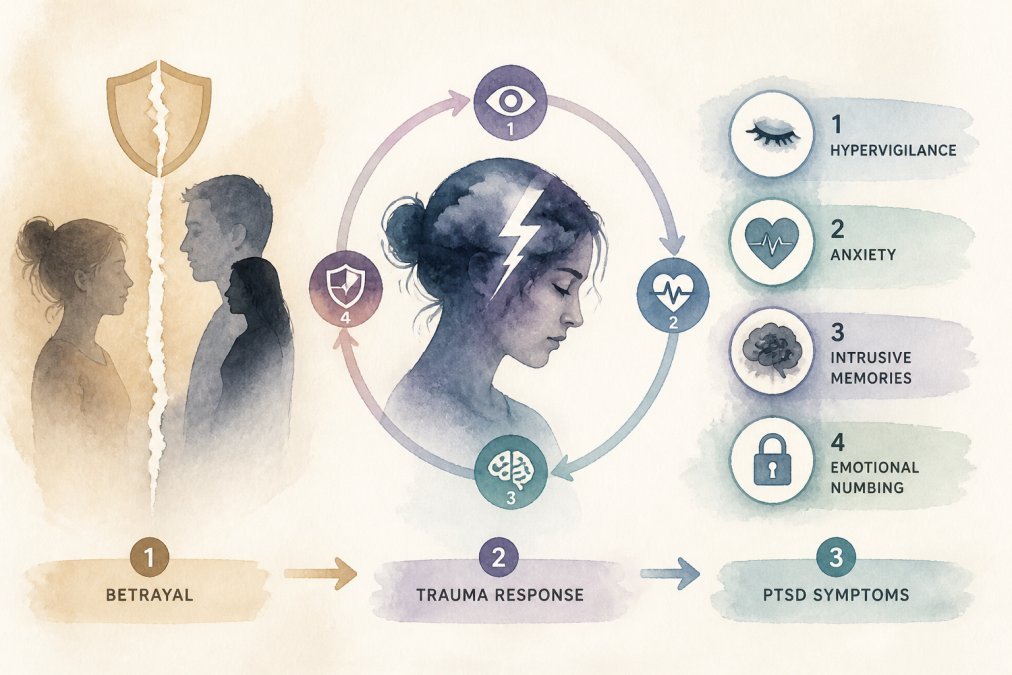
Shock, grief, anger, and confusion are all common responses when an affair creates a new family dynamic. You might feel rage one moment and profound sadness the next. You might even feel moments of numbness, which your mind uses as a buffer against pain that feels too large to process all at once.
Understanding the implications of having a child from an affair can be crucial for your healing journey.
Here are some of the most common emotional reactions people report:
- Shock and disbelief that this is actually happening
- Grief over the relationship you thought you had
- Anger toward your partner and the affair partner
- Resentment about the ongoing presence of the affair child in your life
- Guilt if you find yourself resenting an innocent child
- Fear about what the future looks like for your family
- Confusion about whether to stay, leave, or how to move forward
These feelings don’t cancel each other out. Feeling guilty for resenting a child who had no say in being born is one of the most painful and least talked-about aspects of this experience. You are not a bad person for feeling it.
“There is no right way to feel after this kind of betrayal. What matters is that you allow yourself to feel it rather than suppress it, because suppressed pain always finds a way out.”
Self-compassion is not a luxury here. It’s a survival tool. The emotional trauma after infidelity is real and clinically significant. Treating yourself with the same care you’d offer a close friend going through this is not weakness. It’s the foundation of recovery.
Pro Tip: Start a private journal and write for 10 minutes each day without editing yourself. Research consistently shows that expressive writing helps people process complex emotions and reduces the intensity of intrusive thoughts over time.
Managing your emotional response is not about getting to a place where you feel fine. It’s about creating enough internal stability to make clear-headed decisions about your life.
Building your support system and setting boundaries
Once you have a clearer picture of your emotional landscape, the next priority is surrounding yourself with the right people and establishing boundaries that protect your healing.
Support looks different for everyone, but most people benefit from a combination of:
- A trusted friend or family member who can listen without judgment
- An individual therapist who specializes in betrayal trauma
- A support group (online or in-person) for people navigating infidelity
- A couples counselor if you’re considering staying in the relationship
Therapy helps separate roles such as parent, partner, and co-parent, and facilitates healthier communication across all of them. This is especially important when a child from the affair is involved, because the boundaries between these roles can become dangerously blurred.
Setting boundaries is not about punishing your partner. It’s about defining what you need to feel safe enough to function. Consider these key areas:
- Contact with the affair partner: How much contact are you comfortable with, and in what form?
- Communication topics: What subjects are off-limits until you’ve had time to process?
- Co-parenting logistics: Who communicates with whom, and how?
- Social media and privacy: What gets shared publicly about the new family situation?
“A boundary is not a wall. It’s a door with a lock that only you control.”
Understanding why healing takes time can help you be patient with yourself when progress feels slow. Use a trauma recovery checklist to track where you are and what still needs attention.
Pro Tip: Write your boundaries down before any difficult conversation. Having them in writing helps you stay grounded when emotions run high and prevents you from agreeing to things you’re not actually comfortable with.
You have the right to protect your emotional wellbeing. That’s not selfish. That’s necessary.

Navigating co-parenting and the child’s needs
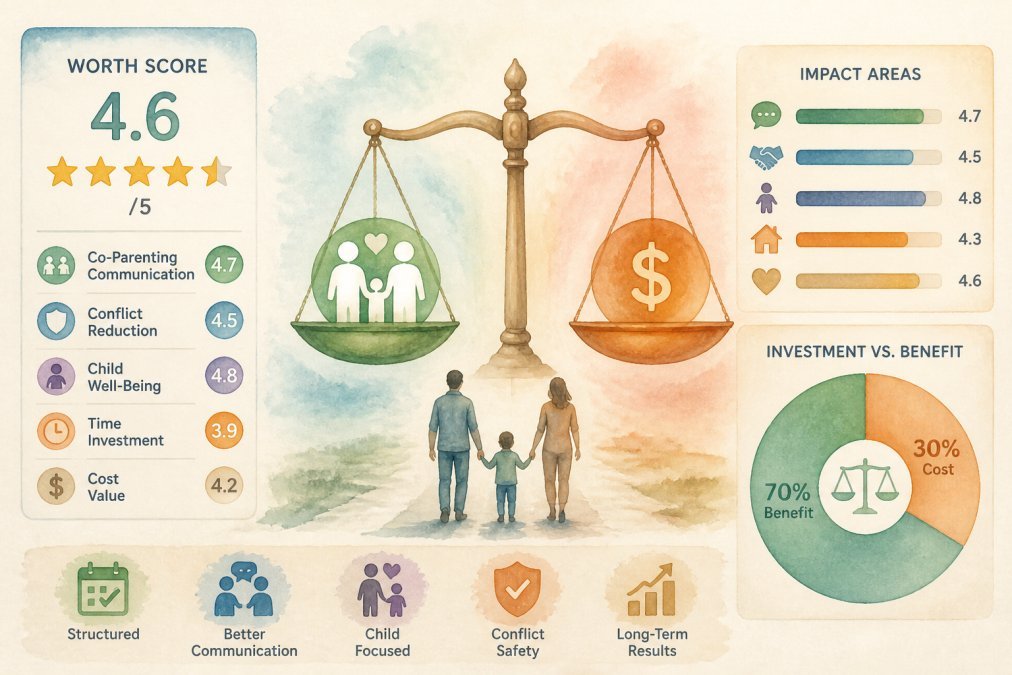
This is often the hardest part. The affair child is innocent. They didn’t choose this situation, and their needs are real regardless of how they came into the world. Legal clarity and specialized support are essential when co-parenting with an affair partner.
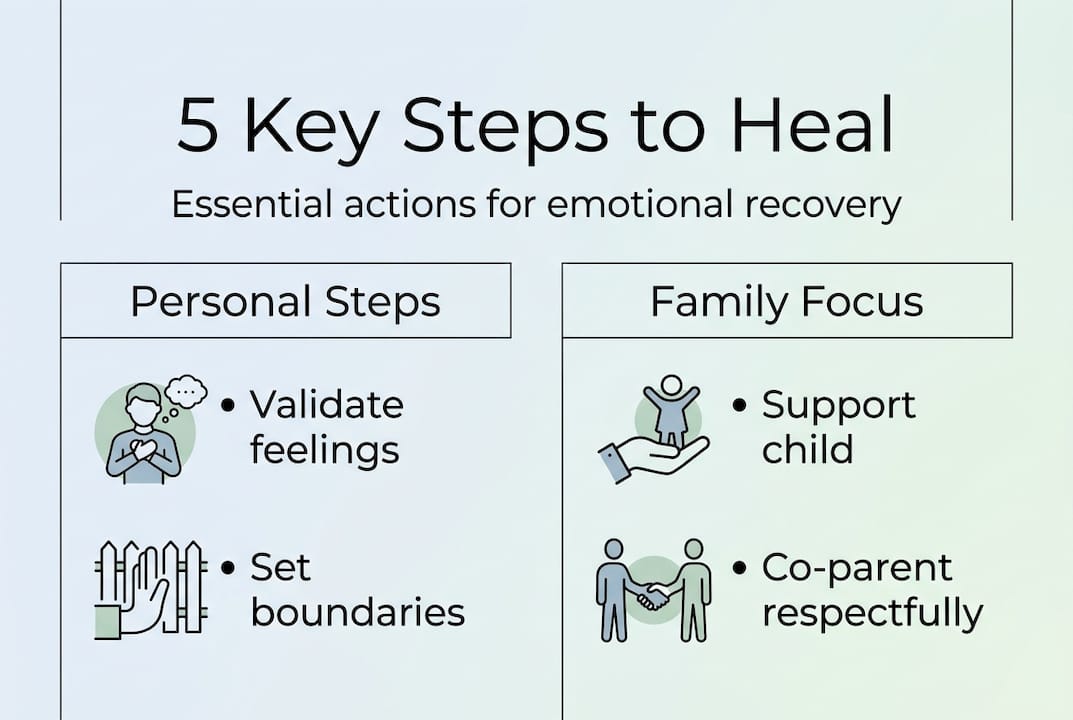
Here’s a practical breakdown of the key roles and responsibilities involved:
| Role | Who is involved | Key responsibilities |
|---|---|---|
| Biological parent | Your partner | Financial support, scheduled time, emotional availability |
| Co-parent | Your partner and affair partner | Consistent communication, shared decisions on schooling and health |
| Betrayed partner | You | Setting boundaries, protecting your own wellbeing, deciding your level of involvement |
| Legal representative | Family lawyer | Custody agreements, visitation schedules, financial arrangements |
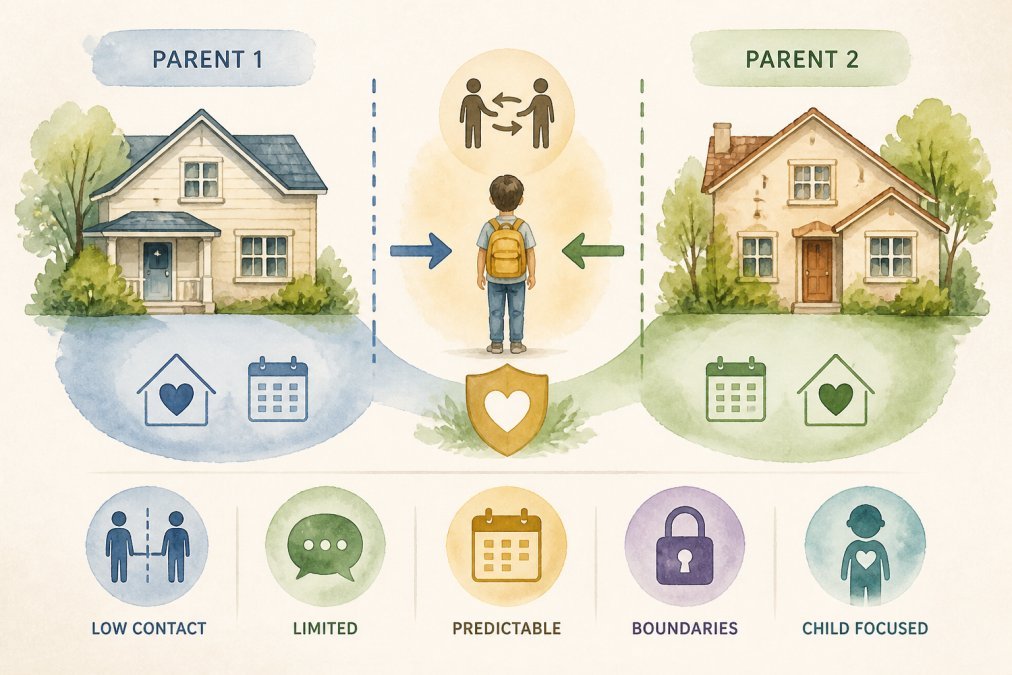
Practical steps for managing this ongoing situation include:
- Get legal advice early. A family lawyer can help formalize custody and visitation arrangements before conflict escalates.
- Use a co-parenting communication app like OurFamilyWizard or TalkingParents to keep records and reduce direct conflict.
- Put agreements in writing. Verbal agreements break down under emotional pressure.
- Keep the child’s routine stable. Consistency is one of the most protective factors for children in disrupted family situations.
For guidance on healthy co-parenting and supporting kids in two homes, structured resources can make a real difference. If you’re unsure where to begin, start with co-parenting after an affair to get a clear framework.
Pro Tip: When you’re unsure about a co-parenting decision, ask yourself: “Does this choice serve the child’s wellbeing, or does it serve my emotional comfort?” The answer will usually point you in the right direction.
Rebuilding trust and finding personal growth
As the immediate chaos begins to settle, the longer work of rebuilding trust begins. This includes trust in your partner if you choose to stay, but more importantly, trust in yourself.
Here’s how restoring trust with your partner differs from rebuilding trust with yourself:
| Restoring trust with your partner | Rebuilding trust with yourself |
|---|---|
| Requires consistent, transparent behavior over time | Requires honoring your own boundaries and needs |
| Depends on your partner’s willingness to change | Depends entirely on your own choices |
| Measured in shared experiences and accountability | Measured in self-respect and self-compassion |
| Can take years and may not fully recover | Can grow steadily with the right support |

Therapeutic processes help separate painful events from ongoing relationship dynamics and support personal healing in ways that pure willpower cannot.
Steps toward personal growth after this kind of trauma:
- Commit to your own therapy, separate from couples counseling.
- Identify what you value in a relationship and in your life going forward.
- Create a self-care routine that includes physical movement, rest, and social connection.
- Set one small goal each week that has nothing to do with the affair or your partner.
- Celebrate progress, even when it feels minor. Healing is cumulative.
For deeper support, explore relationship growth after infidelity and personal growth after betrayal. The infidelity recovery checklist is also a useful tool for tracking your progress at each stage.
Pro Tip: Healing is not linear. A bad week does not erase months of progress. Track your overall trend, not your worst days.
The uncomfortable truth about healing after an affair child
Most recovery guides promise a clear path back to the relationship you had before. We want to be honest with you: that relationship is gone. What you’re building now is something different, and that’s not necessarily a tragedy.
Real healing after an affair child is messy and nonlinear. It may mean that you and your partner do not stay together, and yet both of you become better parents and healthier people. It may mean that the child from the affair eventually becomes part of a broader, loving family structure that nobody would have designed from scratch but that actually works.
Society has very rigid ideas about what family should look like. Healing sometimes requires letting go of those expectations entirely. The goal is not to recreate the past. The goal is to build something that is honest, stable, and genuinely good for the children involved, including the affair child.
Navigating infidelity in the early months is about survival. What comes after is about choice. You get to decide what your life looks like, not based on shame or social pressure, but based on what is truly best for you and the children in your care.
Get expert guidance to support your healing
Reading about healing is a meaningful first step, but structured support is what turns insight into lasting change.
At After the Affair, we offer evidence-informed resources designed specifically for people navigating the complex aftermath of infidelity, including situations where a child is involved. From the infidelity recovery checklist to relationship growth tools and a full healing resources library, you’ll find practical, compassionate guidance at every stage. Progress is possible. You don’t have to figure this out alone.
Frequently asked questions
Is it possible to heal my relationship after my partner had a child from an affair?
Yes, healing is possible but requires honesty, consistent boundaries, and ongoing professional support for both partners. Therapy helps separate roles and enables healthier recovery when an affair child is part of the picture.
Should I be involved in the life of the affair child?
Every situation is unique, but centering the child’s best interests and using honest, age-appropriate communication supports healthier outcomes for everyone. Focusing on the child’s needs is essential when navigating infidelity-related co-parenting.
What legal considerations should I keep in mind?
Consult a family lawyer early to formalize co-parenting agreements, custody arrangements, and visitation schedules before conflict makes those conversations harder.
How do I talk to my children about a sibling from an affair?
Approach the conversation with honesty, age-appropriate language, and clear reassurance of your love for all of your children, so they feel secure rather than confused or responsible.
Recommended
- How to heal when the affair partner won’t leave: 5 steps – After the Affair Series
- How to Guide Clients After Infidelity for Healing – After the Affair Series
- Beziehung nach Affäre reparieren: 5 Schritte zur Heilung – After the Affair Series
- How to Co-Parent After an Affair – After the Affair Series