TL;DR:
- Affair recovery follows predictable emotional stages, from shock to growth, aiding understanding and patience.
- Trust rebuilding requires transparency, consistent behavior, honest boundaries, and partner validation.
- Growth after infidelity involves building a new, honest relationship or personal transformation beyond mere repair.
Discovering a partner’s affair can shatter your sense of reality in a matter of seconds. The confusion, grief, and rage that follow are unlike almost any other emotional experience, and for many people, the path forward feels completely invisible. That’s exactly why having a structured, expert-informed approach matters so much. This article brings together therapist-approved strategies to help you process betrayal, restore emotional stability, and make real progress, whether you’re working toward rebuilding your relationship or finding clarity about what comes next.
Table of Contents
- Understand the stages of affair recovery
- Top therapist tips for rebuilding trust
- Managing overwhelming emotions and trauma
- Communication strategies for affair recovery
- When to seek professional support
- A therapist’s perspective: Affair recovery is about growth, not just repair
- Next steps: Guided resources for affair recovery
- Frequently asked questions
Key Takeaways
| Point | Details |
|---|---|
| Healing is a process | Recovery unfolds in stages and each requires patience and self-compassion. |
| Trust must be rebuilt | Consistent effort and honest communication are critical for restoring trust. |
| Emotions may be intense | Using therapist-backed coping techniques can help manage overwhelming feelings. |
| Professional help accelerates results | Early support from a therapist can prevent ongoing cycles of pain and confusion. |
| Growth is possible for everyone | Affair recovery can lead to deeper relationships and personal resilience for both partners. |
Understand the stages of affair recovery
With the goal of clarity in mind, let’s start with how the recovery process typically unfolds.
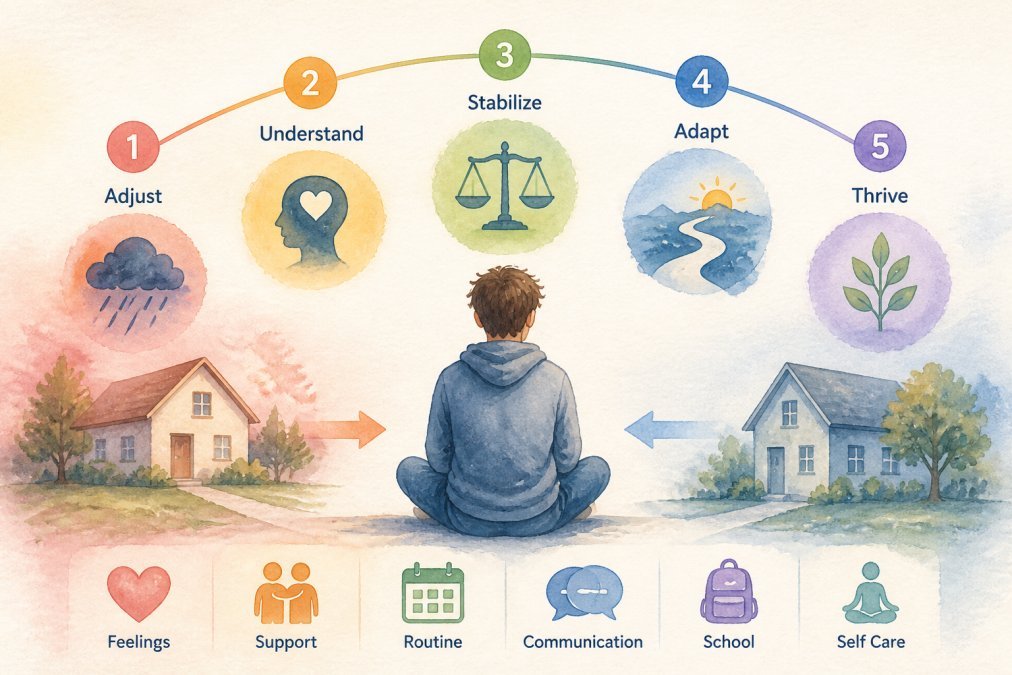
Most people are surprised to learn that affair recovery follows a somewhat predictable arc. That doesn’t make it easier, but it does make it less frightening when you understand what’s happening to you emotionally. Healing after infidelity typically follows predictable emotional stages, each with its own challenges and therapeutic focus. Knowing these stages helps you stop asking “What’s wrong with me?” and start asking “Where am I in this process?”
Here are the five core stages most people move through:
- Shock and denial. The immediate aftermath often brings emotional numbness, disbelief, and an almost surreal sense of unreality. You may function on autopilot while your brain tries to process what happened.
- Anger and pain. As reality sets in, rage, grief, and profound hurt take center stage. Intrusive thoughts are common here, and many people experience physical symptoms like insomnia, nausea, or appetite loss.
- Bargaining. This stage often involves obsessive “what if” thinking. You may replay events, try to find explanations, or make promises to yourself or your partner about what you’ll do differently.
- Rebuilding. When both partners commit to the process, this is where real work begins, including establishing new boundaries, practicing transparency, and attending therapy sessions.
- Growth. Many couples and individuals eventually reach a place where the affair becomes a catalyst for deeper self-awareness and more honest relating. This isn’t about minimizing what happened; it’s about refusing to let it define you forever.
“Understanding which stage you’re in removes a layer of self-judgment. Recovery isn’t linear, and knowing that frees people to focus on healing rather than worrying about whether they’re doing it right.” — Infidelity recovery specialist
The difference between emotional versus physical affair recovery matters here too. Emotional affairs can sometimes feel more destabilizing than physical ones because they represent an intimate connection that is harder to simply “explain away.” Both require attention, but the emotional work may differ considerably.
Pro Tip: Don’t measure your progress by how other people recover. Some individuals move through stages quickly; others cycle back through anger months after they thought it was behind them. That’s normal. Use emotional healing tips to stay oriented without pressuring yourself.
Top therapist tips for rebuilding trust
Once you know the journey, the next step is learning practical ways to restore the relationship’s cornerstone: trust.
Therapists recommend transparent communication, consistent behavior, and accountability to rebuild trust after an affair. These aren’t vague suggestions; they translate into very specific daily actions and commitments.
Here are therapist-backed trust-building strategies:
- Full transparency without being asked. The partner who had the affair should proactively share information rather than waiting to be interrogated. Volunteering access to phones, emails, or schedules signals willingness to be accountable.
- Behavioral consistency over time. Words matter far less than repeated, reliable action. Showing up when you say you will, following through on commitments, and being where you say you’ll be are the actual building blocks of new trust.
- Clear, agreed-upon boundaries. Both partners need to discuss and define what is and isn’t acceptable going forward. These boundaries aren’t punishments; they’re guardrails that create safety.
- Honest acknowledgment of setbacks. No one rebuilds trust without bumps. When a breach occurs, acknowledging it honestly rather than hiding or minimizing it actually accelerates recovery.
- Validating your partner’s pain. For the partner who strayed, learning to sit with the betrayed partner’s grief without becoming defensive is one of the hardest and most important skills to develop.
- Accessing professional support. The steps to regain trust are well-documented, but a therapist helps you apply them in ways specific to your relationship.
Developing strong communication skills is also foundational here. Trust doesn’t rebuild in silence; it rebuilds through hundreds of small, honest conversations that gradually shift the emotional atmosphere of the relationship.
Pro Tip: Set a weekly “check-in” meeting where both partners share one thing they appreciated and one area where they felt unsafe or uncertain. Keep it structured and time-limited, around 20 minutes. This prevents trust issues from building up between sessions and keeps both people actively engaged in the process.
Managing overwhelming emotions and trauma
With trust under repair, emotional storms can feel unmanageable. Here are tools for when feelings run high.
Many people are shocked by the intensity and persistence of their emotional responses after discovering betrayal. Trauma responses such as anxiety, intrusive thoughts, and grief are common after discovering infidelity, and therapeutic tools are essential for self-care. This isn’t weakness; it’s a predictable neurological response to a significant threat to your safety and identity.
Immediate strategies that help when emotions surge:
- Diaphragmatic breathing. Slow, deliberate breathing from the belly activates the parasympathetic nervous system and physically interrupts the fight-or-flight response in your body.
- Journaling without judgment. Writing without editing yourself gives your overwhelmed nervous system a safe outlet and often reveals patterns in your emotional responses.
- Grounding techniques. The 5-4-3-2-1 method (naming five things you see, four you can touch, three you hear, two you smell, one you taste) interrupts spiraling thoughts and brings you back to the present moment.
- Physical movement. A 20-minute walk, a run, or even stretching can shift cortisol levels and give you back a sense of agency in your body.
- Reaching out to a trusted support person. Isolation amplifies trauma. A friend, family member, or support group gives you the perspective and validation that keeps despair from taking hold.
| Self-soothing technique | Best used when | Partner-supported technique | Best used when |
|---|---|---|---|
| Journaling | Alone, after a trigger | Active listening sessions | Both partners are regulated |
| Grounding exercises | In the middle of anxiety | Holding space without speaking | The betrayed partner needs presence |
| Deep breathing | Any time, immediately | Agreed physical comfort | Trust and safety are present |
| Physical exercise | Energy needs an outlet | Walking together in silence | Words feel too loaded |
| Calling a friend | Partner not available | Therapy attendance together | Conflict feels stuck |
Deciding between individual versus couples therapy is often a pivotal early decision. Many therapists recommend starting with individual work to stabilize each person before bringing both partners into the same room. This sequence protects the process. Understanding the full range of therapy benefits also helps both partners invest in the process rather than attending reluctantly.
Communication strategies for affair recovery
Effective communication is the lifeline for making progress together, so next we’ll unpack what works best and what to avoid.
Effective communication structured by therapists can prevent misunderstandings and support genuine re-connection. Most couples in crisis default to reactive patterns: one person floods with emotion, the other shuts down, and nothing gets resolved. Therapist-recommended frameworks break that cycle.
Follow these steps for healthy dialogue after an affair:
- Choose the right time and place. Never start a serious conversation when either partner is hungry, exhausted, or already escalated. Agree on a time when both people are relatively calm and not under time pressure.
- Use “I” statements, not “you” accusations. “I feel terrified that I can’t trust my instincts anymore” lands very differently than “You destroyed everything.” The first opens dialogue; the second triggers defensiveness.
- Ask questions to understand, not to attack. If you need to ask about the affair, frame questions around what you need to make sense of things, not to gather ammunition. “Help me understand what you were feeling” invites honesty; “How could you possibly do this?” shuts it down.
- Listen to respond, not to defend. When your partner is speaking, practice staying quiet until they’ve fully finished. Resist the urge to interrupt with corrections or counterpoints.
- Name the emotion before the content. Starting with “I’m feeling scared right now, and I need to talk about something” prepares your partner emotionally and reduces the likelihood of them becoming defensive.
- Agree on a pause signal. When either partner feels flooded (heart racing, mind going blank), use a pre-agreed signal to pause for 20 minutes before continuing. Flooding makes productive conversation impossible.
One of the most practical steps you can take toward preventing repeat affairs is creating consistent, honest communication habits now. Couples who build structured dialogue into their weekly routine are far less likely to reach a crisis point again.
Pro Tip: Try the “safe space” practice. Set a timer for 10 minutes where one person speaks without interruption while the other only listens, then switch. No cross-talk, no rebuttals during that time. It sounds simple, but it produces breakthroughs that hours of unstructured arguing cannot.
When to seek professional support
Sometimes, even the best advice isn’t enough. Here’s how to know when expert help is needed.
Self-help resources are genuinely valuable, but they have limits. Early intervention by a professional greatly increases the likelihood of meaningful recovery after betrayal. Recognizing when you need more than books and articles is not a sign of failure; it’s a sign of self-awareness.
Warning signs that self-help isn’t enough:
- Persistent intrusive thoughts or nightmares lasting more than a few weeks
- Complete inability to function at work or as a parent
- Repetitive circular arguments that always end the same way
- Either partner experiencing thoughts of self-harm
- One partner continuing to lie or deny despite claimed commitment to recovery
- Significant disagreement about whether to stay or leave the relationship
- Substance use increasing as a coping mechanism
| Therapy type | Key benefit | Potential drawback |
|---|---|---|
| Individual therapy | Safe space for personal processing | Doesn’t address relational dynamics |
| Couples therapy | Rebuilds communication and trust together | Requires both partners to be willing |
| Group therapy | Reduces isolation, offers peer support | Less personalized to your situation |
| Trauma-focused therapy (EMDR) | Addresses deep trauma responses | May not focus on relationship repair |
Understanding the therapist role in infidelity recovery helps you go into therapy with realistic expectations. A good therapist doesn’t take sides, doesn’t tell you whether to stay or leave, and doesn’t rush the process. What they do provide is structure, tools, and a neutral space where both partners can be heard.
Normalize asking for help early. Many couples wait an average of six years before seeking couples therapy for any issue. After an affair, waiting is rarely beneficial.

A therapist’s perspective: Affair recovery is about growth, not just repair
Here’s a perspective that often gets lost in the fog of early recovery: affair recovery, at its deepest level, is not really about fixing what broke. It’s about building something new.
This might sound alarming if you’re in the middle of acute pain, but stay with it. The relationship that existed before the affair had vulnerabilities that neither partner fully recognized. That’s not blame; it’s an honest observation. When couples focus only on “getting back to how things were,” they miss the more transformative question: What kind of relationship do we want to build going forward?
The couples we see thriving years after betrayal aren’t the ones who successfully erased what happened. They’re the ones who let it change them. They developed better communication habits than they had before. They learned to name their needs rather than hoping their partner would intuit them. They stopped taking each other’s presence for granted.
Growth after infidelity is a real and documented phenomenon, often called post-traumatic growth in clinical literature. It doesn’t mean you’re glad the affair happened. It means you refused to let it be the final word on your story.
“The couples who do best in recovery aren’t the ones who loved each other most before the affair. They’re the ones who were willing to be most honest about everything that came after.”
For individuals who ultimately decide not to stay in the relationship, this same principle applies. Recovery isn’t only relational; it’s deeply personal. Leaving a relationship after betrayal and building an independent life with new clarity about what you need and what you deserve is also a form of growth worth honoring.
Next steps: Guided resources for affair recovery
After embracing both strategies and mindset shifts, here’s how to find the practical support to continue your journey.
Working through betrayal is one of the hardest things a person can do, and you don’t have to piece it together alone. At After the Affair, you’ll find structured, evidence-informed resources designed specifically for where you are right now.
Start with the infidelity recovery checklist if you need a clear, actionable starting point. When you’re ready to look further ahead, explore the relationship growth resources to understand what a stronger relationship can genuinely look like. And if you want to reconnect with where you are in the process, revisit the full stages of healing guide for context and reassurance. Each resource is built around real clinical experience, so you get compassionate, practical support at every step.
Frequently asked questions
How long does affair recovery usually take with therapist support?
Most couples experience noticeable progress in 6 to 12 months with dedicated therapist guidance, though recovery timelines vary considerably based on individual circumstances and how both partners engage with the process.
What is the first step therapists recommend after an affair is discovered?
Therapists advise first stabilizing emotions and establishing safety before addressing deeper issues, as the initial recovery stage focuses on emotional stabilization and clear boundary-setting.
Is it necessary for both partners to attend therapy?
Individual therapy is helpful for each partner’s personal processing, but couples therapy is most effective for rebuilding the relationship, as outlined in therapy types for infidelity trauma.
Are there different strategies for healing after emotional versus physical affairs?
Yes, emotional and physical affairs often affect trust and healing in distinct ways, which is why emotional vs physical affair recovery considerations call for tailored therapeutic approaches.
What if trust cannot be rebuilt after repeated betrayals?
If repeated betrayals continue despite genuine recovery efforts, ending the relationship or seeking additional specialist help may be the most self-protective and honest path forward for both partners.
Recommended
- Role of Therapists – Rebuilding Trust – After the Affair Series
- Relationship Growth After Infidelity – After the Affair Series
- Trust Rebuilding Guide: Steps to Heal After Infidelity
- Does rebuilding trust prevent future affairs? Evidence & tips