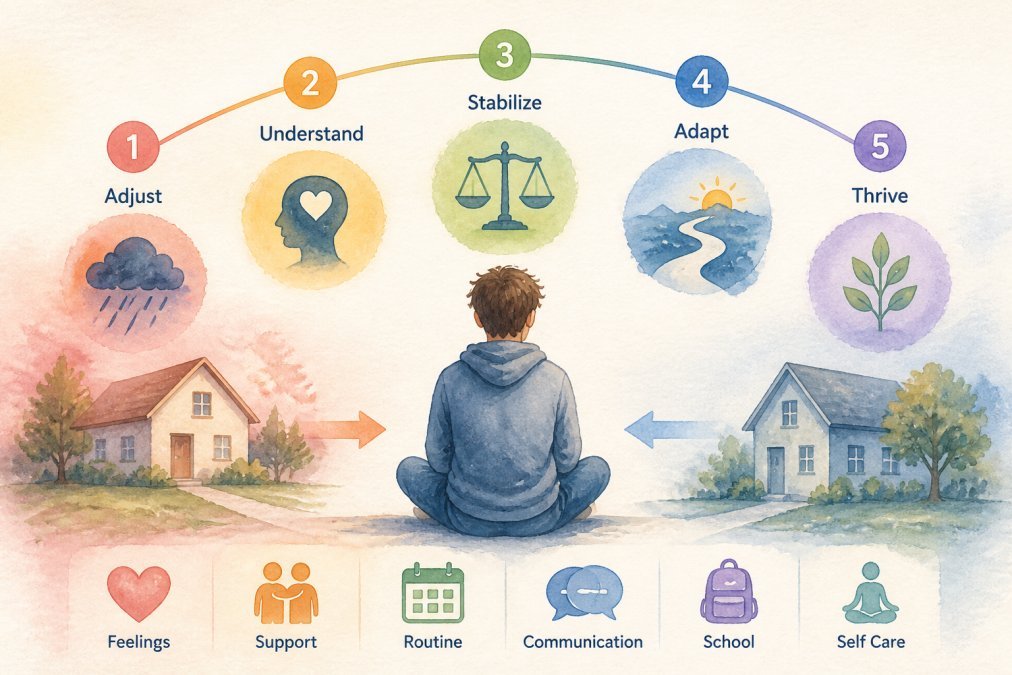
Discovering a partner’s infidelity often triggers a severe emotional response that closely mirrors post-traumatic stress disorder. Post-infidelity stress disorder (PISD) is a recognized anxiety condition that can leave you feeling shattered, hypervigilant, and emotionally overwhelmed. Understanding this condition validates your experience and opens pathways to healing. This guide explores the symptoms, neurobiological impact, gender differences, recovery timelines, and evidence-based therapeutic strategies that help you reclaim emotional stability and rebuild trust after betrayal.
Table of Contents
- What Is Post-Infidelity Stress Disorder And Its Symptoms
- The Neurobiological Impact And Emotional Toll Of Post-Infidelity Stress
- Gender Differences, Duration, And Recovery Rates In Post-Infidelity Stress
- Effective Therapeutic Strategies And Steps To Healing From Post-Infidelity Stress
- Explore Trusted Resources To Support Your Recovery
- Frequently Asked Questions
Key takeaways
| Point | Details |
|---|---|
| PISD mirrors PTSD symptoms | Post-infidelity stress disorder causes intrusive thoughts, hypervigilance, emotional dysregulation, and sleep disturbances similar to trauma responses. |
| Brain changes drive symptoms | Persistent perceived danger overwhelms psychological defenses and triggers neurobiological stress responses that feel uncontrollable. |
| Gender shapes coping styles | Men often suppress emotions while women seek expressive support, requiring tailored healing approaches for each individual. |
| Recovery takes 6-12 months | The acute phase typically lasts up to a year, with 60-75% of couples reconciling successfully through therapeutic support. |
| Trauma therapies accelerate healing | EMDR, CBT, and couples-focused interventions like EFT significantly improve recovery outcomes and relationship restoration. |
What is post-infidelity stress disorder and its symptoms
The term post-infidelity stress disorder (PISD) was coined in 2005 by Dennis C. Ortman to describe a specific type of anxiety disorder that develops after discovering a partner’s infidelity. This condition shares striking similarities with PTSD, validating the intense emotional turmoil you may be experiencing. Recognizing PISD as a legitimate clinical response helps you understand that your reactions are normal responses to profound betrayal, not signs of weakness or overreaction.
The symptoms mimic PTSD and create a cascade of distressing experiences that disrupt daily functioning. Understanding these symptoms helps you identify what you’re facing and seek appropriate support. The main manifestations include:
- Intrusive thoughts and mental images of the affair that appear without warning and feel impossible to control
- Hypervigilance and constant monitoring of your partner’s behavior, location, and communications
- Emotional dysregulation with sudden mood swings, rage, despair, or numbness
- Avoidance behaviors where you dodge reminders of the betrayal or shut down emotionally
- Sleep disturbances including insomnia, nightmares, or disrupted sleep patterns
- Loss of self-worth and questioning your value, attractiveness, or adequacy as a partner
- Physical symptoms like racing heart, nausea, tension headaches, or digestive problems
- Difficulty concentrating or making decisions due to mental fog and emotional overload
- Heightened startle response and feeling constantly on edge or unsafe
- Social withdrawal and isolation from friends, family, or activities you once enjoyed
These symptoms aren’t signs of personal failure. They represent your mind and body’s attempt to process overwhelming emotional trauma. Expert recognition of PISD validates that betrayal trauma symptoms after cheating constitute a genuine psychological injury requiring compassionate care and evidence-based treatment.
“The discovery of infidelity shatters fundamental assumptions about safety, trust, and relationship security, triggering trauma responses that can persist without proper intervention and support.”
Your experience matters. Naming what you’re going through as post-infidelity stress disorder gives you a framework for understanding your reactions and pursuing targeted healing strategies that address the root causes of your distress.
The neurobiological impact and emotional toll of post-infidelity stress
Your brain responds to infidelity discovery as a genuine threat to your survival and wellbeing. The brain adapts to persistent perceived danger, overwhelming psychological defenses and creating lasting changes in how you process emotions and assess safety. This neurobiological shift explains why you might feel trapped in a cycle of anxiety, unable to simply “get over it” through willpower alone.
Ongoing stress triggers your amygdala, the brain’s alarm system, to remain in a heightened state of alert. This constant activation floods your body with stress hormones like cortisol and adrenaline, keeping you in fight-or-flight mode even when no immediate danger exists. Your prefrontal cortex, responsible for rational thinking and emotional regulation, becomes less effective under this sustained stress, making it harder to think clearly or manage intense feelings.
Emotional dysregulation occurs because your brain interprets the betrayal as an existential threat. The attachment bond with your partner, which once provided safety and security, now feels dangerous and unpredictable. This contradiction creates profound confusion as your nervous system struggles to reconcile love and threat in the same person. The result is rapid mood swings, intense emotional reactions to minor triggers, and difficulty returning to baseline calm.
Vulnerability to post-infidelity stress often links to fragile self-esteem and past experiences. If you’ve faced previous betrayals, abandonment, or attachment injuries, the current infidelity can reactivate those old wounds and intensify your response. Your personal history shapes how deeply the betrayal cuts and how long recovery may take. Understanding this connection helps you approach healing with self-compassion rather than self-judgment.
Common somatic symptoms emerge as your body expresses what your mind struggles to process:
- Chronic muscle tension particularly in the neck, shoulders, and jaw
- Gastrointestinal distress including nausea, loss of appetite, or irritable bowel symptoms
- Cardiovascular symptoms like chest tightness, rapid heartbeat, or palpitations
- Fatigue and exhaustion despite adequate rest due to emotional depletion
- Immune system suppression leading to frequent minor illnesses
Recognizing these neurobiological responses helps you understand that healing requires more than positive thinking. You need interventions that address both mind and body, helping your nervous system recalibrate and restore a sense of safety. Learning to process emotional trauma after infidelity involves working with your biology, not against it.
Pro Tip: Track your physical symptoms alongside emotional states to identify patterns and triggers, giving you concrete data to share with healthcare providers and therapists for more targeted support.
Gender differences, duration, and recovery rates in post-infidelity stress
Research reveals significant differences in how people experience and cope with post-infidelity stress based on gender and individual factors. Men tend to suppress or avoid emotions, while women often seek emotional expression and support, creating distinct healing pathways that benefit from tailored approaches. Understanding these patterns helps you choose coping strategies that align with your natural tendencies rather than fighting against them.
The following table illustrates key gender-based differences in post-infidelity stress responses:
| Aspect | Men’s typical response | Women’s typical response |
|---|---|---|
| Emotional expression | Suppress feelings, use distraction or work | Seek verbal processing and emotional support |
| Social support | Reluctant to discuss with others | Actively reach out to friends and family |
| Primary concern | Sexual aspects of betrayal | Emotional intimacy and deception |
| Coping mechanism | Problem-solving focus, action-oriented | Emotion-focused, relationship-oriented |
| Help-seeking | Delayed, view as weakness | Earlier, view as strength |
Vulnerable populations extend beyond those directly experiencing a partner’s infidelity. Adult children of unfaithful parents often carry heightened sensitivity to betrayal, making them more susceptible to severe post-infidelity stress responses. Previous trauma survivors, individuals with anxious attachment styles, and those with limited social support networks also face increased risk for prolonged or intense symptoms.
The acute phase lasts 6-12 months for most individuals, though this timeline varies based on multiple factors including the nature of the affair, the betraying partner’s response, and available support systems. Some people experience lingering symptoms beyond the first year, particularly without professional intervention. This extended timeline doesn’t indicate failure but rather reflects the depth of the wound and the complexity of healing attachment injuries.
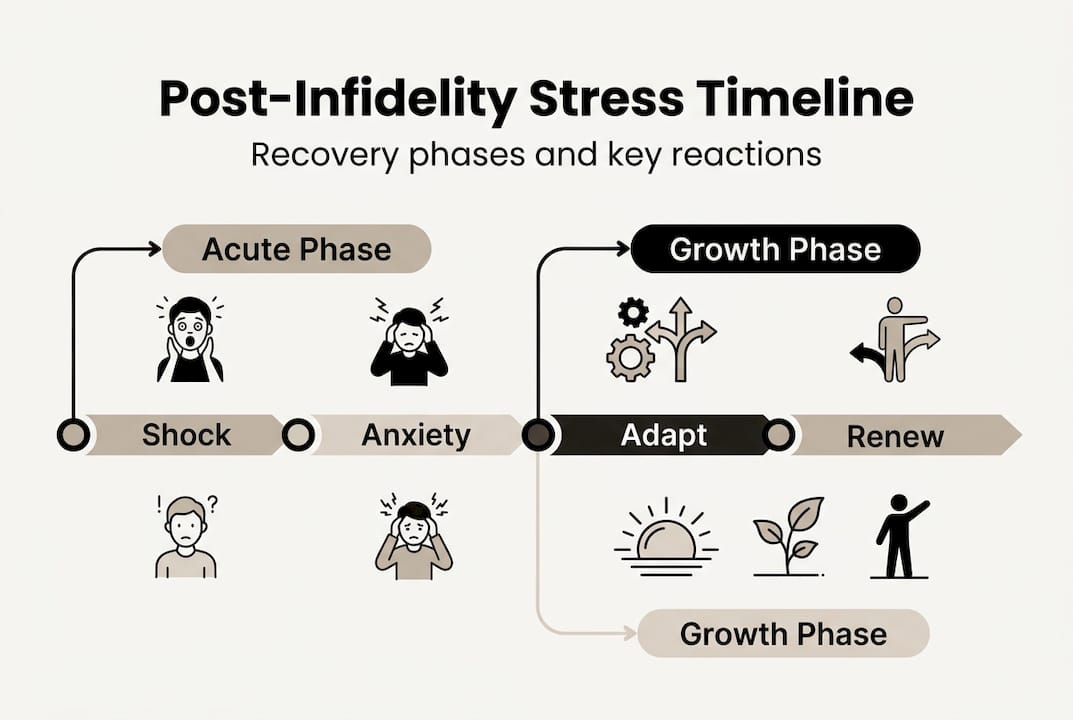
Hope emerges from reconciliation data showing that 60-75% of couples stay together post-infidelity with therapeutic support. These statistics demonstrate that recovery is not only possible but probable when both partners commit to the healing process and engage with evidence-based interventions. Therapy plays a crucial role in these positive outcomes by providing structure, tools, and professional guidance through the most challenging phases of recovery.
Factors influencing recovery duration include:
- Quality of the betraying partner’s remorse and transparency
- Presence of ongoing deception or additional discoveries
- Individual and couples therapy engagement
- Strength of pre-affair relationship foundation
- Personal resilience and coping resources
- Social support network quality and availability
Understanding that healing follows a predictable timeline helps you maintain perspective during the most difficult moments. Your journey toward relationship growth after infidelity requires patience, but the majority of committed couples do emerge stronger and more connected than before the crisis.
Pro Tip: Honor your unique emotional style rather than comparing your recovery to others or forcing yourself to cope in ways that feel unnatural to your personality and gender-based tendencies.
Effective therapeutic strategies and steps to healing from post-infidelity stress
Evidence-based therapies provide powerful tools for recovering from post-infidelity stress and rebuilding emotional stability. Trauma-informed therapies like EMDR and CBT are effective for PISD, targeting the neurobiological roots of your symptoms while helping you develop healthier thought patterns and emotional responses. These approaches recognize that infidelity creates genuine trauma requiring specialized treatment beyond traditional talk therapy.
Eye Movement Desensitization and Reprocessing (EMDR) helps your brain reprocess traumatic memories of the affair discovery and related events, reducing their emotional charge and intrusive quality. Cognitive Behavioral Therapy (CBT) addresses distorted thinking patterns that amplify distress, teaching you to challenge catastrophic thoughts and develop more balanced perspectives. Both approaches show strong success rates for trauma-related conditions and adapt well to post-infidelity stress contexts.
Practical self-care and resilience building methods support your recovery between therapy sessions:
- Establish consistent sleep routines to help regulate your nervous system
- Practice mindfulness meditation to reduce rumination and increase present-moment awareness
- Engage in regular physical activity to release tension and boost mood-regulating neurotransmitters
- Maintain social connections even when isolation feels easier
- Set boundaries around affair discussions to prevent constant triggering
- Journal your thoughts and feelings to externalize internal chaos
- Limit alcohol and caffeine which can worsen anxiety and sleep problems
Couple therapies like Emotionally Focused Therapy (EFT) and mindfulness practices assist relationship rebuilding by addressing attachment injuries and creating new patterns of connection. EFT helps partners understand the emotional needs driving their responses and develop more secure bonding behaviors. Discernment counseling offers a structured space for couples uncertain about their future to explore options without pressure to commit to reconciliation immediately.
A step-by-step healing outline for individuals and couples includes:
- Stabilize immediate crisis through safety planning and symptom management
- Process the trauma of discovery using evidence-based therapeutic approaches
- Understand the context and causes of the affair without justifying the betrayal
- Rebuild individual self-worth and identity separate from the relationship
- Develop new communication patterns that support honesty and emotional safety
- Address underlying relationship vulnerabilities that preceded the affair
- Create a renewed relationship vision or closure plan based on informed decisions
Therapy’s role in increased reconciliation rates cannot be overstated. 60-75% of couples reconcile successfully with therapy, focusing on trauma recovery and rebuilding trust through structured interventions. Professional guidance helps couples navigate the intense emotions, communication breakdowns, and trust restoration challenges that often overwhelm partners attempting recovery alone.
“Healing from infidelity requires addressing both individual trauma symptoms and relationship dynamics, creating a comprehensive recovery plan that honors the complexity of betrayal’s impact on mind, body, and connection.”
Professional support makes the difference between prolonged suffering and purposeful healing. Resources like learning to guide clients after infidelity healing or understanding when to pursue individual or couples therapy after infidelity help you make informed decisions about your recovery path. Structured approaches such as an infidelity recovery checklist 7 steps provide clear milestones and reduce the overwhelming sense of not knowing where to start.
Explore trusted resources to support your recovery
Navigating post-infidelity stress becomes more manageable with expert-guided resources designed specifically for betrayal trauma recovery. The After the Affair Series offers comprehensive support through each phase of healing, from immediate crisis stabilization to long-term relationship transformation. These resources combine clinical expertise with compassionate guidance, filling gaps often present in traditional therapy alone.
Structured recovery guides provide clear frameworks when everything feels chaotic and overwhelming. An infidelity recovery checklist 7 steps effective healing breaks down the complex healing journey into manageable milestones, helping you track progress and maintain hope during difficult moments.
Whether you’re seeking relationship growth after infidelity rebuild trust or learning how to guide clients after infidelity as a professional, these evidence-based resources offer practical strategies grounded in both clinical research and real-world recovery experiences. Explore the complete series to find the support that matches your current needs and healing stage.
Frequently asked questions
What is post-infidelity stress?
Post-infidelity stress disorder is an anxiety condition that develops after discovering a partner’s betrayal, featuring symptoms similar to PTSD including intrusive thoughts, hypervigilance, emotional dysregulation, and sleep disturbances. The condition was formally identified in 2005 and represents a legitimate psychological response to relationship trauma. Your symptoms validate the profound impact of betrayal on mental health and wellbeing.
How long does post-infidelity stress usually last?
The acute phase typically lasts 6 to 12 months with appropriate support and intervention. Without professional help or in cases of ongoing deception, symptoms can persist significantly longer and become more entrenched. Individual factors like personal history, relationship quality, and available support networks influence recovery duration. Most people see gradual improvement within the first year when actively engaging in healing work.
Can couples recover and rebuild trust after infidelity?
Yes, 60 to 75 percent of couples successfully reconcile and stay together when they engage in therapeutic support and commit to the recovery process. These relationships often emerge stronger with deeper communication and intimacy than before the affair. Recovery requires sustained effort from both partners, professional guidance, and willingness to address both individual trauma and relationship dynamics. The majority of committed couples do achieve meaningful healing and renewed connection.
What are effective therapies for post-infidelity stress?
EMDR and CBT are highly recommended trauma-focused therapies that address the neurobiological and cognitive aspects of post-infidelity stress. Couples therapy approaches like Emotionally Focused Therapy help rebuild attachment bonds and restore relationship security. Mindfulness practices reduce rumination and increase emotional regulation capacity. Combining individual trauma work with couples interventions and consistent self-care practices produces the best outcomes for lasting recovery and relationship restoration.
Recommended
- How to Guide Clients After Infidelity for Healing – After the Affair Series
- Stages of Healing – After the Affair Series
- Step-by-step betrayal recovery: healing trust in 2026 – After the Affair Series
- Infidelity Recovery in 6-Month Phases – After the Affair Series