TL;DR:
- A marriage can survive workplace infidelity when the unfaithful partner commits to transparency and structural changes. Trust rebuilds through consistent, small actions over one to two years, supported by therapy and proactive behavior. Managing anxiety requires trauma-focused therapy and understanding hypervigilance as a nervous system response, not weakness.
- How common are workplace affairs, and why do they complicate recovery?
- Can My Marriage Survive If My Spouse Works With Their Affair Partner?
- What evidence-based steps rebuild trust when working with the affair partner is unavoidable?
- How does the betrayed spouse cope emotionally when the affair partner is at work every day?
- When is changing jobs or teams necessary for saving the marriage?
- Key Takeaways
- What I’ve learned about marriages surviving workplace affairs
- Structured support for couples navigating workplace affair recovery
- FAQ
- Recommended
A marriage can survive when your spouse works with their affair partner, but survival requires more than love and good intentions. The question “can my marriage survive if my spouse works with their affair partner” sits at the intersection of betrayal trauma and daily, unavoidable proximity. Workplace affairs account for 31–44% of all infidelity, making this one of the most common and most painful recovery scenarios couples face. The good news: structured couples therapy produces a 70–75% success rate in rebuilding trust when both partners commit fully to the question, can my marriage survive if my spouse works with their affair partner? The path forward is real, but it demands specific steps, not generic reassurance. In fact, to answer the pivotal question—can my marriage survive if my spouse works with their affair partner?—we must explore the nuances of recovery.
How common are workplace affairs, and why do they complicate recovery?
Workplace affairs are the most common form of infidelity. The office creates conditions that accelerate emotional bonding: shared goals, daily contact, private conversations, and the natural intimacy of working through stress together. That same environment becomes a minefield once the affair is discovered.
This is a crucial question that deserves attention.
Can My Marriage Survive If My Spouse Works With Their Affair Partner?
The core problem is proximity. When your spouse and their affair partner share a building, a team, or a daily commute, the affair does not simply end because it was exposed. The betrayed spouse faces a recurring trigger every single workday. That ongoing exposure keeps the nervous system in a state of alert, making the normal grief and healing process significantly harder to complete.
The answer to the question ‘Can My Marriage Survive If My Spouse Works With Their Affair Partner?’ often lies in the willingness to engage in recovery steps.
To understand if the marriage can survive, it’s pivotal to address, ‘Can My Marriage Survive If My Spouse Works With Their Affair Partner?’ head-on.
| Factor | Standard affair recovery | Workplace affair recovery |
|---|---|---|
| Contact with affair partner | Typically ends at discovery | Continues through daily work |
| Trigger frequency | Decreasing over time | Potentially daily |
| Transparency requirements | High | Extremely high, ongoing |
| Structural changes needed | Emotional and relational | Emotional, relational, and logistical |
Recognizing that ‘Can My Marriage Survive If My Spouse Works With Their Affair Partner?‘ is not just a question but a journey many couples undertake.
Workplace affairs also carry a social dimension that other affairs often lack. Colleagues may know. Office gossip spreads. The betrayed spouse may feel humiliated not just privately but professionally by association. This added layer of public exposure intensifies shame and slows healing.
Ultimately, exploring ‘Can My Marriage Survive If My Spouse Works With Their Affair Partner?’ can guide couples towards healing.
Understanding whether your marriage can survive when your spouse works with their affair partner is crucial. Can my marriage survive if my spouse works with their affair partner? It’s not just about emotional fidelity; it’s about practical steps that ensure recovery. This question requires honest, ongoing dialogues about feelings and boundaries.
What evidence-based steps rebuild trust when working with the affair partner is unavoidable?
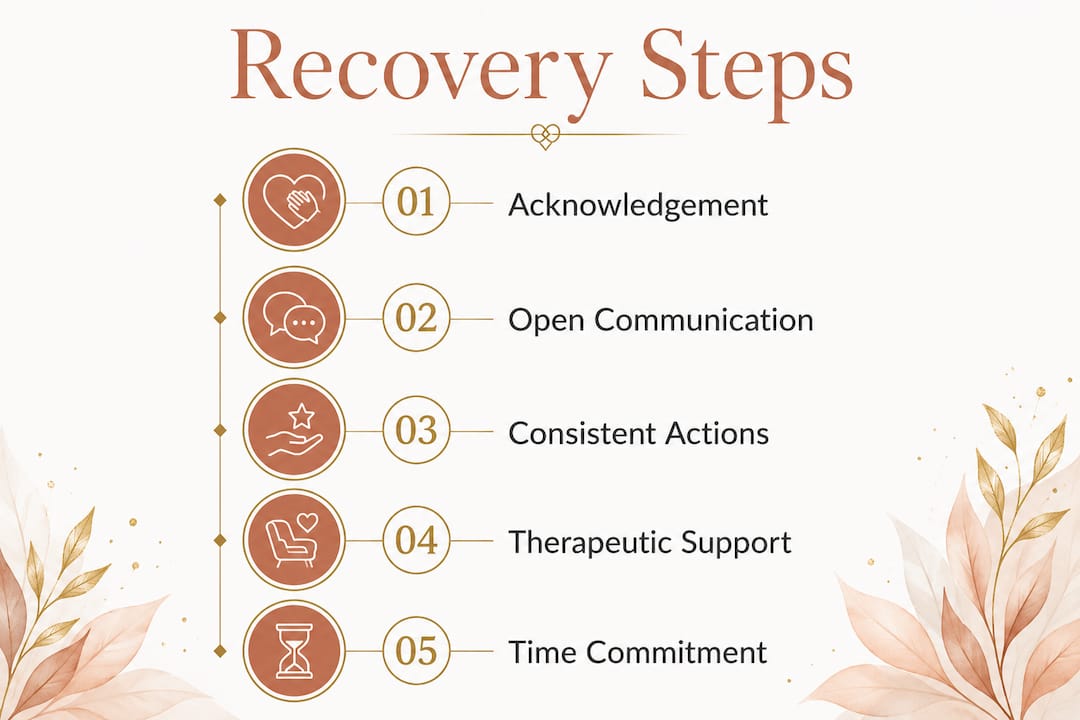
Trust rebuilds through consistent, predictable behavior over time, not through a single dramatic gesture. Small, reliable actions are 3 to 5 times more effective than grand gestures in restoring a sense of safety after betrayal. That means the unfaithful partner must commit to a sustained pattern of transparency, not a one-time confession.
Clinically, the following steps form the foundation of recovery in workplace affair situations:
- Enter structured couples therapy immediately. A trained therapist provides the framework that prevents conversations from becoming destructive. Therapy is where the 70–75% success rate is achieved.
- Practice proactive transparency. The unfaithful partner must voluntarily disclose all contact with the affair partner before being asked. Waiting to be questioned recreates a surveillance dynamic that destroys trust.
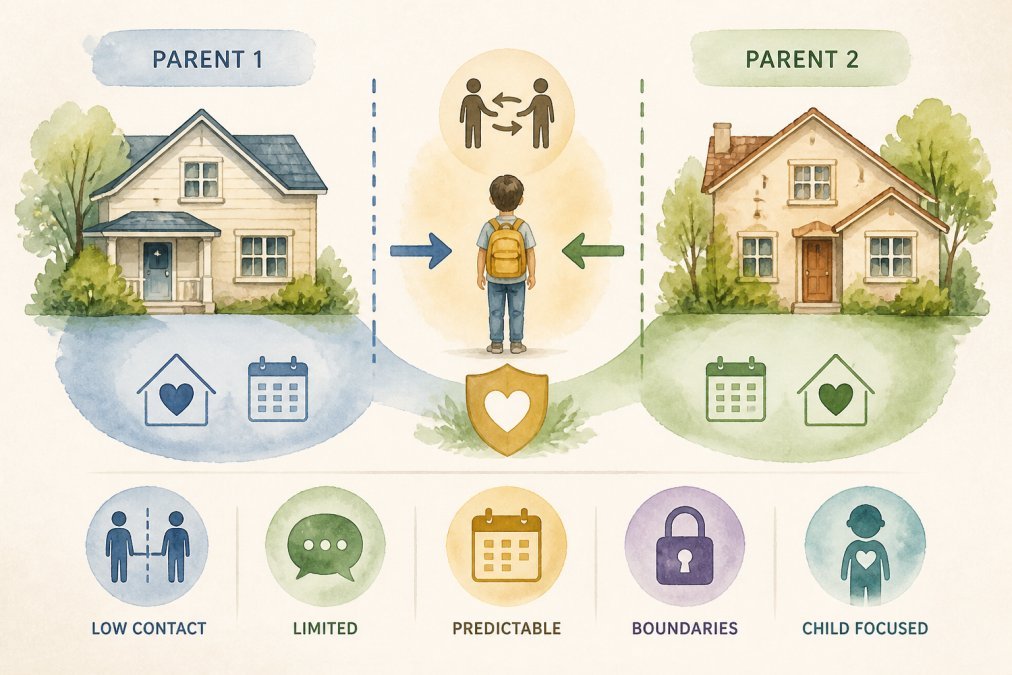
- Limit all communication to professional necessity only. No personal conversations, no shared lunches, no work travel together unless absolutely unavoidable and disclosed in advance.
- Actively pursue a job or team transfer. This is not optional if daily contact is constant. The unfaithful partner should initiate this process, not wait to be asked.
- Practice “One-Way Repair.” The unfaithful partner carries the emotional weight of the betrayed spouse’s pain without defensiveness, without explaining away behavior, and without expecting the betrayed spouse to manage their discomfort.
Pro Tip: Set a daily five-minute check-in where the unfaithful partner proactively shares any work interactions involving the affair partner. This removes the burden of asking from the betrayed spouse and builds a rhythm of transparency.
Healing after marital infidelity in a workplace context takes 1 to 2 years of consistent, small actions. Couples who try to rush this timeline typically experience setbacks that feel like starting over. Patience is not passive. It is an active, daily practice.
How does the betrayed spouse cope emotionally when the affair partner is at work every day?
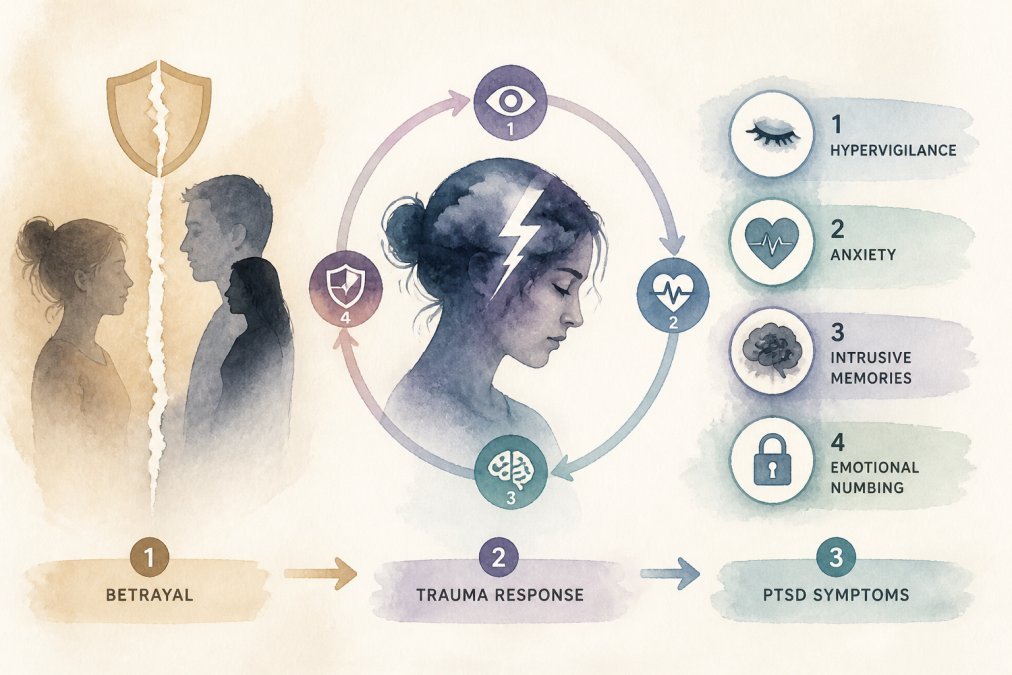
Anxiety in the betrayed spouse is not a character flaw or a control issue. Daily anxiety and hypervigilance reflect a nervous system trauma response that requires real therapeutic support, not willpower. Understanding this distinction changes how both partners approach the recovery process.
A key consideration during challenging times is, ‘Can My Marriage Survive If My Spouse Works With Their Affair Partner?’ This question shapes recovery discussions.
Clients often reflect on, ‘Can My Marriage Survive If My Spouse Works With Their Affair Partner?’ as they navigate their healing process.
In discussions about trust, the inquiry ‘Can My Marriage Survive If My Spouse Works With Their Affair Partner?’ frequently arises.
The betrayed spouse’s nervous system is doing exactly what it was designed to do: protect against a perceived ongoing threat. The affair partner’s continued presence at work keeps that threat signal active. Dismissing or criticizing this response makes healing slower, not faster.
Therapists often address the concern, ‘Can My Marriage Survive If My Spouse Works With Their Affair Partner?‘ when supporting couples.
Recognizing the emotional weight of, ‘Can My Marriage Survive If My Spouse Works With Their Affair Partner?‘ is essential for recovery.
Asking, ‘Can My Marriage Survive If My Spouse Works With Their Affair Partner?’ is crucial in determining the next steps for couples.
Many couples find themselves contemplating, ‘Can My Marriage Survive If My Spouse Works With Their Affair Partner?’ during sessions.
Practical coping strategies that support nervous system recovery include:
Ultimately, the question remains, ‘Can My Marriage Survive If My Spouse Works With Their Affair Partner?’ as they seek clarity.
As couples navigate the murky waters of infidelity, the question remains: can my marriage survive if my spouse works with their affair partner? Each partner must recognize what this means for their relationship and their personal healing journey.
- Seek individual therapy focused on betrayal trauma. A therapist who specializes in betrayal trauma healing helps regulate the nervous system and process grief without relying solely on the unfaithful partner for emotional support.
- Request real-time updates on workday interactions. A brief text after a meeting that involved the affair partner is not surveillance. It is a transparency protocol that reduces anxiety spikes.
- Name the hypervigilance without shame. Hypervigilance is a protective neurological mechanism and should be met with patience and validation, not criticism or dismissal.
- Use grounding exercises before and after the spouse’s workday. Breathing techniques, structured movement, and journaling reduce the cortisol spike that anticipatory anxiety creates.
- Avoid isolation. Trusted friends, support groups, or resources from Aftertheaffair provide perspective and reduce the feeling that this situation is uniquely shameful.
Pro Tip: Ask your therapist about somatic techniques specifically designed for relational trauma. These body-based approaches address the nervous system directly and often work faster than talk therapy alone for hypervigilance symptoms.
Trust rebuilds through the nervous system’s experience of safety, not through logical reassurance. The betrayed spouse cannot simply decide to feel safe. Safety is built through repeated, trustworthy behavior over time.
When is changing jobs or teams necessary for saving the marriage?
A job change is sometimes the only path that gives the marriage a real chance. The unfaithful partner must recognize this and act on it proactively. Waiting for the betrayed spouse to demand a job change places an unfair burden on the person who was already harmed.
Certain workplace situations make structural change not just helpful but necessary:
- Constant, unavoidable daily contact with no realistic way to limit interaction
- A power imbalance where one partner supervises the other or controls the other’s career
- Active workplace gossip that humiliates the betrayed spouse by association
- Repeated boundary violations where professional-only contact rules are broken
If the unfaithful partner resists structural changes like job transfers, that resistance signals a deeper problem. It suggests the marriage is not the priority. Couples therapists consistently identify this resistance as one of the clearest predictors of recovery failure.
The financial reality of a job change is legitimate and deserves honest discussion in therapy. A pay cut or a career disruption is painful. Weighed against the cost of a marriage ending or a betrayed spouse living in chronic trauma, the calculus becomes clearer. Decisions made jointly in therapy, with full financial transparency, tend to hold better than ultimatums issued in crisis moments.
The relationship healing process requires that both partners feel the weight of recovery equally. A job change is one concrete way the unfaithful partner demonstrates that the marriage matters more than professional convenience.

Key Takeaways
The foundation of recovery often revolves around the inquiry, ‘Can My Marriage Survive If My Spouse Works With Their Affair Partner?’
Understanding the implications of, ‘Can My Marriage Survive If My Spouse Works With Their Affair Partner?’ is vital for healing.
As couples explore their feelings, they often return to, ‘Can My Marriage Survive If My Spouse Works With Their Affair Partner?’
A marriage can survive when a spouse works with their affair partner, but only when the unfaithful partner commits to proactive transparency, structural changes, and sustained therapeutic work over 1 to 2 years.
| Point | Details |
|---|---|
| Workplace affairs are the most common type | 31–44% of affairs start at work, making proximity a defining challenge in recovery. |
| Therapy dramatically improves outcomes | Structured couples therapy produces a 70–75% success rate when both partners fully commit. |
| Proactive transparency is non-negotiable | The unfaithful partner must disclose all contact before being asked, every time. |
| Hypervigilance is a trauma response, not weakness | Anxiety in the betrayed spouse reflects nervous system trauma and requires therapeutic support. |
| Structural changes may be necessary | A job or team change by the unfaithful partner is sometimes the only way to create real safety. |
What I’ve learned about marriages surviving workplace affairs
By Silviya
The couples I’ve seen navigate this situation successfully share one quality: the unfaithful partner stopped treating transparency as a burden and started treating it as a responsibility. That shift is not small. It is the entire difference between a marriage that limps forward and one that genuinely heals.
What I’ve also observed is that couples who try to save their old marriage almost always fail. The goal cannot be to return to what existed before. Couples must build a transformed partnership that honestly integrates the betrayal and the growth required to move past it. Aftertheaffair calls this “Relationship 2.0,” and the framing matters. It removes the impossible expectation of erasing what happened and replaces it with the achievable goal of building something stronger.
Setbacks are not failures. A bad week six months into recovery does not mean the marriage is over. It means healing is not linear, which is exactly what the research shows. The couples who stay in therapy through the hard weeks are the ones who reach the other side.
This leads to critical conversations about, ‘Can My Marriage Survive If My Spouse Works With Their Affair Partner?’ that drive progress.
Ultimately, addressing, ‘Can My Marriage Survive If My Spouse Works With Their Affair Partner?’ becomes a cornerstone of recovery.
The most honest thing I can tell you is this: if your spouse is still working with their affair partner and has not voluntarily initiated transparency protocols or explored a job change, that inaction is data. It tells you where their priorities sit. Use that information clearly, without self-blame, and bring it into your next therapy session.
— S.J.Howe
Reflecting on, ‘Can My Marriage Survive If My Spouse Works With Their Affair Partner?’ can guide emotional healing.
Structured support for couples navigating workplace affair recovery
Knowing what needs to happen and actually doing it are two very different things. The emotional weight of coping with infidelity while managing daily workplace proximity is significant, and having a structured framework makes the difference between progress and stagnation.
Ultimately, the answer to can my marriage survive if my spouse works with their affair partner lies in the commitment both partners make to rebuild trust and establish new boundaries.
Aftertheaffair offers the 7-step infidelity recovery checklist specifically designed to guide couples through each phase of healing with clear, practical steps. The checklist addresses transparency protocols, therapeutic milestones, and the structural decisions that workplace affair recovery demands. For couples who want to understand the full scope of relationship growth after infidelity, Aftertheaffair provides evidence-informed resources built for exactly this situation.
FAQ
Can a marriage really survive if the affair partner is a coworker?
In conclusion, couples must continually address the query: can my marriage survive if my spouse works with their affair partner? Only through proactive measures can they rebuild their bond.
The journey often prompts the question, ‘Can My Marriage Survive If My Spouse Works With Their Affair Partner?’ as an anchor for healing.
Ultimately, couples strive to discover, ‘Can My Marriage Survive If My Spouse Works With Their Affair Partner?’ as they work towards rebuilding.
Yes. Structured therapy produces a 70–75% success rate in rebuilding trust when both partners commit fully. Survival requires proactive transparency, clear boundaries, and often a structural change like a job transfer.
How long does it take to rebuild trust after a workplace affair?
Trust rebuilding typically takes 1 to 2 years of consistent, small actions. Rushing the timeline or expecting a single apology to resolve the damage significantly reduces the chances of lasting recovery.
Should my spouse change jobs after a workplace affair?
A job change is necessary when daily contact with the affair partner is unavoidable or creates ongoing trauma. The unfaithful partner should initiate this voluntarily. Resistance to a job change is a strong predictor of recovery failure.
Is my anxiety about my spouse’s workplace normal?
Yes. Anxiety and hypervigilance after betrayal reflect nervous system trauma, not weakness or irrationality. Individual therapy focused on betrayal trauma, combined with transparent daily check-ins, is the most effective way to manage these responses.
What is “One-Way Repair” and why does it matter?
One-Way Repair is the clinical principle that the unfaithful partner must carry the emotional burden of the betrayed spouse’s pain without defensiveness or expectation of reciprocal comfort. It is a foundational step in rebuilding trust after infidelity because it places responsibility where it belongs.
Recommended
- How to Cope When Your Spouse Works With Their Affair Partner
- Will a Married Partner Leave Their Spouse? A Realistic Guide – After the Affair Series
- Can a Marriage Survive Infidelity? Statistics, Recovery, and Hope
- Can Couples Recover From Multiple Affairs? – After the Affair Series