Table of Contents
Forgiveness after infidelity is one of the most misunderstood parts of recovering from an affair. Many people expect it to arrive as a single moment, a decision made and then done. In reality, it is slower, messier, and far more worthwhile than that. Whether you are trying to rebuild your relationship or simply reclaim your own peace, understanding what forgiveness actually is, and what it is not, changes everything about how you approach the healing ahead.
Forgiveness After Infidelity Is a Process, Not a Single Decision
Why ‘I Forgive You’ Is Just the Beginning
Saying the words “I forgive you” is not the end of anything. It is, at best, an intention, a signal that you want to move toward release. Psychologist Janis Abrahms Spring, author of After the Affair, draws a sharp distinction between “cheap” forgiveness offered too quickly before the pain is properly processed, and genuine forgiveness earned through honest emotional reckoning. Cheap forgiveness often backfires, burying resentment rather than resolving it.
At After the Affair UK, one of the most consistent patterns among the people we support is the pressure to forgive quickly, either to appear strong or to rescue the relationship. That pressure routinely deepens resentment rather than relieving it. Real forgiveness cannot be rushed.
What the Forgiveness Journey Actually Looks Like
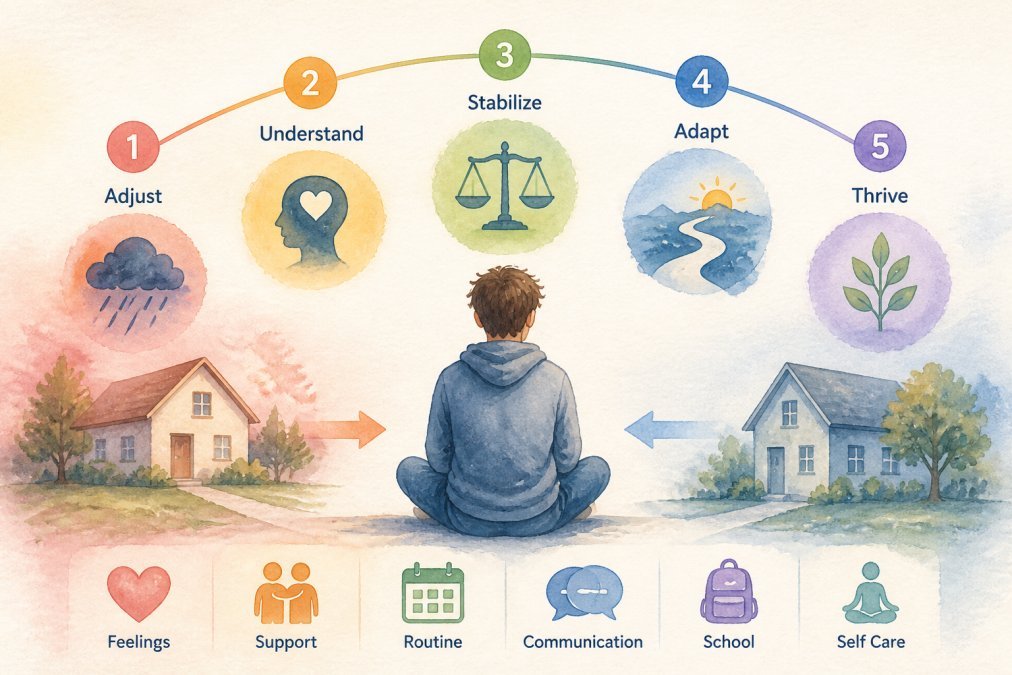
The process is non-linear. You may feel genuine compassion one week and raw fury the next. That is not failure, it is grief doing its work. Setbacks and re-grieving are a normal part of the broader stages of affair recovery, not evidence that you are broken or permanently stuck.
Most people find that forgiveness unfolds over months, sometimes longer. There is no universal timeline. What matters is the direction of travel, not the speed.
Forgiveness vs. Reconciliation: Understanding the Difference
You Can Forgive Without Staying Together
This is the distinction that cuts the most confusion, and the most pressure. Forgiving a cheating partner is an internal act. It is about releasing the grip that anger and resentment have on you, not about condoning what happened or returning to the relationship.
Forgiveness does not mean forgetting. It does not mean the affair was acceptable. It does not require you to stay. You can forgive someone completely and still decide that the relationship cannot or should not continue. Equally, you can choose to rebuild the relationship while still working through the forgiveness process, the two paths are separate.
If you are weighing up your options, deciding whether to stay or leave after infidelity is a distinct question from whether you are willing to forgive. Keeping those questions separate protects you from making either decision prematurely.
Relationship researcher Shirley Glass, in Not Just Friends, argued that affair recovery, when a couple does choose to rebuild, requires a fundamental shift in transparency: openness toward the partner rather than the affair person. That kind of honesty creates the ground on which forgiveness can eventually take root. Without it, forgiveness has nothing solid to stand on.
How to Forgive Infidelity: Practical Steps for Letting Go of Anger
Naming and Processing the Emotions First
You cannot let go of what you have not yet named. Before forgiveness becomes possible, the emotions underneath it need to be acknowledged, grief, rage, humiliation, confusion, and loss. Suppressing them does not make them smaller; it makes them louder in other ways.
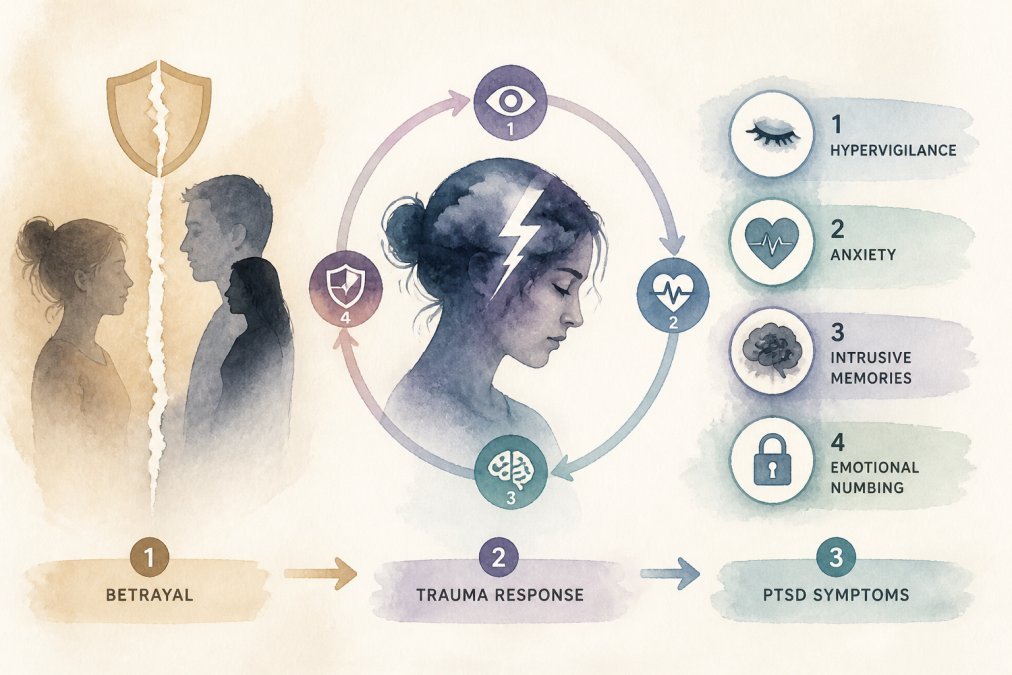
Research into betrayal trauma and its psychological impact consistently shows that the psychological symptoms of infidelity closely mirror those of relational trauma: intrusive thoughts, hypervigilance, emotional numbing. These responses are not weakness. They are the mind and body signalling that something significant was violated. They need to be met, not managed away.
Start by giving yourself permission to feel what is true. Journalling is one low-barrier tool that helps, writing out thoughts without editing them externalises the emotional weight and makes patterns easier to see.
Moving Past Resentment: Tools That Support the Journey
Moving past resentment is less about trying to feel differently and more about gradually withdrawing the emotional energy you’re investing in the wound. Some practical approaches:
- Therapeutic support, Emotionally Focused Therapy (EFT), developed by Dr Sue Johnson, is among the most evidence-supported approaches for infidelity recovery. It addresses the attachment injury at the heart of betrayal, helping people move from entrenched anger toward a state where forgiveness becomes emotionally possible.
- Setting clear boundaries, whether you are staying or leaving, knowing what you need going forward reduces the feeling of helplessness that fuels ongoing resentment.
- Limiting rumination, rumination feels productive but sustains pain. Structured reflection (journalling, therapy sessions) is more useful than open-ended mental replay.
- Practical coping strategies for betrayed partners, a range of tools exists specifically for this stage, from grounding techniques to communication frameworks.
Self-Forgiveness After Betrayal: Accepting What You Could Not Control
Releasing Self-Blame as Part of Acceptance After Betrayal
Self-forgiveness is the dimension of healing that gets the least attention, and causes some of the most sustained damage when it is neglected.
Many betrayed partners carry a quiet, persistent belief that they should have seen the signs sooner, been a better partner, or somehow prevented the affair. That self-blame is understandable, but it is not accurate. Affairs are choices made by the person who had them. They reflect that person’s decisions, not your worth or adequacy.
Understanding why affairs happen in the first place can help here. When you understand the psychological and relational factors that drive infidelity, it becomes harder to locate the blame entirely within yourself.
Self-forgiveness is not self-pity. It is the recognition that you did not control what happened, and that holding yourself responsible for it is a form of ongoing harm. Self-compassion, treating yourself with the same care you would offer a close friend in the same situation, is not a luxury at this stage. It is a prerequisite for genuine acceptance after betrayal.
When Forgiveness Feels Impossible: Infidelity Triggers and Ongoing Pain
Some days, forgiveness genuinely feels out of reach. A song, a place, an anniversary date, an unexpected social encounter, any of these can collapse months of progress in minutes. This is not regression. It is a normal feature of trauma recovery, and it does not erase the healing that has already happened.
Managing infidelity triggers that disrupt healing is a skill that develops with time and support. The goal is not to become immune to triggers, that is not realistic, but to shorten the recovery window after they hit.
On the hardest days, the task is not forgiveness. The task is getting through. Professional support matters most at these points, because a therapist can help you stay oriented toward healing even when the emotional reality makes that feel impossible. Reaching out on the difficult days is not defeat; it is exactly what professional support is there for.
Can forgiveness genuinely happen while you still feel angry or sad? Yes. Anger and sadness do not block forgiveness, they are part of its raw material. Forgiveness does not wait for the feelings to disappear. It grows alongside them, slowly shifting the weight they carry.
Moving Forward: What Life Can Look Like After Forgiving a Cheating Partner
Life after forgiving a cheating partner does not look the same for everyone, and that is the point. For some, it means rebuilding a stronger relationship on genuinely different foundations, with reconnecting with your partner after an affair as the next chapter. For others, it means leaving with clarity and without the weight of ongoing bitterness.
What both paths share: acceptance after betrayal is about reclaiming your own life and identity. It is not about erasing what happened. The affair becomes part of your history, not the defining fact of your future.
Forgiveness gives you back your attention, the mental and emotional energy that resentment was consuming. That energy belongs to you. How you use it is entirely your choice.
If you are at any point in this journey and want structured, personalised support, After the Affair UK offers a free assessment tool and a dedicated affair recovery programme designed to meet you wherever you are. You do not have to navigate this alone, and you do not have to have it figured out before you reach out.