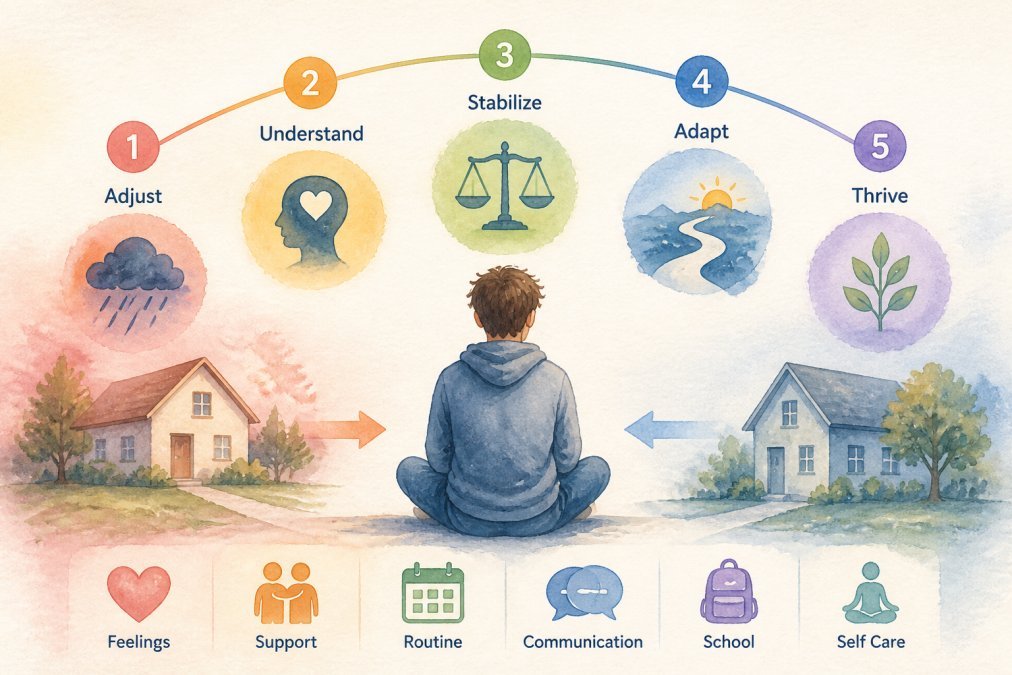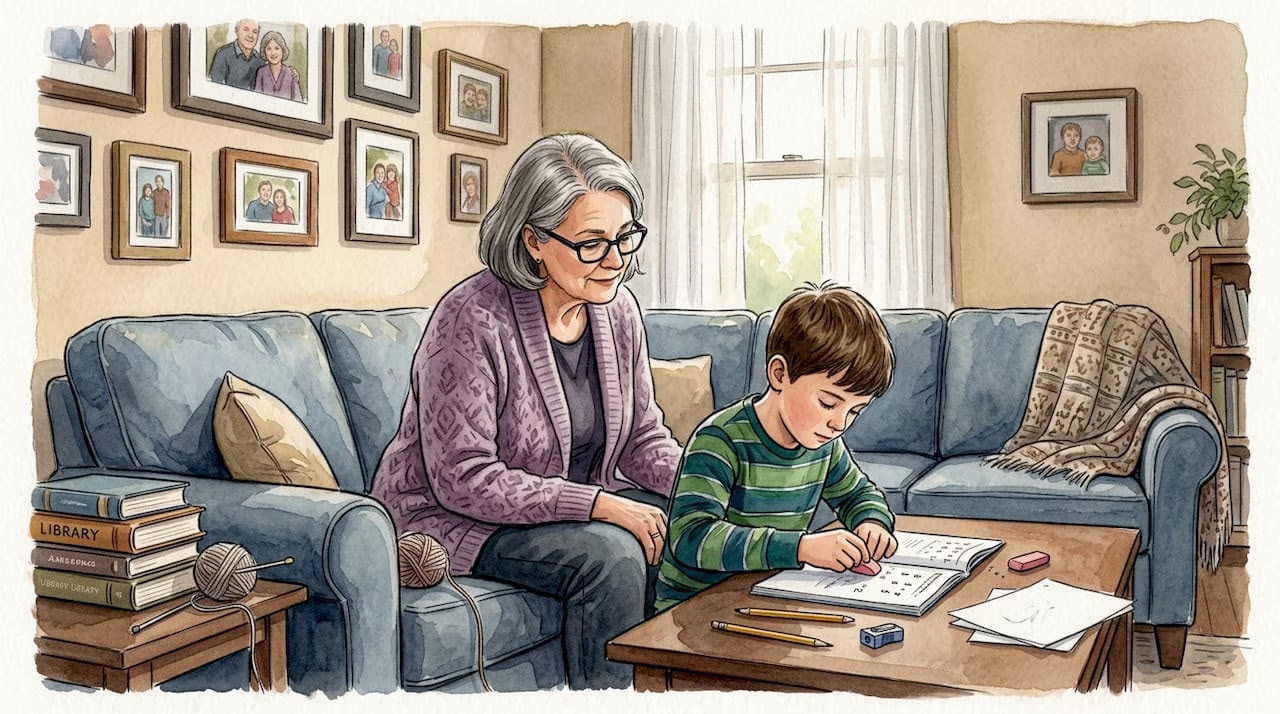
Approximately 2.4 to 2.7 million grandparents across the United States are raising their grandchildren full time due to parental substance abuse, incarceration, or other family crises. This caregiving role brings unique emotional, legal, and financial challenges that many grandparents never anticipated. You’re not alone in this journey, and understanding the scope of your experience is the first step toward finding support. This guide offers practical strategies for navigating co-parenting roles, managing emotional complexities, and accessing vital resources that can help your family thrive.
- Key Takeaways
- Understanding the scope and challenges of grandparent caregiving
- Navigating emotional complexities and co-parenting roles
- Promoting healthy family dynamics and accessing vital resources
- Support for navigating complex family challenges
- Frequently asked questions about grandparents in co-parenting roles
- Recommended
Key Takeaways
| Point | Details |
|---|---|
| Scope of caregiving burden | About 2.4 to 2.7 million grandparents raise grandchildren full time due to family crises, creating unexpected emotional, legal, and financial demands. |
| Legal custody barriers | Only 5 percent have formal legal custody, which limits medical decisions, school enrollment, and access to benefits. |
| Health and financial toll | Caregivers report high rates of depression (25%), health decline (33%), insomnia (70%), and poverty (20%), illustrating the health and economic toll. |
| Emotional complexity in co parenting | Grandparents often experience grief, anger, and guilt while balancing love for grandchildren and the need to set boundaries with their adult children. |
Understanding the scope and challenges of grandparent caregiving
The reality of grandparent caregiving extends far beyond occasional babysitting. About 2.4 to 2.7 million grandparents have stepped into full time parenting roles primarily due to parental substance abuse, incarceration, mental illness, or abandonment. This shift happens suddenly for most families, leaving grandparents to navigate complex systems without preparation or warning.
The legal landscape creates significant barriers for many caregiving grandparents. Only 5% have formal legal custody, which limits their ability to make medical decisions, enroll children in school, or access government benefits. Without custody or guardianship, you may find yourself unable to authorize routine medical care or sign permission slips. This legal ambiguity forces many grandparents into frustrating bureaucratic battles while simultaneously managing the daily demands of raising children.
| Challenge Category | Impact Statistics | Common Barriers |
|---|---|---|
| Mental health | 25% experience depression | Limited access to counseling, stigma |
| Physical health | 33% report health decline | Inadequate insurance, caregiving demands |
| Sleep quality | 70% suffer from insomnia | Stress, worry, physical exhaustion |
| Economic stability | 20% live in poverty | Fixed incomes, unexpected expenses |
The health and economic toll on grandparent caregivers is substantial. Grandparent caregivers report high rates of depression (25%), health decline (33%), insomnia (70%), and poverty (20%). These statistics reveal how caregiving responsibilities compound existing age related challenges. You may find yourself postponing medical appointments, skipping medications to afford school supplies, or sacrificing social connections to meet children’s needs.
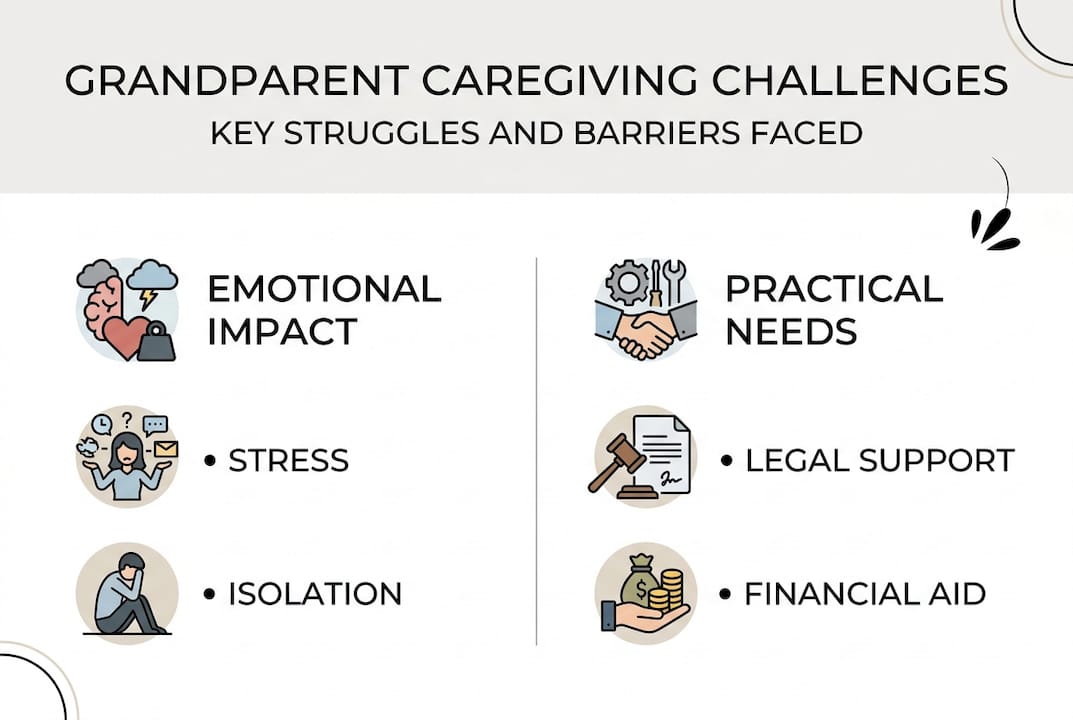
Financial strain affects nearly every aspect of grandfamily life. Many grandparents live on fixed retirement incomes that weren’t designed to support growing children. Unexpected expenses like school fees, sports equipment, and clothing quickly deplete savings. Housing costs may increase if you need to move to a larger space or better school district. These pressures create daily stress that affects your health and your ability to provide stable care.
Common caregiving challenges grandparents face:
- Navigating school systems and advocating for educational services without legal custody documentation
- Managing behavioral issues stemming from trauma or parental separation
- Balancing healthcare needs for both yourself and your grandchildren on limited budgets
- Addressing questions about family structure from peers, teachers, and community members
- Maintaining relationships with adult children while setting boundaries around grandchildren’s care
“The hardest part isn’t the physical demands of parenting again. It’s the emotional weight of knowing your own child couldn’t be there for their kids, and now you’re picking up pieces you never expected to hold.”
Recognizing these challenges helps reduce the isolation many grandparents feel. Your experience is valid, and understanding the scope of what you’re managing is essential for seeking appropriate support. The techniques for grandparent caregivers can help you develop coping strategies that address both practical and emotional dimensions of your role.
Navigating emotional complexities and co-parenting roles
Stepping into a primary parenting role for your grandchildren triggers complex emotions that many grandparents struggle to name or process. You may experience grief over your adult child’s inability to parent, anger at circumstances that forced this change, or guilt about past parenting decisions. These feelings coexist with love for your grandchildren and determination to provide them stability, creating an emotional landscape that shifts constantly.
Role ambiguity compounds emotional stress. You’re simultaneously a grandparent, parent figure, and possibly mediator between your grandchildren and their biological parents. This blurred boundary creates confusion about authority, discipline, and decision making. Emotional complexities include role ambiguity, grief over adult child’s parenting failures, and parenting style clashes that therapy and support groups help address.
Generational differences in parenting approaches often surface as sources of tension. You may prefer traditional discipline methods while your adult child advocates for gentle parenting, or vice versa. These conflicts become particularly challenging when your adult child remains involved but inconsistent in their parenting role. Disagreements about screen time, bedtime routines, dietary choices, and discipline strategies can escalate quickly without clear communication frameworks.
Effective strategies for managing co-parenting dynamics:
- Establish weekly family meetings to discuss schedules, concerns, and upcoming decisions
- Create written agreements about major parenting decisions like education, healthcare, and religious upbringing
- Use neutral language when discussing the biological parent with grandchildren
- Set clear visiting schedules that provide consistency for children
- Identify non-negotiable boundaries around safety, respect, and household rules
- Document important conversations and agreements to prevent misunderstandings
The ‘3 Cs’ of co-parenting provide a practical framework: consult, collaborate, and communicate with other caregivers to clarify roles and set healthy boundaries. Consultation means discussing major decisions before implementing them. Collaboration involves finding compromise solutions that serve children’s best interests. Communication requires regular, honest conversations about expectations, concerns, and successes.
Pro Tip: Schedule a monthly “state of the family” conversation with all involved caregivers. Use this dedicated time to address emerging issues before they become crises, celebrate wins, and adjust strategies that aren’t working. Keep these meetings focused on the children’s needs rather than past grievances.
Support groups offer validation and practical wisdom from others navigating similar challenges. Connecting with grandparents who understand your experience reduces isolation and provides tested strategies for common problems. Many support groups meet virtually, making participation easier if transportation or scheduling creates barriers. Professional therapy can help you process grief, manage stress, and develop communication skills specific to your family dynamics.
The parallel parenting method benefits become relevant when high conflict makes collaboration difficult. This approach minimizes direct contact between co-parents while maintaining consistency for children. If your relationship with your adult child involves frequent arguments or undermining behaviors, parallel parenting creates structure that protects everyone’s emotional wellbeing. You can explore co-parenting transition guidance when you’re ready to shift toward more collaborative approaches.
Promoting healthy family dynamics and accessing vital resources
Despite the challenges inherent in grandfamily structures, research demonstrates positive outcomes for children raised by grandparents. Children raised by grandparents have 15% higher high school graduation rates than those in non-relative foster care. This statistic reflects the stability, cultural continuity, and emotional security that kinship care provides. Your commitment to raising your grandchildren creates measurable advantages in their educational trajectory and overall development.
However, accessing support systems designed for grandfamilies remains frustratingly difficult. Only 1 in 10 grandparent caregivers access kinship programs, despite widespread need. This gap exists due to limited program availability, complex eligibility requirements, and lack of awareness about existing resources. Self-care and communication practices become essential for maintaining healthy family dynamics when formal support proves elusive.
| Care Approach | Grandfamily Focus | Traditional Foster Care Focus |
|---|---|---|
| Relationship foundation | Existing family bonds, cultural continuity | New relationships, system navigation |
| Caregiver support | Kinship navigators, grandparent support groups | Foster parent training, agency caseworkers |
| Legal structure | Informal care, guardianship, custody | State custody, foster placement |
| Educational outcomes | 15% higher graduation rates | Lower completion rates |
| Stability measures | Fewer placement disruptions | Higher placement changes |
Self-care isn’t selfish when you’re managing the demands of full time caregiving. You need adequate sleep, regular medical care, social connections, and time for activities that restore your energy. Many grandparents sacrifice these basics, believing that good caregivers prioritize children’s needs exclusively. This mindset leads to burnout, resentment, and declining health that ultimately compromises your ability to provide consistent care.
Essential self-care practices for grandparent caregivers:
- Schedule annual health screenings and follow up appointments without canceling for childcare conflicts
- Build a respite care network through family, friends, or formal programs
- Maintain at least one hobby or social activity separate from grandchildren
- Practice saying no to requests that exceed your capacity
- Join online or in-person support groups for emotional validation
- Seek counseling to process complex emotions around your caregiving role
National organizations provide targeted resources specifically designed for grandfamilies. National resources include Generations United, AARP GrandFamilies, kinship navigators, support groups, and legal aid services. Generations United advocates for policies supporting kinship families and maintains a comprehensive resource directory. AARP GrandFamilies offers state specific information about legal options, financial assistance, and support programs.
Kinship navigator programs connect grandparents with services, benefits, and support systems in their communities. These navigators understand the unique challenges of raising grandchildren and can help you access everything from food assistance to educational advocacy. Legal aid organizations provide free or low cost help with custody, guardianship, and adoption proceedings. Many operate hotlines or online intake systems that make initial consultation accessible.
Pro Tip: Create a family resilience folder containing important documents (birth certificates, medical records, school information), emergency contacts, and a list of accessed resources. Update this folder quarterly and share its location with a trusted family member. This preparation reduces crisis stress and ensures continuity if you become temporarily unable to manage daily tasks.
Building resilience in your grandchildren requires acknowledging their losses while creating new stability. Children in your care have experienced trauma through parental absence, whether due to substance abuse, incarceration, mental illness, or death. They need age appropriate explanations, permission to feel complex emotions, and consistent routines that signal safety. Therapy specifically designed for children processing parental separation can prevent long term emotional difficulties.
The parallel parenting success stories demonstrate how structured approaches help families navigate high conflict situations while protecting children’s wellbeing. Learning about parallel parenting health benefits can inform your decisions about managing relationships with biological parents when collaboration proves impossible.
Support for navigating complex family challenges
Raising grandchildren often intersects with other family crises that create emotional turmoil and relationship strain. The After the Affair Series offers evidence based resources for processing trauma, rebuilding trust, and creating healthy relationship patterns amid complex family dynamics. While the series focuses on infidelity recovery, the frameworks for emotional healing and communication apply directly to the challenges you face as a grandparent caregiver.

Our guides provide step by step strategies for managing grief, setting boundaries, and fostering resilience in yourself and your family members. The parallel parenting method benefits explored in our resources can help you structure co-parenting relationships that minimize conflict while maintaining consistency for children. You’ll find practical tools for navigating difficult conversations, processing complex emotions, and building family systems that support everyone’s wellbeing. Explore our resource library for comprehensive support materials, or discover how relationship growth after infidelity principles apply to healing family bonds strained by crisis.
Frequently asked questions about grandparents in co-parenting roles
How can grandparents establish legal custody for their grandchildren?
You can pursue guardianship, custody, or adoption depending on your situation and state laws. Guardianship provides legal authority for medical and educational decisions without terminating parental rights, while custody offers more comprehensive control. Contact local legal aid organizations for free consultations about which option best serves your family’s needs and how to navigate court processes.
What are effective communication strategies for co-parenting with adult children?
Use the ‘3 Cs’ framework by consulting before major decisions, collaborating on solutions, and communicating regularly about schedules and concerns. Keep conversations focused on children’s needs rather than past conflicts. Document agreements in writing and establish consistent meeting times to address issues before they escalate into crises.
How do grandparents access support groups and kinship navigation programs?
Contact your local Area Agency on Aging, family services department, or search the Generations United database for programs in your region. Many support groups now meet virtually, expanding access beyond geographic limitations. AARP GrandFamilies maintains state specific resource lists that include kinship navigator contact information and support group schedules.
What are signs of caregiver burnout and ways to prevent it?
Watch for persistent exhaustion, irritability, withdrawal from social activities, neglecting your own health needs, or feeling resentful toward your grandchildren. Prevent burnout by building a respite care network, maintaining regular self-care practices, joining support groups for emotional validation, and seeking professional counseling when stress becomes overwhelming. Remember that caring for yourself enables you to care for your grandchildren effectively.
How can grandparents promote resilience in grandchildren despite challenging family dynamics?
Create consistent routines that provide predictability and safety, offer age appropriate explanations about family changes, and validate their complex emotions without judgment. Connect children with therapy services specializing in trauma and family transitions. Model healthy coping strategies and maintain open communication about their feelings. The prepare kids for co-parenting guidance offers additional frameworks for supporting children through family restructuring.
Recommended
- Parallel Parenting With a Narcissist – After the Affair Series
- Age-specific Co-parenting Transition – After the Affair Series
- Parallel to Co-parenting Transition – After the Affair Series
- Co-Parenting Transition – After the Affair Series