TL;DR:
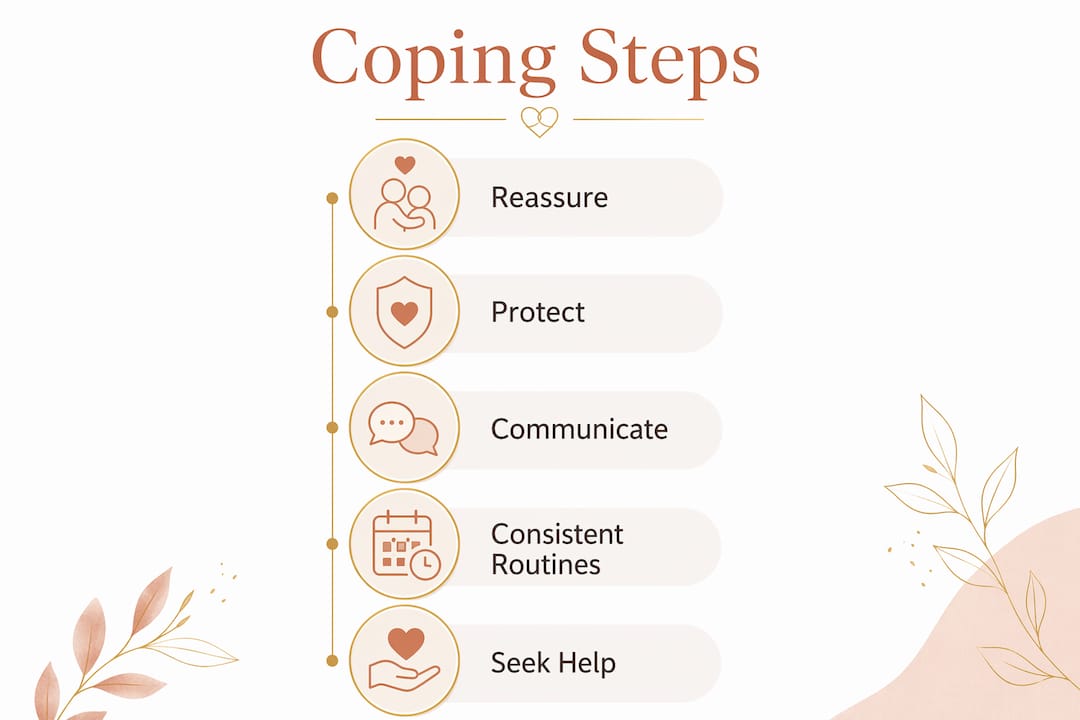
- Children cope best with household infidelity when they receive age-appropriate reassurance, maintain routines, and are protected from adult conflict.
- Effective communication focuses on safety and love, avoiding details that overwhelm or undermine trust.
- Parents should prioritize emotional safety and stability to foster resilience and seek professional help if distress persists.
- How can children emotionally cope with infidelity in their households?
- How to protect children from adult conflict at home
- How to teach children emotional self-regulation after infidelity
- When should you seek professional help for your child?
- Key takeaways
- What I’ve learned about protecting children through infidelity
- FAQ
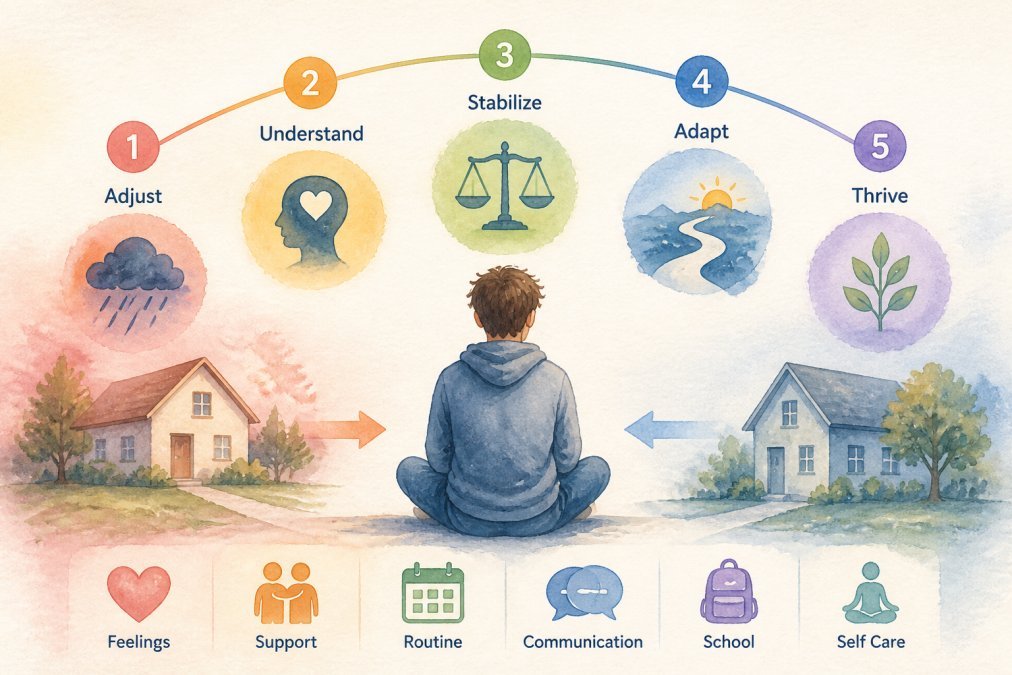
Children emotionally cope with infidelity in their households most effectively when they receive age-appropriate reassurance, maintain stable daily routines, and are shielded from adult conflict. The clinical term for this protective approach is trauma-informed co-parenting, and it applies whether the household stays intact or separates. What children need most is not a full explanation of what happened. They need to know they are safe, loved, and not responsible. The strategies below are drawn from child psychology research and give you a clear, practical path forward.
How can children emotionally cope with infidelity in their households?
The foundation of children’s coping is emotional safety, not information. According to research from Empathi, children need a brief, developmentally appropriate message that focuses on their security and confirms the infidelity is not their fault. A phrase like “trust has been broken and we are working through it” gives children enough context without burdening them with adult details. This approach protects their sense of stability while still being honest.
What parents say matters as much as what they leave out. Children’s understanding should match their emotional capacity, avoiding graphic details and keeping the focus on security and love. A toddler needs only to hear that both parents love them and that home is safe. A school-age child may ask more direct questions and needs calm, consistent answers. A teenager can handle slightly more context but still does not need to know the specifics of the affair.
Tailoring your message by developmental stage prevents two common mistakes: over-explaining to young children, which creates anxiety, and under-explaining to teenagers, which creates distrust. Use neutral language throughout. Avoid blame, even if you feel it strongly. Children who hear one parent criticized by the other internalize guilt and divided loyalty, which compounds their distress significantly.
Pro Tip: Before speaking to your child, write down three sentences that explain the situation without assigning blame. Practice saying them aloud until they feel natural. Rehearsed calm is far more reassuring to a child than improvised honesty.
Here is a quick reference for age-appropriate communication:
- Toddlers (ages 2 to 5): “Mommy and Daddy are having some grown-up problems, but we both love you very much.”
- School-age children (ages 6 to 12): “Something happened between us that we are working to fix. It has nothing to do with you.”
- Teenagers (ages 13 and up): “Our relationship is going through something serious. We are getting help, and we want you to know you can talk to us.”
How to protect children from adult conflict at home
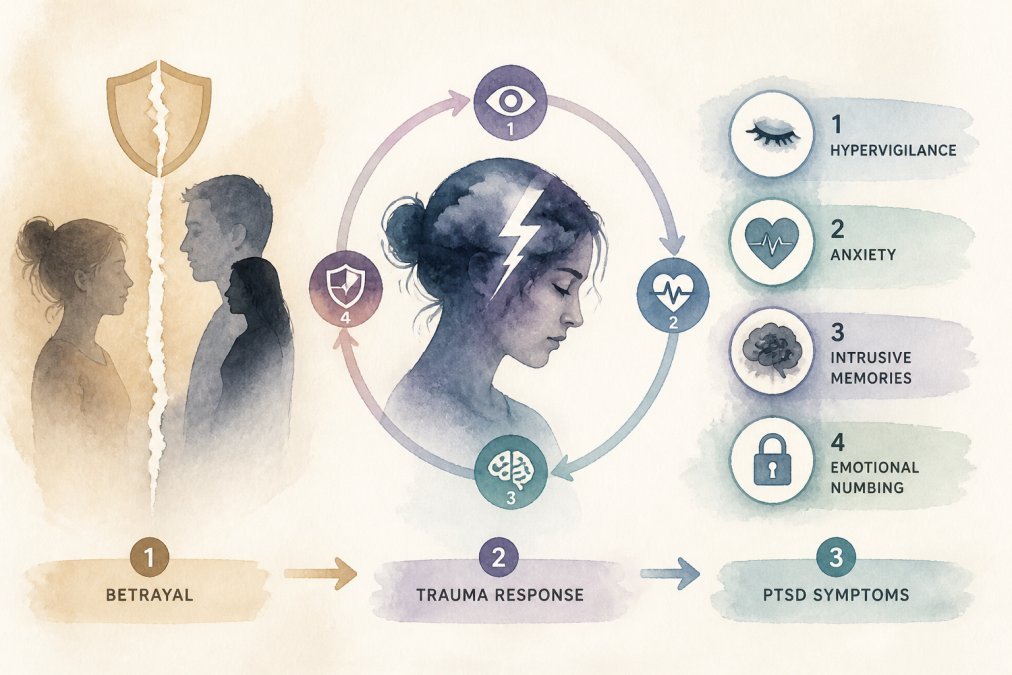
High-conflict parental disputes are one of the most damaging forces in a child’s recovery from household infidelity. Research from the Child Mind Institute confirms that keeping adult conflict away from children reduces internalized blame and protects their mental health directly. Children who witness repeated arguments between parents show higher rates of anxiety, depression, and behavioral problems. The conflict itself, not the infidelity, is often the primary source of ongoing harm.
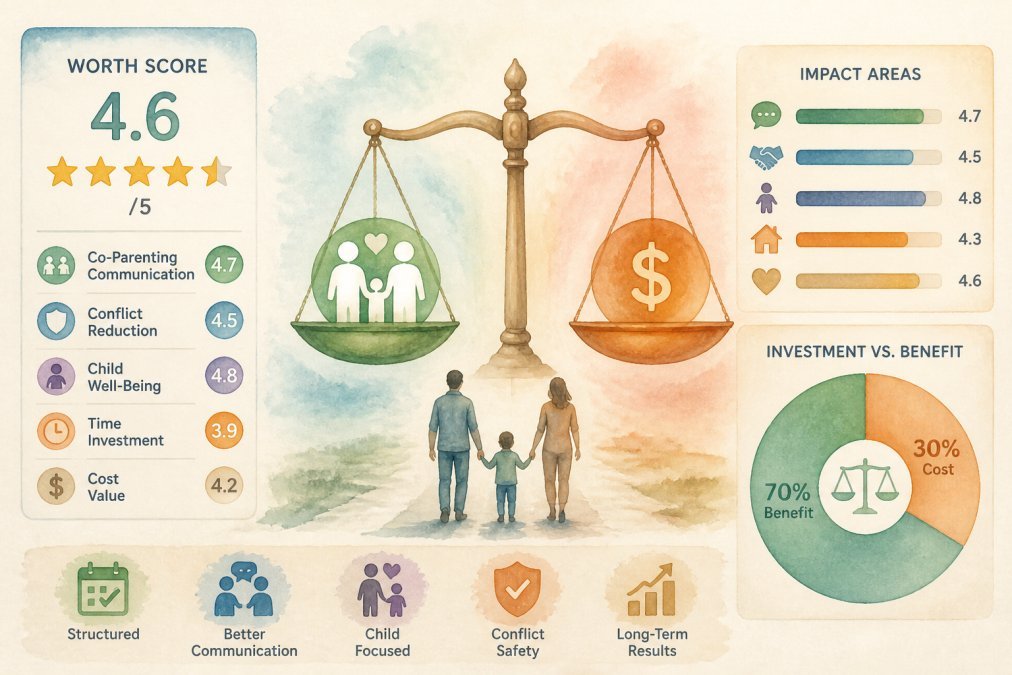
The most effective structural protection is a shared narrative agreed upon before either parent speaks to the children. Agreeing on a shared narrative and establishing explicit conflict boundaries prevents children from feeling forced to take sides or fill in gaps with their own fearful assumptions. This does not require the two of you to be on good terms. It requires a brief, written agreement on what you will both say and what topics stay between adults.
Practical conflict management strategies include:
- Conduct all difficult conversations with your co-parent by text or email, not in front of children.
- Designate a “child-free zone” in your communication, meaning any topic that involves the affair itself stays out of exchanges that children might overhear.
- Use a co-parenting app such as OurFamilyWizard or TalkingParents to keep records and reduce heated real-time exchanges.
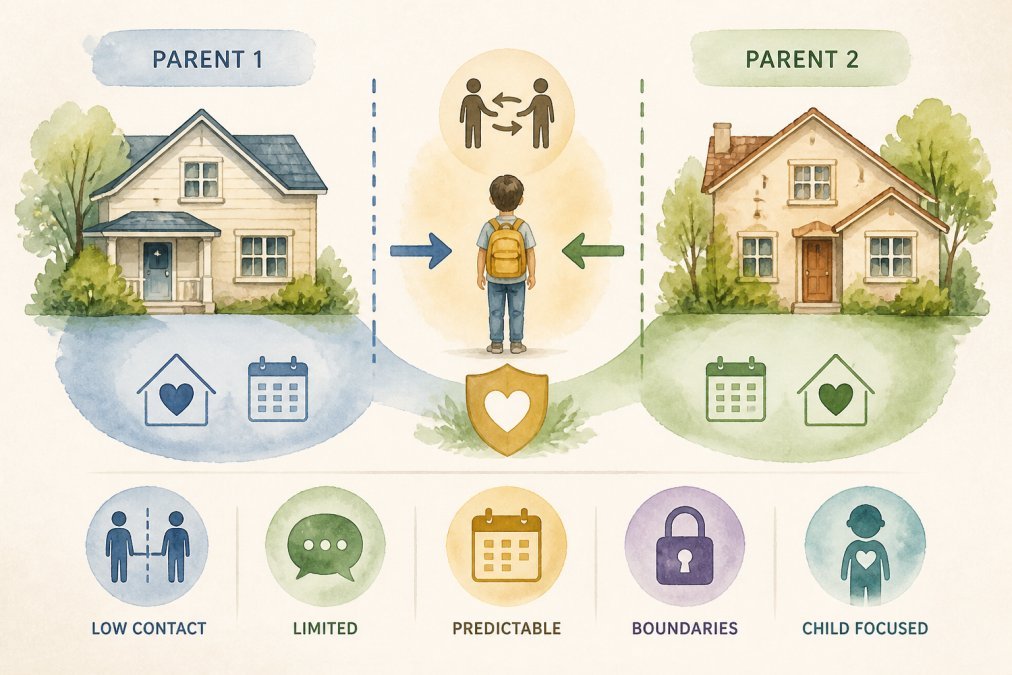
- Agree on consistent rules, bedtimes, and expectations across both households so children do not experience two conflicting realities.
- If direct communication is too volatile, consider a parent coordinator or mediator to manage logistics.
Pro Tip: If you feel the urge to vent about your co-parent to your child, treat it as a signal that you need adult support, not that your child needs more information. Call a therapist, a trusted friend, or reach out to a resource like Aftertheaffair before that conversation happens.
| High-conflict behavior | Lower-conflict alternative |
|---|---|
| Arguing in front of children | Scheduling adult conversations after bedtime |
| Criticizing the other parent openly | Using neutral language: “We disagree on some things” |
| Sharing affair details with older kids | Keeping details between adults and therapists |
| Using children as messengers | Communicating directly via app or email |
Maintaining consistent routines and stability across homes after infidelity supports children’s sense of safety in a measurable way. Consistency in rules, schedules, and parenting style reduces anxiety and builds resilience over time. You can find more guidance on this at Aftertheaffair’s resource on supporting kids in two homes.
How to teach children emotional self-regulation after infidelity
Emotional self-regulation is the ability to recognize, manage, and recover from difficult feelings without becoming overwhelmed. For children in infidelity-affected households, this skill is not optional. It is the difference between a child who develops resilience and one who carries unresolved anxiety into adulthood.
The Child Mind Institute describes a coaching method called scaffolding, where coaching children through difficult emotions with gradual support allows them to develop self-regulation independently over time. The process works in steps: first, you name the emotion your child is experiencing. Second, you validate it without judgment. Third, you help them identify one small action that makes the feeling more manageable. Over repeated practice, children internalize this sequence and begin using it without prompting.
Effective self-regulation tools for children include:
- Emotion journaling. Give children a dedicated notebook to write or draw their feelings. For younger children, emotion cards with faces work well as a starting point.
- Mindfulness breathing. Teach a simple technique: breathe in for four counts, hold for four, breathe out for four. This activates the parasympathetic nervous system and reduces acute distress.
- Physical outlets. Running, swimming, or team sports give children a structured way to discharge emotional energy that has no other exit.
- Trusted confidants. Identify one adult outside the immediate household, such as a grandparent, school counselor, or family friend, who the child can speak to freely.
- Therapeutic play. For younger children, play therapy allows emotional processing through a medium that feels natural and non-threatening.
Therapeutic approaches like Dialectical Behavior Therapy (DBT) and mindfulness-based interventions are effective interventions for emotional regulation in children facing family disruption. These are not reserved for crisis situations. They are practical skill-building frameworks that any parent can introduce at home with guidance. Aftertheaffair’s resource on building kids’ resilience covers several of these approaches in more depth.
Pro Tip: Model the behavior you want to see. When you feel overwhelmed, say aloud: “I’m feeling frustrated right now, so I’m going to take five deep breaths.” Children learn emotional regulation by watching adults practice it, not just by being told to do it.
When should you seek professional help for your child?
Some children process infidelity-related stress with the support of attentive parents and stable routines. Others show signs that indicate they need professional intervention. Recognizing the difference early prevents short-term distress from becoming long-term psychological harm.
Watch for these indicators of sustained distress:
- Withdrawal from friends, family, or activities they previously enjoyed
- Sudden drops in academic performance or school refusal
- Increased aggression, defiance, or emotional outbursts disproportionate to the trigger
- Physical complaints with no medical cause, such as stomachaches or headaches
- Sleep disturbances, nightmares, or regression to younger behaviors (bedwetting, thumb-sucking)
- Expressing guilt or responsibility for the family’s problems
Professional counseling benefits children showing sustained distress or complicated emotions due to infidelity and family upheaval. Trauma-focused Cognitive Behavioral Therapy (TF-CBT) is one of the most well-researched approaches for children processing family trauma. It helps children identify distorted thinking patterns, process grief and anger safely, and build coping skills with a trained therapist’s guidance.
Family counseling is a parallel option that addresses the relational dynamics rather than just the individual child. A family therapist can facilitate conversations that feel too charged for parents to manage alone. For households where co-parenting conflict remains high, a parent coordinator, a mental health professional with legal authority to make binding recommendations, can reduce the child’s exposure to ongoing disputes. Early intervention consistently produces better outcomes than waiting until a child’s distress becomes a crisis.
Key takeaways
Children cope best with household infidelity when parents prioritize emotional safety, consistent routines, and age-appropriate honesty over full disclosure.
| Point | Details |
|---|---|
| Lead with reassurance | Tell children the infidelity is not their fault and that both parents still love them. |
| Match message to age | Toddlers need safety statements; teenagers can handle slightly more context, never affair details. |
| Shield from adult conflict | Agree on a shared narrative and keep disputes out of children’s earshot entirely. |
| Build self-regulation skills | Use scaffolding, journaling, mindfulness, and physical outlets to help children manage emotions. |
| Seek therapy early | TF-CBT and family counseling prevent short-term distress from becoming long-term harm. |

What I’ve learned about protecting children through infidelity
Working in infidelity recovery, the pattern I see most often is parents who underestimate how much their behavior toward each other shapes their child’s recovery. Parents focus on finding the right words to explain the affair. But children are not primarily processing the information. They are processing the emotional atmosphere of the home.
A child who hears a calm, brief explanation and then watches their parents treat each other with basic decency will recover far more effectively than a child who receives a “perfect” explanation followed by months of visible hostility. Emotional safety and decency between parents provide the strongest foundation for children’s resilience through infidelity. That finding should shift where parents direct their energy.
The other thing I want to say directly: you do not have to be fully healed to be a good parent right now. You need to be functional enough to contain your own distress before it spills onto your child. That is a lower bar than it sounds, and it is achievable with the right support. Modeling emotional regulation, even imperfectly, teaches your child more than any conversation about feelings ever will. Consistency and patience, not perfection, are what children need from you in this period.
— S.J.Howe
Resources to help your family heal
Aftertheaffair offers structured, evidence-informed resources built specifically for families working through infidelity recovery. If you are trying to protect your children while managing your own grief and confusion, the 7-step recovery checklist gives you a clear sequence to follow so nothing critical gets missed. For parents focused on rebuilding trust and emotional connection within the family, the relationship growth guide addresses both adult healing and the family dynamics that directly affect your children. Aftertheaffair also covers the emotional impact on children in detail, with practical strategies you can apply immediately.
FAQ
How do I explain infidelity to a young child?
Keep it brief, neutral, and focused on safety. A phrase like “trust was broken between us and we are working on it” gives young children enough context without exposing them to adult details they cannot process.
What are the signs my child is struggling after infidelity at home?
Watch for withdrawal, sleep problems, academic decline, physical complaints without medical cause, or expressions of guilt about the family situation. Any of these sustained for more than two weeks warrants a conversation with a school counselor or child therapist.
Does infidelity always cause lasting harm to children?
Not necessarily. Research shows that children’s resilience depends heavily on the level of conflict they are exposed to, not the infidelity itself. Parents who manage their conflict and maintain stable routines significantly reduce the risk of long-term psychological harm.
What type of therapy works best for children affected by infidelity?
Trauma-focused Cognitive Behavioral Therapy (TF-CBT) is the most researched option for children processing family trauma. Family counseling is also effective when the relational dynamics between parents and children need direct attention.
Should I tell my child’s school about what is happening at home?
Yes, in general terms. Informing a school counselor that the family is going through a difficult period allows teachers to monitor for behavioral changes and provide additional support without requiring you to share private details.
Recommended
- How to Emotionally Prepare Kids for Parenting Changes After Infidelity – After the Affair Series
- How Infidelity Affects Children – After the Affair Series
- Child’s Struggle After Infidelity – After the Affair Series