TL;DR:
- A structured healing workflow provides clarity, predictability, and reduces confusion after infidelity.
- Recovery involves navigating overlapping emotional stages with patience and ongoing emotional safety.
- Setbacks are normal; maintaining boundaries, patience, and seeking support promote long-term growth.
- Key Takeaways
- Understanding the aftermath: Why structure matters for healing
- Preparation: Setting up the foundation for healing
- Execution: Step-by-step healing workflow for couples
- Troubleshooting: Overcoming common roadblocks during healing
- What most guides miss: Healing is not a straight line
- Frequently asked questions
Infidelity tears through a relationship like a fault line, leaving both partners disoriented, grieving, and unsure where to even begin. The betrayed partner faces shattered trust, while the one who strayed often wrestles with guilt and shame that make honest conversation feel impossible. Without a clear path forward, couples frequently cycle through the same painful arguments, making little real progress. A healing workflow changes that. It gives you a structured, evidence-informed process that reduces the guesswork, lowers anxiety, and creates the conditions where genuine recovery becomes possible. This guide walks you through each phase, from stabilization to long-term growth.
Key Takeaways
| Point | Details |
|---|---|
| Structured healing matters | A defined workflow helps couples recover trust and stability after infidelity. |
| Preparation is key | Emotional safety and boundaries lay the groundwork for successful recovery. |
| Stepwise progress | Following clear stages can help couples navigate complex emotional terrain. |
| Expect setbacks | Roadblocks are normal; the right mindset and support turn them into growth opportunities. |
| Resources support healing | Checklists, guides, and expert advice strengthen relationship recovery. |
Understanding the aftermath: Why structure matters for healing
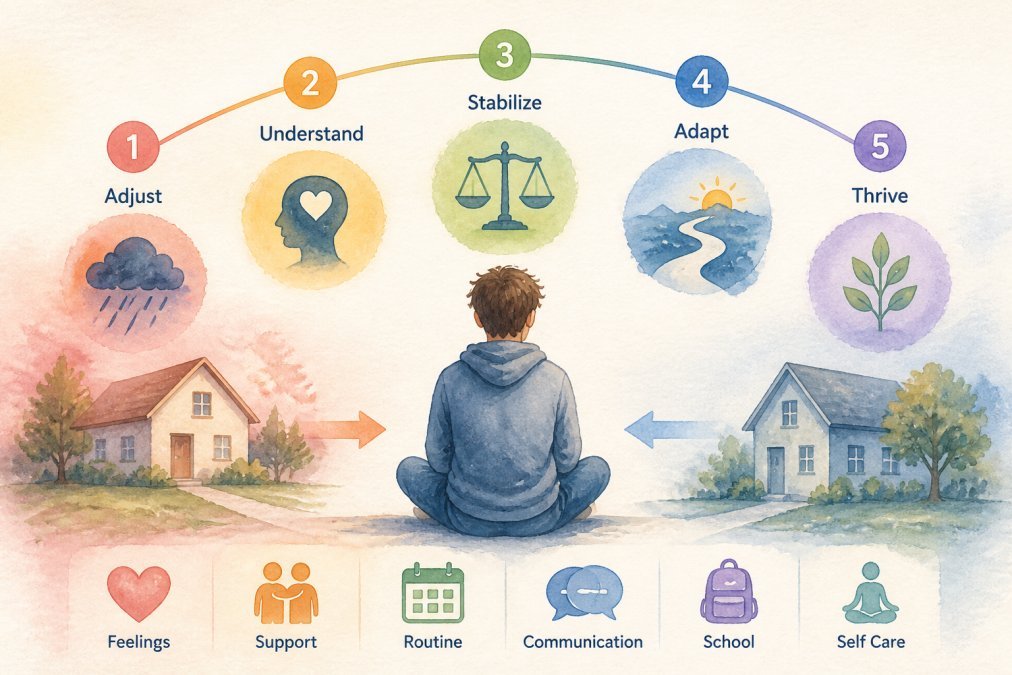
Before you can rebuild anything, you need to understand what infidelity actually does to a couple emotionally. The experience rarely follows a clean, predictable path. Most couples move through overlapping stages: shock and disbelief, denial, intense anger, grief, negotiation, and eventually some form of acceptance. These stages don’t arrive in order, and they don’t stay neatly in their lanes.
What makes recovery so difficult is that both partners are often in different emotional stages at the same time. One partner may be ready to talk about the future while the other is still deep in grief. Without structure, those mismatches turn into arguments, and unresolved arguments harden into patterns that push couples further apart rather than closer together.
This is exactly why a defined healing workflow matters. Structured workflows improve recovery outcomes for couples after betrayal by providing clarity, predictability, and a shared language for what is happening. Couples who use structured support are 50% more likely to report improved trust after one year compared to those who try to navigate recovery without guidance.
Understanding the benefits of therapy is a strong starting point, but structure also helps couples who are not yet ready for formal therapy. Even a self-guided workflow creates the scaffolding needed for coping after infidelity without feeling completely overwhelmed.
Common emotional states after infidelity
| Emotional state | Common symptoms | Suggested intervention |
|---|---|---|
| Shock | Numbness, disbelief, inability to focus | Grounding exercises, limit major decisions |
| Anger | Rage, resentment, verbal outbursts | Structured time-outs, journaling |
| Grief | Sadness, loss of identity, crying | Compassionate listening, individual therapy |
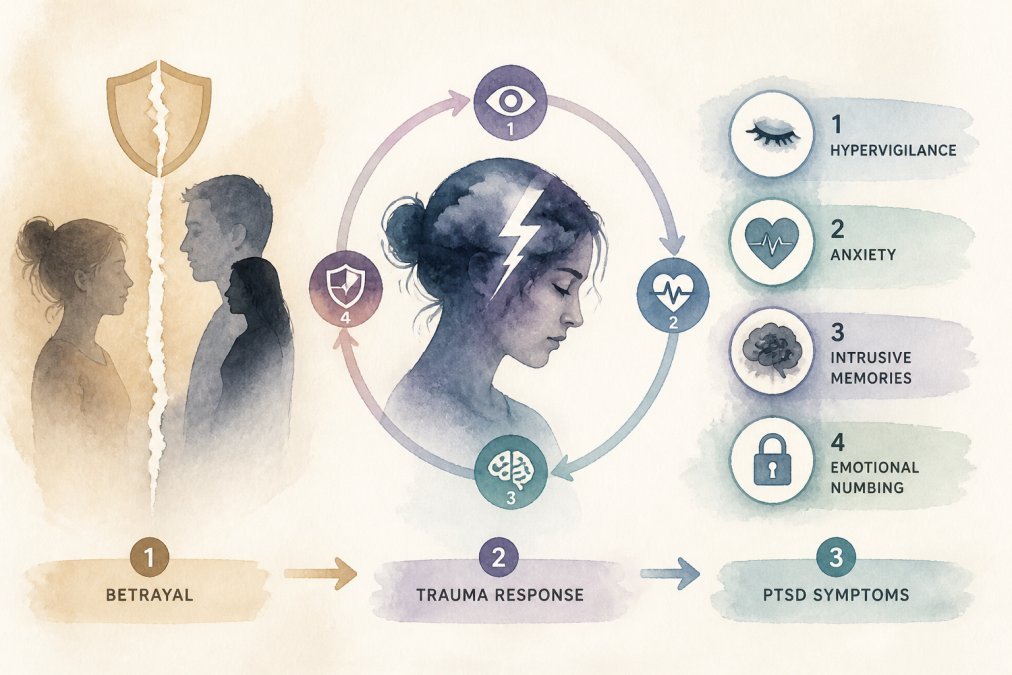
| Anxiety | Hypervigilance, intrusive thoughts | Mindfulness, breathing techniques |
| Negotiation | Bargaining, conditional thinking | Couples counseling, boundary setting |
For couples pursuing relationship growth after infidelity, the table above is a useful reference point when you feel stuck or confused about what you are experiencing.
Pro Tip: Focus on stabilization first. Do not try to make permanent decisions about the relationship, such as whether to stay or leave, until both of you have moved out of the acute shock phase.
Preparation: Setting up the foundation for healing
Once you understand the emotional terrain, the next step is gathering the tools you need before the real work begins. Jumping straight into heavy conversations without preparation is one of the most common mistakes couples make. It almost always leads to emotional flooding, which is when feelings become so intense that rational thinking shuts down.
Three essential prerequisites form the foundation of any healing workflow:
- Emotional safety. Both partners need to feel that conversations will not become attacks. Agree on a signal word that either person can use to pause a conversation that is becoming destructive.
- Open, scheduled communication. Rather than letting difficult topics ambush you at random moments, set aside dedicated times to talk. This reduces anxiety because both partners know when the hard conversations will happen.
- A support network. Identify at least one trusted person outside the relationship, whether a therapist, counselor, or support group, who can provide perspective.
Mindfulness practices can support emotional regulation during early recovery, making it easier to stay present during difficult conversations rather than reacting from a place of pure pain. Incorporating mindfulness in healing does not require hours of meditation. Even five minutes of intentional breathing before a scheduled conversation can lower the emotional temperature significantly.
Support options compared
| Approach | Best for | Key benefit | Limitation |
|---|---|---|---|
| Professional therapy | Deep trauma, complex dynamics | Expert guidance | Cost, availability |
| Support groups | Shared experience, validation | Community and belonging | Less personalized |
| Self-structured approach | Motivated couples with mild conflict | Flexible, low-cost | Requires high discipline |
The role of boundaries during this preparation phase cannot be overstated. Boundaries are not walls. They are agreements that protect both partners while healing is underway. Couples who skip this step often find that conversations collapse into blame before anything productive can happen. Taking time to rebuild self-esteem individually also strengthens the foundation you are building together.
Pro Tip: Use a “pause and reflect” rule. If either partner feels the conversation shifting toward blame or defensiveness, anyone can call a 20-minute pause. Resume only when both people feel grounded again.
Execution: Step-by-step healing workflow for couples
With your foundation in place, you are ready to move through the core workflow. Think of this as a living process, not a checklist you complete once and file away.
- Safety and stabilization. Establish emotional and physical safety. Agree on what behaviors are off-limits during recovery, including contact with the affair partner.
- Story sharing. The betrayed partner needs space to share how the discovery affected them. The partner who strayed listens without defending. This is not about debate. It is about being heard.
- Emotional validation. Both partners practice acknowledging the other’s feelings as real and understandable, even when they are painful to hear.
- Defining boundaries. Formalize the agreements made during preparation. Write them down. Revisit them regularly.
- Rebuilding trust. Trust is rebuilt through consistent, small actions over time, not grand gestures. Transparency, follow-through, and honesty are the currency here.
- Goal setting. Once some stability returns, begin discussing what kind of relationship you both want to build going forward.
Guided workflows reduce confusion and support both partners toward a common goal, which is one of the most powerful reasons to follow a structured guide to healing workflow rather than improvising.
Emotional and behavioral dos and don’ts
- Do: Listen to understand, not to respond
- Do: Acknowledge your partner’s pain even when it is uncomfortable
- Do: Follow through on every commitment, no matter how small
- Don’t: Minimize or dismiss your partner’s feelings
- Don’t: Use the affair as a weapon in unrelated arguments
- Don’t: Expect linear progress or a fixed timeline
For deeper support on emotional healing tips and the broader relationship healing process, revisit these resources as you move through each phase.
“Trying to rush reconciliation can backfire and deepen wounds. The pace of healing belongs to the person who was hurt, not the person who caused the hurt.”
Self-care is not optional during this phase. Both partners need to maintain individual wellbeing through sleep, movement, and social connection outside the relationship.

Troubleshooting: Overcoming common roadblocks during healing
Even with a solid workflow in place, you will hit walls. That is not a sign of failure. It is a sign that you are doing real work.
The three most common roadblocks couples face are:
- Triggers. A song, a location, or a phrase can suddenly flood one partner with intense emotion. Triggers are not a sign that healing has stopped. They are a normal part of trauma recovery.
- Emotional flooding. When feelings become too intense to process in the moment, productive conversation becomes impossible. This is a physiological response, not a character flaw.
- Communication breakdowns. Old patterns of defensiveness, stonewalling, or contempt can resurface under stress.
Relapses and setbacks are normal and can be navigated with the right approach. The key is having a plan for when they happen rather than being blindsided.
Common mistakes and solutions
- Mistake: Avoiding difficult conversations to keep the peace. Solution: Schedule them intentionally so they don’t explode later.
- Mistake: Comparing your progress to other couples. Solution: Focus on your own timeline and small wins.
- Mistake: Neglecting individual healing. Solution: Invest in personal therapy or journaling alongside couples work.
- Mistake: Demanding immediate forgiveness. Solution: Understand that forgiveness is a process, not a decision made once.
For building long-term resilience, the emotional resilience guide offers practical tools that complement the workflow. Strategies for coping with betrayal naturally can also reduce the intensity of triggers over time.
“Neither self-blame nor partner-blame moves recovery forward. What moves it forward is accountability paired with compassion.”
Pro Tip: Schedule a weekly 15-minute check-in where both partners share one thing that felt hard and one thing that felt hopeful from the past week. This keeps communication flowing without requiring a full emotional deep-dive every time.
What most guides miss: Healing is not a straight line
Here is something most structured guides won’t tell you: the workflow is a map, not a guarantee. You will follow the steps, make real progress, and then find yourselves back in a conversation that feels like week one. That is not failure. That is how emotional healing actually works.
We have seen couples who completed every step of a structured program and still found themselves revisiting old wounds six months later. The couples who sustained true relationship growth were not the ones who moved through the process perfectly. They were the ones who stayed curious when they hit a wall instead of concluding that the relationship was broken beyond repair.
“Quick fix” thinking is genuinely dangerous in infidelity recovery. It sets an expectation that a certain number of sessions or a certain number of weeks should produce a healed relationship. When that timeline isn’t met, couples often interpret the gap as proof that recovery is impossible. It isn’t. It just means healing is still happening.
Patience, adaptability, and a willingness to revisit earlier steps without shame are what separate couples who rebuild something stronger from those who stay stuck.
Next steps: Deepen your healing journey
You now have a clear picture of what a healing workflow looks like and how to navigate the inevitable rough patches. The next step is making it personal to your relationship.
Start with the infidelity recovery checklist, a practical tool that helps you track where you are in the process and identify which steps need more attention. From there, the relationship growth guide offers deeper strategies for building something genuinely new together. If you want structured, book-length support for each phase of recovery, the recovery book series walks you through survival, decision-making, transformation, and growth with the kind of depth a single article cannot provide. You do not have to figure this out alone.
Frequently asked questions
What is a healing workflow for couples after infidelity?
A healing workflow is a structured, step-by-step plan guiding couples through emotional recovery and rebuilding trust after an affair. Guided frameworks support couples’ emotional recovery by reducing confusion and creating shared direction.
How long does it take for couples to heal from infidelity?
Healing varies widely depending on the couple, but following structured workflows can help couples make significant progress within 12 to 24 months. Structured support improves long-term recovery outcomes compared to unguided attempts.
What should we do if we hit an emotional setback?
Acknowledge the setback without judgment, revisit earlier workflow steps, and consider reaching out for professional support if the pattern continues. Setbacks are normal and can be managed effectively with the right approach.
Can couples heal on their own without therapy?
Some couples do heal independently using structured self-help resources, but most benefit significantly from professional guidance or support groups. Therapy and structured support both offer measurable benefits that accelerate and deepen recovery.
Recommended
- How to Guide Clients After Infidelity for Healing – After the Affair Series
- How to heal when the affair partner won’t leave: 5 steps – After the Affair Series
- Heal when an affair produced a child: 5 key steps – After the Affair Series
- Relationship Growth After Infidelity – After the Affair Series